

World Cup Special • Save up to $1000 on selected vehicles

Guazi
GlobalEnglish


Should Your Next Used Compact SUV Be a T-Roc, an XC40 or a Captur? The Honest Verdict
Article OverviewA three-way used compact SUV comparison: the VW T-Roc, Volvo XC40 and Renault Captur ranked by price, space, running costs and the real fault profile of each, with a clear verdict per buyer.
Quick answers
- Which used compact SUV should you buy? The Captur if budget and fuel economy lead. The T-Roc if you want the best all-round pick and will check the gearbox history. The XC40 if a premium feel matters and you find a clean, software-updated car.
- Is the Volvo XC40 worth the premium? Yes, if cabin quality and brand feel are your priority and the price gap fits your budget. It is the nicest place to sit of the three.
- How reliable is the VW T-Roc? Good overall, but it has the most documented mechanical watch items. The 7-speed DSG gearbox and the 1.5 TSI engine are the things to check on a test drive.
- Is the Renault Captur a good value used buy? Yes, as the cheapest of the three, but watch for electrical glitches and gearbox quirks. Condition and history matter.
- Which is cheapest to run? The Captur, especially the E-Tech hybrid. The T-Roc's 1.5 TSI is efficient too. The XC40's larger petrol engines use the most fuel.
This guide walks through how the three line up on price and class, then space and quality, then running costs, then the honest reliability story on each, and finishes with a clear verdict for the budget buyer, the all-round buyer, and the premium buyer.
Start with the honest truth that most comparisons skip. The VW T-Roc, the Volvo XC40 and the Renault Captur are not really the same car. The Captur is the value buy, the XC40 is the premium one, and the T-Roc sits in the middle as the all-round choice. They straddle two price brackets, which is exactly why buyers cross-shop them and why a single ranking would be dishonest. So the real question is not which of these is best. It is which one is best for you. This guide answers that by what you value: budget, space, running costs, and the reliability record of each. Guazi sits in this story as the inspection lens, because on used compact SUVs the price spread is thin, and a hidden fault can erase the whole saving.
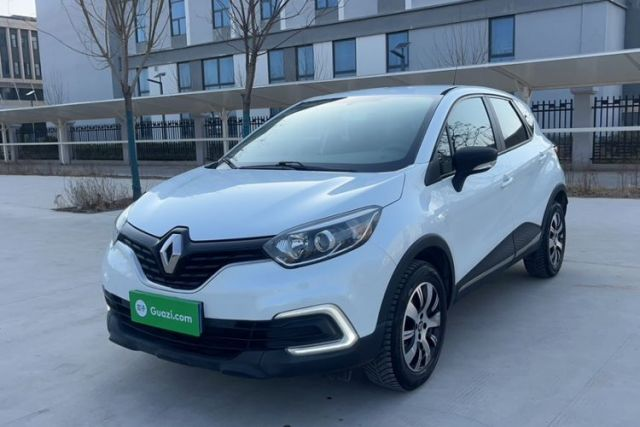
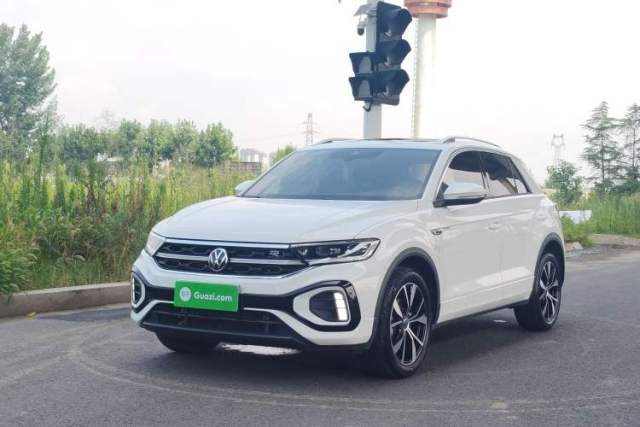
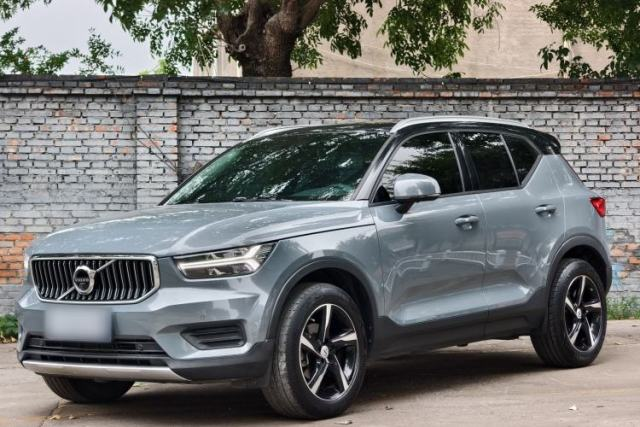
Three cars, two price brackets, one decision
The first thing to fix in your head is the framing. People put these three on the same shortlist because they are all compact SUVs of a similar size, but they do not cost the same and they were never meant to.
The Renault Captur is the value entry. It is the cheapest of the three to buy and, as you will see, the cheapest to run. The VW T-Roc sits in the middle. It is a mass-market car like the Captur, but it feels a step nicer inside and it costs more. The Volvo XC40 is the premium option, in a clearly higher price bracket, and it is built and badged to feel that way.
So this is not a like-for-like price fight. It is a decision about how much you want to spend and what you want that money to buy. Do you want the lowest cost of ownership, the best all-round balance, or the premium cabin and badge? Once you frame it that way, the comparison becomes useful instead of confusing. Used prices move and vary by source and market, so treat the spread as Captur first, then T-Roc, then XC40, rather than as fixed numbers. As a rough reference for a used 2020 to 2022 example, a base T-Roc has been seen from the equivalent of around 15,000 US dollars with higher miles, with the Captur below that and the XC40 above. Confirm against a current local listing before you commit, because these figures shift.
How they compare on space, quality and the drive
For most families, the daily reality of a compact SUV comes down to two things: how much it carries and how nice it feels to sit in. The three cars rank differently on each.
Trunk and cabin space: the XC40 leads, the T-Roc beats the Captur
The Volvo XC40 is the largest of the three in the dimensions that matter, and it is the space-and-comfort pick. Between the two mass-market cars, the T-Roc edges the Captur on trunk space, with roughly 445 liters against the Captur's 422 liters. All three seat five adults in reasonable comfort, but the T-Roc is the more practical of the two cheaper cars, and the XC40 is the roomiest overall. If you regularly carry people and luggage, the order is clear.
Interior quality and feel: where the premium badge shows
This is where the price brackets become obvious the moment you climb in. The XC40 leads on perceived quality and design. Its cabin feels genuinely premium, which is much of what you pay for. The T-Roc's interior feels a clear step above the Captur, with padded materials up top even on lower trims. The Captur's dashboard mixes some soft sections with harder, lower-rent plastics, and the floating center console can feel less solid. None of these is a bad cabin. The point is that you get what you pay for, and the gap is real.
Here is how the three line up on the practical measures, as a quick reference. Treat the figures as typical guides, since trims and model years vary.
| Model | Class | Trunk space | Cabin feel | Running cost |
|---|---|---|---|---|
| Renault Captur | Mass-market value | About 422 liters | Mixed materials, value feel | Lowest, hybrid is very efficient |
| VW T-Roc | Mass-market all-rounder | About 445 liters | A clear step above the Captur | Low, 1.5 TSI is efficient |
| Volvo XC40 | Premium | Largest of the three | Premium quality and design | Highest, larger petrols are thirsty |
Running costs: the Captur's efficiency edge
If your priority is the cheapest car to own, the Renault Captur wins this leg, and it is not close. The Captur is the efficiency leader of the three, and its E-Tech hybrid version is especially frugal in town, where the electric assistance does the most work. For a buyer who drives a lot of city miles, that is real money saved every month.
The VW T-Roc is efficient too. Its 1.5 TSI petrol engine uses cylinder deactivation to save fuel and returns roughly 6.7 liters per 100 kilometres in mixed use, which is competitive for the class. So the T-Roc is not far behind the Captur on running costs, and it offers a nicer cabin for the difference.
The Volvo XC40 is the thirstiest of the trio. Its larger petrol engines use more fuel than either rival, which is the trade-off for the premium feel and the extra performance. There are plug-in and electric versions of the XC40, but those sit outside the core used budget that brings these three together, so for a like-for-like petrol comparison the XC40 costs the most to fuel. None of this makes the XC40 a bad choice. It just means you should go in knowing that the premium feel comes with a higher fuel bill.
The reliability truth on each one
This is the part that protects your money, and it is the part the spec-comparison pages skip. Each of these three has a known fault profile. None is a disaster, but each has specific things a used buyer should check. Read these as viewing checklists, not as reasons to walk away.
VW T-Roc: the DSG and 1.5 TSI watch list
The T-Roc has the most documented mechanical trouble spots of the three, which is the honest read of VW T-Roc problems. The first is the 7-speed DSG automatic gearbox. On lower-powered cars, it uses a dry-clutch design that can judder or hesitate, and it wears faster if the oil service is skipped, so it needs attention roughly every 40,000 kilometres. On a test drive, feel for clean, smooth shifts and pull away from rest several times. The second item is the 1.5 TSI engine, which can show a low-speed surge, some owners call kangaroo behavior, along with timing-chain and oil-consumption signs that tend to appear from around 40,000 to 60,000 kilometres. Hotter 2.0 TSI versions can also wear their brakes early. A manual T-Roc dodges the DSG worry entirely. None of this means the car is fragile. It means you check the gearbox, the service history, and the oil level, and a clean example is a strong buy.
Buy It Now
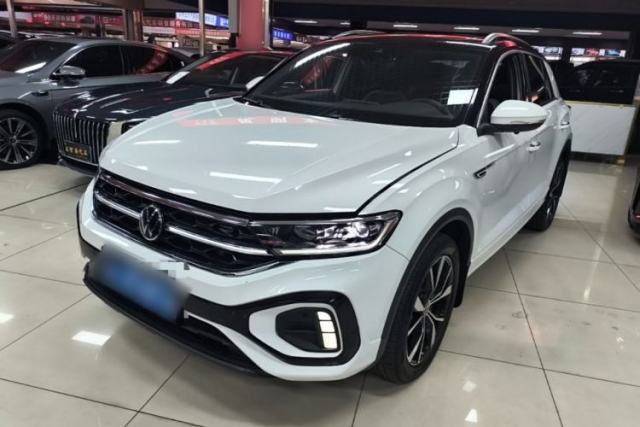
GradeAUsed Volkswagen T-ROC 2024 300TSI DSG Two-Wheel-Drive Chen Guang Edition Certified DealerCertified Dealer
 Guazi InspectedGuazi Inspected
Certified DealerCertified DealerGuazi InspectedGuazi InspectedFOB Price:$14,931$15,331

Volvo XC40: premium feel, infotainment and brake quirks
The XC40 scores well overall on Volvo XC40 reliability, with strong survey results, but it has its own list. The most common complaint is the infotainment system, where the screen can freeze or become slow to respond, and because many of the car's controls live in that screen, a glitch is more than a minor annoyance. There have also been brake-system recalls and software updates, so you want a car that has had the latest software applied. A scattering of owners report odd faults with doors, locks, seats or the sunroof. The fix here is to confirm that recalls and software updates have been done, and to test every screen function and electric feature before you buy.
Renault Captur: the value buy, and its electrical and gearbox issues
The Captur is reasonable but not class-leading, which is fair for the cheapest car here, and it is the honest answer when people search Renault Captur vs T-Roc on reliability. The common items are electrical and infotainment glitches, complaints about the clutch and the EDC automatic gearbox, front-suspension knocks over bumps, and faults with the key card and keyless entry. A replacement key card is not cheap once you add fitting. So on a Captur, test the gearbox carefully in stop-start driving, listen for knocks over rough surfaces, check every electrical feature, and make sure both key cards work. A sound, well-kept Captur is a genuine bargain. A neglected one will eat into the saving with small faults.
Buy It Now
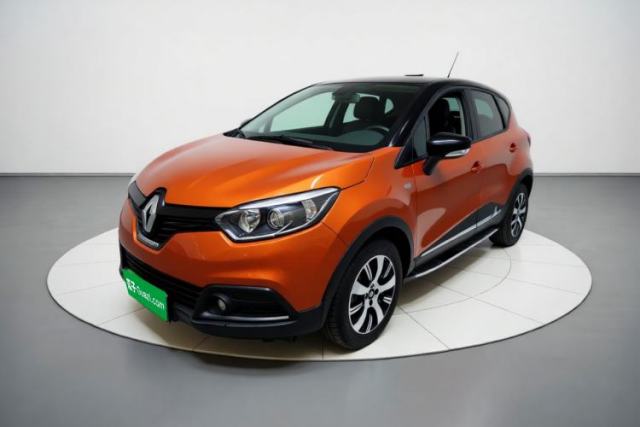
GradeAUsed Renault Captur 2015 1.2T Automatic Luxury EditionCertified DealerCertified DealerGuazi InspectedGuazi Inspected
Certified DealerCertified DealerNewly listed
Newly listed
Guazi InspectedGuazi InspectedFOB Price:$4,364$5,064
For peace of mind on all three, this is exactly where a careful inspection earns its place. Every car Guazi handles goes through an inspection of over 200 points that feeds a digital condition report, so the gearbox behavior, the electronics, the service record, and the engine state are written down as verified data rather than guessed from a listing photo. On cars where the price gap is thin, that report is what tells you whether the cheaper option is actually the safer buy.
So which used compact SUV should you buy?
Here is the verdict, with no fence-sitting, because the whole point of this comparison is a clear recommendation. The right answer depends on which kind of buyer you are.
Buy the Renault Captur if budget and economy lead. It is the cheapest to buy and the cheapest to run, and the E-Tech hybrid is genuinely frugal in town. You give up some cabin quality and a little space, but if low cost of ownership is your top priority, the Captur is the pick. Just inspect the gearbox and the electrics on the specific car.
Buy the VW T-Roc if you want the best all-round used choice. It is the balanced option: a nicer cabin than the Captur, competitive running costs, and the more practical body of the two mass-market cars. The price you pay is that it has the most mechanical watch items, so you must check the DSG gearbox history and the 1.5 TSI engine. Do that, find a clean one, and the T-Roc is the safe middle pick for most people.
Buy the Volvo XC40 if premium feel matters and the budget fits. It is the nicest place to sit, the roomiest, and the most desirable badge. You pay more to buy and more to fuel, and you should insist on a car with the latest software and all recalls done. If those conditions are met and the premium suits your wallet, the XC40 is the one you will enjoy most.
How a used compact SUV is inspected, and how Guazi helps
The thread running through all three of these cars is the same. The price spread between a clean example and a tired one is often larger than the price spread between the models, which means condition decides value more than the badge does. That is where a standardized inspection matters.
Guazi is one of China's largest used-car platforms, and it is the number one used new-energy-vehicle platform in its home market. Every car it inspects goes through a multi-point check feeding a digital condition report, so the gearbox behavior, the infotainment, the electrical systems, and the engine state are recorded as verified data. On a used compact SUV, where a DSG judder, an infotainment fault, or an electrical glitch can quietly cost you the whole saving, that report is the most direct way to tell a clever buy from a costly one. The inspection discipline behind the checklist above is exactly what protects a used buyer.
The bottom line: T-Roc vs XC40 vs Captur
- Renault Captur: the value and economy champion, cheapest to buy and run, the budget buyer's pick once the electrics and gearbox check out.
- VW T-Roc: the best all-round used choice, nicer than the Captur and more practical, as long as you check the DSG and the 1.5 TSI.
- Volvo XC40: the premium pick with the best cabin and the most space, worth the extra for buyers who value feel over fuel cost.
- The deciding factor: condition, not badge. The price gap between a clean car and a tired one usually beats the gap between the models.
Summary
The T-Roc, the XC40 and the Captur land on the same shortlist, but they answer three different questions. The Captur is for the buyer who wants the lowest cost of ownership and will accept a plainer cabin. The T-Roc is for the buyer who wants the best balance of quality, space and running costs, and who will check the gearbox before signing. The XC40 is for the buyer who wants the premium feel and the room, and who has the budget to buy and fuel it. Whichever you pick, the real work is in the condition of the specific car, because on used compact SUVs a hidden fault costs more than the price difference between the badges. Settle that with a proper inspection and a clean history, and any of the three can be the right buy for the right person.
100% Transparent Used SUV Inspection
Looking for a used SUV? We treat vehicle condition as our core product. Our in-house experts conduct a meticulous 200 point inspection, providing comprehensive condition reports with HD videos and photos. Enjoy absolute transparency with no hidden flaws and no surprises.
About Us
Follow US


Copyright © 2015~2026 https://ylqc.guazi.com/, Yilanqunche Automobile Services (Shanghai) Co.,Ltd. All rights reserved.