

World Cup Special • Save up to $1000 on selected vehicles

Guazi
GlobalEnglish


Which Used Ford Explorer to Buy, Which Years to Walk Away From, and the One Check That Pays for Itself
Article OverviewA used Ford Explorer review that maps the good generations and the bad years, picks the right engine, names what really goes wrong, gives honest USD prices, and turns it all into a pre-purchase inspection checklist.
Quick answers
- Is a used Ford Explorer a good buy? Yes, if you buy the right one. The fifth and sixth generations offer a lot of family SUV for the money. The risk is concentrated in specific bad years and in the transmission, so the individual car matters more than the badge.
- Which years should you avoid? The 2002 to 2006 cars are widely flagged for transmission failures. Early 2020 sixth-generation cars had a high number of teething faults. Both are worth approaching with caution.
- Which is the best used year? For most buyers, a 2017 to 2019 fifth-generation car balances tech, improved reliability, and a sensible price. The sixth generation drives best if your budget reaches it.
- Which engine? The 2.3-liter EcoBoost turbo four is the sensible efficient pick. The 3.5 V6 is the durable but thirsty workhorse. The 3.5 EcoBoost twin-turbo is for power and towing, and it asks for more upkeep.
- What does a used one cost? Roughly 8,500 to 31,000 US dollars depending on year, trim, and mileage. Treat any figure as a range and confirm against current local listings.
This guide covers the generation map and the bad years, the engine choice for your actual use, what really goes wrong, honest USD pricing and the buy-used math, the third-row reality, and the pre-purchase inspection that protects you. One scope note before we start. This is the American three-row SUV, not the new all-electric European Ford Explorer built on a different platform.
The Ford Explorer is the default American three-row SUV for good reason. It gives you room for people and gear, it is easy to live with, and it gets cheap once someone else has paid for the first few years of depreciation. The trouble is that one name covers two decades of very different cars. Some Explorers are excellent. A few are genuinely best avoided. So the whole game in a used Ford Explorer review is not whether the model is good in the abstract. It is buying the right generation, the right engine, and a sound individual car. Guazi sits in this story as the inspection lens, because the Explorer's value risk is mechanical and uneven, and the few checks that matter are exactly what a standardized condition report is built to surface.
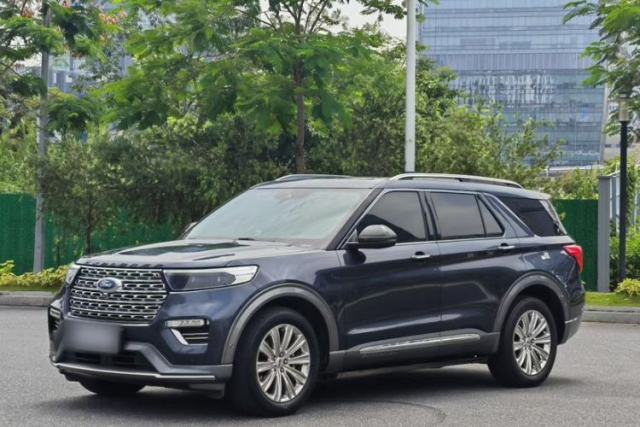
First, which Explorer do you mean?
Two unrelated vehicles now share the Explorer name, and sorting that out first saves a wasted search. This guide is about the long-running American midsize and large three-row SUV. That covers the body-on-frame early cars, the unibody fifth generation from 2011 to 2019, and the rear-drive-based sixth generation from 2020 onward. It is not about the smaller all-electric Ford Explorer sold mainly in Europe, which is built on Volkswagen's electric platform and is a different, smaller crossover. If you came here for the EV, this is the wrong guide. If you want a big family hauler with three rows, read on.
The fifth generation, 2011 to 2019, the affordable used volume
This is the generation most used buyers will actually shop, because there are so many of them and the prices have settled. The fifth-generation Explorer moved to a unibody design, which made it ride and handle more like a tall car than a truck. It improved steadily across its run. Early cars had more rough edges, and the later cars fixed most of them. The 2017 to 2019 model years are the sweet spot. They carry better infotainment, a more refined drive, and improved reliability, and clean examples often sell for around 25,000 US dollars or less. If you want the most sensible balance of price and peace of mind, start here.
The sixth generation, 2020 onward, the best to drive
The sixth-generation Explorer switched to a rear-drive-based platform, and it is the best of the bunch to drive. It feels more composed, more powerful, and more modern inside. Its overall reliability record is better than the generations before it. The one caveat is the launch year. Early 2020 cars shipped with a relatively high number of teething faults, the kind of first-year gremlins that often get sorted on later builds. If you are buying a sixth-generation car, a 2021 or later example carries less of that first-year risk, and a careful inspection on any of them is money well spent.
Buy It Now
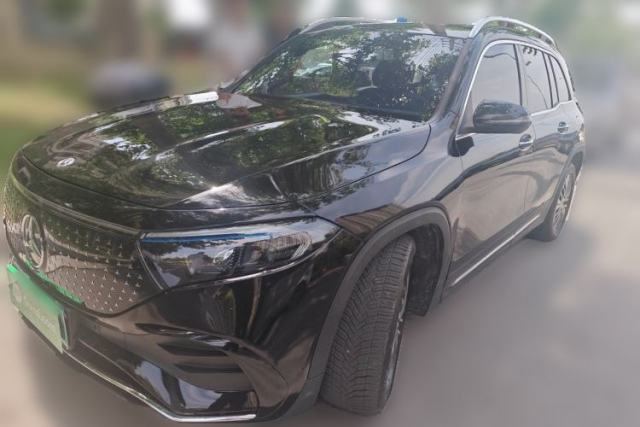
GradeDUsed Mercedes-Benz EQB 2024 EQB 260 Individual SellerIndividual Seller
 Guazi InspectedGuazi Inspected
Individual SellerIndividual SellerGuazi InspectedGuazi InspectedFOB Price:$17,442

The years to genuinely avoid
Now the honest part, because naming the bad years is more useful than a clean bill of health. The third-generation cars from 2002 to 2005 are almost universally flagged for reliability, with severe transmission failures often reported before 100,000 miles. These are best avoided unless the price is very low and you go in with eyes open. The early 2020 sixth-generation cars are a softer caution, more about first-year quality niggles than catastrophic failure, but still worth approaching carefully. This is the heart of any honest take on Ford Explorer years to avoid. The table below maps the generations at a glance. Treat it as a shape, not a verdict on a specific car.
| Generation | Years | Character | What to watch |
|---|---|---|---|
| Third gen | 2002 to 2005 | Older body-on-frame, cheap to buy | Widely flagged transmission failures, often before 100,000 miles |
| Fifth gen | 2011 to 2019 | Unibody, the used volume, improved over time | Earlier cars rougher, 2017 to 2019 the sweet spot |
| Sixth gen | 2020 onward | Rear-drive based, best to drive, better reliability | Early 2020 teething faults, prefer 2021 and later |
Which engine should you buy?
The engine is the decision that shapes your running costs and what the car can tow, so choose it around how you will actually use the Explorer, not around the biggest number.
The 2.3-liter EcoBoost turbocharged four-cylinder is the sensible efficient pick. It lifts highway economy into the mid-20s miles per gallon while still pulling well in normal driving. If most of your miles are commuting and family duties, this is the engine that keeps fuel cost down without feeling weak.
The naturally aspirated 3.5-liter V6, the Duratec, is the durable workhorse. It is the simple, proven choice if longevity matters most to you, but it is thirsty. The older 3.5 V6 can sit around 16 miles per gallon in the city, so you trade efficiency for mechanical simplicity.
The twin-turbo 3.5-liter EcoBoost V6 is the power and towing option. It is the strongest engine in the range and the one to pick if you tow regularly, but it comes only with all-wheel drive and asks for a more demanding maintenance routine. There is also a 2.0-liter EcoBoost four on some front-drive cars, which returns combined economy around 23 miles per gallon.
One specific caution on the sixth-generation cars. They use a 10-speed automatic that can shift roughly, particularly at low speeds. A real-world test of one returned an unremarkable 21 miles per gallon overall. None of this is a deal-breaker, but you should road-test the low-speed shift behavior on purpose, because a harsh or hesitant 10-speed is something you want to feel before you buy, not after.
How reliable is it, really, and what goes wrong
Be honest about Ford Explorer reliability, because the honest version protects your money better than a tidy summary. The Explorer carries a RepairPal rating around 3.5 out of 5, slightly below the midsize-SUV average. That sounds middling, but the same data shows a low frequency of unscheduled repairs, with owners reporting roughly 0.2 unexpected shop visits per year. The pattern, in other words, is a car that does not break often, but when it does break it can break expensively, and the worst outcomes cluster on specific years.
The faults that recur follow a clear pattern. Transmission failures are the headline, worst on the 2002 to 2006 era cars. Timing-chain and head-gasket issues show up on some engines. Electrical malfunctions affect things like windows and locks. Premature suspension wear, especially ball joints and control arms, is common as the miles climb. None of these is universal, and a well-maintained car may show none of them, but they are the items a buyer should actively check rather than hope about.
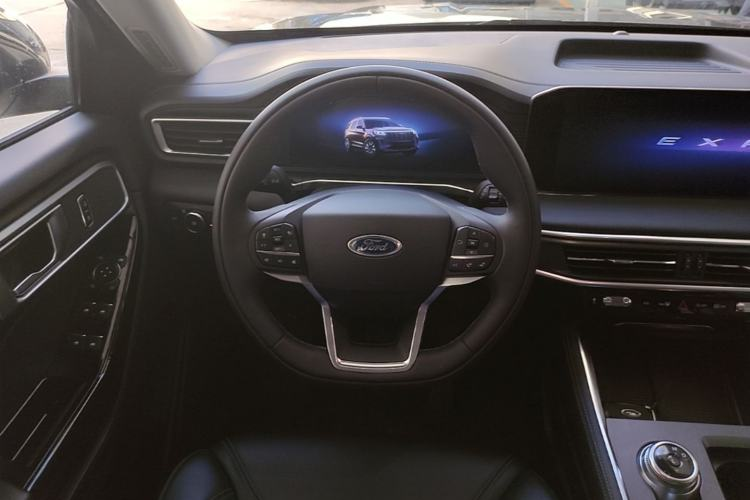
What a used Ford Explorer costs, and why used beats new
Price is the reason most people shop used in the first place, so here is the honest frame on used Ford Explorer price. Used Explorers span roughly 8,500 to 31,000 US dollars depending on year, trim, and mileage. The depreciation math is what makes the used case strong. A new Explorer loses about 52.9% of its value over five years, dropping to around 18,900 US dollars. A 2022 car has shed about 40% in three years, landing near 18,900 resale and around 14,600 as a trade-in. A 2023 has dropped about 47%, to roughly 20,300 resale.
The practical takeaway is simple. Buying a two-year-old Explorer can save you over 20,000 US dollars against a new one while leaving plenty of useful life in the car. Certified pre-owned cars in the five-to-seven-year-old range commonly land between roughly 15,000 and 25,000 US dollars. The table below frames it by generation. Prices move and vary by market, so confirm against current listings before you commit, and read the figures as a guide rather than a quote.
| Generation and age | Rough USD band | What you are buying |
|---|---|---|
| Fifth gen, older or higher mileage | Roughly 8,500 to 15,000 | Cheapest entry, check transmission and history closely |
| Fifth gen, 2017 to 2019 | Roughly 18,000 to 25,000 | The value sweet spot, better tech and reliability |
| Sixth gen, 2020 to 2022 | Roughly 25,000 to 31,000 | Best to drive, prefer 2021 and later, biggest saving versus new |
The best buy for most people is a 2017 to 2019 fifth-generation car or a 2021-plus sixth-generation car. That is the most defensible answer to the best used Ford Explorer year question, because it pairs improved reliability with depreciation that someone else has already absorbed.
The third row and the practical reality
The Explorer earns its family appeal on space, and that is mostly deserved, but one honest caveat keeps you from being surprised. The cargo room is genuinely good, and three rows means you can seat seven in a pinch. The third row itself, though, is low, unsupportive, and tight for adults, and getting into it is awkward. It works well for children and for shorter trips. It is not a place a full-size adult wants to spend a long drive. If you regularly carry three rows of adults, this is worth knowing before you buy, not after. For most families who use the third row occasionally for kids, it is exactly enough.
The pre-purchase inspection that protects a big-SUV bargain
On a vehicle with this spread of outcomes, the inspection is the single check that pays for itself. A cheap big SUV is either a bargain or a money pit, and a short list of checks decides which.
Start with the transmission, because it is where the worst Explorer bills come from. On a test drive, feel how the gearbox behaves. On a sixth-generation car, specifically work the 10-speed at low speed and feel for harsh or hesitant shifts. On any car, watch for slipping, where the engine revs climb but the car does not respond, and for any shudder under light acceleration. Next, confirm the recalls have been completed by running the vehicle identification number through Ford's recall lookup, because an open safety recall is both a risk and a bargaining point. Then check the suspension for the common ball-joint and control-arm wear, and run every electrical item, the windows, the locks, the screen, and the cameras, because electrical gremlins are a known pattern. Finally, demand a documented service history. On a car whose outcomes vary this much, a verified condition report is worth more than any single test drive, because it turns guesswork into recorded data.
Buy It Now
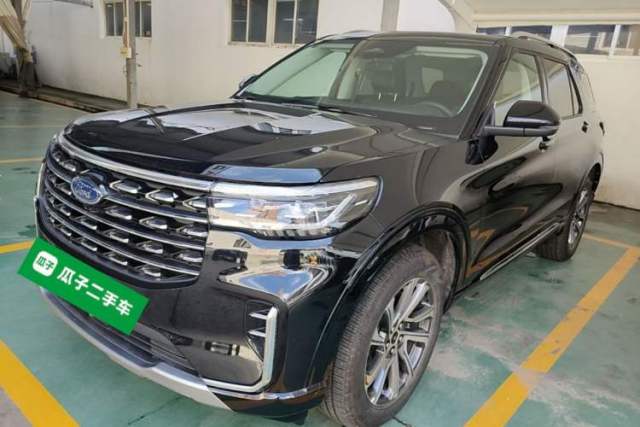
GradeSUsed Ford Explorer 2025 2.3T EcoBoost Four-Wheel Drive Trail Edition 5 Seats Certified DealerCertified DealerGuazi InspectedGuazi Inspected
Certified DealerCertified DealerNear-new car
Near-new car
Guazi InspectedGuazi InspectedOriginal paint
Original paint
FOB Price:$38,636
How Guazi inspects a used SUV before it is sold
Here is where the inspection angle matters, and it is worth being precise about what Guazi does and does not claim. The Explorer is not a Chinese car, so the relevant strength is not any electric-vehicle story. It is Guazi's core competence as a high-volume used-car inspector. Guazi is one of China's largest used-car platforms, founded in 2015, and has carried out more than 30 million inspections, each feeding a digital condition report. On a vehicle with this kind of spread between a good year and a bad one, that standardized, multi-point inspection is exactly what separates a bargain from a money pit, because the transmission behavior, the recall status, the suspension, and the electronics get written down as verified data rather than guessed from a listing photo.
100% Transparent Used Ford Explorer Inspection
Looking for a used Ford Explorer? We treat vehicle condition as our core product. Our in-house experts conduct a meticulous 200 point inspection, providing comprehensive condition reports with HD videos and photos. Enjoy absolute transparency with no hidden flaws and no surprises.
The bottom line on a used Ford Explorer
- Value: a lot of three-row family SUV for the money, especially once depreciation has done its work.
- Generations: the fifth generation from 2011 to 2019 is the affordable volume, and the sixth generation from 2020 drives best.
- Bad years: the 2002 to 2005 transmission era to avoid, and early 2020 cars to approach carefully.
- Engines: the 2.3 EcoBoost for efficiency, the 3.5 V6 for durability, the 3.5 EcoBoost for towing.
- The catch: an uneven reliability record where the worst bills come from the transmission, so the individual car matters.
- Best buy: a 2017 to 2019 fifth-gen car or a 2021-plus sixth-gen car, inspected, with a clean documented history.
Summary
The used Ford Explorer is one of the easier big family SUVs to recommend, as long as you buy the right one. You are getting genuine three-row space and a comfortable, modern drive for a price that someone else has already taken the depreciation hit on. The price of that value is an uneven history, where a good generation and a sound example are excellent and a bad year can cost you a transmission. Settle that with the right generation, the right engine for your use, and a proper inspection, and the Explorer makes a strong case for your money.

About Us
Follow US


Copyright © 2015~2026 https://ylqc.guazi.com/, Yilanqunche Automobile Services (Shanghai) Co.,Ltd. All rights reserved.