

World Cup Special • Save up to $1000 on selected vehicles

Guazi
GlobalEnglish


The Skoda Octavia and VW Jetta Share the Same Bones, So Which Used Sedan Is Actually the Smarter Buy?
Article OverviewA used Skoda Octavia vs VW Jetta comparison for export buyers: the shared MQB platform, the availability split, the Octavia's space advantage, the common engines to check, and a clear verdict.
Quick answers
- Are the Octavia and Jetta the same car underneath? Largely, yes. Both use Volkswagen Group's MQB platform and share engines and gearboxes, so the real choice is space, value and condition.
- Which has more space? The Skoda Octavia, clearly. It is longer and wider, with a much bigger trunk and class-leading rear knee room.
- Where can you buy a used Jetta? Mainly the United States and Mexico, plus China as the Sagitar. Volkswagen stopped selling the Jetta in Europe in 2018, where the Octavia remains common.
- Is the Octavia more reliable than the Jetta? Skoda tends to score a little higher in owner surveys, but both share the same mechanical risks. Service history matters more than the badge.
- Which is the better used family sedan? The Octavia for most buyers on space and body-style choice, especially in Europe. The Jetta where it is the available, well-priced option, mainly the Americas and China.
This guide explains the shared platform, then who sells where, then the space gap, then the common engines and what to check, then the reliability picture, and finishes with a clear verdict for the used buyer.
Here is the twist most comparisons miss. The Skoda Octavia vs VW Jetta question is not really a battle of engineering, because these two are corporate cousins. They ride on the same Volkswagen Group floorpan and use the same engines and gearboxes. So the decision does not come down to which one is built better. It comes down to space, value, condition, and one very practical fact: where you can actually buy each one. The Octavia is a European staple, while the Jetta left Europe years ago and now lives in the United States, Mexico and China, where it is sold as the Sagitar. From Guazi’s inspection view, the Jetta as Sagitar is a high‑volume car in its home market, so the common mechanicals here are the items a used‑car platform sees every day.
| Skoda Octavia | VW Jetta |
|---|---|
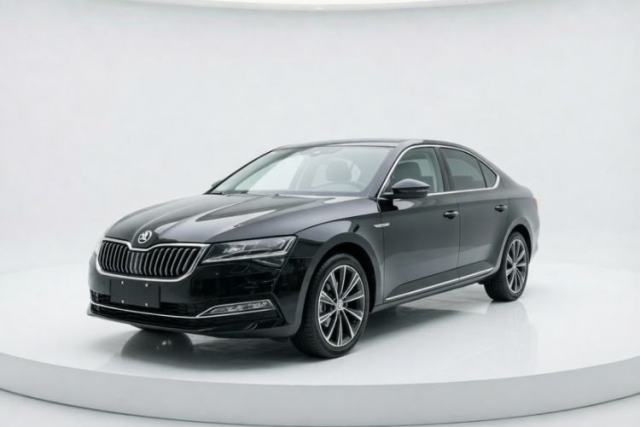 | 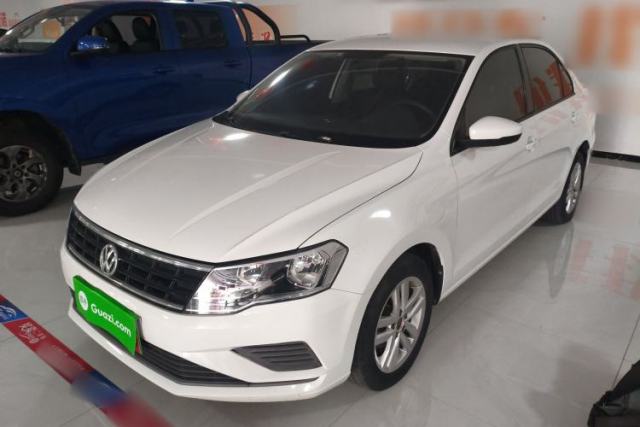 |
Same platform, different badges: what the Octavia and Jetta really share
The single most useful fact in this whole comparison is that the Octavia and the Jetta are built on the same Volkswagen Group MQB platform. That platform underpins a huge slice of the group's cars, and it means these two sedans share their floorpan, their engine range and their gearboxes.
Why does that reframe everything? Because when two cars share the hardware that actually moves them, the differences that remain are about packaging and presentation, not fundamental quality. The same turbo-petrol and diesel engines, the same automatic gearbox family, the same basic structure. So you are not choosing between a well-engineered car and a poorly engineered one. You are choosing between two takes on the same recipe, and the meaningful differences are how much each one carries, how it feels to own, and the condition of the specific car in front of you. Hold that thought, because it shapes every section that follows.
Where each one is sold, and why it matters to a used buyer
This is the fact that builds trust, because a comparison that pretends both cars are equally available everywhere is not being straight with you.
The Skoda Octavia is one of Europe's most rational and popular family cars, sold across the continent in sedan and wagon forms. It is everywhere in the European used market. The Volkswagen Jetta is a different story. Volkswagen dropped the Jetta from Europe in 2018 to focus the nameplate on the United States, where it is built in Puebla, Mexico. In China, the equivalent car is sold under the Sagitar name and sells in large numbers. So depending on where you live or where you are importing from, one of these two may barely exist as used stock.
That changes the practical answer to this comparison. In Europe, the Octavia is the natural used buy and the Jetta is rare. In the Americas, the Jetta is the common, well-priced sedan and the Octavia is the less usual sight. In China, the Sagitar version of the Jetta is a volume car. Before you fall for one over the other, check which one you can actually source cleanly in your market. The best car on paper is no use if you cannot find a good example of it near you.
Space and practicality: where the Octavia pulls ahead
When two cars share their mechanicals, practicality becomes the tiebreaker, and here the Octavia has a clear advantage. If your search is really about the best used family sedan for the money, space is where the gap opens up.
Trunk and rear room: the Octavia's room advantage
The Skoda Octavia is longer and wider than the Jetta, with a length of about 4,698 millimetres and a width of about 1,829 millimetres. It is famously roomy. Its trunk holds around 600 liters, and its rear knee room is class-leading, comfortably seating a tall adult behind another tall adult. The Volkswagen Jetta is a touch shorter and narrower, at about 4,659 millimetres long and about 1,778 millimetres wide, with a 510-liter trunk. That Jetta trunk is still large, but it has a narrower opening and a height restriction that makes bulky items harder to load. Net result: the Octavia is the practicality winner, and the gap is meaningful for a family.
The Octavia's trunk is one of the biggest in the class, and a real reason families pick it over a conventional sedan.
Everyday usability: the Octavia's body-style flexibility
There is a second practicality point that often decides the purchase. The Octavia is offered as a hatchback-style liftback and as an wagon, which gives you a wide, tall tailgate opening and far more flexible loading than a normal sedan trunk. The Jetta is a three-box sedan only. For buyers who carry bikes, flat-pack furniture or sports gear, that body-style choice is a genuine advantage that no spec sheet captures fully.
Here is how the two line up on the practical numbers, as a reference. Trims and model years vary, so treat these as typical figures.
| Model | Length | Trunk space | Rear room | Body styles |
|---|---|---|---|---|
| Skoda Octavia | About 4,698 mm | About 600 liters | Class-leading knee room | Liftback and wagon |
| VW Jetta | About 4,659 mm | About 510 liters | Good, but tighter | Sedan only |
The engines and gearboxes they share, and what to check
Because the two cars draw from the same Volkswagen Group pool, the inspection checklist is largely the same for both, which is useful to know. The common engines are the 1.4 TSI turbo-petrol, the newer 1.5 TSI, and the 2.0 TDI diesel, often paired with the 7-speed DSG automatic. Specific trims and outputs differ by market, so think in engine families rather than a single global specification.
A few checks matter. On the petrol side, the modern EA211 1.4 TSI is generally reliable, but it rewards discipline on oil consumption and carbon buildup, so look for a clean service history. Be careful with older cars, because the earlier EA111 1.4 TSI had timing-chain issues, so confirm which engine you are looking at on an older example. On the gearbox side, the 7-speed DSG uses a dry-clutch design that has known watch items around its mechatronic unit and clutch, so test it carefully in stop-start driving and feel for clean shifts. If you would rather avoid the DSG question entirely, a manual car sidesteps it. None of this is unusual for cars in this class. It simply means you check the engine type, the service record and the gearbox behavior before you buy.
The reliability picture: how they hold up
Now the honest reliability read, framed as a viewing checklist rather than a verdict on the whole model.
On the question of Skoda Octavia reliability, Skoda generally rates a little higher than Volkswagen for reliability and owner satisfaction in independent surveys, and the Octavia ranks well on quality studies. The safest used bet is the third-generation Octavia, sold from 2013 to 2020, which has a solid record. The newer fourth-generation car, from 2020 onward, brought a more complex infotainment system that has produced a notable share of software and screen complaints, so on a newer Octavia you want a car with the latest software and you should test every screen function. One quirk to know across generations is an occasional trunk water-leak, so check the trunk floor for damp. The Jetta's 1.4 TSI record is solid when the car has a full service history, and it shares the same DSG watch items as the Octavia. So the reliability gap between the two is small and comes down mostly to Skoda's slight survey edge and to the condition of the individual car.
The takeaway is consistent with the rest of this comparison. Because the mechanicals are common, reliability is decided far more by how a specific car was maintained than by which badge is on the grille. A documented history is your best protection on either one.
So which used sedan should you buy?
Here is the verdict, with no fence-sitting, because the point of this guide is a clear recommendation tied to your situation.
Buy the Skoda Octavia for most situations. It is the more practical car by a clear margin, with a bigger trunk, more rear room and the choice of a flexible liftback or wagon body. It carries Skoda's slight reliability edge, and in Europe it is the natural, widely available used buy. For the majority of family-sedan shoppers, especially in Europe, the Octavia is the smarter choice, and it is the one to default to when both are options.
Buy It Now
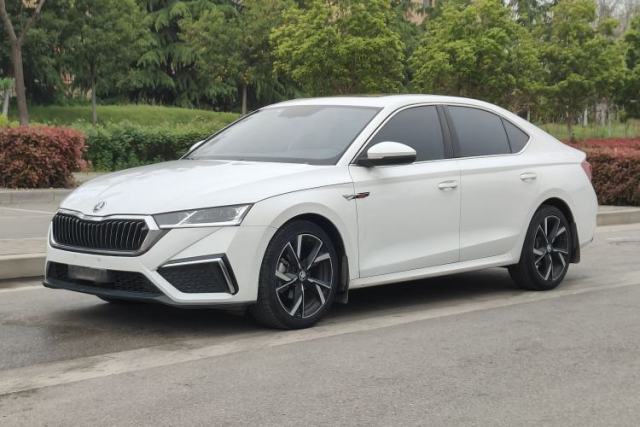
GradeAUsed Skoda Octavia 2022 PRO TSI280 Luxury Edition Certified DealerCertified Dealer
 Guazi InspectedGuazi Inspected
Certified DealerCertified DealerGuazi InspectedGuazi InspectedFOB Price:$16,571

Buy the VW Jetta where it is the available, well-priced option. In the United States, Mexico and China, where the Jetta or its Sagitar twin is the common car and the Octavia is rare, the Jetta is a sound, sensible buy. It shares the same dependable mechanicals, it is a comfortable and well-built sedan, and in those markets it will be easier to find, service and price than the Octavia. So the Jetta wins not on paper but on availability, which in the real world often matters most.
Buy It Now
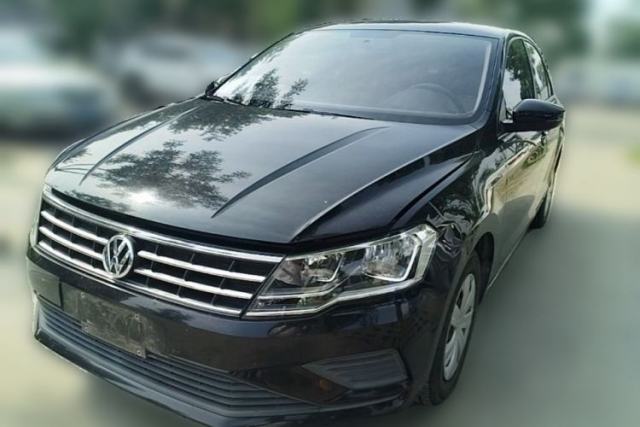
GradeSUsed Volkswagen Jetta 2017 1.4L Manual Fashion EditionCertified DealerCertified DealerGuazi InspectedGuazi Inspected
Certified DealerCertified DealerGuazi InspectedGuazi InspectedFOB Price:$5,317
In short, the deciding factors are space and where you live. The Octavia takes the space argument outright. Your market decides which car you can actually buy well.
Buying a shared-platform sedan the smart way, and how Guazi helps
The thread through this whole comparison is that the mechanicals are common, so condition decides value more than the badge does. That is exactly where a standardized inspection earns its keep.
Both of these cars use the engines and gearboxes a used-car platform sees constantly, and the Jetta, sold as the Sagitar, is a core car in Guazi's home market. Guazi is one of China's largest used-car platforms, and the number one used new-energy-vehicle platform there. Every car it inspects goes through a multi-point check feeding a digital condition report, so the engine type, the DSG behavior, the service record and the electronics are recorded as verified data rather than guessed from a photo. On commoditized sedans like these, where the price spread between a clean car and a tired one is thin, that report is what separates a good buy from a costly one.
The bottom line: Octavia vs Jetta
- Skoda Octavia: the practicality winner with a bigger trunk, more rear room and a flexible body, and the default smart buy in Europe.
- VW Jetta: the sound, well-built sedan that wins where it is the available, well-priced option, mainly the Americas and China as the Sagitar.
- Shared underneath: the same MQB platform, engines and gearboxes, so this is a space-and-condition decision, not an engineering one.
- The deciding factor: space says Octavia, but your market decides which car you can buy well, so check availability first.
Summary
The Octavia and the Jetta look like a straight rivalry, but they are two badges on the same Volkswagen Group hardware, which means the engineering argument is mostly a draw. What is left is space, where the Octavia wins clearly, and availability, where your market makes the call. In Europe, the Octavia is the easy, practical choice. In the Americas and China, the Jetta or its Sagitar twin is the car you can actually find and price well. Either way, because the mechanicals are common, the condition of the specific car decides whether you got a bargain. Confirm the engine type, test the gearbox, look for a clean service history, and let a proper inspection do the rest, and you will buy the right one for where you live.
Guazi Used Cars
Access 200,000 verified vehicles monthly. Bid in real-time and secure bulk inventory at highly competitive market rates.




About Us
Follow US


Copyright © 2015~2026 https://ylqc.guazi.com/, Yilanqunche Automobile Services (Shanghai) Co.,Ltd. All rights reserved.