

World Cup Special • Save up to $1000 on selected vehicles

Guazi
GlobalEnglish


The Leapmotor C10 Is a Lot of Electric SUV for the Money, and Here Is Where It Cuts Corners
Article OverviewAn honest Leapmotor C10 review: the value story, the specs without spin, real-world range, the slow-charging catch, the REEV range-extender, the brand question, and how to buy.
Quick answers
- Is the Leapmotor C10 a good car? Yes, as value. It is big, well equipped, and comfortable for the money, with two real compromises: slow rapid-charging and real-world range below the official figure.
- What is the real range? The BEV claims around 261 to 263 miles WLTP, but expect closer to 200 miles in real driving. The REEV range-extender version claims over 600 combined miles using a petrol engine.
- Why is it so cheap for the size? Generous standard kit and a large body at a low price are the whole pitch, undercutting pricier European family EVs.
- Is a young Chinese brand safe to buy? It is backed by Stellantis dealers, service, and parts, which de-risks ownership, and Leapmotor is a real, fast-scaling brand, not a curiosity.
- New or used in 2026? The C10 only reached Europe in late 2024, so the used pool is shallow. Near-new or ex-demo is usually the smart buy right now.
This review covers where the C10 sits and why it costs what it costs, the specs without the spin, the honest range and the charging catch, the REEV range-extender, whether the brand is safe to buy, the smart new-versus-used call in 2026, and how a used-car platform thinks about a Chinese electric SUV.
The Leapmotor C10 makes a simple, loud argument. It is a near-4.9-meter electric family SUV, fully loaded as standard, for the price of a much smaller European EV. It comes from one of the fastest-growing Chinese new-energy brands, and it is sold internationally through the Stellantis dealer network. The car is genuinely impressive value, and it is genuinely compromised in a couple of specific places, and an honest review has to say where. Guazi fits into this story because Chinese new-energy vehicles like the C10 are its core category at home, which means it can speak plainly to the two questions a value buyer really has: is a young Chinese brand safe to buy into, and how do you check the battery on one as these cars age into the used market.

Where the Leapmotor C10 sits, and why it costs what it costs
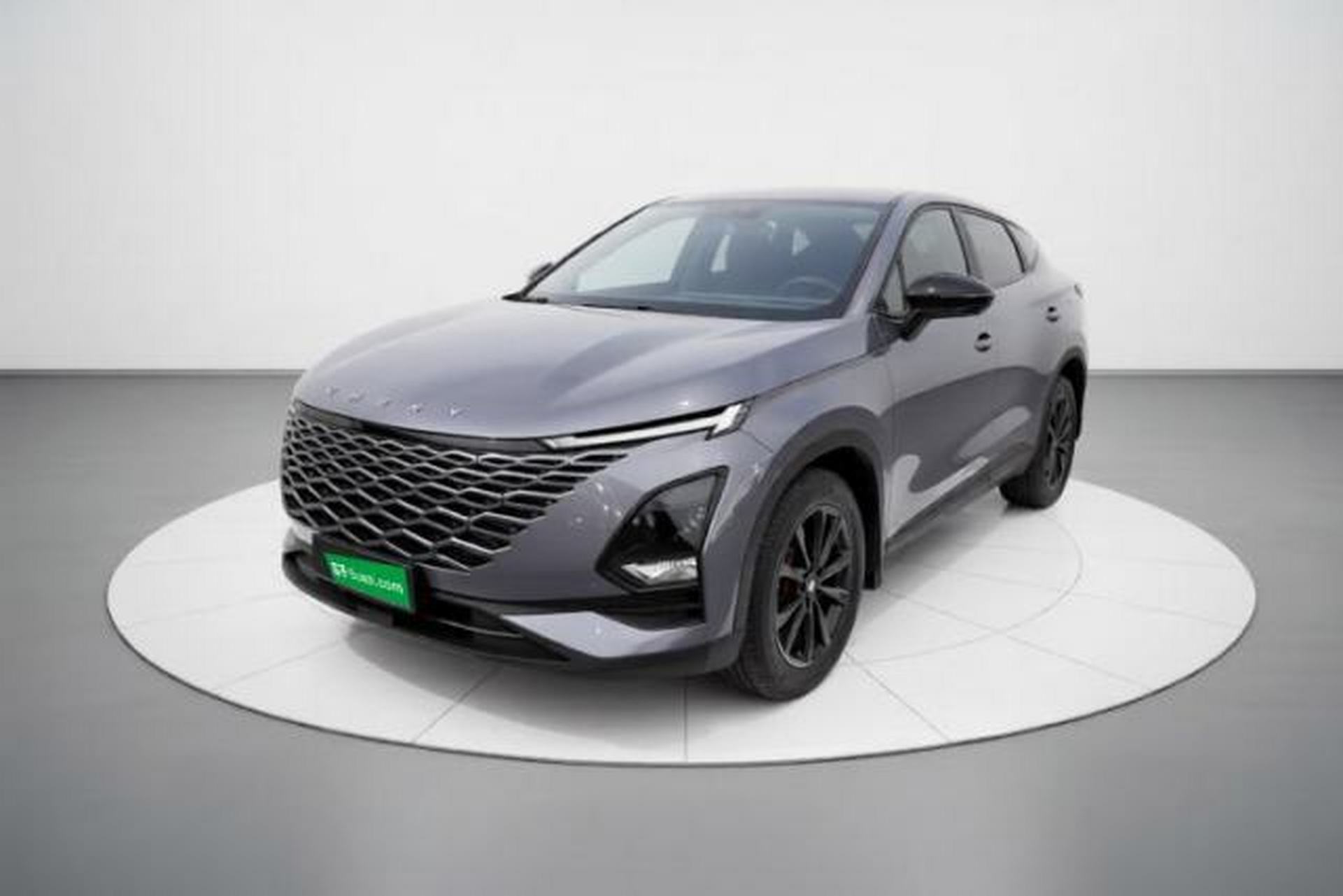
Start with the value, because it is the whole reason the C10 exists in the conversation. The Leapmotor C10 price lands well below what a European-badged family electric SUV of the same size costs, and that gap is the headline. This is a big car, nearly 4.9 meters long, with the interior space and presence of vehicles that cost far more.
The kit is where it makes its case. Even in standard form the C10 comes generously equipped, with a panoramic glass roof, a large central touchscreen, and adaptive LED lights as part of the package. You would pay extra for that list, or not get it at all, on a smaller and pricier European EV. The value engine is simple: size plus standard equipment at a low price. That is the argument the C10 makes, and on space and kit for the money, it is a strong one.
The space deserves its own mention, because it is a real part of the appeal and not just a number on a brochure. At nearly 4.9 meters, the C10 gives genuine room for a family of five, with proper legroom in the back and a large trunk, the kind of practicality buyers usually have to pay a class above for. A flat floor and a long wheelbase mean the interior feels open and uncramped, and the panoramic roof adds to the sense of space and light. For a family that wants room first, this is a lot of usable car for the outlay. The honest review is not about whether the value is real, because it is. It is about where the corners were cut to get there, and the next sections name them.
Buy It Now

GradeSUsed Leapmotor C10 2024 530 Comfort Edition Certified DealerCertified Dealer
 Guazi InspectedGuazi Inspected
Certified DealerCertified DealerGuazi InspectedGuazi InspectedOriginal paint
Original paint
FOB Price:$16,996$17,296

What the Leapmotor C10’s specs really show
Here are the numbers without the spin, because the Leapmotor C10 specs tell a clear story once you read them plainly.
Battery, motor and what it is like to drive
The pure-electric C10 uses a 69.9 kWh lithium-iron-phosphate (LFP) battery, a chemistry valued for durability and stable long-term health. It drives the rear wheels through a single motor making around 215 to 218 horsepower and about 236 lb ft of torque, good for 0 to 62 mph in roughly 7.5 seconds. There is also an all-wheel-drive variant with a larger 81.9 kWh battery. The character is comfort-first family SUV, not a hot EV. It is smooth and relaxed rather than sharp, which suits the car and the buyer it is aimed at.
The LFP battery choice matters more than it sounds, and it works in a used buyer's favor down the line. LFP cells are known for holding their health well over many charge cycles and for coping better with being charged to 100% regularly, which is part of why they suit a family car that gets charged often. For a buyer thinking a few years ahead, that durability is a quiet point in the C10's favor, because the battery is the part that decides a used EV's value, and a chemistry built to last is a good foundation.
On the road, the C10 is tuned for comfort rather than thrills. The ride is soft and settled, the cabin is quiet at a cruise, and the power is more than enough for relaxed family driving without ever feeling urgent. The steering is light, which makes the big car easy to manage in town and at parking speeds. It will not entertain a keen driver the way a sharper European EV might, but that is not its job. It is built to carry a family in calm, quiet comfort, and on that measure it does exactly what it sets out to do.
The table sets the key figures out together so the trade-offs are easy to see.
| Spec | Leapmotor C10 (BEV) |
|---|---|
| Battery | 69.9 kWh LFP (rear-wheel drive) |
| Power | Around 215 to 218 hp, about 236 lb ft |
| 0 to 62 mph | Roughly 7.5 seconds |
| WLTP range | Around 261 to 263 miles (official / lab) |
| Real-world range | Nearer 200 miles |
| DC rapid charge peak | Around 84 kW |
| Length | Nearly 4.9 meters |
Range and charging: the real numbers and the one real weakness
This is where honesty matters most, so here it is straight. The Leapmotor C10 range on paper is around 261 to 263 miles WLTP, which is the official lab figure. In real driving, independent testers got nearer 200 miles. That is normal for an electric SUV of this size and weight, and 200 real miles is perfectly usable for most family duty, but treat the 200 as your working number and the WLTP as the lab number, not a promise.
The genuine weak spot is charging speed, and a fair review names it rather than burying it. The C10's DC rapid-charging peaks at around 84 kW, which is noticeably slower than most rivals in this class. In practice that means longer stops on long journeys, because the car simply cannot pull energy in as fast as competitors that peak much higher. For home charging overnight on the 6.6 kW onboard AC, this does not matter at all. For frequent long-distance driving with motorway rapid stops, it is a real consideration that will add time to your trips. If most of your driving is local and you charge at home, the slow DC peak is easy to live with. If you cover long distances often, weigh it carefully or look at the range-extender version below.
The C10 REEV: the range-extender answer to range anxiety
For buyers who like the C10 but worry about range and charging, there is a clever answer in the Leapmotor C10 REEV, marketed as the Ultra Hybrid. It works differently from a normal hybrid. The REEV uses a 28.4 kWh battery for around 90 miles of pure electric range, and a petrol engine acts purely as a generator to keep the battery topped up, paired with a 50-liter fuel tank. The combined claimed range is over 600 miles.
That setup directly cancels the two electric compromises for the right buyer. You get electric running for everyday local trips, where the roughly 90 EV miles cover most daily use, and you never face a slow rapid-charging stop on a long journey, because you simply fill up with petrol like any normal car. The trade is that you carry a petrol engine and buy fuel for the long trips, so it is not a zero-emissions car in the way the pure EV is. The REEV suits a buyer who wants the C10's space and value but does long or unpredictable journeys, or who cannot rely on convenient charging. The pure BEV suits a buyer whose driving is mostly local and who can charge at home. Both are honest choices, and the REEV is the sensible pick if range anxiety is your main worry.
Buy It Now

GradeSUsed Leapmotor C10 2024 210 Smart EditionCertified DealerCertified DealerGuazi InspectedGuazi Inspected
Certified DealerCertified DealerGuazi InspectedGuazi InspectedOriginal paint
Original paint
FOB Price:$16,277$16,577
Is a young Chinese brand safe to buy?
This is the real hesitation for many buyers, so let us address it directly rather than dodge it. The worry is fair. Buying a car from a brand you did not grow up with raises sensible questions about service, parts, and whether the company will still be there in a few years.
Two things answer it. First, the C10 is sold through existing Stellantis-brand dealer networks across its launch markets, which include Belgium, France, Germany, Greece, Italy, Luxembourg, Malta, the Netherlands, Portugal, Romania, Spain, Switzerland, and the UK. That means established dealers, a national service-center network, and a parts supply chain already in place, which removes much of the risk that worries people about a new brand. The car is backed by Leapmotor's warranty, commonly cited as four years or up to 60,000 miles, though exact terms vary by market, so confirm the warranty for your country before you buy.
Second, the scale is real. Leapmotor delivered 596,555 vehicles globally in 2025, up 103% year on year, which placed it top among Chinese new-energy start-up brands, and it has surpassed 1.5 million cumulative global deliveries. The C10 was the first Leapmotor model to reach Europe through the Stellantis joint venture, arriving in October 2024. Those are delivery figures, not a claim about market share in any single country, and they describe a fast-scaling, established maker rather than a curiosity. Between the Stellantis backing and the brand's real volume, a young badge here is far less of a gamble than it first appears.
New or used in 2026? The smart way to buy a C10
Here is the practical buying advice few reviews give, and it follows directly from one fact. The C10 only reached Europe in October 2024, so a deep used pool simply does not exist yet in most markets. That shapes the smart move. In 2026, a near-new or ex-demo C10 is usually the better buy than a high-mileage one, for two reasons. The depreciation curve is still young, so an ex-demo car has already taken a little of the early drop while staying close to new. And the long warranty still has most of its life left on a recent car, which protects you on the parts that matter.
There is one more reason near-new makes sense on a value-led car like this. New electric cars, and new cars from younger brands in particular, tend to take their sharpest depreciation in the first stretch of ownership. Letting the first owner absorb that early drop is exactly how a value buyer gets the most car for the money, and an ex-demo or nearly-new C10 lets you do that while the warranty, the latest software, and the full kit are all still intact. You get most of the new-car experience at a used-car saving, which fits the whole point of the car.
This is also where the used angle starts to matter for the future. As these cars age into the used market over the next few years, the LFP battery's state of health and the remaining warranty will become the deciding value variables, just as they are on any used EV. A buyer in a few years' time will care less about the original sticker price and more about how much battery life and warranty remain, which is why a verified condition report will matter so much on these cars. For now, buy near-new and keep the warranty intact. Later, the battery check becomes the whole game.
How Guazi sources and checks Chinese new-energy SUVs
Chinese new-energy vehicles like the C10 are Guazi's core category in its home market, which is exactly why its perspective is useful here. As these cars age into the used market, the LFP battery's state of health and the remaining warranty decide the value, and that is precisely what Guazi's process targets. Guazi is one of China's largest used-car platforms and domestically the number one used new-energy-vehicle platform. Every car goes through a standardized multi-point inspection feeding a digital condition report, and Guazi backs new-energy cars with an industry-first 100-day battery-decay guarantee. On a Chinese electric SUV, that competence is the point: verified battery health and condition are what turn a young, fast-scaling brand into a confident used purchase down the line.
100% Transparent Used Leapmotor C10 Inspection
Looking for a used Leapmotor C10? We treat vehicle condition as our core product. Our in-house experts conduct a meticulous 200 point inspection, providing comprehensive condition reports with HD videos and photos. Enjoy absolute transparency with no hidden flaws and no surprises.
The bottom line on the Leapmotor C10
- Value: a big, well-equipped electric family SUV for the price of a much smaller European EV.
- Specs: 69.9 kWh LFP battery, rear-wheel drive, around 215 to 218 hp, comfort-first character.
- Range: roughly 261 to 263 miles WLTP, but expect nearer 200 in the real world.
- The catch: DC rapid-charging peaks around 84 kW, slower than rivals, so long-trip stops are longer.
- The REEV: a range-extender with about 90 EV miles plus petrol for over 600 combined, the range-anxiety answer.
- Brand: backed by Stellantis dealers and service, and a real, fast-scaling maker, not a gamble.
- Buying in 2026: the used pool is shallow, so near-new or ex-demo is usually smartest.
Summary
The Leapmotor C10 delivers on its loud value promise: a large, well-equipped electric family SUV for far less than the European competition, from a brand that is scaling fast and standing on Stellantis dealers and service. The honest catches are a slow rapid-charging peak and a real-world range below the sticker, and the REEV range-extender exists precisely to answer the buyers those compromises would bother. Because the car only reached Europe in late 2024, the smart 2026 move is usually a near-new or ex-demo example with the warranty intact. As these cars age into the used market, verified battery health becomes the deciding factor, which is exactly the ground a Chinese-NEV specialist is built to cover.





About Us
Follow US


Copyright © 2015~2026 https://ylqc.guazi.com/, Yilanqunche Automobile Services (Shanghai) Co.,Ltd. All rights reserved.