

World Cup Special • Save up to $1000 on selected vehicles

Guazi
GlobalEnglish


Chery Omoda 5 First Impressions: Striking Value, a Coarse Engine, and a Seven-Year Safety Net
Article OverviewA Chery Omoda 5 review with the honest catch: real value and generous kit, but a coarse engine and thirsty economy, the hybrid and electric E5 as the better picks, and the smart way to buy one in 2026.
Quick answers
- Is the Omoda 5 good value? Yes, clearly. It undercuts an entry Qashqai by well over 6,000 British pounds and comes loaded with kit. Value is the point, and it delivers it.
- What is the catch? The base 1.6 turbo petrol is coarse when worked and the economy is thirsty for the class, in the low 30s miles per gallon. The hybrid fixes much of this.
- Petrol, hybrid, or the electric E5? The hybrid is the better all-rounder than the base petrol. The electric Omoda E5 is a separate car with around 257 miles of official range, and it is worth a look if you want to go electric.
- Is the brand safe? Chery is a genuinely large maker. It sold about 2.8 million vehicles in 2025 with about 1.34 million exports, and it has led Chinese passenger-car exports for many years. The 7-year warranty is a real safety net.
- New or used in 2026? The model is new, so the used pool is shallow. Near-new or ex-demo is usually the smart buy right now.
This review covers where the Omoda 5 sits and why it is so cheap, the specs and the honest drive, the petrol versus hybrid versus electric E5 choice, whether a young Chinese brand is safe to buy and what the warranty really covers, the build-quality niggles worth checking, and the smart new-versus-used call in 2026.
The Chery Omoda 5 makes one very loud promise. It is a styling-forward compact SUV, generously equipped, for thousands less than a Nissan Qashqai. Omoda is Chery's global-facing brand, and Chery is one of the largest vehicle exporters in the world, so this is not a fly-by-night badge you should worry about disappearing. The value is real. So are the compromises, and a coarse engine and thirsty economy are the two you feel first. This Chery Omoda 5 review is an honest first look that says where the corners are cut, what the long warranty really covers, and whether the brand and the price add up. Guazi sits in this story on the practical side, because the smart way to buy a car this new is usually near-new, and that is where condition and battery checks earn their keep.
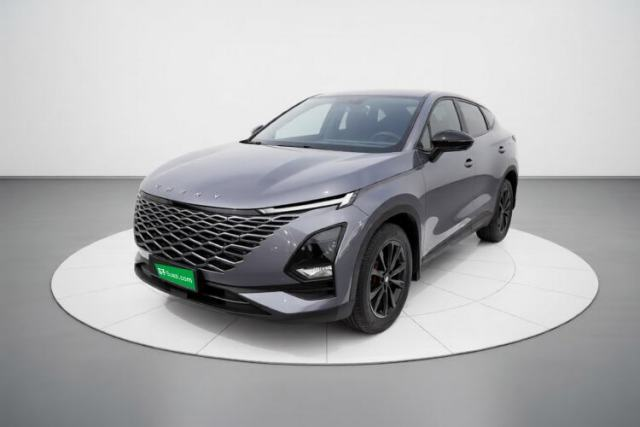
Where the Omoda 5 sits, and why it costs so little
Start with the price, because it is the reason the Omoda 5 exists. In the United Kingdom it opens from about 23,990 to 24,040 British pounds for the petrol, with the hybrid around 25,755 British pounds. That is well over 6,000 British pounds cheaper than an entry Qashqai. In Australia it starts from about 40,990 Australian dollars for the GT. Prices move and differ by market, so date-stamp any figure and confirm locally before you buy.
What makes the Omoda 5 price sting the rivals is what comes with it. Even the standard car brings 18-inch alloy wheels, adaptive cruise control, faux-leather upholstery, and keyless entry, the sort of kit you often pay extra for elsewhere. The pitch is simple and effective. You get the equipment of a more expensive car and the styling of one too, for the price of a much plainer rival.
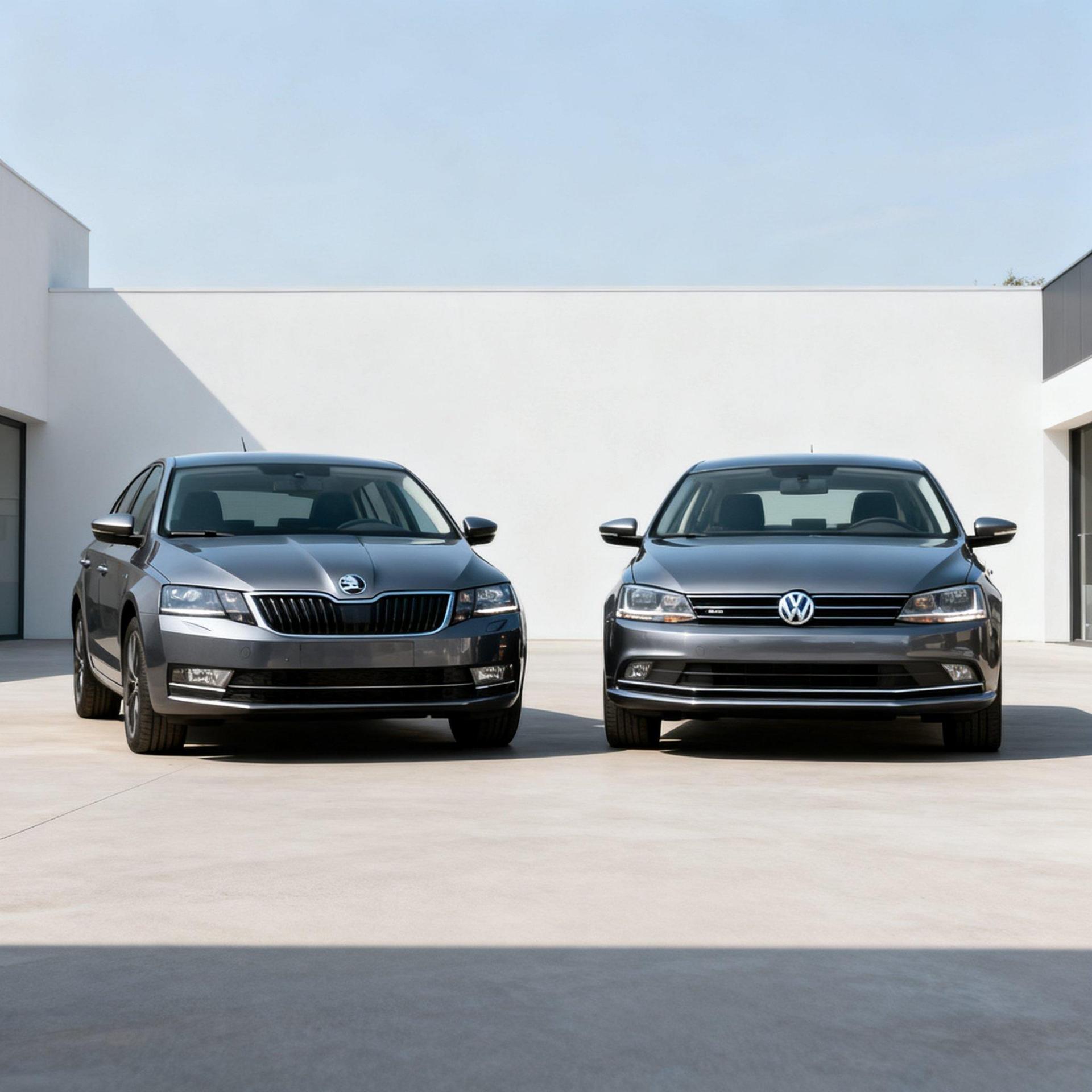
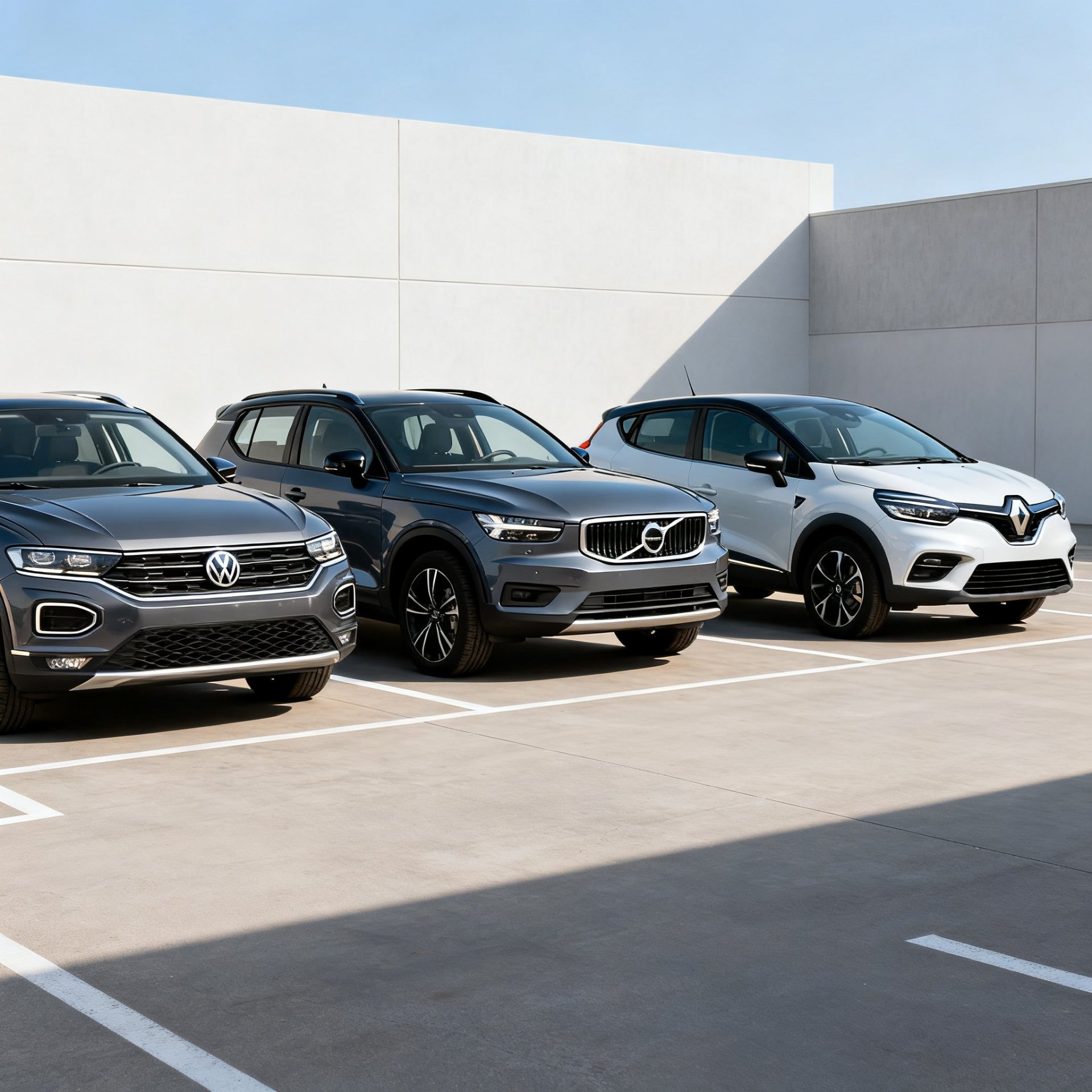
Think about who the Omoda 5 is fighting. A Nissan Qashqai or a Volkswagen T-Roc will out-handle it and feel better screwed together, but they ask several thousand more and give you less standard equipment for the money. An MG HS is the closest value rival, and even there the Omoda counters with sharper styling and a longer warranty. The Omoda's whole case is that, for a buyer who values kit and looks over the last ten percent of driving polish, the maths simply work. The question that buyer has to answer is what got traded away to hit that price, and the next section is where you feel it.
The specs and what it is actually like to drive
The Omoda 5 specs look generous on paper, and the honest drive is where the value story meets its limits. This is a front-wheel-drive compact SUV that prioritizes equipment and looks over driving polish, and that is a fair trade at the price as long as you know it going in.
The 1.6 turbo petrol, the honest weak link
The entry engine is a 1.6-liter turbocharged petrol making around 145 brake horsepower, driving the front wheels through a 7-speed automatic. It covers 0 to 62 miles per hour in about 10.1 seconds, which is on par with a mild-hybrid Qashqai or an MG HS, so it is adequate rather than slow. The catch is character. It needs to work hard to make progress, and it gets coarse and vocal when you push it. Official economy sits in the low 30s miles per gallon, noticeably thirstier than key rivals, with carbon dioxide emissions just under 170 grams per kilometer. None of this makes the car bad, but it is the clearest place the low price shows.
The hybrid, the better all-rounder in 2026
The newer hybrid version is the one to want if your budget stretches. It is still cheap, but it is much improved, smoother, and easier to drive than the base petrol, and it takes the rough edge off the powertrain that the petrol can't hide. The hybrid system also lifts everyday economy meaningfully over the thirsty base petrol, which closes one of the car's clearest gaps to its rivals. It is not transformed in every way. Ride, handling, and interior ambience all remain mid-pack for the class, so do not expect it to suddenly drive like a Qashqai. But as the everyday all-rounder, the hybrid is the more satisfying buy, and it is the version I would point most people toward over the base petrol. If you are choosing between the two and the price gap is small in your market, pay it.
| Variant | Engine | Power | 0 to 62 mph | Economy | Indicative price |
|---|---|---|---|---|---|
| Petrol | 1.6 turbo, 7-speed auto | About 145 bhp | About 10.1 sec | Low 30s mpg | From about 23,990 British pounds |
| Hybrid | Petrol-hybrid | Comparable | Comparable | Better than petrol | From about 25,755 British pounds |
| Electric E5 | Single front motor | About 201 bhp | About 7.6 sec | About 257 miles WLTP | From about 33,055 British pounds |
Petrol, hybrid, or the electric Omoda E5?
Keep one thing clear, because it is easy to muddle. The petrol and hybrid Omoda 5 and the all-electric Omoda E5 are different cars with different prices and specs. The E5 is not just an Omoda 5 with a battery dropped in, so shop it as its own thing.
The Omoda E5 uses a 61 kilowatt-hour battery for around 257 miles of official WLTP range, about 430 kilometers, with a 201 brake horsepower front motor and a 0 to 62 miles per hour time of about 7.6 seconds, so it is quicker than the petrol too. In the United Kingdom, it runs from about 33,055 British pounds in Comfort trim to 34,555 in Noble. In Australia, it sits around 42,990 to 45,990 Australian dollars. It comes with a 7-year vehicle warranty plus a separate 8-year battery warranty, and it lands just under a BYD Atto 3 on price in some markets. Who should step up to electric? Anyone whose driving fits comfortably inside the range and who wants the lower running costs and the calmer drive that the petrol can't match. If you are unsure, the hybrid is the safer middle ground.
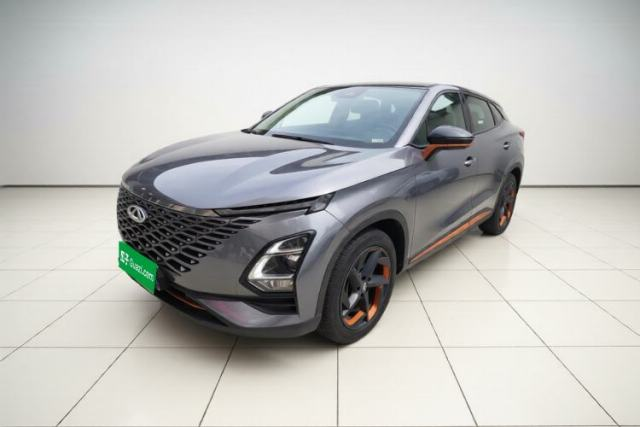
Is a young Chinese brand safe to buy?
This is the real question behind a lot of Omoda searches, and the honest answer leans on facts rather than reassurance. Chery is not a small or obscure maker. Chery Group sold about 2.806 million vehicles in 2025, up about 7.8%, with about 1.344 million of those exported, up about 17.4%, and it has led Chinese passenger-car exports for 23 consecutive years. Those are sales and export volumes, not a claim about market share in your country, but they tell you plainly that this is a large, export-proven company, and Omoda is its global-facing sub-brand launched in 2022.
The warranty backs that up. The Omoda 5 carries a 7-year warranty, and the electric E5 adds a separate 8-year battery warranty on top of its 7-year vehicle cover. That is a genuine safety net for a buyer trying a newer brand. For due diligence, two recalls are worth noting and checking against a specific car. There was a February 2024 Australian recall of about 5,901 units over a brake-pipe-union defect, and an April 2024 Malaysia recall of about 600 units over a rear axle beam component. Confirm the exact scope and whether any work was completed on the car you are looking at.
The build-quality niggles worth knowing before you buy
Now the honest niggles, because the value story is only useful if you know where the compromises are. Owners and long-term testers report Chery Omoda 5 problems that cluster around fit and finish rather than mechanical failure. Interior trim creaks, around the door panels and dash seams, have shown up after minimal use. The paint has been called thin and a touch prone to stone chips. Panel-gap consistency is not always perfect. One long-term tester documented a fuel-filler-door actuator fault within three months. The encouraging part is that later units reportedly improve, which is normal as a young model matures, so the practical move is to check the build date and inspect the specific car closely. None of these are deal-breakers on their own, but they are the difference between a happy ownership and a nagging one.
New or used in 2026? The smart way to buy an Omoda 5
Here is the buying logic, and it is shaped by how new the car is. The Omoda 5 only launched globally from 2022, reaching Australia in March 2023 and building a United Kingdom dealer network through 2025. That means a deep used pool barely exists yet in most markets. So the smart 2026 move is usually near-new or ex-demo rather than a high-mileage car, because that is where the supply and the value actually are.
For the electric E5 specifically, the calculation shifts as cars age. Battery state of health and the remaining years on that 8-year battery warranty become the deciding value variables, more than mileage alone. A used E5 with a verified healthy battery and warranty left is worth materially more than one without, which is exactly the kind of thing a proper inspection settles.
How Guazi sources and checks Chinese SUVs
Here is where Guazi fits. Chinese SUVs like the Omoda are Guazi's core category at home. Guazi is one of China's largest used-car platforms, founded in 2015, with more than 30 million inspections behind it and an inspection of over 200 points feeding a standardized condition report on every car, and it is the leading used electric-vehicle platform in China. For the electric E5 especially, battery state of health and the remaining warranty are what decide the used value, which is exactly what Guazi's inspection and its industry-first 100-day battery-decay guarantee are built to target. For the petrol and hybrid cars, the multi-point condition report does the work on engine, gearbox, and the fit-and-finish items. The point is the inspection competence and the China-sourcing know-how that travel with a car like this.
100% Transparent Used OMODA Inspection
Looking for a used OMODA? We treat vehicle condition as our core product. Our in-house experts conduct a meticulous 200 point inspection, providing comprehensive condition reports with HD videos and photos. Enjoy absolute transparency with no hidden flaws and no surprises.
About Us
Follow US


Copyright © 2015~2026 https://ylqc.guazi.com/, Yilanqunche Automobile Services (Shanghai) Co.,Ltd. All rights reserved.