

World Cup Special • Save up to $1000 on selected vehicles

Guazi
GlobalEnglish


Car Inspection Report Explained: Guazi 200+ Point Guide 2026
Article OverviewCar inspection report explained: what a 200+ point inspection covers, how to read it, and the red flags it catches before you pay.
When you buy a used car in another country, you commit serious money to a car you have never seen, working only from a listing, a few photos, and a stranger’s word. That is true for a dealer in Accra, an importer in Tashkent, a reseller in Lima, and a buyer in Manila alike.
A car inspection report is the one document that closes that gap. It replaces a promise with a verified, line-by-line record of the car’s real condition, so a good used car inspection report tells you exactly what you are paying for before the money moves.
This guide explains what a car inspection report contains and how to use one. It covers what the Guazi 200+ point inspection checks on every exported car, how to read a report section by section, and the red flags a strong report exposes.
It draws on Guazi’s official inspection process, the same one applied to every car the platform sells. Because the trust problem is the same in every market Guazi exports to, this guide is written for cross-border buyers everywhere.
Why a Car Inspection Report Matters When You Buy Across Borders
A used car bought across borders passes through more hands than one bought down the road. You rely on a listing written to sell, on photos chosen to flatter, and on an unverified odometer figure. By the time the car reaches your port, the seller is far away, and the money has moved.
A car inspection report restructures that deal. Instead of trusting a description, you receive a standardised assessment from trained inspectors whose job is to record the car’s condition accurately, not to close a sale.
A complete report documents mechanical health, accident history, true mileage, structural integrity, and cosmetic condition. Each item is measured against a fixed checklist, so two different cars can be judged on the same terms.
For Guazi buyers, this matters even more because every exported car is sourced 100% from individual owners in China rather than from auctions or fleet disposals. A genuine ownership and service history therefore exists to verify the car against, and each vehicle passes a 200+ point inspection before being listed for export.
Inside the Guazi 200+ Point Inspection
A used car inspection checklist is only useful when it is comprehensive and consistent. Every car Guazi sells passes a re-inspection of more than 200 items, and certified engineers carry out each one, so the condition shown to the buyer is the real condition of the car.
The 200+ Item Breakdown
The 200+ point is not a marketing round number. It breaks into fixed groups, and each group targets a specific failure mode.
| Inspection group | Items |
|---|---|
| Structural & reinforcement parts | 60+ |
| Engine-bay items | 31 |
| Body-exterior items | 23 |
| Interior-function items | 43 |
| Suspension, brake discs & pads | 12 |
| Startup-inspection items | 10 |
| Onboard-tool items | 4 |
The same groups apply to a compact hatchback and a large SUV alike, so two Guazi reports can be compared directly. That is a like-for-like read a generic seller description can never give you.
The Six-Area Body Inspection
Guazi also inspects the body itself in six defined zones, and each zone answers one specific question.
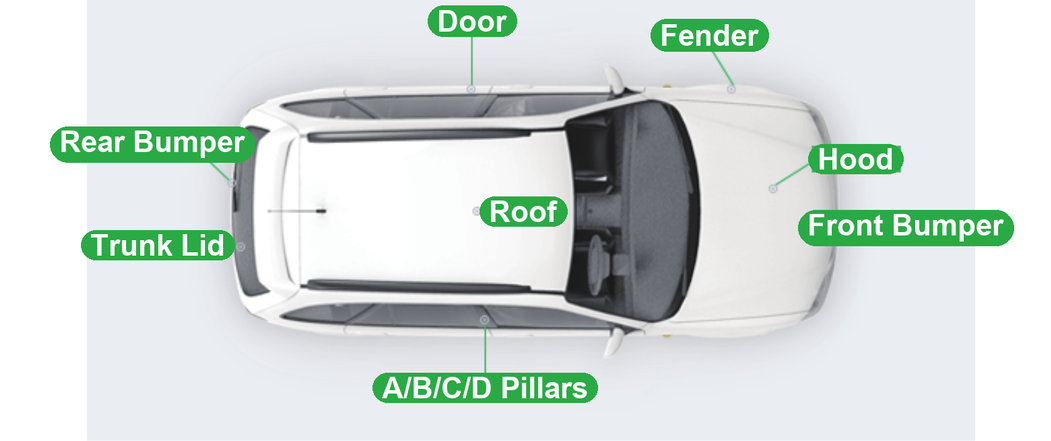
Paint surface
A paint-film gauge measures coating depth across the hood, every door, the A/B/C/D pillars, the roof, and the trunk lid. A reading outside the normal range flags a panel that has been resprayed or filled, which is the first sign of past repair.
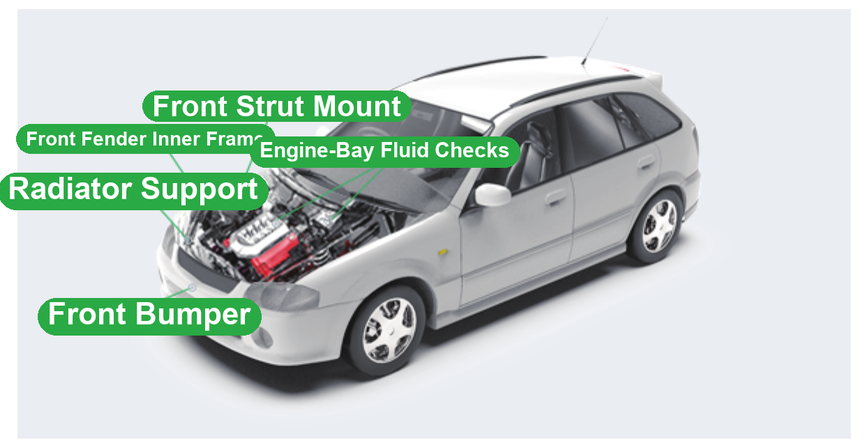
Front end
Inspectors check the front structural parts, the radiator support, engine accessories, and the intake and exhaust system, looking for collision marks, fluid leaks, and engine-bay flood or mildew traces.
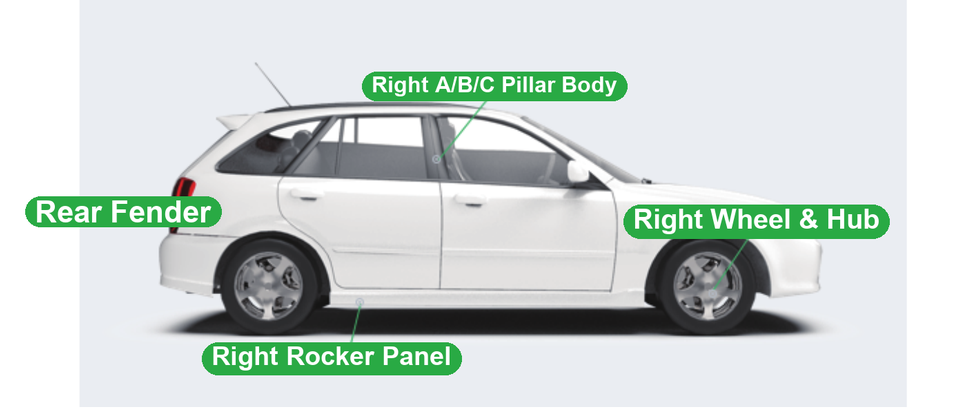
Right side
The right wheels and hubs, the right pillar bodies, and the rocker-panel seam are examined for accident damage, while the interior floor pan is checked for flood signs.
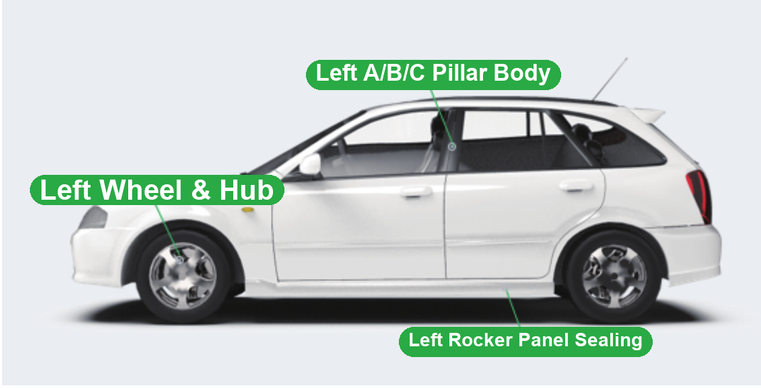
Left side
The same checks are repeated on the left, covering the wheels, hubs, pillar bodies, and the sealed rocker-panel seam, so neither side of the structure is taken on trust.
Rear end
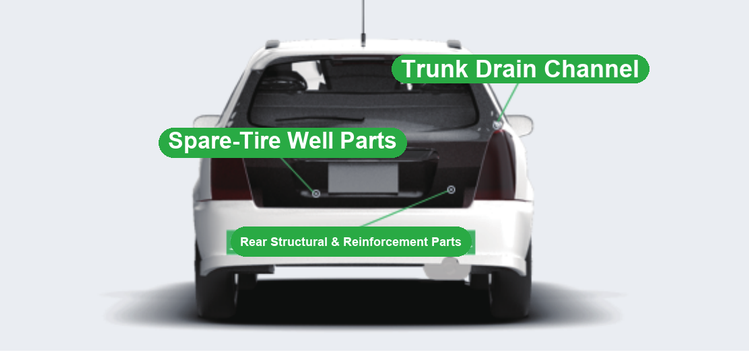
Rear structural parts, the trunk water channel, and the spare-tyre well are checked for collision repair and water intrusion.
Interior
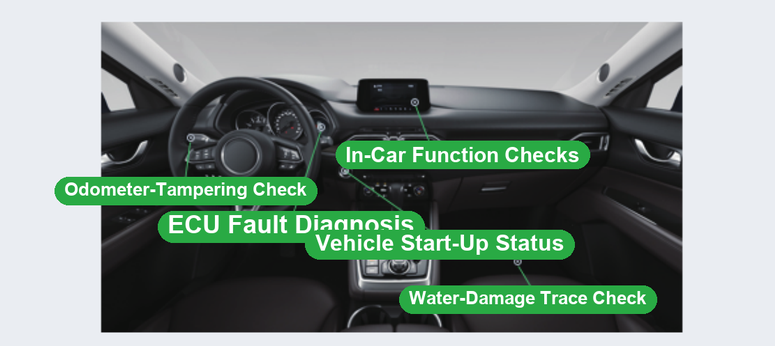
Inspectors verify interior functions and instruments, look for flood-damaged seats and odometer-tampering traces, and read mileage directly from the onboard computer.
Electric & Hybrid Cars: The "Three Electrics" Inspection
Electric and hybrid cars need checks a petrol car never will, so Guazi runs a dedicated new-energy inspection of the "Three Electrics": the traction battery, the drive motor, and the electronic control system.
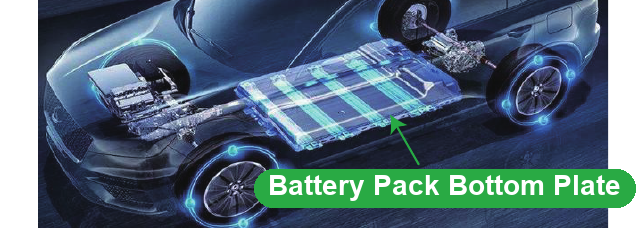
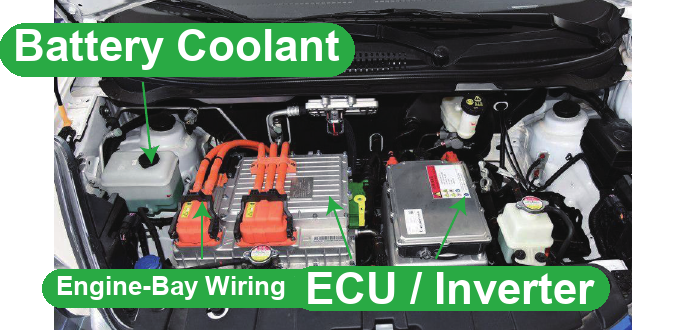
For the traction battery, inspectors check whether the pack has been removed or opened, whether the casing is deformed, and whether the cooling system shows any external leak. On many electric cars, Guazi also queries the battery’s State of Health, or SOH, and publishes it on the vehicle detail page, because that figure is the most important number for an electric car’s remaining value.
The electronic control system and inverter are inspected for disassembly marks and external damage, and the engine-bay wiring harness is checked for replacement and for any fire or burn traces. A burnt harness on an electric car is a serious warning sign that a generic checklist would miss.
Guazi also pays to query third-party data for every car, electric or petrol, and the report shows the number of insurance claims, the claim amounts, and the count of ownership transfers. For a buyer who cannot inspect the car in person, that history is as valuable as the inspection.
How to Read a Car Inspection Report, Section by Section
A report is only as useful as your ability to read one. Work through any car inspection report in this order, and treat each section as the answer to a single question.
- Identity and documentation. Does the VIN match across the chassis, the papers, and the report header? Is the title clean? A mismatch here ends the conversation.
- Mileage verification. Does the odometer reading agree with the service history and the physical wear? A good report states how mileage was confirmed.
- Accident and structural history. This is where value is won or lost. Look for repaired panels, weld marks, abnormal paint-thickness readings, and airbag-deployment evidence.
- Mechanical condition. Engine, transmission, drivetrain. A strong report grades each item and flags faults with a severity, not just a pass or fail.
- Wear items. Brakes, tyres, suspension, battery. These are predictable first-year costs, and the report tells you what you will spend.
- Cosmetic and interior. The least critical section, but useful for setting price expectations.
Read in this order, a report turns from a wall of ticks into a clear decision: buy at this price, negotiate, or walk away.
Guazi used cars
Every car at Guazi used cars already carries a completed 200 point inspection report. Ask for the report on any car that interests you.
Every car at Guazi used cars already carries a completed 200+ point inspection report. Ask for the report on any car that interests you.
Car Inspection Report vs VIN Check vs Seller Photos
Buyers often treat these three information sources as interchangeable, but they are not. Each tells you something different, and only one confirms the car’s current physical condition.
| Information source | What it tells you | What it cannot tell you |
|---|---|---|
| Seller photos | Cosmetic appearance, chosen angles | Mechanical health, hidden repairs |
| VIN / history check | Registration history, reported accidents, sometimes mileage | Current mechanical condition, unreported damage |
| Inspection report | Current verified condition across 200+ points | Future reliability, which no report can predict |
A VIN check and seller photos are useful inputs, but only a professional vehicle inspection on the actual car tells you the condition you are about to pay for. The strongest position is to hold all three and let the inspection report settle any disagreement.
Common Red Flags a Car Inspection Report Reveals
A thorough car inspection report exists to surface the problems a listing hides. These are the red flags it catches most often.
- Odometer inconsistency. A recorded mileage that does not match the service records or the physical wear on pedals, seats, and the steering wheel.
- Structural repair. Weld marks, replaced panels, or paint-thickness readings that point to a previous heavy collision.
- Hidden accident damage. Airbag warning lights, mismatched panel gaps, or a replaced airbag module with no documentation.
- Flood or water damage. Corrosion in unusual places, a musty interior, or silt in the spare-wheel well and wiring connectors.
- Concealed mechanical faults. Fault codes cleared just before sale, fresh oil masking a leak, or a fault that only appears on a cold start.
- Documentation gaps. An incomplete service history or a VIN that is not consistent across the car and its papers.
None of these is visible in a photograph. All of them change what the car is worth, and some change whether you should buy it at all.
The Team and Guarantee Behind Every Car Inspection Report
A report is only as trustworthy as the people who produce it and the company that stands behind it.
Certified Inspection Engineers
Guazi’s inspections are carried out by a team of more than a thousand certified inspection engineers. Each one completes 18 hours of theory and 20 days of hands-on training, and must pass Guazi certification before working on a customer’s car.
Across the program, Guazi inspectors have assessed more than 19.89 million vehicles between March 2016 and April 2025. That scale turns a professional vehicle inspection into a disciplined, repeatable process.
The Platform Guarantee
The inspection is also backed by a platform guarantee. Guazi’s official standard singles out three failure modes a buyer can least afford to discover after delivery: a major structural accident, fire damage, and flood damage. The inspection is built to catch all three.
Buyers should confirm the exact guarantee terms for their own market with the Guazi team, but the principle holds everywhere: the report has to be right, because Guazi stands behind it. The company exports 35K+ cars a year, 8K+ of them into African markets, every unit covered by the same 200+ point inspection.
How a Car Inspection Report Protects Buyers Everywhere
The destination changes, but the protection does not. A buyer importing into West Africa, Central Asia, Southeast Asia, Latin America, or the Middle East faces the same core risk of paying for a car sight-unseen, and a standardised report answers it the same way everywhere.
Local rules still apply on top of the report. Some markets require left-hand-drive vehicles and others right-hand-drive, while duty rates, vehicle-age limits, and registration steps differ by country. A car inspection report does not replace that local knowledge; it sits underneath it, confirming that the car you clear through your own customs is the car you were promised.
That is why the same 200+ point report is equally valid for a dealer in Ghana and an importer in Kazakhstan: it documents the vehicle, not the jurisdiction.
Talk to the Guazi team
Want a specific car’s inspection report explained before you commit? Talk to the Guazi team and ask for a line-by-line walkthrough.
Key Takeaways
- A car inspection report turns a remote, sight-unseen purchase into a verified, line-by-line decision.
- The Guazi 200-point inspection covers structure, engine bay, body, interior, suspension, brakes, and startup checks, plus a six-zone body inspection.
- Electric and hybrid cars get a dedicated "Three Electrics" check of the battery, motor, and electronic control system.
- Read any report in order: identity, mileage, accident history, mechanical, wear items, cosmetics.
- An inspection report, a VIN check, and seller photos each tell you something different, so use all three.
- The report documents the vehicle, not the country, so it protects buyers in every market Guazi exports to.






About Us
Follow US


Copyright © 2015~2026 https://en.guazi.com/, Chongqing Guazi Enterprise Consulting Service Co., Ltd. All rights reserved.