

World Cup Special • Save up to $1000 on selected vehicles

Guazi
GlobalEnglish


Which Premium Electric SUV Should a Polish Buyer Pick Used, the Q4 e-tron, the EQA or the iX1?
Article OverviewA used premium EV comparison for Poland: the Audi Q4 e-tron, Mercedes EQA and BMW iX1 ranked on real range, charging speed, space, battery health and PLN price, including the EQA recall a used buyer must check.
Quick answers
- Which has the longest range? The Audi Q4 40 e-tron, with roughly 520 to 533 km on the WLTP cycle. The BMW iX1 follows, and the Mercedes EQA varies most by version.
- Which charges fastest? The Q4 e-tron, with the highest DC peak of the three. The EQA and iX1 charge a little slower.
- Should a used buyer worry about the EQA recall? You must check it. A battery-related recall affects EQA cars built in a certain window, and the fix has in some cases meant slower charging and a small permanent range loss. Confirm the status before you buy.
- How well do the batteries hold up? All three degrade slowly. The iX1 shows very low loss, the Q4 modest loss, and the EQA is fine on cars not caught by the recall.
- Does the NaszEauto subsidy help? No, not for a used car. The grant does not apply to used EV purchases.
This guide covers Poland's premium used-EV moment, then range and charging ranked, then space, then the battery-health truth, including the EQA recall, then PLN prices and the German-import angle, and finishes with a clear verdict per buyer.
The premium used electric SUV decision in Poland has narrowed to three German badges. In the Audi Q4 e-tron vs Mercedes EQA matchup, with the BMW iX1 as the third contender, the Q4 goes furthest and charges fastest, the iX1 is the polished all-rounder, and the EQA is the value entry with one catch a used buyer must know about. The honest tiebreaker is not the badge. It is real range, charging speed, and the health of the battery you are actually buying, because on a used EV the battery is most of the value. Guazi sits in this category as the used-EV inspection lens, since battery state of health is exactly what a used new-energy platform is built to check.
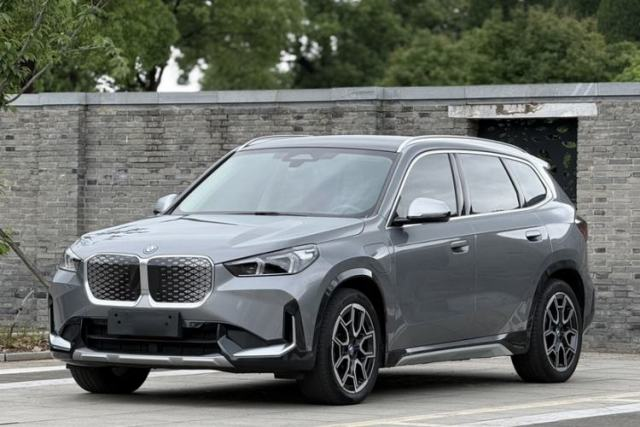
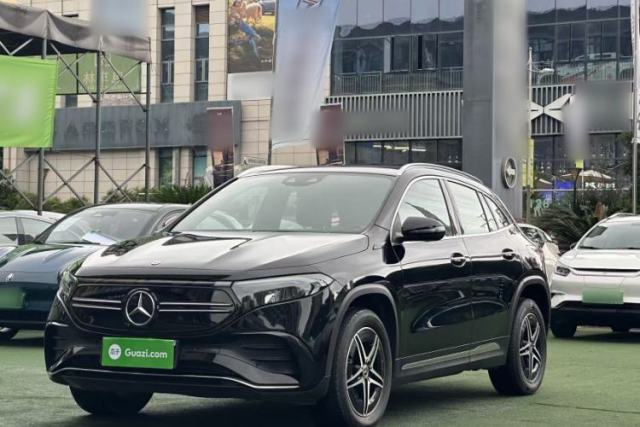
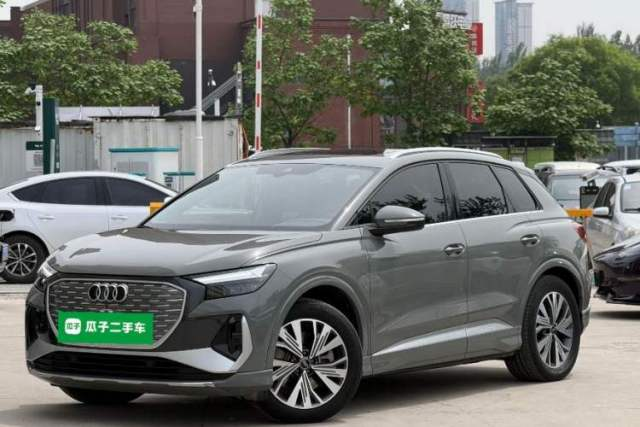
Poland's premium used-EV moment, and who is buying
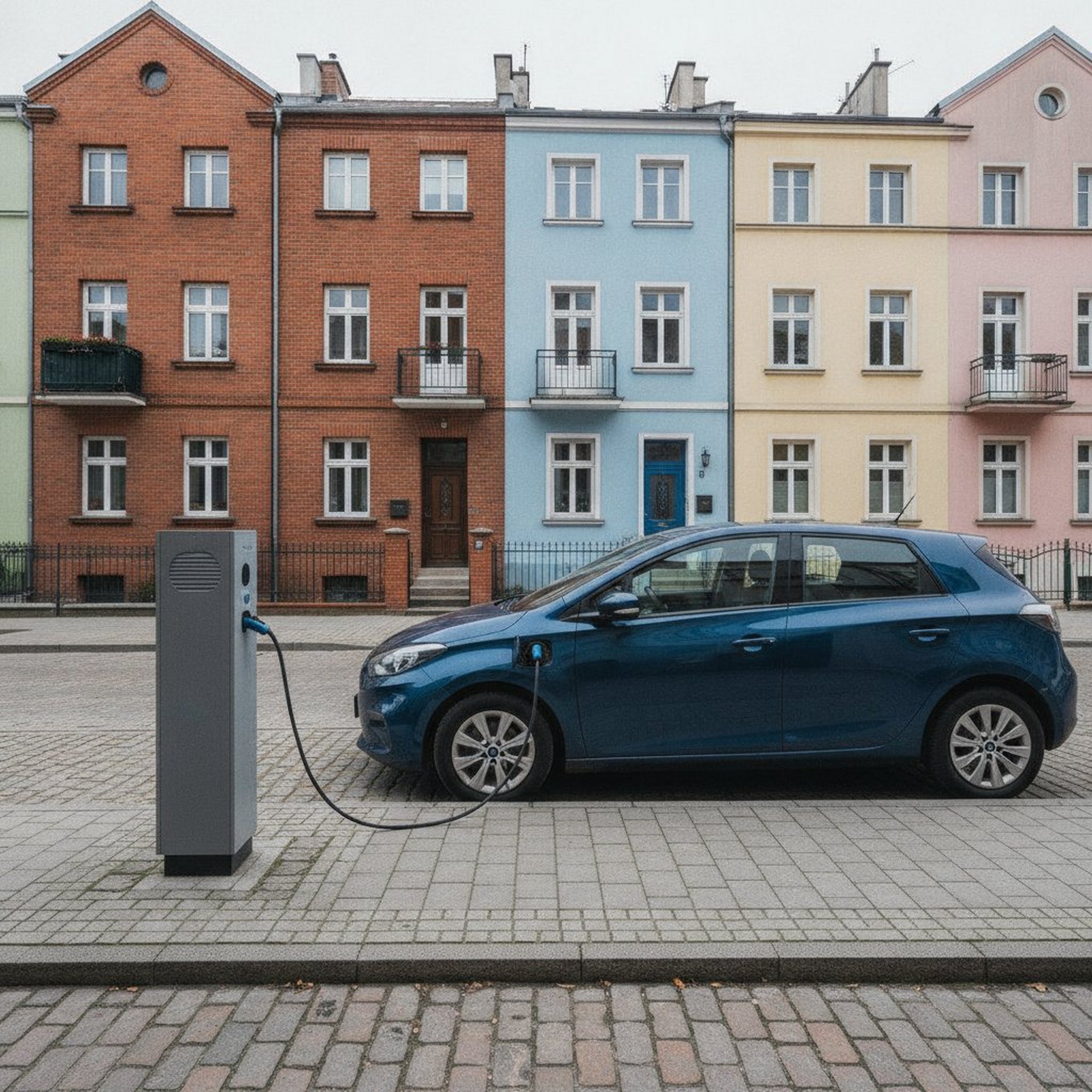
Poland's electric-car market is still modest in share but growing quickly, and that growth is what brings these three cars onto the same shortlist. Battery-electric cars reached around 6% of new registrations by early 2026, up from about 3% in 2024, and the country's electric fleet has passed 100,000 cars. Public charging has expanded to more than 10,000 points, around a third of them fast DC chargers, with high-power sites of 150 kW and above at nearly 350 locations. That matters for this comparison, because the charging-speed differences between these three show up on real Polish journeys.
Much of the premium used-EV stock in Poland is German and Dutch trade-in metal, funnelled in through hubs around Wroclaw and Krakow, and that is exactly where the Q4 e-tron, the EQA and the iX1 appear together. One clean correction is worth making before you budget: the NaszEauto grant does not help with used cars, so do not count a subsidy into a used purchase. For a buyer who searches premium electric SUV Poland, this is the moment the decision becomes real, and almost nobody lays it out in English.
Range and charging: where the Q4 pulls ahead
For most buyers, range and charging decide an electric SUV more than anything else, and this is where the three separate. We will use kilometres on the WLTP cycle as the main figure, because that is the standard a Polish buyer sees, but remember that real-world range is lower, especially at motorway speed and in winter. Treat WLTP as the brochure number and expect less in daily use.
WLTP range ranked, with a real-world haircut
The Audi Q4 40 e-tron, with its 77 kWh usable battery and rear-wheel drive, is the long-range leader at roughly 520 to 533 km WLTP. A cheaper entry Q4 35, with a smaller battery, sits well below that, so confirm which version a listing is quoting. The BMW iX1 eDrive20, with a battery of around 65 to 67 kWh, manages roughly 470 to 475 km, with the all-wheel-drive xDrive30 a little less. The Mercedes EQA 250, with a 66.5 kWh battery and front-wheel drive, ranges from about 420 to 560 km depending on the version and whether it is the updated 2024 model, which stretched the longest version toward the top of that band. The honest real-world picture is sharper still: in independent testing, the Q4 returned around 262 miles against the EQA's around 206, which shows the gap you should expect once you account for real driving. So phrase your expectations as what you should expect, not what you will get.
DC charging speed and 10 to 80% times
The Q4 e-tron also has the fastest DC charging peak of the three, up to around 125 kW on the 40 version, with some configurations cited higher. The EQA and the iX1 peak around 100 kW on DC. All three accept roughly 11 kW on AC home or destination charging. In practice, the time to charge from 10 to 80% is broadly comparable across the three, with the EQA around 37 minutes and the Q4 similar, but the Q4's bigger battery combined with its higher peak gives it the clear edge on a long trip, where you cover more distance per stop.
Here is how the three line up, as a reference. Figures vary by version and model year, so treat them as typical guides and confirm the exact variant.
| Model | Battery (usable) | WLTP range | DC peak | 10 to 80% |
|---|---|---|---|---|
| Audi Q4 40 e-tron | About 77 kWh | About 520 to 533 km | Up to around 125 kW | About 35 to 40 min |
| BMW iX1 eDrive20 | About 65 to 67 kWh | About 470 to 475 km | Around 100 kW | About 30 to 40 min |
| Mercedes EQA 250 | About 66.5 kWh | About 420 to 560 km | Around 100 kW | About 37 min |
Space and everyday usability
If you carry people and gear, the packaging matters, and here the Audi has a built-in advantage. The Q4 e-tron rides on a dedicated electric platform, which means there is no engine bay eating into cabin space, so it is the roomiest of the three inside and has the biggest trunk at around 520 liters. The BMW iX1 sits in the middle at about 490 liters, and it is a comfortable, well-packaged car. The Mercedes EQA is the tightest of the trio, with a trunk of about 340 liters and a snugger rear, a reminder that it is based on a platform shared with combustion models rather than a purpose-built electric one. For a family buyer, the Q4 is the practical pick, the iX1 is close behind, and the EQA asks you to accept less space for its lower price.
Battery health is the whole ballgame
This is the heart of any used-EV purchase, and it is where this comparison earns its place. On a used electric car, the battery is the most expensive component and the one that decides whether you bought a bargain or a trap. So the question is not just which car is nicest. It is how healthy the battery is in the specific car you are looking at.
How each one's battery is holding up
The good news is that all three age slowly. The Audi Q4 e-tron shows modest degradation, roughly 1 to 2% per year, which works out to about 10 to 15% over eight years or 100,000 miles for a home-charged car, and its drivetrain holds up well. Its real watch items are software and infotainment lag and occasional reboots, charging-ecosystem niggles around the onboard charger and charge port, and some early-build air-conditioning compressor issues. The BMW iX1 shows very low degradation, around 4% after 50,000 km, and is mechanically and electrically solid, with most early problems being software bugs fixed by over-the-air updates. The Mercedes EQA also degrades slowly on cars not affected by the recall described below. All three carry high-voltage battery warranties of roughly eight years or 160,000 km, and the remaining warranty on a used car is a real part of its value.
The Mercedes EQA battery recall, explained for a used buyer
Now the most important check for anyone considering a used EQA, told accurately and without drama. A battery-related safety recall affects EQA cars, and their EQB siblings, built roughly from early 2022 to mid-2024. In some markets, Mercedes is physically replacing the high-voltage battery pack. Where the pack is not replaced, the mitigation has, in some cases, involved software updates and a charge cap, and that fix has, in certain cases, meant longer charging times and a permanent range reduction of up to around 11%. This is not a reason to assume any EQA is unsafe, and it is not something to wave away either. The practical point is simple: if you are buying a used EQA from this build window, confirm the recall status, and find out whether the battery pack was replaced or whether it was limited by software. A car with a replaced pack is reassuring. A car with an unresolved recall is one to investigate before you pay. Degradation on un-recalled EQA cars is otherwise low.
What to ask for before you pay
For any of the three, three pieces of information decide the buy. Ask for a battery state-of-health read-out, which tells you how much capacity the pack has left. Ask how much battery warranty remains, because that is your protection against a future fault. And confirm the recall and software status, especially on the EQA. With those three answers, a used premium EV moves from a guess to a known quantity. Without them, you are buying blind.
What they cost used in Poland, and the German-import angle
Price is where the value picture comes together, and it explains why so many of these cars arrive as imports. New prices give the frame. A new Q4 e-tron in Poland spans roughly 189,000 to 254,000 PLN and up, depending on battery and trim, with catalog versions higher. Used examples sit well below that. The reason imports are common is that the same Q4 40 e-tron from 2022 or 2023 in Germany, the main source market, has been seen around the equivalent of the high-20,000s to around 34,000 euros, which is roughly 28 to 29% off the new price, and converting at the current exchange rate often undercuts local Polish listings. Used EQA prices on the Polish market span a wide band by year and trim.
A word of caution on the numbers. Premium used-EV prices move week to week, and the euro-to-zloty rate widens the bands further, so treat any single figure as illustrative. Anchor your budget to live listings at the time you buy, and if you import from Germany, convert the euro price at the current rate and add the diligence that an import involves. The headline is that imports often list lower, but the saving only holds if the car checks out, and on an EV that means the battery checks out.
Here is a reference frame for used pricing. These are illustrative bands, not quotes, and they shift, so confirm against live listings.
| Model | Typical used year | Battery | Reference price band | Notes |
|---|---|---|---|---|
| Audi Q4 40 e-tron | 2022 to 2023 | About 77 kWh | Often the equivalent of high-20,000s to mid-30,000s EUR as a German import | Best range, fastest charging |
| BMW iX1 eDrive20 | 2023 onward | About 65 to 67 kWh | Premium, newer model so prices hold higher | Lowest degradation worry |
| Mercedes EQA 250 | 2021 to 2024 | About 66.5 kWh | Wide band, often the value entry | Confirm recall status before buying |
Which premium electric SUV should you buy used?
Here is the verdict, with no fence-sitting, because the point of this guide is a clear recommendation tied to how you drive.
Buy the Audi Q4 e-tron for range, charging and space. It is the all-round pick. It goes furthest, charges fastest, and has the roomiest cabin and biggest trunk thanks to its dedicated electric platform. If you do longer drives or simply want the most usable electric SUV of the three, the Q4 is the one. Check for the software and charging niggles, and confirm which battery version you are buying.
Buy It Now
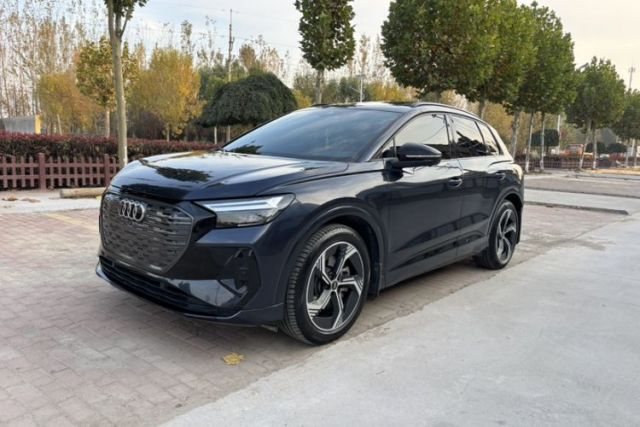
GradeAUsed Audi Q4 e-tron 2023 40 e-tron Creation Edition Midnight Certified DealerCertified Dealer
 Guazi InspectedGuazi Inspected
Certified DealerCertified DealerGuazi InspectedGuazi InspectedOriginal paint
Original paint
FOB Price:$21,772$21,872

Buy the BMW iX1 for the most polished drive and the lowest battery worry. It shows the least degradation of the three and feels the most resolved on the road. Where the premium over the Q4 is justified by your budget and you value a settled, high-quality car with minimal battery anxiety, the iX1 is the pick. Its early issues are mostly software, fixed by updates.
Buy It Now
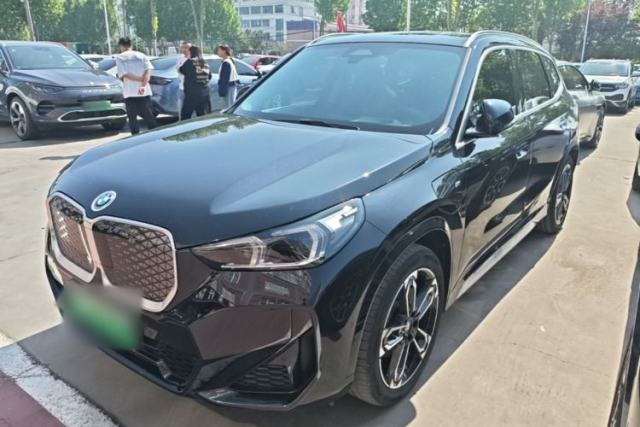
GradeAUsed BMW iX1 2023 eDrive25L M Sport PackageCertified DealerCertified DealerGuazi InspectedGuazi Inspected
Certified DealerCertified DealerGuazi InspectedGuazi InspectedFOB Price:$21,028$21,128
Buy the Mercedes EQA for value, but only with a clean, recall-cleared, health-checked battery. It is the value entry, and on a sound car it is a lot of premium badge for the money. The condition is that you must confirm the recall status, ideally with a replaced or properly resolved pack, and get a battery health read-out. Meet those conditions and the EQA is a smart-value buy. Skip them and it is the riskiest of the three. The space trade-off is real, so make sure the smaller trunk suits you.
Buy It Now
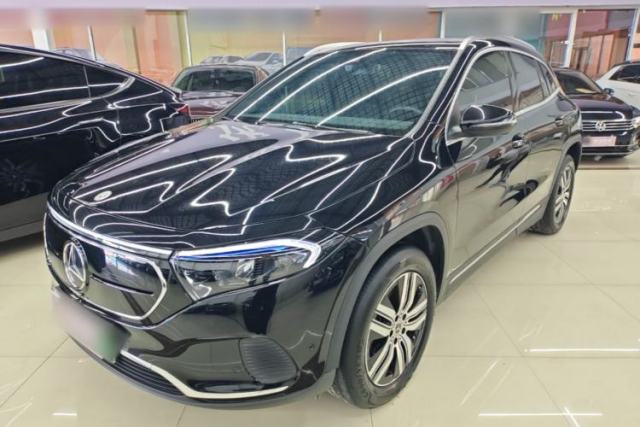
GradeAUsed Mercedes-Benz EQA 2022 EQA 260Certified DealerCertified DealerGuazi InspectedGuazi Inspected
Certified DealerCertified DealerGuazi InspectedGuazi InspectedFOB Price:$17,546$17,846
How Guazi approaches a used EV's battery and condition
The thread through this whole comparison is battery health, and that is precisely the variable a used new-energy platform is built around. Premium used EVs sit squarely in Guazi's core category.
Guazi is one of China's largest used-car platforms and the number one used new-energy-vehicle platform in its home market. Beyond a standardized multi-point inspection feeding a digital condition report, it offers an industry-first 100-day battery-decay guarantee for new-energy cars, which targets exactly the state-of-health worry these three raise. The EQA recall question, the Q4's software checks, the iX1's update history, all of these are the kind of thing a structured EV inspection records as verified data rather than leaving to chance.
The bottom line: Q4 e-tron vs EQA vs iX1 in Poland
- Audi Q4 e-tron: the all-round winner on range, charging and space, the default pick for most Polish buyers who want the most usable electric SUV.
- BMW iX1: the most polished drive with the lowest degradation worry, worth the premium for a settled, high-quality car.
- Mercedes EQA: the value entry, but only a smart buy with a clean, recall-cleared and health-checked battery, and a smaller trunk to accept.
- The deciding check: battery state of health plus remaining warranty, which matters more than the badge on any used EV.
Summary
In Poland in 2026, the premium used electric SUV choice really has come down to these three German badges, and they sort cleanly once you ignore the badge and look at how each one drives and ages. The Q4 e-tron goes furthest, charges fastest and carries the most, which makes it the all-round pick. The iX1 is the polished, low-worry choice for those who can justify the premium. The EQA is the value entry, sound on a clean car but only after you confirm the battery recall is resolved and the pack is healthy. Across all three, the one check that decides everything is the battery: its state of health, its remaining warranty, and on the EQA its recall status. Get those answers, anchor your budget to live listings, and you can buy any of the three with confidence.
Related stories
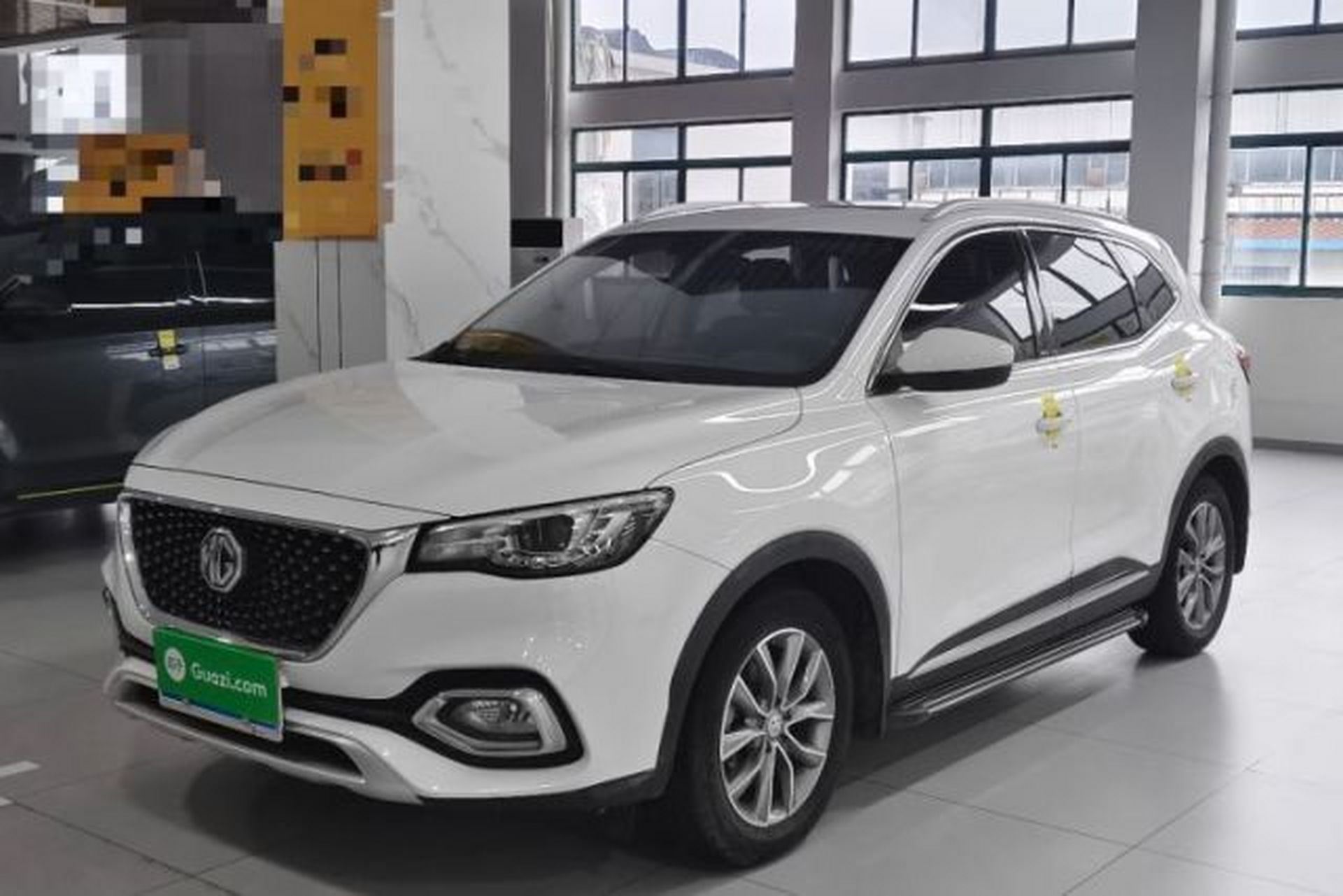
Guazi Used Cars
Ready to source an inspected used car from China? Browse Guazi's export-ready inventory


About Us
Follow US


Copyright © 2015~2026 https://ylqc.guazi.com/, Yilanqunche Automobile Services (Shanghai) Co.,Ltd. All rights reserved.