
Guazi
GlobalEnglish


What a Used JAC J7 Really Offers Algerian Buyers and What to Check First
Article OverviewA used JAC J7 buyer's guide for Algeria: the honest value case, the CVT and real fuel-use truth, DZD price bands, what to inspect, and whether you can import one in 2026.
Quick answers
- Is a used JAC J7 a good buy? Yes, if the specific car checks out. It offers strong value and equipment, but its long-term record is still young, so condition and service history matter more than the badge.
- What does it cost in Algeria? The new J7 sits in the low millions of dinars as the ceiling. Used examples fall below that by year and mileage. Treat any figure as a range and confirm with a current dealer or listing.
- Are the CVT problems serious? They are a known character trait, not a widespread failure. The car can hesitate at low speed. A proper inspection of the gearbox behavior tells you if a given car is sound.
- What is the real fuel use? Expect roughly 12 to 13 km per liter in city driving, closer to the claimed figure only on the highway.
- Can you import a used one? Yes. The J7 is petrol, so it clears Algeria's diesel ban, but the under-three-years rule and the one-car limit still apply.
The JAC J7 gives you a wide, well-equipped car for a low price, and on an Algiers street it looks like something that should cost more. JAC also has a real presence here, with an authorized dealer and a long new-car warranty, so there is a growing pool of used examples and a known price to measure them against. For a used buyer, the checks are few and specific. You need to understand how the CVT gearbox behaves at low speed, what the car actually uses for fuel, and how thin the independent repair network still is. Guazi sits in this story as the from-China inspection lens, because a used JAC J7's supply is in China and the worry every buyer has is whether a Chinese sedan this young will hold up.
This guide walks through the value case, the honest gearbox and fuel story, what a used J7 costs, what to check, and the import route. It is written for the buyer comparing a used Chinese sedan against the quiet question of whether it will last.
A fastback sedan that looks above its price
Start with what the J7 gets right, because it is a genuine value story. This is a C-segment liftback sedan, close to 4.8 meters long, with a wide stance and a roofline that slopes into a practical hatch-style tailgate. That shape gives you a large opening and a flat load floor, which is more useful than a normal sedan boot when you carry bulky items. It seats five, and the rear bench splits 60:40.
The equipment is where the J7 makes its case. Even mid-trim cars come with a large touchscreen, Apple CarPlay and Android Auto, leather seats, a sunroof, push-button start, and front and rear armrests. You would pay more for that list in a Toyota or a Volkswagen of the same size. The one honest gap is driver-assistance technology, which is light compared to newer rivals. If you want full adaptive cruise and lane keeping, the J7 is not the leader.
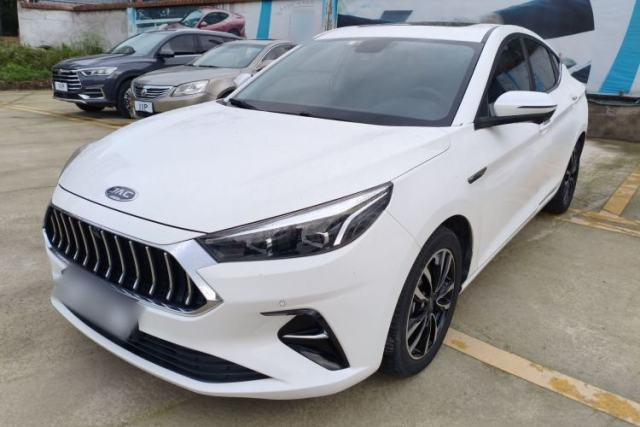
The 1.5-liter turbo on the road
Under the hood is a 1.5-liter turbo-petrol engine making around 150 horsepower, paired with a CVT automatic. For daily driving around Algiers or Oran, this is enough. The car pulls cleanly in normal traffic and cruises comfortably. It is not a fast car, and it can feel short on power when you ask for a hard overtake at higher speed, but for commuting and family use the engine does its job. Note that some local listings mention a different engine size. The widely documented specification is the 1.5-liter turbo, so confirm the exact engine on the specific car before you buy.
The CVT and fuel-economy truth, told straight
This is the part most reviews skip, and it is the part that protects your money. The J7's gearbox is a CVT, and CVTs trade sharp response for smoothness and efficiency. On the J7, owners report a hesitation at low speed, a small pause or stumble when you pull away from a stop or crawl in traffic. It is a known trait of this gearbox, not a sign that the car is broken. Once you are moving, it smooths out.
What the low-speed hesitation feels like
On a test drive, drive the car the way you will use it. Pull away from rest several times. Crawl in slow traffic. A healthy J7 will feel a touch lazy off the line and then settle. What you do not want is harsh shunting, slipping where the engine revs climb but the car does not respond, or any whine that rises with speed. Those point to a gearbox that has been worked hard or poorly maintained, and CVT repair is expensive.
Why your real fuel use will sit above the claim
The official economy figure is optimistic. Owners consistently report real city use of roughly 12 to 13 km per liter, with the claimed figure only reachable on a steady highway run. Budget for the real number, not the brochure number. This is normal for a turbo car of this weight, but it is worth knowing before you buy so the running cost does not surprise you.
The checks that separate a sound J7 from a tired one
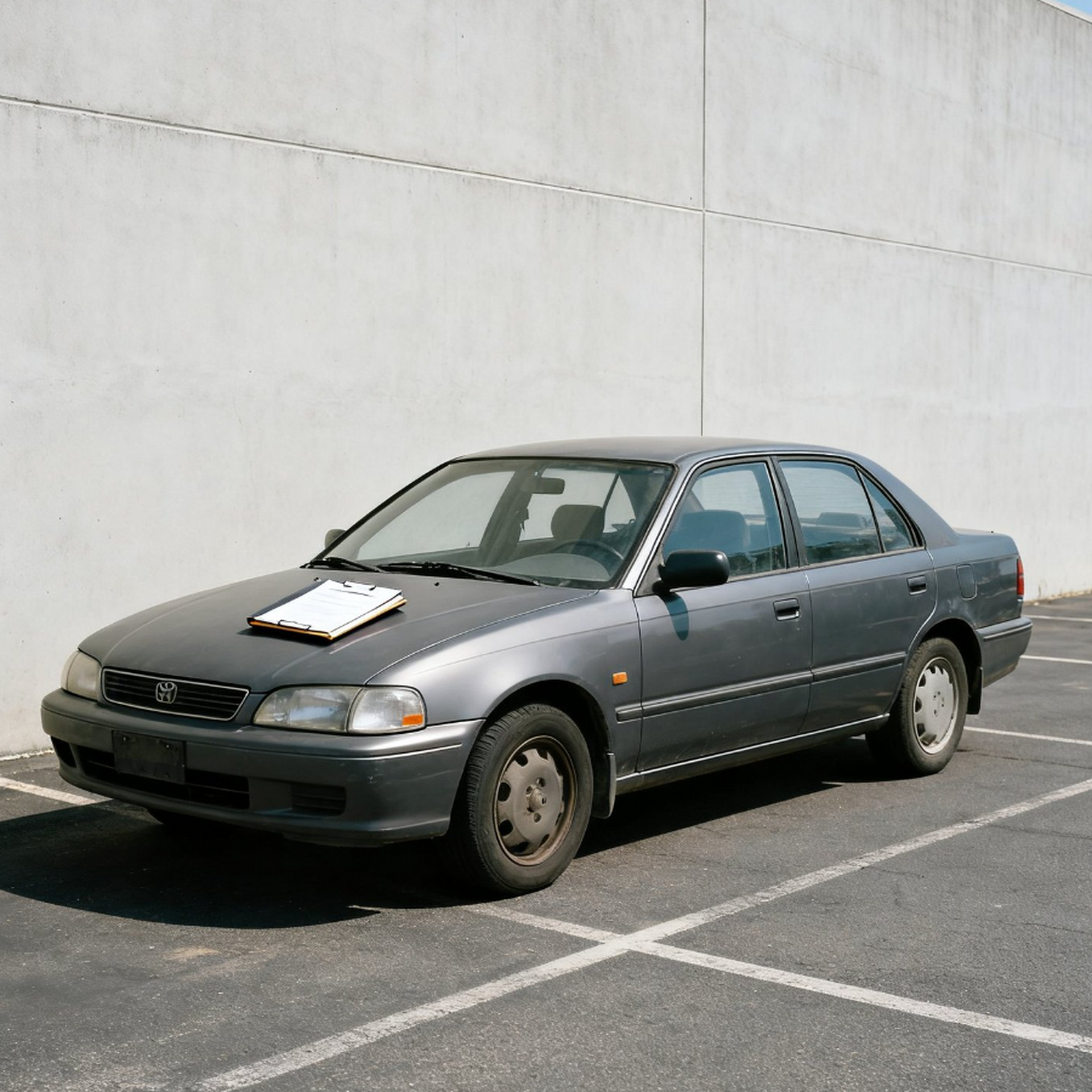
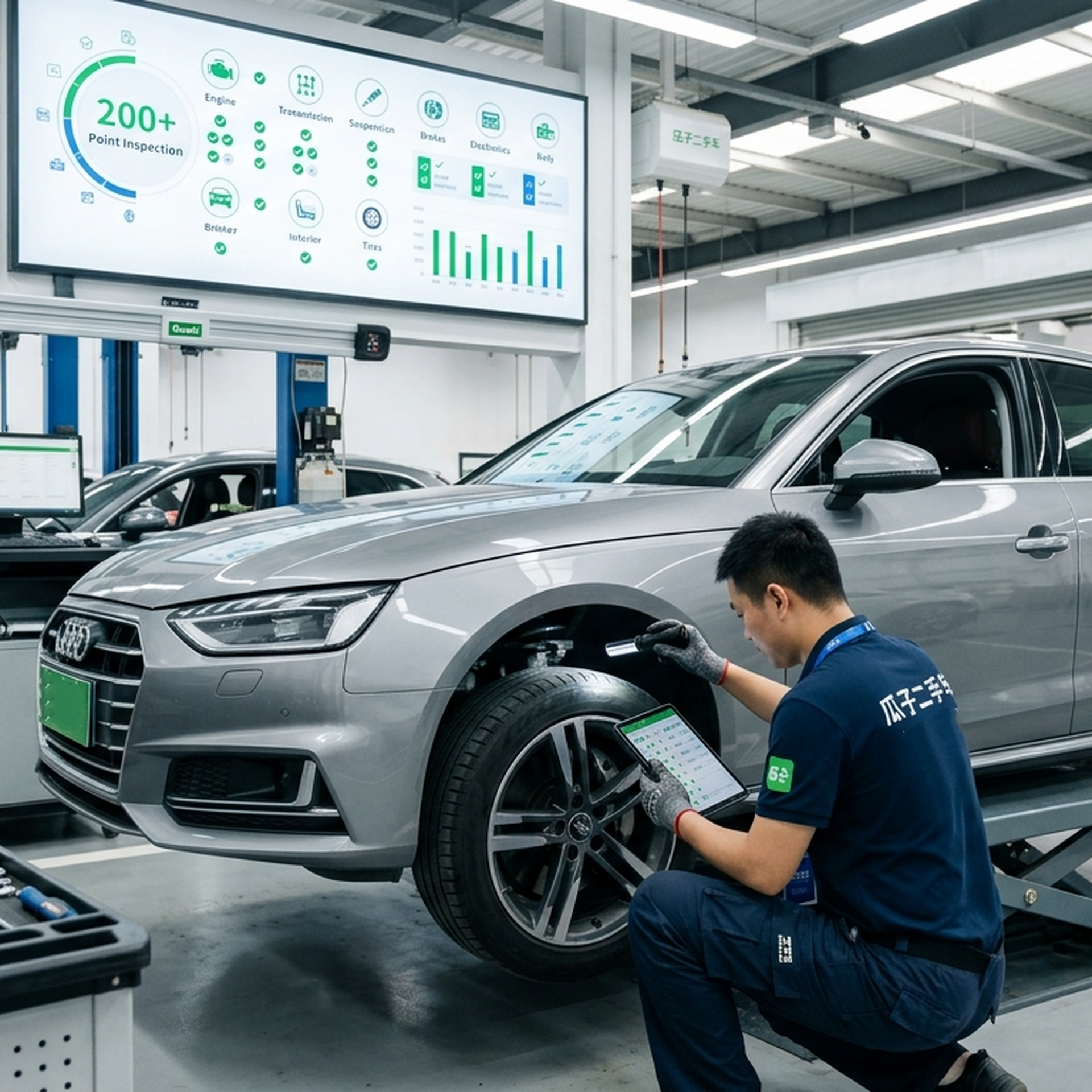
Because the long-term record on this car is young, a documented history matters more than usual. You want proof of regular servicing, ideally at an authorized center, and a gearbox that behaves on a proper test. This is exactly where a careful inspection matters most. Every car Guazi handles goes through an inspection of over 200 points feeding a digital condition report, which means the CVT behavior, the service record, the electronics, and the engine state are written down as verified data rather than guessed from a listing photo. On a Chinese sedan whose reputation is still being built, that report is the difference between a clever buy and a costly mistake.
Buy It Now
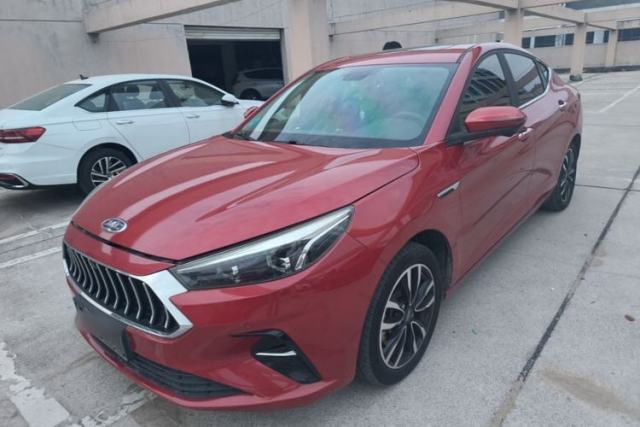
GradeAUsed JAC Group J7 2020 1.5T CVT Dream Edition Certified DealerCertified Dealer
 Guazi InspectedGuazi Inspected
Certified DealerCertified DealerGuazi InspectedGuazi InspectedFOB Price:$5,942

Reliability and the service-network question
Be honest about reliability, because the honest version is more useful than a clean bill of health. The J7 has no major recalls reported for this generation, and many owners are happy. At the same time, long-term durability data is genuinely thin, and a minority of owners report electrical or sensor niggles. The fair way to read this is that the car is promising but unproven over high mileage.
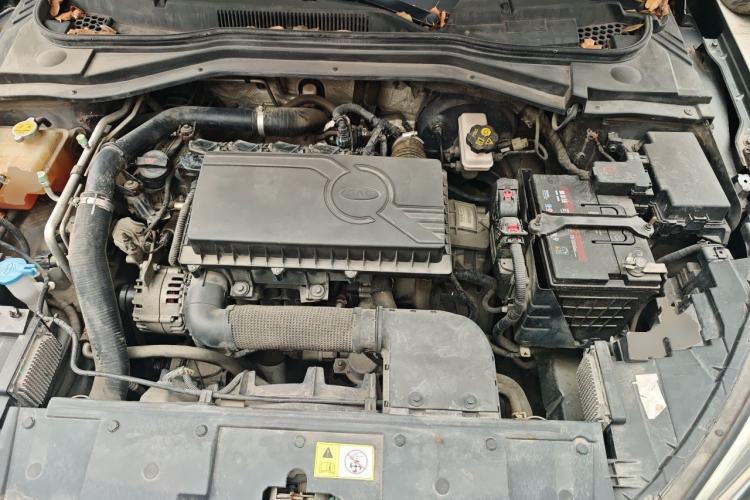
Open the hood and check the service records carefully, since the J7's long-term reliability is still young and a clean history is your best protection.
The bigger ownership factor is the repair network. Independent mechanics who know the J7 well are still rare, and work on the ECU or the CVT often needs an authorized center. The long local new-car warranty, commonly cited at around six years, softens this for newer cars, but a used buyer should plan to use official service for the complex work. Factor that into your decision the same way you would factor in parts cost for any car.
What a used JAC J7 costs in Algeria right now
Price is the reason most people search for this car, so here is the honest frame. The new J7 is the top of the range, in the low millions of dinars depending on trim. Used examples sit below that, and how far below depends on year, mileage, and condition. Algerian price data moves and varies by source, so use the table below as a shape, not a quote, and confirm against a current dealer or a live listing before you commit.
| Condition | Rough guide | What you are looking at |
|---|---|---|
| New (top of range) | Low millions DZD | Full warranty, latest trim, dealer car |
| Lightly used, under 2 years | Below new, modest drop | Most warranty left, low mileage, best used value |
| Older or higher mileage | Larger drop | Check CVT and history closely, warranty may be partial |
The sweet spot for most buyers is a lightly used car that still carries warranty, because it cuts the biggest risk on an unproven model while saving real money against the new price.
Importing a used JAC J7 into Algeria in 2026
If you are buying from outside the country, the J7 has one clear advantage. It is a petrol car, so it clears Algeria's ban on diesel imports, which rules out many older European cars. That makes it eligible where others are not. The rest of the rules still apply, and they are strict.
The under-three-years window and the one-car rule
Algeria allows individuals to import a used car only if it is under three years old, and generally one vehicle per person within the allowed period. The J7 is recent enough that clean, low-mileage examples fall inside this window, which is part of why it works as an import. Confirm the exact age math for your specific car and year with customs, since the cutoff is measured precisely. For the full rules, see our guide on Algeria's used-car import rules for 2026.
Petrol clears the diesel ban, and the resale-tax catch
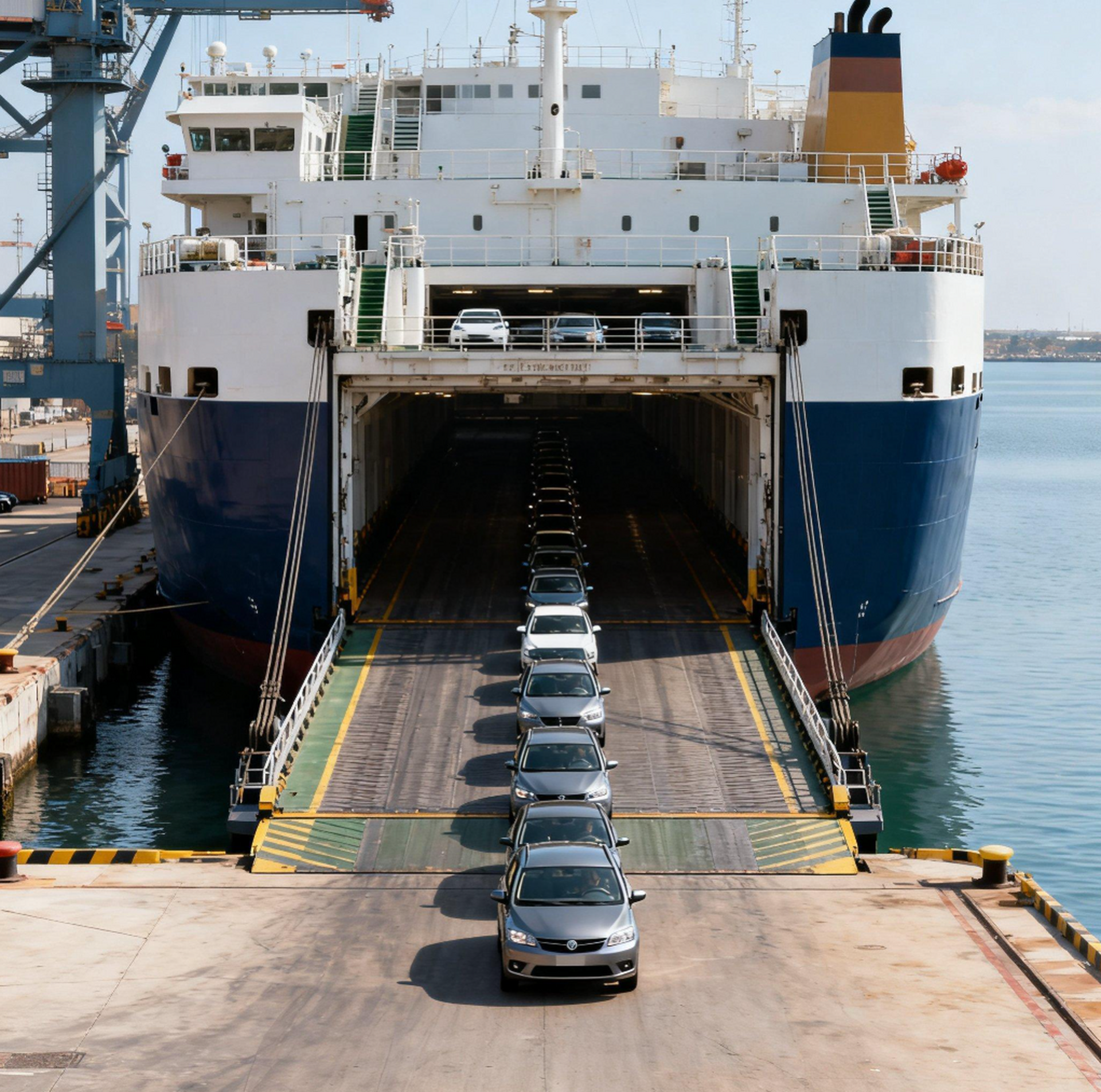
Clearing the diesel ban is a real positive, but do not treat an import as a quick flip. If you use any tax relief, Algeria applies a resale clawback on a sliding scale within the first three years, so plan to keep the car rather than resell it fast. The full cost of landing a car, including duty, VAT and fees, is its own subject. We break the numbers down in how much it costs to import a used car to Algeria, and the freight side in shipping a car from China to Algeria.
How the J7 compares for cross-shoppers
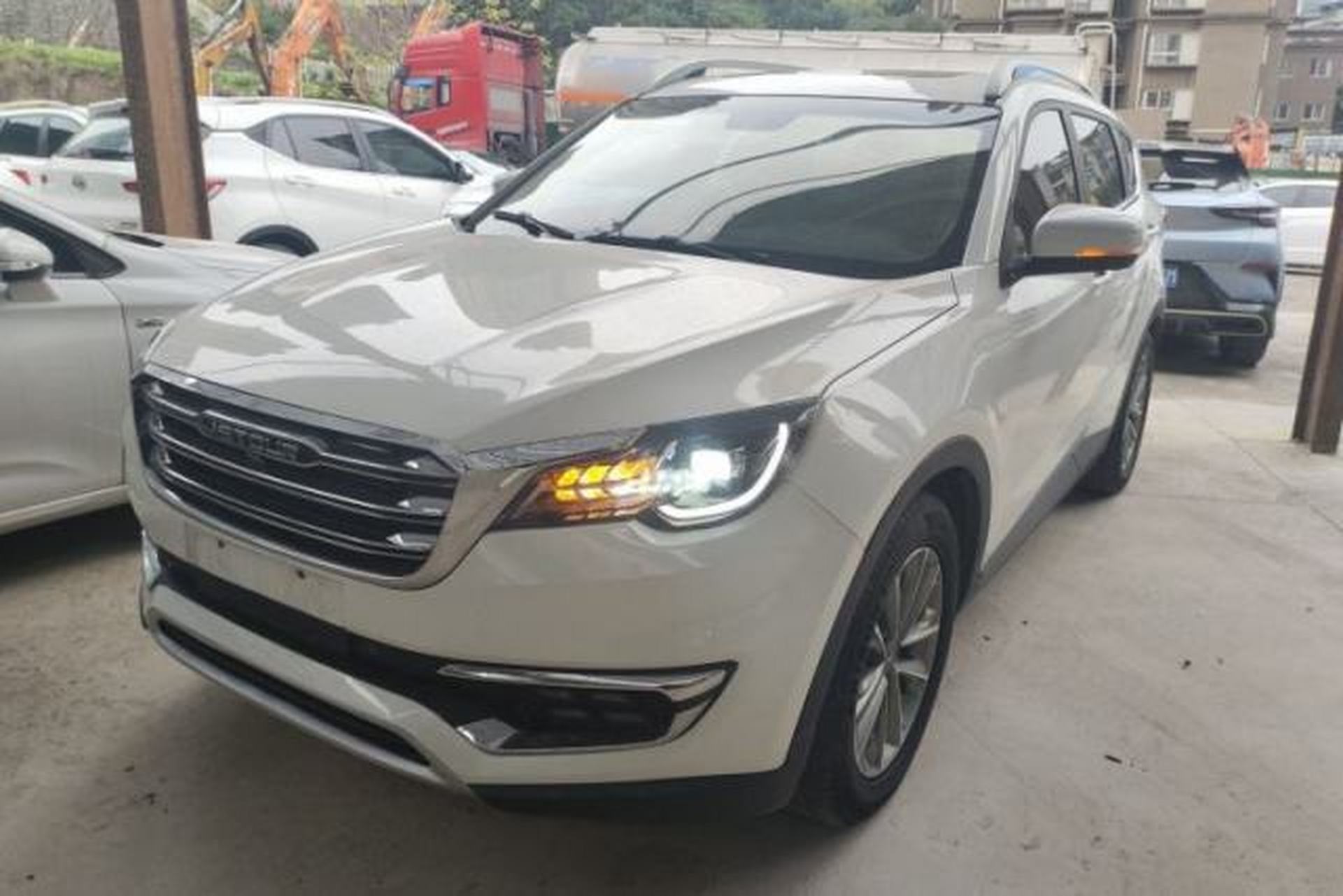
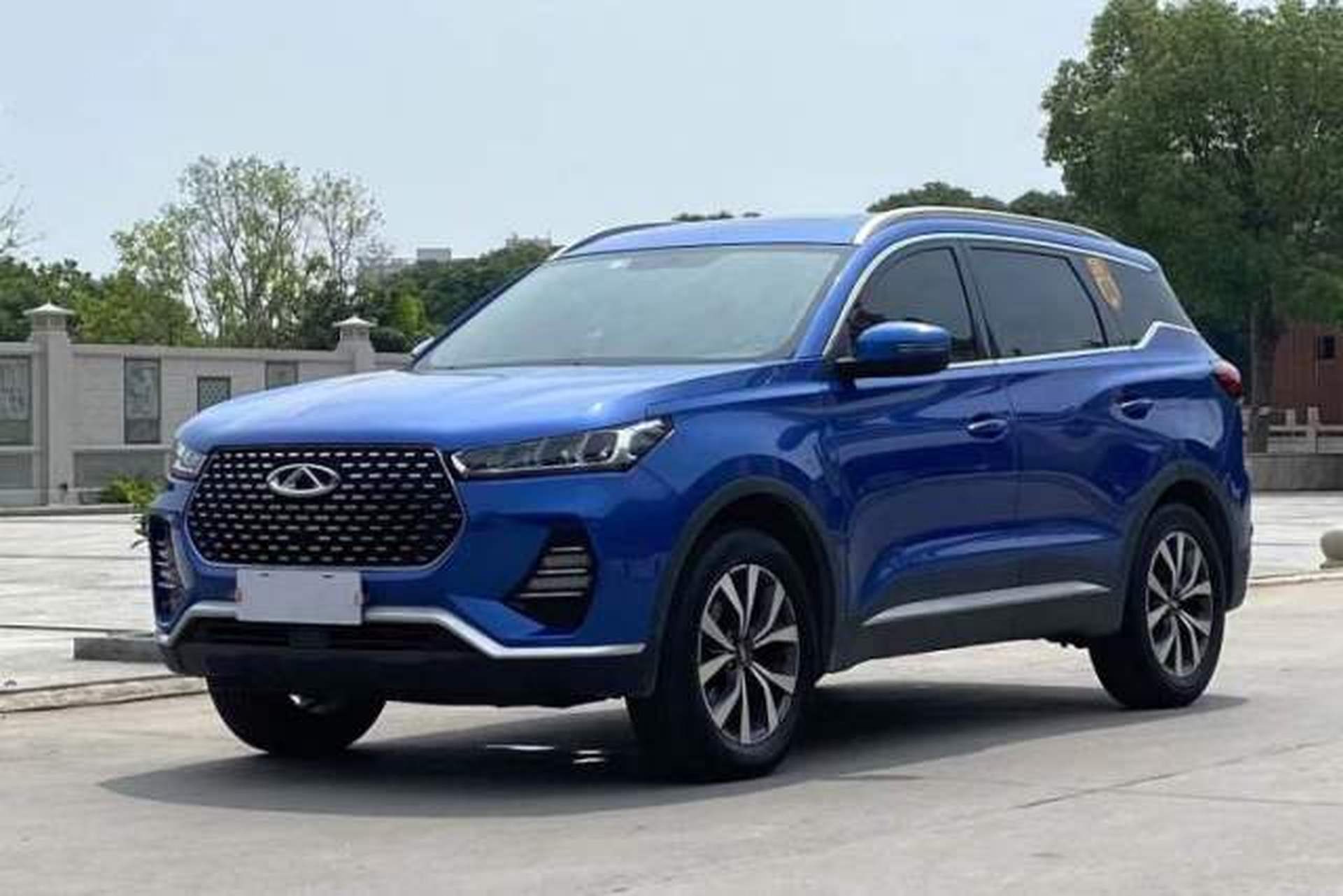
The J7 does not exist alone. If you like it, you are probably also looking at other China-built cars that import well into Algeria. The Jetour X70 is the better choice if you need seven seats and a higher driving position, trading the J7's low sedan shape for family space. The Chery Tiggo 7 and the Geely Coolray are the compact-SUV alternatives if you want a raised ride rather than a low sedan, and BYD's used hybrid and electric options are worth a look if fuel cost is your main concern. For the full field, our Top 6 Chinese used cars Algerians are importing sets them side by side. The J7's pitch among these is simple. It is the one that looks the most like a premium sedan for the money, as long as you are comfortable with a low car and you check the gearbox.
Sourcing an inspected used JAC J7 through Guazi
Here is where the from-China angle matters. A used JAC J7's supply sits in China, where the car has sold in volume, so the deepest pool of clean, well-documented examples is there. Guazi is one of China's largest used-car platforms, and every car it exports carries an inspection of over 200 points and a full condition report. For a Chinese sedan whose long-term record is still young, that verified report is the most direct answer to the one real worry: is this specific car sound. You see the CVT behavior, the service history, and the electronics state before you commit, not after.
See inspected Chinese sedans ready for export →
The verdict, in one line each
- Value: a lot of sedan and equipment for the money, clearly above its price on looks and kit.
- Body type: a liftback sedan, not an SUV, with a practical hatch tailgate.
- The catch: a CVT that hesitates at low speed and real fuel use above the claim.
- Reliability: promising but unproven, so a documented history and an inspection matter most.
- Import: eligible because it is petrol, inside the under-three-years window for recent cars.
- Best buy: a lightly used, inspected example that still carries warranty.
Summary
The used JAC J7 is one of the easiest Chinese sedans to recommend on value, as long as you buy carefully. You are getting a wide, well-equipped, good-looking liftback for less than the established names, with a real dealer presence in Algeria and clear eligibility to import. The price of that value is a gearbox you should test carefully, a fuel figure you should read realistically, and a service network you should plan around. Settle those with a proper inspection and a clean history, and the J7 makes a strong case for your money.
Ready to source an inspected used car from China?
Access 200,000 verified vehicles monthly. Bid in real-time and secure bulk inventory at highly competitive market rates.
About Us
Follow US


Copyright © 2015~2026 https://en.guazi.com/, Chongqing Guazi Enterprise Consulting Service Co., Ltd. All rights reserved.