
Guazi
GlobalEnglish


Three Very Different Doors for Used Cars from China, and Which One to Knock On in 2026
Article OverviewA grounded 2026 comparison of Algeria, Poland and Georgia for used cars from China: policy, demand, body-type fit and clearance friction, and why each rewards a different play.
Read this first. Trade policy moves fast in all three markets, the official body is the authority. Algeria's age cap, Poland's excise and VAT bands, and Georgia's 2026 excise reset are all live and revisable, so every rule below is current as of mid-2026 and given as a reference point, not a ruling. Policies change, so confirm with the relevant authority, Algeria Douanes, Poland's PUESC, or the Georgia Revenue Service, before you ship. Guazi is the China-side sourcing and inspection layer, not your customs broker in any of these countries, and the brand and body-type figures here are market estimates rather than official registry data.
China is exporting used cars at a pace that would have looked impossible a few years ago, and that single fact is what puts "export used cars from China" in your search bar. A domestic vehicle surplus and a freshly opened export trade have pushed shipments sharply higher, and now all that stock is looking for somewhere to land. Which means the real question hiding behind the head term is not how to put a car on a boat. It is where to send it. The instinct is to treat the world as one export market with one set of rules, but it is not, and the three destinations in this guide prove the point by pulling in three completely different directions. Algeria keeps a tight, age-capped door with real hunger behind it. Poland is a mature EU market that mostly feeds itself. Georgia has leaned all the way into being the region's open re-export hub. Lay them side by side and the honest takeaway writes itself: there is no single best market, there are three doors, and each one rewards a different play. So this guide does the comparison nobody else seems willing to do with a straight face, because the competing pages each cover one country and sell one service. We look at policy friendliness, real demand, body-type fit and clearance friction across Algeria, Poland and Georgia, all from the angle of a China-origin seller, and we end on which seller each market actually suits. The figures are current to mid-2026 and the rules in every one of these markets move, so treat them as a decision map to verify, not a final word.
The China side first: why there is so much used stock to export in 2026
Before picking a destination, it helps to understand why the supply exists, because the surplus is the engine behind this whole question. China spent years building a domestic car market at enormous scale, and the used vehicles coming off that fleet now far exceed what the home market absorbs, so the export valve has opened wide. China used car export 2026 is really a story about that valve, and it has two parts: a trade that was deregulated, and a fresh set of rules layered on top to keep it clean.
From a 30-company pilot to a nationwide trade
For years, used-car export from China was a narrow privilege. A pilot scheme launched in 2019 let only around 30 approved companies export at all, which kept volumes modest and the channel tightly controlled. That changed in February 2024, when the trade was opened nationwide and the pilot's company cap fell away. The effect was immediate and large. Used-car exports reached roughly 436K units in 2024, up about 58.5% in a single year, with 2025 projected toward 500K to 600K units. That jump is the surplus finding its exits, and it is why a credible China-side supply chain suddenly matters to buyers everywhere.
The 2026 rule changes every exporter should plan around
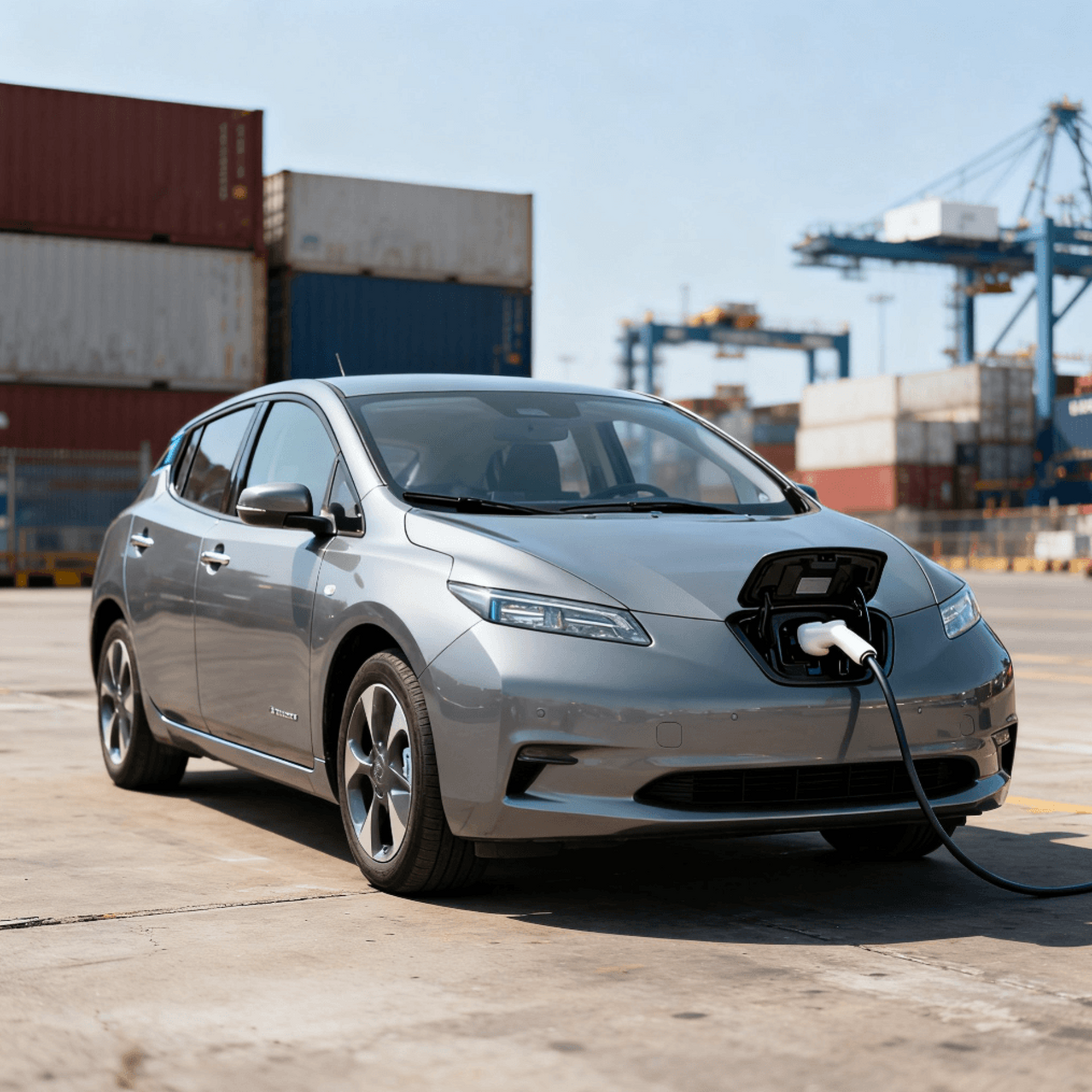
Opening the trade did not mean removing the rules. From January 1, 2026, Beijing tightened the edges to close a loophole where brand-new cars were being passed off as used exports. Two changes stand out for anyone sourcing from China. Cars registered for under 180 days now need an after-sales service confirmation from the manufacturer before they can be exported, which is aimed squarely at the "zero-kilometre used car" trick. And all battery-electric passenger cars headed for export now require an official export license. Neither rule blocks legitimate trade, but both add paperwork, and both reward working with a source that handles export documentation properly rather than improvising it at the port.
Algeria: a tight door with real hunger behind it
Algeria is the market that frustrates and tempts in equal measure. The demand is genuine, the population is large and car-hungry, and Chinese brands are gaining ground, but the import rules are some of the strictest in this comparison, so the door only opens for cars that fit a narrow profile. Get the profile right and there is margin to be made. Get it wrong and the car cannot clear.
The under-3-year age cap and the one-car-every-three-years reality
The defining rule is age. For ordinary residents, an imported used car must generally be under 3 years old, and the age is judged at clearance, not at purchase, so a car sitting right on the line can drift over it during transit. There is also a frequency cap, generally one vehicle every 3 years per resident, paid for in foreign currency, which keeps the channel firmly on the personal-use side rather than open bulk trade. The 2026 Finance Law adds a narrow exception for returning citizens with a Change of Residence Certificate, who may bring a car up to 5 years old, and resale carries a tiered tax-rebate clawback, reportedly 100% if resold within 12 months, 66% within 24 and 33% within 36. Talk of banning sub-3-year imports has circulated, but it is not formal law, so verify the current cap with Algerian Customs before you buy.
What Algeria actually buys: diesel country, value brands, compact SUVs
Demand in Algeria has a clear shape, and it does not perfectly match what is easy to export. Market estimates put diesel at around 68% of the fleet, helped by fuel subsidies, with gasoline near 28%, and buyers favor compact SUVs and hatchbacks at accessible price points. The complication for a China-origin seller is that individual diesel imports face restrictions, so the practical export play skews toward petrol and hybrid compact SUVs from rising Chinese brands such as Haval, Jetour and similar names, which are exactly the cars gaining visibility on Algerian roads. Treat the percentages as market estimates rather than official figures, and screen for the age and fuel rules first, because a car that misses either is a non-starter regardless of demand.
Poland: a mature EU market that mostly feeds itself
Poland is the honest hard market of the three, and it is worth being clear-eyed rather than hopeful about it. The demand is huge, Poland imports a vast number of used cars every year, but the supply chain that feeds it runs almost entirely inside the European Union, and the rules make a direct China-to-Poland used-car export structurally difficult. This is a mature market, not an open one, and treating it like a frontier is how exporters lose money.
Why most of Poland's used cars come from Germany, not China
The scale is real. Poland imported roughly 857.6K used passenger cars in 2025, down about 2.8% year on year, and the average imported car is around 13 years old, one of the oldest fleets in the EU. But look at where those cars come from and the China opportunity narrows fast. Roughly one in five is imported from Germany, followed by France, Belgium and the Netherlands, all intra-EU sources that move freely across borders with no customs duty and short, cheap transport. A used car from China is competing against a frictionless German supply right next door, which is a hard race to win on landed cost before the paperwork even starts.
Akcyza, VAT and the sworn-translation friction on a non-EU car
The EU border is the second obstacle. A car imported into Poland from inside the EU pays the excise duty known as akcyza, set at 3.1% under 2000cc or 18.6% over, plus VAT in the 22% to 23% range. A car coming directly from China, a non-EU origin, adds roughly 10% customs duty plus the 23% VAT on top, and it must clear with a sworn-translator rendering of all the documents. Stack the intra-EU price competition, the extra duty and the translation friction together, and the read is consistent: Poland is a mature, high-volume market that is genuinely tough to crack direct from China, and it makes sense mainly for sellers who already have EU-side structure to work through, not as a cold direct-export target.
Georgia: the open re-export hub of the Caucasus
Georgia is the most China-friendly of the three, and it plays a role the other two do not. Rather than being a final destination, Georgia functions as the open re-export hub for the Caucasus and Central Asia, taking cars in through its Black Sea ports and sending a large share onward to neighboring markets. For a China-origin seller, that combination of light import friction and strong onward demand is the most accessible door in this comparison.
Poti, minimal model-year limits, and the 2026 excise reset
Two things make Georgia work as a hub: an open import regime and the port capacity to handle volume. Georgia has kept model-year limits minimal, and Poti, its largest port, handles around 80% of the country's container traffic, which makes it the natural auto gateway. The cost side reset in 2026. A planned ban on cars over 6 years old was dropped and replaced from April 2, 2026 with a tiered excise based on engine size, reportedly 1.5 GEL per cm³ for cars up to 6 years and 4.5 GEL per cm³ for older cars, a sharp step up, with right-hand-drive vehicles charged at a higher multiple and EVs exempt from the excise. The takeaways for a China-origin seller are concrete: newer cars and left-hand-drive stock are favored by the excise structure, and EVs get a real advantage. Confirm the current schedule with the Georgia Revenue Service before shipping, because this is exactly the kind of figure that moves.
Where the cars go next: Central Asia demand pull
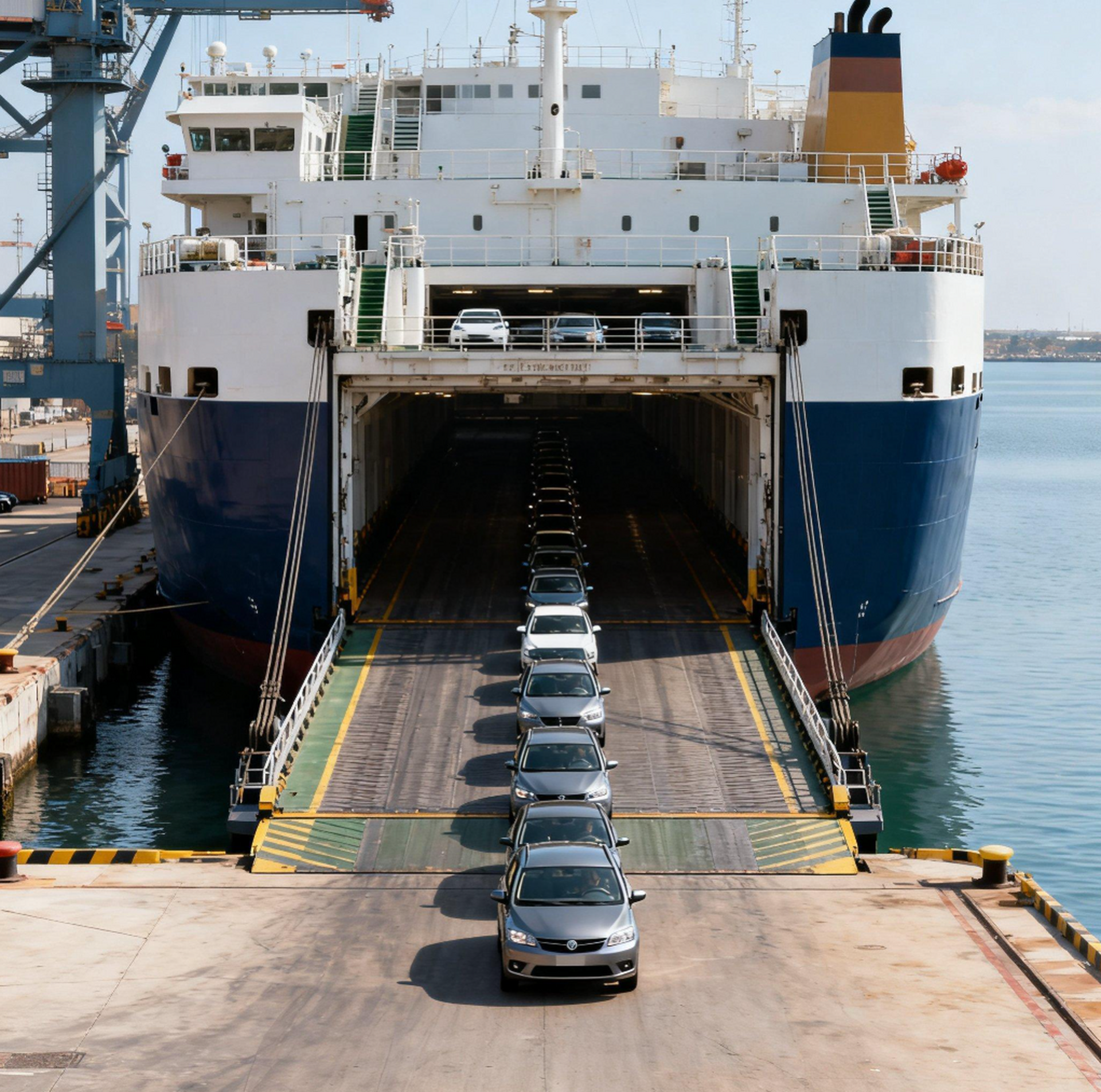
The reason Georgia absorbs so many cars is that most do not stay. Georgia re-exported a record figure of roughly 93K vehicles in the first ten months of 2025, and the onward pull comes from Central Asian markets, with strong demand growth to Kazakhstan, Tajikistan and Uzbekistan among others. For a China-origin seller, the practical meaning is that Georgia offers both an open front door and a deep onward market, which is why it suits volume. It is worth framing this for what it is, a legitimate Caucasus and Central Asia distribution hub serving real regional buyers, and matching your stock, newer, left-hand-drive, and increasingly electric, to what that onward demand actually wants. The shipping side of this route, how a car gets from China to Poti or Batumi in the first place, is covered in our China to Georgia shipping guide.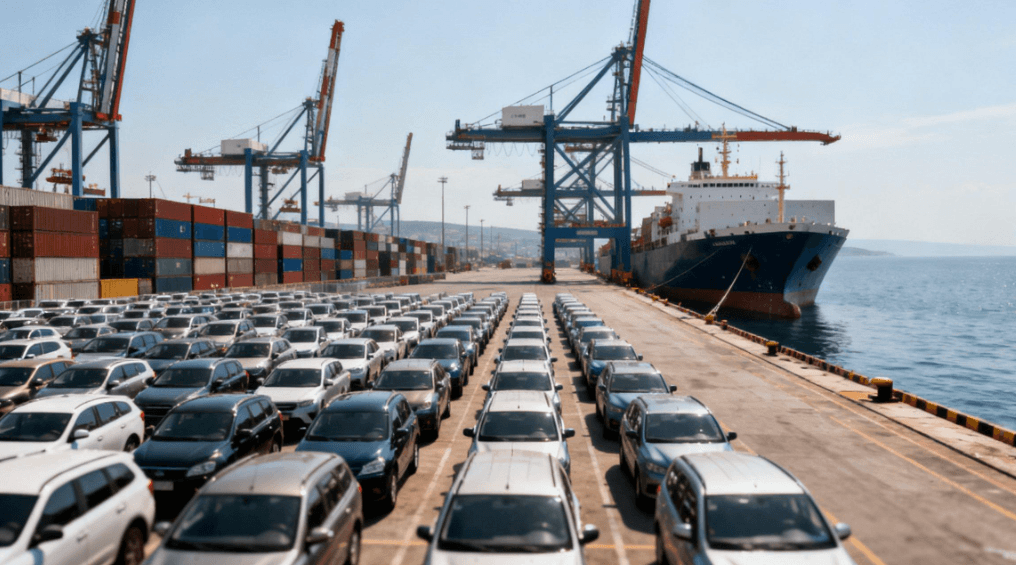
Three markets, side by side
Here is the comparison readers come for, condensed into one view. The figures are mid-2026 reference points and the policies move, so confirm anything you act on with the relevant authority.
| Market | Policy friendliness (China origin) | Demand picture | Body-type and fuel fit | Clearance friction | China-export fit |
|---|---|---|---|---|---|
| Algeria | Tight, under-3-year age cap, one car per 3 years | Genuine and large, value-driven | Petrol and hybrid compact SUVs and hatchbacks, diesel restricted for individuals | High, foreign-currency payment, conformity, narrow eligibility | Margin if you fit the age and fuel profile |
| Poland | Mature EU market, structurally hard direct from China | Huge volume but fed from inside the EU | Broad, but competing against frictionless German supply | High for non-EU, ~10% duty plus 23% VAT plus sworn translation | Mainly for sellers with existing EU-side structure |
| Georgia | Open, minimal model-year limits, 2026 tiered excise | Open front door plus deep Central Asia onward pull | Favors newer, left-hand-drive, EVs excise-exempt | Lower, Poti handles the volume | Best of the three for volume and openness |
So where should a China-origin seller start?
The comparison does not crown a single winner, because the right answer depends on what kind of seller you are, and that is the honest version of the advice. If you want volume and the lowest friction, Georgia is the clearest starting point. Its open import regime, the capacity at Poti and the strong onward pull into Central Asia make it the most accessible door for China-origin stock, especially newer, left-hand-drive cars and EVs that suit both the 2026 excise structure and regional demand. If you can fit the narrow profile, Algeria is where the margin lives. The under-3-year cap and the fuel rules rule out a lot of cars, but the demand behind the door is real, and a petrol or hybrid compact SUV from a rising Chinese brand, correctly aged and documented, can do well. Poland is the one to approach with caution. The market is large and mature, but intra-EU supply, EU import duties and the sworn-translation friction make a cold direct-from-China play genuinely tough, so it makes sense mainly if you already have EU-side structure to route through. One surplus, three doors, three different plays.
If you want to go deeper on the electric and hybrid cut of this question, where the demand, charging realities and tariff barriers differ market by market, that is its own story, covered in our used Chinese EV and hybrid export guide.
Sourcing and inspecting the China side with Guazi
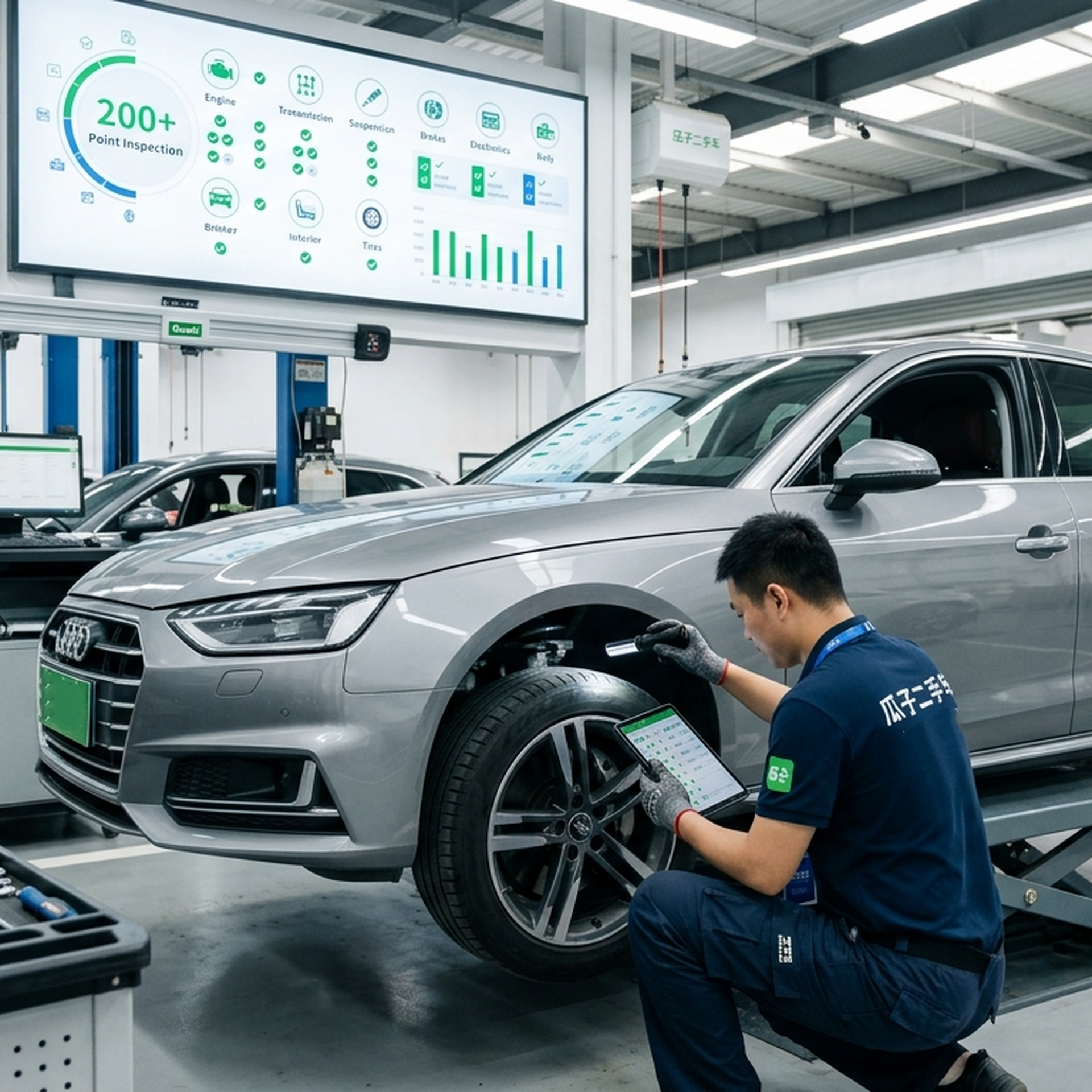
Whichever door you choose, the part that travels with the car into every one of these markets is its condition and its paperwork, and that is where the China side decides the deal. Guazi is one of China's largest used-car platforms, founded in 2015, with 3M+ cars sold and 30M+ standardized inspections behind it, and it runs a growing overseas export business. The reason that matters across Algeria, Poland and Georgia is the same in each: buyers are nervous about condition and customs wants documentation, so a verified, inspection-backed China supplier makes a cross-border deal defensible. Every car carries an over 200-point inspection and a full digital condition report, which is exactly the verified data that an Algerian age check, a Polish sworn translation or a Georgian excise calculation needs to rest on.
We are deliberate about the role, because overclaiming would undercut the point. Guazi is the China-side sourcing and inspection layer, not your customs broker in Algeria, Poland or Georgia, and we do not claim a specific export share into any one of these countries. What we offer is the verifiable part of the chain, a sound, inspected, correctly documented car leaving China with its condition report and export paperwork in order, which is the foundation every one of these three plays is built on. Pick your market, then let the inspection carry the car. Browse inspected used cars ready for export.
Key Takeaways
- The reason to export used cars from China in 2026 is a domestic surplus and a newly opened trade, with exports around 436K units in 2024 and projected toward 500K to 600K in 2025, all looking for a destination.
- Among the best markets to export used cars, the three covered here pull in different directions: Algeria tight but hungry, Poland mature but EU-fed, Georgia open and hub-like.
- For China used car export 2026, plan around the new rules: an after-sales confirmation for cars under 180 days old and an export license for battery-electric passenger cars.
- Anyone looking to import used cars from China into these markets faces very different friction, with Georgia the lowest, Algeria gated by an age and fuel profile, and Poland weighed down by EU duty and sworn translation.
- The decision is seller-specific: Georgia for volume and openness, Algeria for margin if you fit the age cap, Poland mainly with existing EU-side structure.
One more time, because it matters. Trade rules in all three markets are live and revisable, Algeria's age cap, Poland's excise and VAT, and Georgia's 2026 excise reset all move, so every figure above is a mid-2026 reference point, not a ruling. Confirm with Algeria Douanes, Poland's PUESC or the Georgia Revenue Service before shipping. Guazi is the China-side car supplier and inspection layer, not your customs broker, and the brand and body-type numbers are market estimates rather than official registry data.
Sources & References
- Inside China Auto, China tightens used-car export regulations
- AutoCango, China used-car export new regulations 2026
- British Algerian Association, used vehicles under 3 years into Algeria
- PZPM, used passenger car import to Poland, December 2025
- Georgia Today, Georgia's vehicle re-exports hit $2.3 billion in 2025
- WCShipping, Georgia's 6-year car import rule and the 2026 Poti update
Deciding where your China-sourced stock should go?
We can source an inspected, correctly documented used car in China with its full condition report and export paperwork, then leave the destination clearance to you and your local broker.



About Us
Follow US


Copyright © 2015~2026 https://en.guazi.com/, Chongqing Guazi Enterprise Consulting Service Co., Ltd. All rights reserved.