
Guazi
GlobalEnglish


The Used Electric Car to Buy Under $30k in 2026
Article OverviewThe best used electric car under $30k in 2026, chosen by battery health rather than odometer, plus how to read a used EV's battery before you buy.
Note: Used prices, range figures, and battery-health thresholds are 2026 reference points drawn from public market data and independent testing, compiled June 2026 and quoted in USD. Used-EV values move with supply, so treat these as a buying guide rather than a quote, and verify the exact car and its battery report before you commit.
Under $30,000, the used electric car question is not really about which car. It is about which battery. Someone else has already absorbed the brutal first-year depreciation that makes EVs such a good used buy, and the model names on the shortlist barely change from one guide to the next. What changes everything is the state of the pack underneath, because two identical cars with identical mileage can be a great buy and a bad one depending on a single number you cannot see from the driver's seat. So the honest job when you shop for the best used electric car under $30k is to avoid inheriting a tired battery at a fresh-battery price.
This guide is built around that one decision. We start with why used wins so decisively at this budget, then spend real time on battery health, the number that actually sets the price, with a rubric you can act on. Only then do we get to the cars, because the model matters less than the pack. Along the way we cover the depreciation sweet spot, how to inspect a used EV before you buy, and why a verified battery beats a low odometer every time. By the end you should be able to walk up to any used EV under $30k and know within minutes whether it is a bargain or a trap.
Quick picks: the best used EVs under $30k at a glance
- The value benchmark: a used Tesla Model 3, often mid-$20Ks, with a charging-network edge most rivals cannot match.
- The hardest-working dollar: a used Chevrolet Bolt EV or EUV, efficient and cheap, sometimes well under $20K.
- Near-new for used money: a lightly used Hyundai Ioniq 5 or Kona Electric, or a Kia Niro EV, often still under warranty.
- The number that decides all of them: battery state of health, not model year and not odometer.
- The sweet spot: a 1 to 3 year old EV, where the steep depreciation is done but the car is still modern.
Why used wins under $30k: someone else paid the depreciation
The reason a used EV is such a strong buy at this budget is the same reason it can feel risky, and it is worth understanding properly. EVs have depreciated faster than the average car, especially in their first year or two. For a new buyer that is a painful loss. For a used buyer it is the entire opportunity, because the first owner already took the hit and you get a modern electric car for a fraction of what it cost new.
The first-year drop is the buyer's gift
Several popular EVs have shed 50% to 60% of their original price within five years, with the steepest part of that fall happening early. Models like the Kia Niro EV, Hyundai Kona Electric, and Chevy Bolt have followed that curve. That is exactly what you want as a used buyer. The car that cost over $40K new can sit comfortably under your $30K cap with plenty of life left, and the money it lost is money you simply never have to spend. Depreciation is not the enemy here. It is the mechanism that puts a good EV within reach.
The sweet spot: 1 to 3 years old, still modern, often still under warranty
The smartest window is a car roughly one to three years old. By then the steepest depreciation is behind it, so you are not the one absorbing that drop, yet the car is still current, still has most of its range, and is frequently still inside the original warranty, including the long battery warranty that most EVs carry. Older cars can be cheaper still, and a well-checked older Bolt or Model 3 can be a fine buy, but the one-to-three-year band is where value and peace of mind overlap most cleanly. That is also the window Guazi's own business is built around, because it is where a used EV is at its best.
The one thing that decides a used-EV price: battery health
This is the spine of the whole decision, so it gets the most space. The battery is the single most valuable component in an electric car, and its condition, not the model year and not the odometer, is what should set the price. A used EV with a healthy pack is a bargain. The same car with a tired pack, sold at the same price, is the most expensive mistake on this list. Everything else about buying a used EV is downstream of this one number.
What's normal versus what should cost the seller money
The reassuring news is that EV batteries have aged better than the early fears suggested. On average a pack retains around 97% of its range at three years and around 95% at five years, so a small loss is completely normal and not a reason to walk away. What matters is reading the actual figure against rated capacity and pricing accordingly. Here is a practical rubric you can apply to any used EV.
| Battery range loss vs new | What it means | Fair effect on price |
|---|---|---|
| 5% to 8% | Normal, healthy aging for the car's age | None, this is expected |
| 10% to 20% | More wear than average, still usable | A 5% to 10% discount is fair |
| Above 20% | Materially changes how you can use the car | Walk away, or price it as a problem |
Treat these as guidance rather than a fixed standard, since the right figure depends on the car's age and mileage, but the shape of it holds. A 3% loss on a five-year-old car is excellent. A 20% loss on a two-year-old car is a red flag no low odometer can cancel out.
How Guazi reads a used EV battery
This is where genuine operating experience matters more than a road test. Guazi is one of China's largest used new-energy-vehicle platforms, with tens of millions of inspections behind it, and that scale has taught us a few unglamorous truths about reading a used EV. Battery state of health is the number that decides value, and it has to be measured against rated capacity rather than guessed from age. Charging history matters, because a car that lived on DC fast charging ages its pack differently from one charged gently at home. And the battery is precisely the asset a casual seller is least able to show you, which is why we built an industry-first 100-day battery-decay guarantee into our new-energy cars. We are not claiming to run an inspection bay on your street. We are saying that inspecting these cars at scale is what teaches you to read the one number that matters, and that knowledge transfers directly to your own buying decision.
The best used electric cars under $30,000 right now
With the battery rule in hand, the model choice gets simpler, because almost any of these is a good buy with a healthy pack and a poor one without. Here is what each is really for.
Used Tesla Model 3: the value benchmark
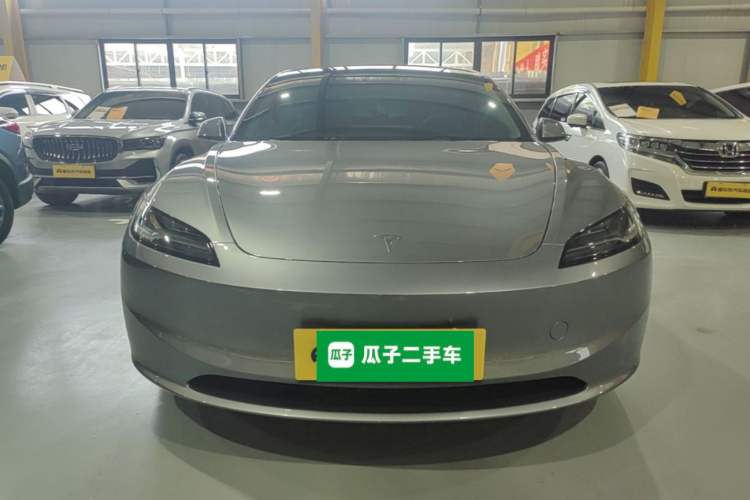
The used Tesla Model 3 is the natural benchmark, with one to five year old cars often landing in the mid-$20Ks and older examples dipping under $20K. Two things make it the reference point. Its real-world range is strong for the money, and it plugs straight into the largest fast-charging network, which makes road-tripping genuinely easier than rivals at similar rated range. The Model 3 has also held its value better than most EVs, which cuts both ways: it is no longer a depreciation outlier, so the used discount is smaller, but you are buying a car the market trusts. Check the battery state of health and the car is hard to beat under $30K.
Buy It Now
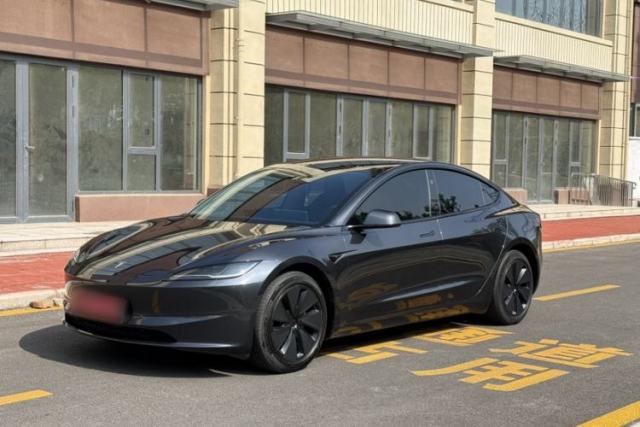
GradeAUsed Tesla Model 3 2023 Rear-Wheel-Drive Version Certified DealerCertified Dealer
 Guazi InspectedGuazi Inspected
Certified DealerCertified DealerGuazi InspectedGuazi InspectedFOB Price:$24,616

Chevrolet Bolt EV and EUV: the hardest-working dollar
The Chevrolet Bolt EV and EUV are the value play for buyers who care about cost per mile rather than badge. They are efficient, practical, and cheap, often well under $20K, which leaves room in the budget for a thorough inspection and any maintenance. The honest note every responsible guide should make is the Bolt's earlier battery recall history, so confirm that the relevant battery work was completed on any car you consider, and that its current state of health checks out. Done right, the Bolt is one of the hardest-working dollars in the used-EV market.
Hyundai Ioniq 5 and Kona, Kia Niro EV: near-new for used money
Because these models depreciated steeply, a lightly used one is an affordable way into a near-new EV. A two or three year old Hyundai Ioniq 5, a former award winner, can slip under $30K while still feeling current and often still carrying warranty cover. The Hyundai Kona Electric and Kia Niro EV are the sensible crossover picks, efficient and easy to live with, and they fell far enough in value to be real bargains used. With any of them the routine is the same: confirm the battery state of health, check the charging history, and you are buying modern car for distinctly un-modern money.
Side-by-side: the under-$30k shortlist
| Model | Typical used price | Real-world range | Fast charging | Battery note |
|---|---|---|---|---|
| Tesla Model 3 | Mid-$20Ks | Strong for the price | Largest network, a real edge | Holds value, check SoH |
| Chevrolet Bolt EV/EUV | Often under $20K | Solid, efficient | Adequate, not fast | Confirm recall work done |
| Hyundai Ioniq 5 | Can dip under $30K | Strong | Very fast, 800V | Often still under warranty |
| Hyundai Kona / Kia Niro EV | Low-to-mid $20Ks | Efficient, usable | Modest | Steep depreciation helps you |
How to inspect a used EV before you buy
A used EV needs everything a used gas car needs, plus the battery checks that are unique to it. Run through this before you commit.
- Battery state of health. The headline check. Get the measured capacity against rated, not a guess from age or mileage. This single number should anchor your price.
- Charging history. Heavy reliance on DC fast charging can age a pack faster, so ask how the car was usually charged.
- Warranty status. Confirm what is left of the original battery and powertrain warranty, which is often long and transferable.
- Recalls and known issues. Check the model's recall history, the Bolt battery work being the obvious example, and confirm any required fixes were done.
- The usual used-car basics. Tires, brakes, suspension, accident and title history, and a test drive still matter exactly as they would on any car.
A used EV that passes the battery checks and the ordinary ones is a genuinely low-risk buy. The danger is never the electric part in the abstract. It is buying blind on the one component you cannot eyeball.
Why an inspected EV is worth more than a cheaper un-inspected one
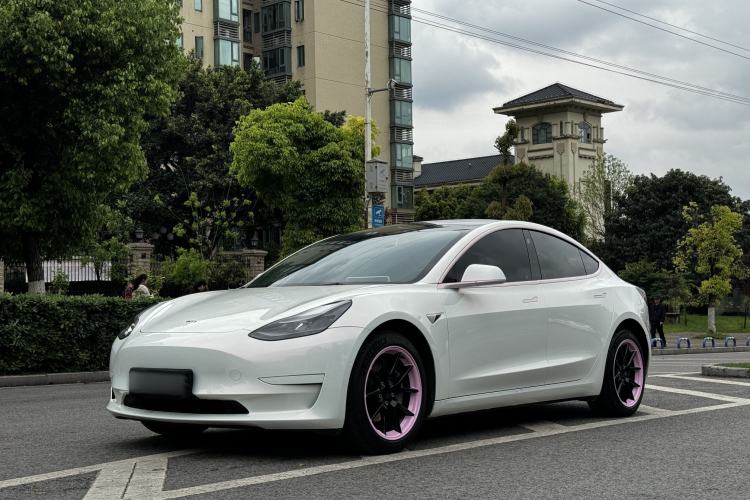
The cheapest listing is rarely the cheapest car once you account for risk, and nowhere is that truer than with a used EV. An un-inspected bargain with an unknown battery is a gamble on the single most expensive component in the vehicle. A slightly dearer car with a verified condition report and a confirmed state of health removes exactly the risk that makes used EVs feel scary. Guazi's model is built around that idea, with a multi-point inspection that produces a digital condition report, battery-health checks for new-energy cars, and the 100-day battery-decay guarantee that puts the battery in writing. The premium for a verified car is small next to the cost of inheriting a tired pack, which is the whole reason inspection exists. Browse inspected used EVs in stock
Key Takeaways
- Under $30k, the best used electric car is decided by battery health, not by model year and not by odometer.
- A used EV is a strong buy because someone else already paid the steep first-year depreciation, often 50% to 60% over five years.
- Use a simple battery rubric: 5% to 8% loss is normal, 10% to 20% justifies a discount, and above 20% is a walk-away.
- The shortlist is a used Tesla Model 3 for value and charging, a Chevrolet Bolt for cost per mile, and a lightly used Hyundai Ioniq 5 for near-new feel.
- A verified battery beats a low odometer, so buy on an inspected condition report rather than a cheap un-inspected listing.
Sources & References
- Recurrent, EV battery degradation research
- Wikipedia, Electric vehicle battery
- Wikipedia, Tesla Model 3
Worried about the battery on a used EV?
Our team can match you with an inspected used EV and walk you through its battery-health report before you commit


About Us
Follow US


Copyright © 2015~2026 https://en.guazi.com/, Chongqing Guazi Enterprise Consulting Service Co., Ltd. All rights reserved.