
Guazi
GlobalEnglish


The Best Hybrid Electric Cars of 2026 for Savings Without the Charging Cable
Article OverviewThe best hybrid electric cars of 2026, HEVs and plug-in hybrids from Toyota, Honda and BYD, for lower fuel bills and zero range anxiety without going fully electric.
Note: USD prices, MPG and electric-range numbers are 2026 reference points, US-market trims where available, compiled June 2026. BYD DM-i figures are overseas WLTP or China references and may not reflect local availability or US EPA methodology, so we never mix the two yardsticks in a single comparison without saying so. Verify against current local pricing and your own exchange rate before buying.
Let us be clear from the first line, because this query gets muddled: a hybrid electric car is not a pure electric car. The best hybrid electric cars in 2026 are HEVs and plug-in hybrids, vehicles that still carry a gas tank and never strand you waiting for a charger. That distinction is the whole point for the buyer reading this. You want lower fuel bills and a smaller environmental footprint, but you are not ready to depend on a charging network, and you do not want to plan a road trip around it. For that driver, the hybrid is quietly the smartest 2026 buy, and the choices now run from bulletproof Toyotas that sip fuel to Chinese plug-ins with eye-watering combined range.
This guide picks on what actually matters for a hybrid: real-world fuel economy, electric-only range where it applies, long-term value, and what these cars look like a few years old. We start by resolving the decision that frames everything, whether a self-charging hybrid (HEV) or a plug-in hybrid (PHEV) suits how you really charge, then run through the strongest picks in each class, the value wildcard from BYD, an at-a-glance comparison, and the used-hybrid question the award lists skip. By the end you will know not just the best hybrid cars 2026 has to offer, but which kind is right for you.
Quick picks: the best hybrid cars at a glance
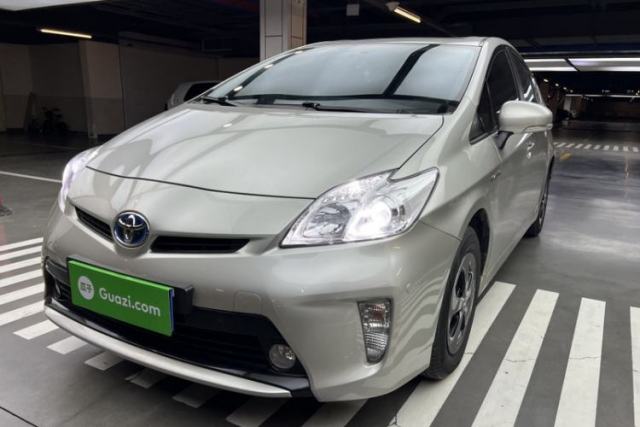
- The fuel-economy benchmark: Toyota Prius, the efficiency leader that just keeps going.
- The bulletproof family sedan: Toyota Camry Hybrid, class-leading real-world MPG and famously durable.
- Best compact hybrid: Honda Civic Hybrid, frugal and genuinely good to drive.
- Best plug-in for real electric commuting: Toyota RAV4 Plug-In Hybrid, electric-only miles for the daily run, a gas tank for the road trip.
- Best three-row plug-in: Mazda CX-90 PHEV, standard all-wheel drive and seven seats.
- The value wildcard: BYD's DM-i plug-in hybrids, headline combined range and very low fuel use where they are sold.
- The smartest money: a clean, well-inspected 1 to 3 year old hybrid with a verified healthy battery.
Hybrid, plug-in or full EV? Match the car to how you actually charge
The most important decision happens before you pick a model, and it comes down to one honest question: can you plug in at home, and do you want to. The answer sorts you cleanly between the two kinds of hybrid, and rules out the full EV that this guide is deliberately not about. Get this right and the rest of the choice is easy.
When a self-charging hybrid (HEV) is the right answer
A self-charging hybrid, or HEV, never needs to be plugged in at all. It has a small battery that fills itself from the engine and from braking, and it uses that electric assistance to cut fuel use, especially in town. This is the right answer for the largest group of buyers: anyone who wants better MPG with zero change to their habits, no charger, no cable, no planning. You fuel it like any petrol car and simply burn less. A Prius or Camry Hybrid is the textbook case, delivering a big efficiency gain with none of the charging logistics.
When a plug-in hybrid (PHEV) earns its extra cost
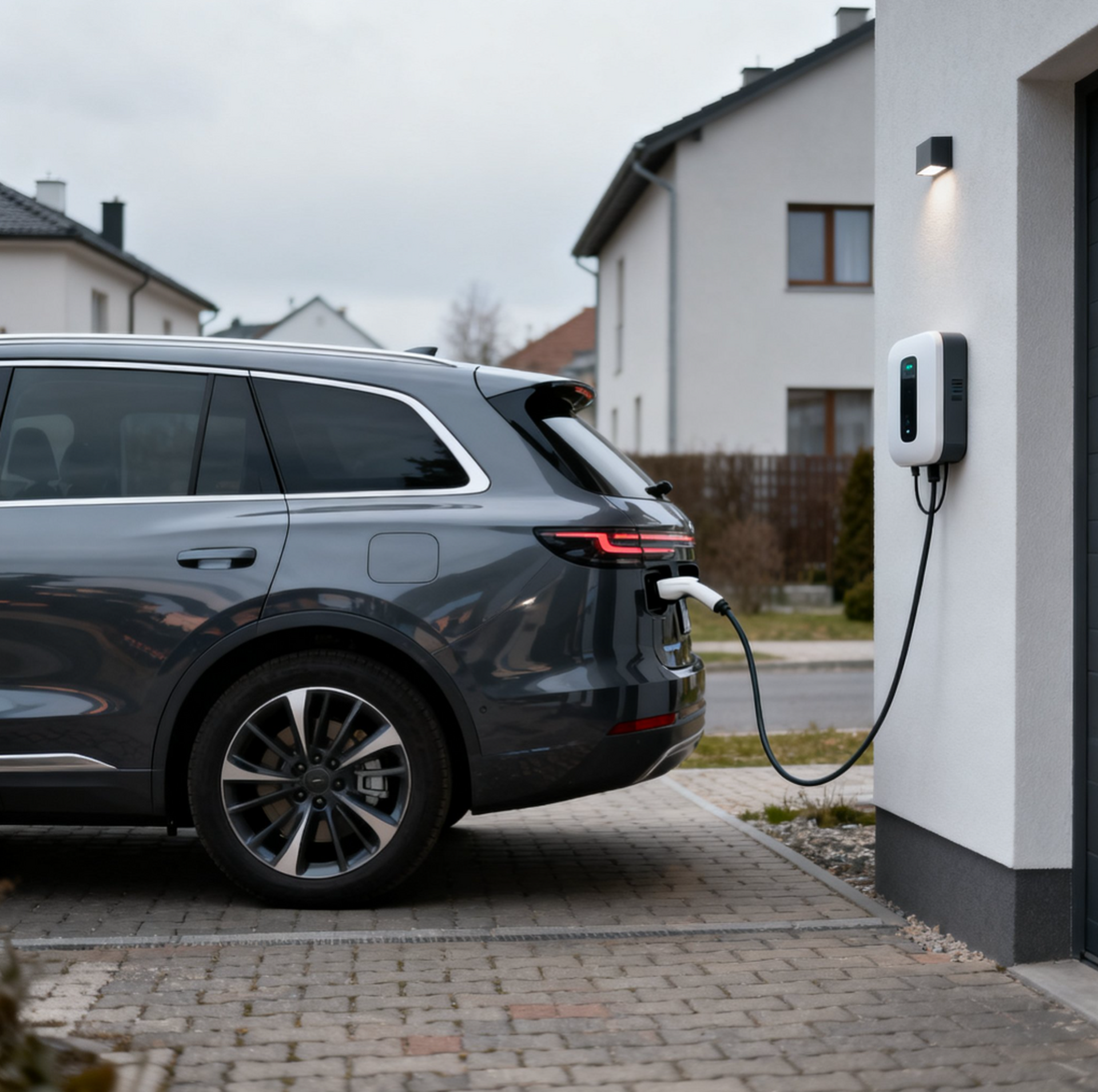
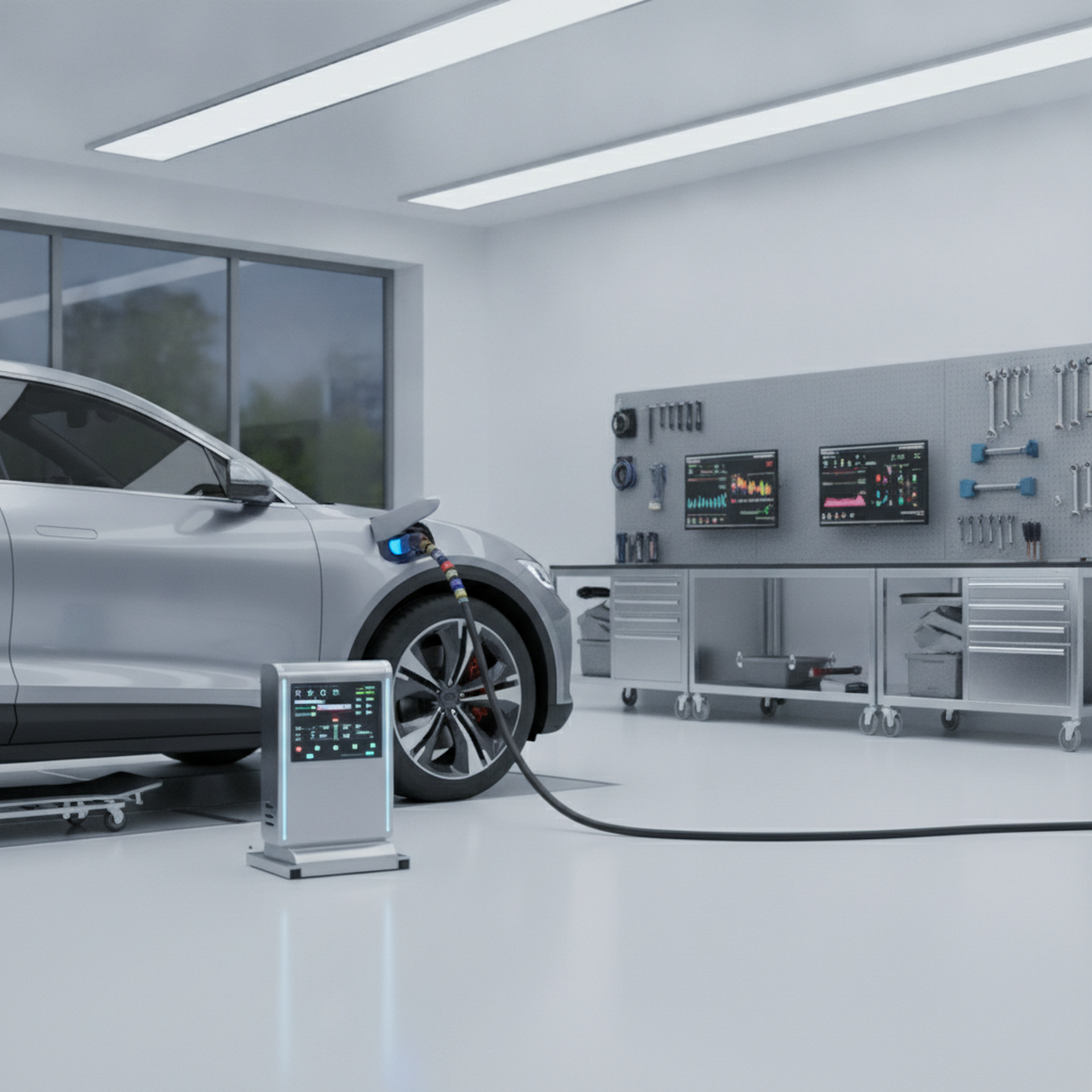
A plug-in hybrid, or PHEV, has a much bigger battery you charge from a wall socket, giving real electric-only range for short trips, then the gas engine takes over for longer ones. It costs more than an HEV, and it only earns that premium if you can charge at home and your daily driving fits within its electric range. Done right, the payoff is large: a commuter who plugs in nightly can do most weekday miles on electricity and still road-trip on petrol with no range anxiety. If you cannot charge at home, skip the PHEV and buy an HEV, because an unplugged plug-in just carries a heavy battery for nothing.
How we picked these hybrids
We rank on what a hybrid buyer actually feels: real-world fuel economy rather than optimistic lab figures, usable electric range for the plug-ins, long-term value, and how the car holds up after a few years. We lean on independent real-world MPG testing for the efficiency side, manufacturer and EPA figures for electric range, and on something most award desks cannot offer for the used and Chinese-PHEV side.
That something is condition data. Guazi is one of China's largest used new-energy-vehicle platforms, and in China the new-energy category includes plug-in hybrids, so these cars sit squarely on our inspection ramps. The business runs a multi-point inspection by certified technicians that produces a full condition report for every car. Across it sit tens of millions of inspections. We are not an awards jury and we do not pretend to be one. What we can speak to honestly is how a hybrid, including its battery, looks a few years into its life, and which ones are smart to buy used.
The fuel-saving hybrids you cannot kill: Toyota Prius and Camry Hybrid
If reliability and fuel saving are your priorities, the conversation starts and often ends with Toyota's hybrids. The Prius is the efficiency benchmark, returning around 57 mpg combined, which is the kind of number that quietly reshapes a household fuel budget. The Camry Hybrid brings the same hybrid system to a roomier sedan, with class-leading real-world economy near 48 mpg in independent testing, and a reputation for durability that is hard to overstate. These powertrains have been refined over many generations and millions of cars, and they routinely cover very high mileage without drama.
What strong MPG means for your yearly fuel bill
The gap between a 30 mpg car and a 50 mpg hybrid is not a rounding error; it is real money every month. Over a typical year's driving, that difference can save a meaningful share of your fuel spend, and the saving compounds over the years you own the car. Exactly how much depends on your mileage and your local fuel price, so the honest framing is that the more you drive and the dearer your fuel, the faster a hybrid pays you back. For high-mileage drivers the math is compelling; for very low-mileage ones it is smaller but still positive.
Why they are the safe used buy
The same durability that makes these Toyotas dependable new makes them the safe choice used. A well-kept Prius or Camry Hybrid a few years old is one of the lowest-risk used cars you can buy, because the powertrain is proven and the parts and service network is everywhere. The one component to verify is the hybrid battery, which we come back to, but a healthy used Toyota hybrid is about as close to a worry-free used car as the market offers.
Best compact hybrid: the Honda Civic Hybrid
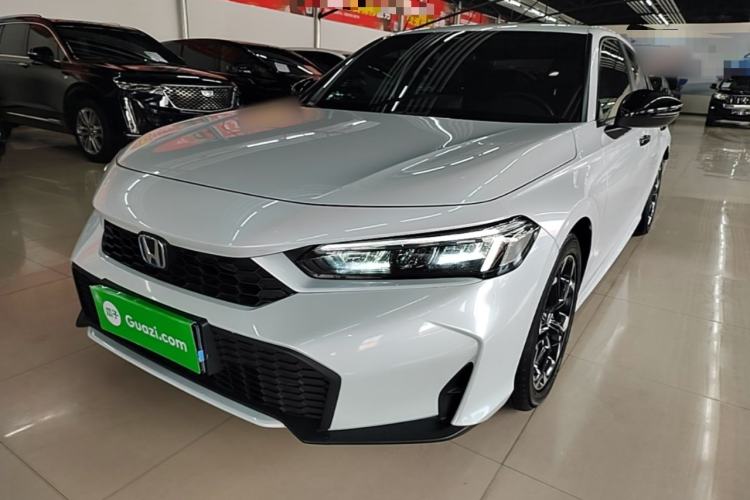
For buyers who want efficiency without stepping up to a midsize sedan, the Honda Civic Hybrid is the standout, and a recent class winner. It pairs strong real-world economy near 44 mpg with around 200 horsepower, so it is genuinely pleasant to drive rather than merely frugal, and it carries Honda's reputation for build quality and longevity. For a single person, a couple or a small family who want a compact car that saves fuel and still feels lively, it is the natural pick, and it makes a sensible used buy for the same reasons the Toyotas do.
Buy It Now
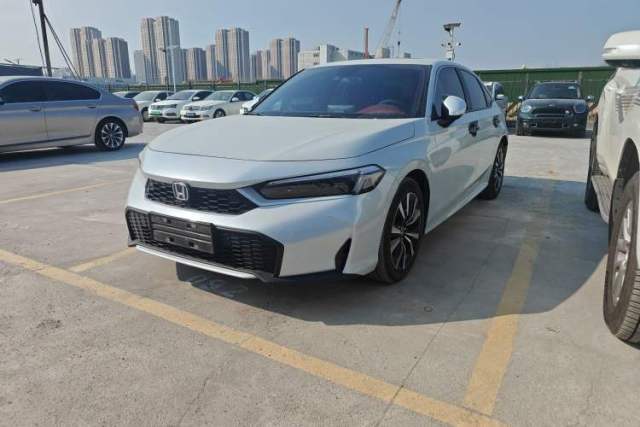
GradeBUsed Honda Civic 2025 2.0L eHEV Hybrid Plus Certified DealerCertified Dealer
 Guazi InspectedGuazi Inspected
Certified DealerCertified DealerGuazi InspectedGuazi InspectedFOB Price:$15,114

Best hybrid for families: the Toyota Sienna and SUV options
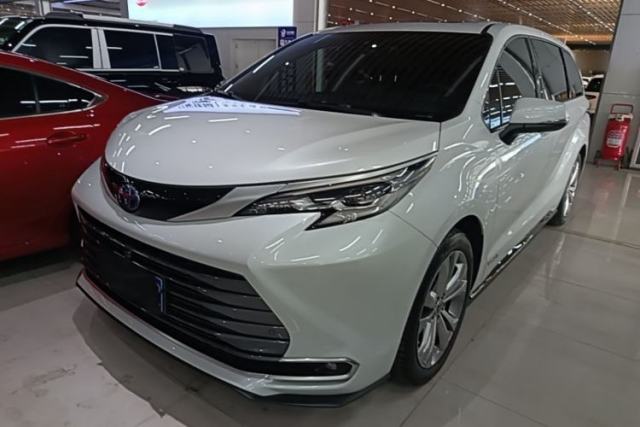
Families that need space have good hybrid options too. The Toyota Sienna is a hybrid-only minivan that returns up to around 36 mpg combined, which is remarkable for a vehicle that swallows a family and all its gear, and it brings the same Toyota reliability story. For buyers who prefer an SUV, the hybrid versions of mainstream family crossovers offer most of that efficiency in a more conventional shape, and the best hybrid SUV for you is usually the one whose size and seating match your household. The deciding factor for a family is matching the body style to your needs, a minivan for maximum space and easy access, an SUV for a higher driving position, with the hybrid system quietly cutting the fuel bill either way.
Buy It Now
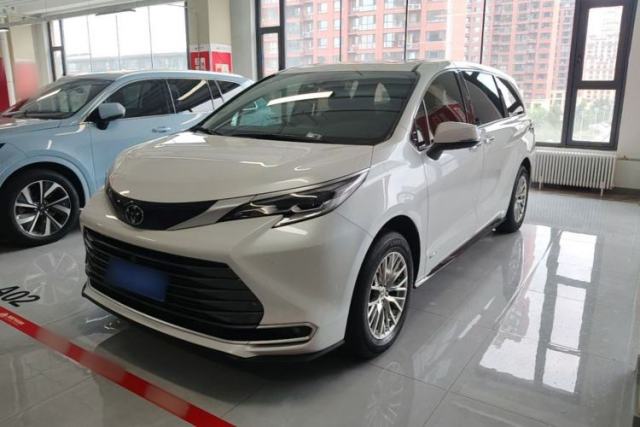
GradeSUsed Toyota SIENNA 2024 2.5L Hybrid Four-Wheel Drive Prestige EditionCertified DealerCertified DealerGuazi InspectedGuazi Inspected
Certified DealerCertified DealerGuazi InspectedGuazi InspectedFOB Price:$44,587
Best plug-in hybrid for real electric commuting: the Toyota RAV4 Plug-In Hybrid
If you can charge at home, the Toyota RAV4 Plug-In Hybrid is the benchmark for getting real electric driving without giving up the gas tank. It offers up to around 52 miles of electric-only range from a 22.7 kWh battery, which covers most people's daily commute on electricity alone, plus a combined output near 324 horsepower that makes it genuinely quick. When the battery runs down or the trip runs long, the petrol engine takes over and it behaves like an efficient regular hybrid. That combination, electric commuting on weekdays and worry-free road trips at weekends, is exactly what a PHEV is for.
Buy It Now
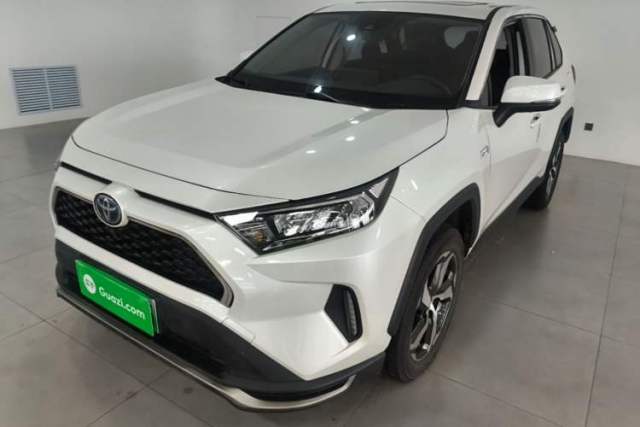
GradeSUsed Toyota RAV4 Rongfang Plug-in Hybrid 2021 2.5L Two-Wheel Drive Elite ProCertified DealerCertified DealerGuazi InspectedGuazi Inspected
Certified DealerCertified DealerGuazi InspectedGuazi InspectedOriginal paint
Original paint
FOB Price:$18,388
About 52 electric miles, then a gas tank for the road trip
The reason the RAV4 PHEV works so well is that its electric range matches how people actually drive. Most daily mileage fits inside 52 miles, so a driver who plugs in overnight can do the school run, the commute and the errands without burning a drop of fuel, then drive across the country on petrol the same weekend. The only condition is home charging; without it, the big battery is dead weight and a plain RAV4 Hybrid makes more sense.
The Mazda CX-90 PHEV if you need three rows
For families that need seven seats, the Mazda CX-90 PHEV is the three-row alternative. It offers around 26 to 27 miles of electric-only range, standard all-wheel drive and a total range near 500 miles, so it handles the daily run on electricity and long family trips on petrol. The electric range is shorter than the RAV4's, but in a larger three-row SUV with all-wheel drive it is a strong package for a household that needs the space.
The value wildcard: BYD's DM-i plug-in hybrids
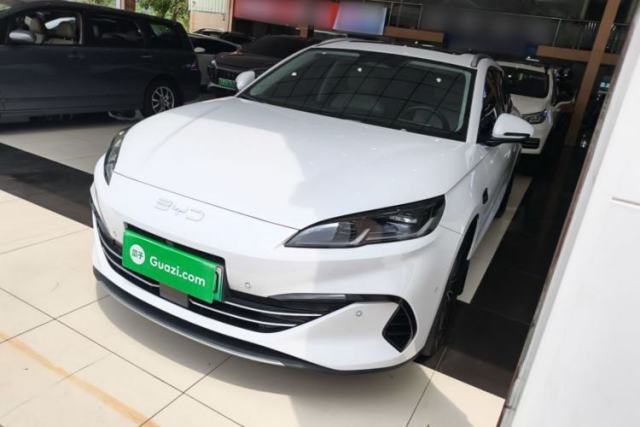
The award desks rank Toyota and Honda thoroughly and barely mention the option that may offer the most range for the money: BYD's DM-i plug-in hybrids. In the markets where they are sold, the Seal 6 DM-i posts a headline combined range around 1,505 km with a town electric range near 140 km and very low weighted fuel use, while the Seal U DM-i SUV offers roughly 43 to 77 miles of WLTP electric range by trim and a combined range well over 500 miles. These are overseas WLTP and China figures, measured differently from US EPA numbers and not guaranteed to be available in every market, so treat them as the value signal they are rather than a like-for-like US spec. Where they are offered, they are a serious, under-covered option, and as one of China's largest used-NEV platforms we see these units on the inspection ramp first-hand.
Side by side: HEVs and PHEVs at a glance
Here is how the picks compare on the figures that matter, with the yardsticks kept separate. US-market figures and WLTP or China figures are labelled because they are not measured the same way, so do not read across the two. Verify the exact trim before buying.
| Model | Type | Efficiency / electric range | Price (USD ref) | Best for |
|---|---|---|---|---|
| Toyota Prius | HEV | Around 57 mpg combined | Low-to-mid 30K | Maximum fuel saving |
| Toyota Camry Hybrid | HEV | Around 48 mpg real-world | Low-to-mid 30K | Durable family sedan |
| Honda Civic Hybrid | HEV | Around 44 mpg real-world | High 20K to low 30K | Frugal compact |
| Toyota Sienna | HEV | Up to around 36 mpg | Upper 30K to 40K | Family minivan |
| Toyota RAV4 Plug-In Hybrid | PHEV | Up to about 52 mi electric | Mid-to-high 40K | Electric commuting plus road trips |
| Mazda CX-90 PHEV | PHEV | About 27 mi electric, 3 rows | Upper 40K to 50K | Three-row plug-in |
| BYD Seal 6 DM-i | PHEV | Around 1,505 km combined (WLTP/China) | Market-dependent | Long combined range value |
New or used? What a hybrid looks like after a few years
The cheapest way into a great hybrid is often a year or two old, because hybrids hold their value well but still take an early depreciation hit you can let someone else absorb. A proven Toyota or Honda hybrid a few years into its life drives almost identically to a new one and saves you the first drop in price. The one thing that separates a great used hybrid from a risky one is the hybrid battery, and the reassuring reality is that these batteries are durable, designed to last the life of the car, and HEV packs in particular are small and well-proven. Still, you cannot judge a battery from the outside, so a used hybrid is a buy-on-evidence purchase.
| New hybrid | Healthy used hybrid (1 to 3 years) | |
|---|---|---|
| Purchase price | Highest | Early depreciation already taken |
| Fuel saving | Full | Full, same powertrain |
| Battery condition | As-new | Verify state of health before buying |
| Warranty left | Full | Often years remaining |
| Cost per year owned | Higher | Lower |
The practical checklist for a used hybrid is short: confirm the hybrid battery's health, check the service history for the proof these cars are usually well kept, and confirm what warranty remains. For a PHEV, also check how the larger battery has been charged and used. This is exactly the data a standardized inspection produces, which is what turns a used hybrid from a gamble into the value buy it should be.
Want a hybrid that saves fuel and checks out mechanically? Browse inspected hybrids and PHEVs in stock
How to source an inspected hybrid through Guazi
If the used route appeals, the buying process is the part that protects you. The most important steps with any used hybrid are confirming the battery's health and the car's service record against a standardized inspection rather than a seller's word. Guazi's model is built around exactly that: a multi-point inspection by certified technicians that produces a full condition report, including battery checks on hybrid and new-energy cars. Decide first whether an HEV or a PHEV suits how you charge, set your budget, and let the condition report rather than the sticker decide. Talk to our team about sourcing an inspected hybrid.
Key Takeaways
- The best hybrid electric cars of 2026 are HEVs and plug-in hybrids, not pure EVs, for drivers who want fuel savings and zero range anxiety without a charger.
- The first decision is whether you can charge at home: if not, choose a self-charging HEV; if yes and your daily driving fits, a PHEV earns its extra cost.
- Toyota's Prius and Camry Hybrid lead for fuel saving and durability, the Civic Hybrid for compacts, and the RAV4 Plug-In Hybrid for electric commuting with a gas-tank backup.
- BYD's DM-i plug-ins are the value wildcard where sold, with headline combined range on the WLTP or China cycle, measured differently from US EPA figures.
- A 1 to 3 year old hybrid is often the smartest money, skipping early depreciation, but verify the hybrid battery's health before buying.
Sources & References
- U.S. News, 2026 Best Hybrid and Electric Cars
- Wikipedia, Plug-in hybrid
- Wikipedia, Hybrid electric vehicle
Not sure whether an HEV or a plug-in suits how you drive?
Our team can match you with an inspected hybrid and walk you through its battery-health report before you buy.

About Us
Follow US


Copyright © 2015~2026 https://en.guazi.com/, Chongqing Guazi Enterprise Consulting Service Co., Ltd. All rights reserved.