


Guazi
GlobalEnglish


Makes
Buy It NowAuctionsUp to 160 psPort StockAll VehiclesPopular Makes


Shop By Type


Popular Models


Shop By Budget

Which Electric SUV Actually Fits Your Life in 2026
Article OverviewThe best electric SUVs of 2026, ranked by real cargo, towing, and resale rather than sticker range, plus the used ones that make far more sense.
Range, cargo, towing, and price figures are 2026 reference points drawn from manufacturer specs and independent testing (US EPA cycle unless noted), compiled June 2026. EV specs and pricing move quickly, so treat these as a buying guide rather than a quote, and confirm the exact trim before you commit.
There is no single best electric SUV, and any guide that pretends otherwise is answering the wrong question. The phrase best electric cars SUV pulls in people doing completely different jobs: hauling a family and its clutter, towing a small trailer to the lake, taking a gravel road to a trailhead, or just wanting to sit higher in traffic. A three-row people-mover and a compact urban runabout are both electric SUVs, and the right one for you has almost nothing to do with which scored highest in a road test. It has to do with what you carry, what you tow, and how far you drive between charges.
So this guide is organized by the job, not by a flat countdown. We start with what actually makes an electric SUV good for real use, then cover the strongest all-rounders, the longest-range options for big-mileage families, the genuine cargo champions, the honest truth about towing, where the Chinese makers fit, and finally why a two to four year old used electric SUV is often the smartest version of the whole decision. By the end you should know which electric SUV fits your life, and what it really costs to live with.
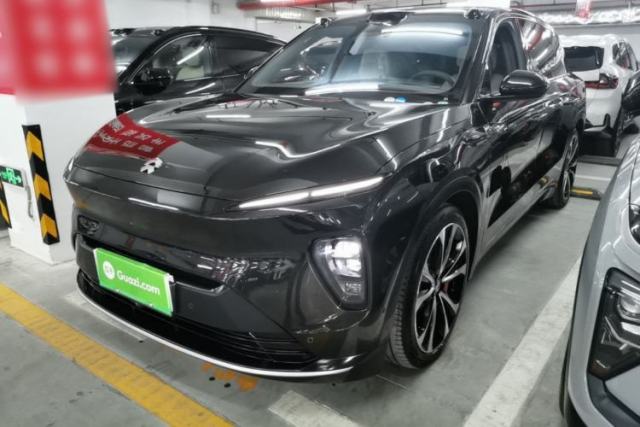
Quick picks: the best electric SUVs at a glance
- Best all-rounder: Hyundai Ioniq 5, the sensible default for most buyers.
- Best for big-mileage families: Lucid Gravity, the range ceiling of the class near 435 miles.
- Best three-row family hauler: Kia EV9, when you need a third row and a tow hitch.
- Most cargo for the money: Volkswagen ID.4, a small-SUV cargo leader.
- Best towing capability: GMC Hummer EV SUV at the extreme, Kia EV9 for normal life.
- Best value of all: a clean, inspected used electric SUV with a healthy battery, often 40 to 60% below its original price.
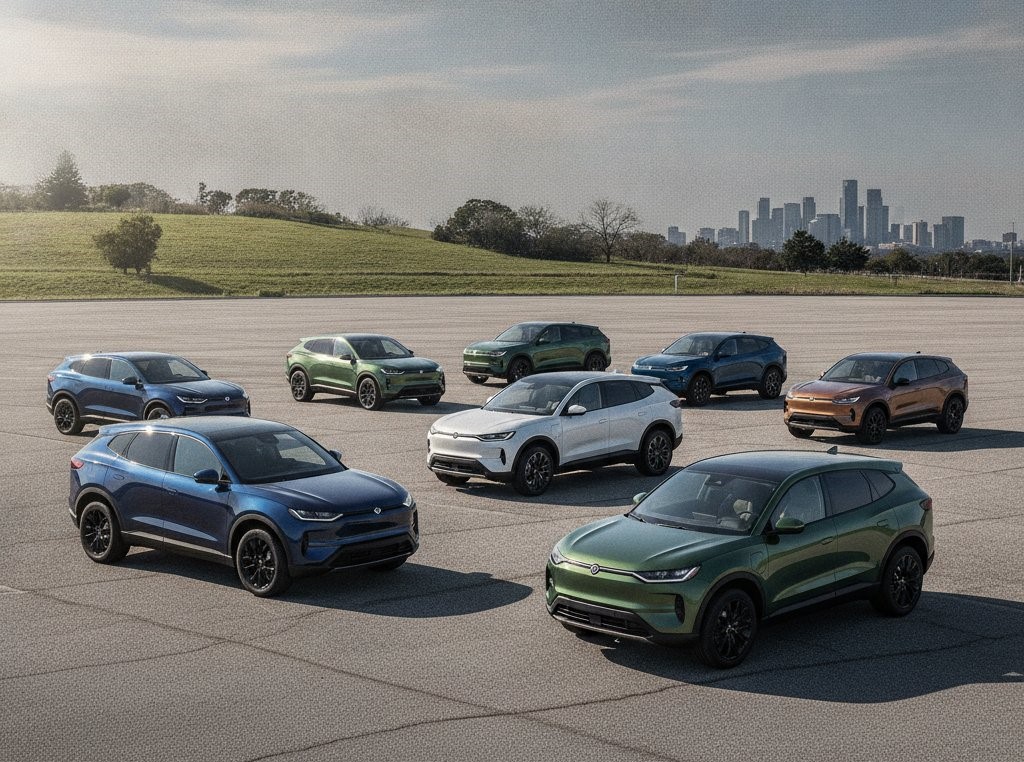
What makes an electric SUV "best" depends on what you tow, carry, and drive
The review desks rank electric SUVs the way they rank everything, on how they drive and how nice the cabin feels. Those things matter, but they are not why most people buy an SUV. People buy an SUV for space, height, and capability, and an electric one adds range and charging to that list. The car that wins for a family of five with a roof box is not the car that wins for a couple who tow a jet ski twice a year. Pick the dimension that defines your use, then rank within it. That is the only honest way to choose.
Range you can trust on a road trip
Every EV range figure comes from a laboratory, and it flatters reality. On a real highway, at real speed, in real weather, expect 10 to 20% less than the sticker, and more in the cold. An SUV's tall, boxy shape makes this worse than a sedan, because it pushes more air. A 300 mile electric SUV is realistically a 240 to 270 mile car on a winter motorway. That is still fine for most trips, but plan around the real number, not the brochure, especially if your use case is long family drives.
Space and clearance, the part the spec sheet hides
Cargo numbers are where SUVs earn their name, and they vary more than you would expect. The best compact electric SUVs swallow over 60 cubic feet with the seats down, while others give up far less for the same footprint. Ground clearance matters too if your weekends leave the tarmac, and a three-row SUV with proper clearance and a terrain mode is a genuinely different tool from a low-slung crossover. Look past the headline range at the boot litres, the seat-folding layout, and the height under the car, because those are what you will actually use every week.
The number that bites later: price to own, not price to buy
Electric SUVs depreciate hard, harder on average than comparable petrol models, with the typical EV shedding well over half its value across five years. For a new buyer that is a real cost. For a used buyer it is the whole opportunity, because the steepest part of that drop has already happened to someone else. Rank by total cost to own rather than purchase price and the table reshuffles, which is exactly why the used section near the end of this guide matters as much as the new picks at the top.
How we picked these electric SUVs
We rank with a practical, value-first bias rather than by road-test score alone. To make the list an electric SUV has to do its core job well, carry or tow or seat what it claims, hold up on a real highway, and make sense once you put a realistic ownership cost beside it. We lean on published independent testing and manufacturer specs for capability, and on something most editorial desks structurally cannot offer for the used and Chinese side.
That something is condition data. Guazi is one of China's largest used new-energy-vehicle platforms, built on a standardized multi-point inspection that feeds a digital condition report for every car, plus an industry-first 100-day battery-decay guarantee for new-energy vehicles. Across that business sit tens of millions of inspections. We are not a road-test laboratory and do not pretend to be one. What we can speak to honestly is how an electric SUV looks after a few years of family use, which ones hold value, and how a Chinese model checks out on a lift rather than in a brochure.
The strongest all-round electric SUVs right now
A few electric SUVs do the whole job well enough that they suit most buyers, which is what "all-round" really means. Here is what each one is for.
Hyundai Ioniq 5, the sensible benchmark for most buyers
If you want one electric SUV that covers the school run, the road trip, and the weekend haul without drama, the Ioniq 5 is the one to beat. It rides on an excellent 800V platform, so it charges from 10 to 80% in around 18 minutes when you find a fast enough charger, and it is unusually efficient, which stretches its real range. The cabin is flat-floored and genuinely roomy, it tows a modest load of around 2,700 lb, it carries a 5-star safety record, and it holds its value better than most non-Tesla EVs. Nothing about it is extreme, and that is the point. It is the safe, smart default that almost no buyer regrets.
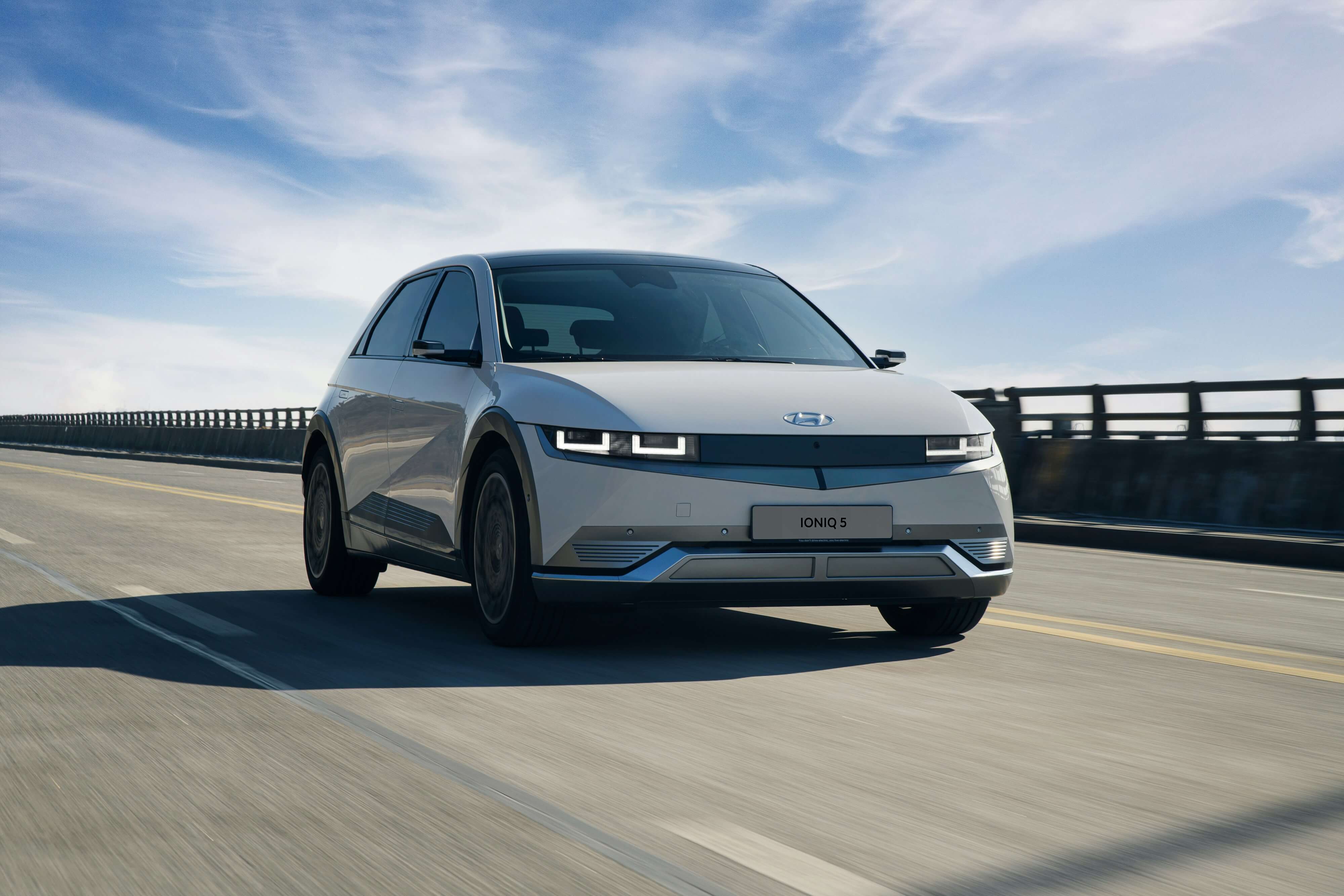
Photo by Hyundai Motor Group on Unsplash
Tesla Model Y, the default, and why it still earns it
The Model Y has been the best-selling EV on the planet for a reason, and it remains a strong pick in 2026. It offers over 300 miles of range, a large and cleverly packaged cargo area, and access to the Supercharger network that still sets the bar for road-trip ease. It is not the plushest cabin in the class and the ride can be firm, but as a do-everything electric SUV with the simplest long-distance charging experience, it is hard to argue against. Used three to five year old examples now hold value better than average, which makes it interesting at both ends of the market.
Kia EV9, when you need three rows and a tow hitch
When the job is a genuine family hauler, the Kia EV9 is the standout. It is a proper three-row SUV that seats up to seven, with an AWD option, a terrain mode, around 7.8 inches of ground clearance, a self-leveling rear suspension, and a trailering mode that supports towing near 5,000 lb. That combination of space, clearance, and pulling power in one electric package was simply not available a couple of years ago. If your shortlist is driven by people and stuff rather than badge or 0 to 60, the EV9 is the most complete answer in this guide, and it is where big-family shortlists should start.
Longest-range electric SUVs for big-mileage families
If your weeks involve long motorway runs, range becomes the deciding axis, and a small number of electric SUVs genuinely clear the bar. The Lucid Gravity is the class ceiling, returning close to 435 miles from a 123 kWh pack, and it gets there with the same efficiency that makes Lucid's sedans special, which means it holds its range better when the road turns hilly or cold. The Rivian R1S is the adventure archetype, posting around 410 miles in its top form while being built to leave the pavement. Both are expensive, and both carry large batteries, so weigh the premium against how often you actually drive that far. For most families a sensible 280 to 330 mile SUV covers nearly everything for far less money, but if you genuinely cover big distances, these are the cars that make it painless.
The electric SUVs that swallow the most cargo
Cargo is where an SUV justifies its shape, and the leaders are not always the ones you would guess. Among compact electric SUVs the Volkswagen ID.4 leads with around 64.2 cubic feet maximum, the Subaru Solterra sits just behind near 63.5, and the Ford Mustang Mach-E rounds out the top group near 59.7. The gap between these and a stylish but tight rival can be 15 cubic feet or more, which is the difference between the flat-pack furniture fitting and not. If your deciding factor is how much the car holds, ignore the badge race and read the cubic feet.
| Compact electric SUV | Max cargo (seats down) | Why it matters |
|---|---|---|
| Volkswagen ID.4 | 64.2 cu ft | Class cargo leader |
| Subaru Solterra | 63.5 cu ft | Near the top, with AWD focus |
| Ford Mustang Mach-E | 59.7 cu ft | Top-three space, sportier drive |
| Typical stylish rival | 50 cu ft and under | Looks first, space second |
Can an electric SUV actually tow? The honest answer
Yes, but read this part carefully, because towing is where EV marketing and EV reality diverge most. At the extreme, the GMC Hummer EV SUV tows around 10,300 lb, a genuinely heavy-duty figure, though it carries an enormous battery and price to get there. For normal life the Kia EV9 near 5,000 lb and the VinFast VF8 near 3,968 lb cover most trailers, caravans, and boats people actually own. The honest caveat is the one the brochures bury: towing tanks EV range. Pulling a loaded trailer can cut your usable range by a third to a half, so a 300 mile SUV might manage 150 to 200 miles with a caravan behind it. An electric SUV can tow, but it does not tow like a diesel on range, and planning charging stops around a heavy load is simply part of the deal. Go in knowing that and you will not be caught out.
Where Chinese electric SUVs land in 2026
Any honest 2026 SUV list has to include China's makers, because models like the BYD Atto 3 and Seal U now offer a lot of electric SUV for the money, and the US-centric rankings barely mention them. The value case is real: competitive range, generous equipment, and prices that often undercut equivalent Western models. BYD has scaled into one of the largest EV makers in the world largely on that proposition.
The honest tradeoffs deserve equal weight. Depreciation on Chinese EVs has generally been steeper than on established badges, software polish can be variable, and service networks are thinner in many markets. Availability also differs a great deal by country, so confirm what is genuinely sold and supported where you live before a spec sheet wins you over. Read with those caveats, the value is genuine, and it is where a platform with first-hand inspection data on Chinese EV SUVs can tell you more than a brochure can, because the real question with a value SUV is not the spec, it is how it holds up after a few years of family use.
Should you buy a used electric SUV instead? The depreciation winners
This is where a used-car platform can tell you something the new-car ranking sites structurally never will. If your deciding axis is value rather than newness, the best used electric cars in SUV form are very often the smartest buy on the market.
The logic is simple. Electric SUVs depreciate hard early, with the average EV losing roughly 58 to 63% over five years, around 20% steeper than a comparable petrol car. A two to four year old electric SUV that has already taken that hit frequently sells 40 to 60% below its original price while keeping most of its range, much of its useful life, and often a transferable battery warranty. You get the same space, towing, and capability the road testers praised, minus the steepest part of the curve. On cost per usable mile, a sound used electric SUV beats almost anything new.
There is one catch, and it is decisive. A used EV's value lives or dies on battery state of health, the measure of how much capacity remains versus when the car was new. Two identical SUVs with identical mileage can be a great buy and a bad one depending on this single figure, and it is the number casual sellers are least able to show you. This is exactly where condition data matters, because reading state of health, charging history, and fast-charging wear separates a bargain from an expensive lesson. It is also why Guazi built a 100-day battery-decay guarantee into its new-energy cars: the battery is the asset, and its health is the one thing a buyer cannot eyeball.
| New electric SUV | Healthy used electric SUV | |
|---|---|---|
| Typical price | $45K to $55K | 40 to 60% less |
| Space and capability | Full | Same |
| Cost per usable mile | Higher | Lowest |
| Main risk | Depreciation | Battery state of health |
| How to de-risk | n/a | Verified inspection + battery report |
Looking for the value end of this table rather than the sticker end? Browse inspected used electric SUVs in stock →
How to source an inspected electric SUV through Guazi
If the value end of this guide is where you want to shop, the buying process is what protects you. With any used electric SUV the single most important step is verifying battery state of health, then confirming the rest of the car against a standardized inspection rather than a seller's word. Guazi's model is built around exactly that: a multi-point inspection that produces a digital condition report, battery-health checks for new-energy cars, and the 100-day decay guarantee that puts the battery question in writing. Start from the job you need the SUV to do, set your budget, and let the condition report rather than the sticker decide.
Talk to our team about sourcing an inspected electric SUV
Key Takeaways
- There is no single best electric SUV. The right electric cars SUV pick depends on what you carry, tow, and drive, so rank within your own job first.
- The Hyundai Ioniq 5 is the sensible all-rounder, the Kia EV9 is the three-row family answer, and the Lucid Gravity is the long-range ceiling near 435 miles.
- Cargo and towing vary widely. The Volkswagen ID.4 leads compact cargo near 64.2 cubic feet, and towing can cut usable range by a third to a half.
- Chinese electric SUVs are real value picks with honest caveats on depreciation, software, and service that vary by market.
- The smartest buy for most families is a healthy used electric SUV at 40 to 60% off, decided by battery state of health on a verified condition report.
Sources & References
- Recurrent, EV research and range data
- Coltura, Electric Car Range and Price Comparison
- Wikipedia, Sport utility vehicle
Not sure which electric SUV fits your life?
Our team can match you with an inspected electric SUV and walk you through its battery-health report before you commit.




About Us
Get Support
Follow Us


Copyright © 2015~2026 https://en.guazi.com/, Chongqing Guazi Enterprise Consulting Service Co., Ltd. All rights reserved.