
Guazi
GlobalEnglish


What $40,000 Actually Buys in an Electric Car in 2026
Article OverviewThe best electric cars under $40k in 2026, sorted by which balance of range, space, and brand you need, plus the used upgrade most buyers miss.
Note: Every price and range figure is a 2026 reference point drawn from manufacturer specs and independent testing, compiled June 2026 and quoted in USD. Trims and incentives in this bracket shift fast and differ by market, so treat these as a buying guide rather than a quote, and confirm the exact spec and local availability before you commit.
Forty thousand dollars is the line where an electric car stops apologizing. Below it you are managing trade-offs, picking which compromise you can live with. At it you finally get genuine range, real family space, and a badge you would actually be happy to own. The mainstream EV crossovers that define this bracket, the Equinox EV and the Ioniq 5, turn up on nearly every list because they are genuinely good. So ranking the best electric cars under $40k is less about finding the cheapest and more about a different question: what is the most car you can get for the money without overpaying for hype, and which kind of balance do you actually need.
This guide organizes the bracket around that idea of balance rather than a single price column. We look at the three things a $40K EV has to juggle, which are range, space, and the combination of brand and charging network, and we sort the picks by which corner of that triangle matters most to you. We cover the best all-round crossovers, the best electric SUV, and the longest-range pick for the money, and then the move most buyers miss, which is that $40K can buy a lightly used premium EV that out-specs the new mainstream choice. By the end you should know not just the popular picks, but which one is right for the way you live.
Quick picks: the best EVs under $40k at a glance
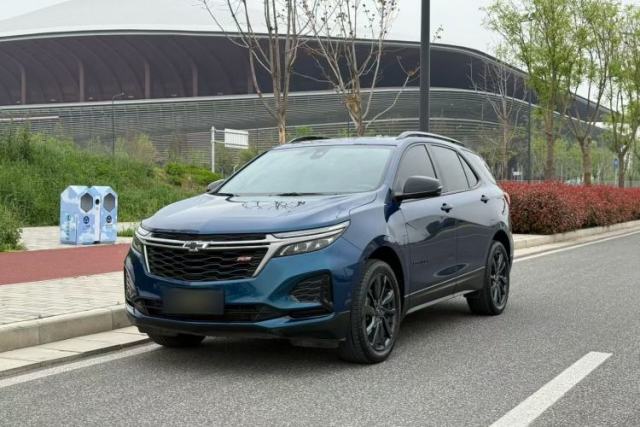
- Best all-round value: Chevrolet Equinox EV, the consensus value-balance default, from just under $35K with 319 miles.
- The all-rounder juries keep picking: Hyundai Ioniq 5, a top-rated electric SUV with clever packaging and very fast charging.
- Longest range for the money: Hyundai Ioniq 6, among the longest-range EVs in the bracket at around 361 miles.
- When you want standard AWD: Subaru Solterra or the new Subaru Uncharted.
- The move most buyers miss: a lightly used premium EV that beats the new mainstream pick on range, space, or performance.
Buy It Now
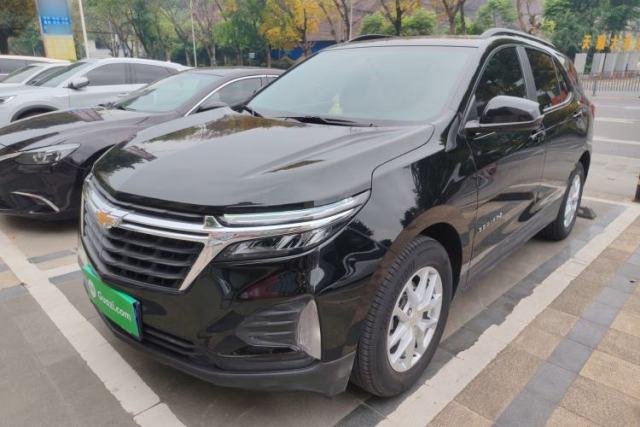
GradeSUsed Chevrolet Equinox 2023 1.5T Chijie Version Certified DealerCertified Dealer
 Guazi InspectedGuazi Inspected
Certified DealerCertified DealerGuazi InspectedGuazi InspectedFOB Price:$13,704

What $40k changes about an EV in 2026
Spend up to $40K and the compromises that define cheaper EVs largely fall away. You are no longer choosing between enough range and enough space, or settling for a stripped-out interior to hit a price. This is the bracket where an electric car becomes a genuinely good car rather than a sensible one, which is exactly why the competition is so strong and the obvious picks are everywhere. The skill at this budget is not finding a car that works. It is matching the specific balance of strengths to how you actually drive, because the cars here are good in different directions.
The balance that matters: range versus space versus brand and charging
Think of a $40K EV as balancing three things. The first is range, how far it goes between charges. The second is space, how much room it has for people and cargo. The third is the pairing of brand and charging network, which covers how trusted the car is, how well it holds value, and how easily it road-trips on the public network. Almost no car maxes out all three at this price. The Ioniq 6 leans toward range, a roomy crossover leans toward space, and a car with broad fast-charging access leans toward the network. Knowing which corner you live in is most of the decision.
Range you can actually trust at this price
As with any EV, the range on the window is a lab figure, and the road returns less. Expect roughly 10% to 20% below the official number at steady highway speed, and more in cold weather. A car rated at 320 miles is realistically a 260 to 290 mile car on a winter motorway, which is still ample for almost everyone but worth knowing before you judge two cars by their stickers. At $40K the good news is that even after that discount, the cars here have enough real range to handle road trips, so range becomes a question of preference rather than survival.
How we picked these
We rank these with a real-world bias and a value lens rather than by sticker or spec sheet alone. To earn a spot, a car has to balance range, space, and the brand-and-charging factor well for the money, and it has to make sense once you weigh what it costs to own rather than just to buy. We lean on published independent testing for the real-world range figures, and on a used-value perspective that most new-car round-ups simply do not bring.
That perspective comes from Guazi, one of China's largest used new-energy-vehicle platforms, built on a standardized multi-point inspection and tens of millions of inspections. It is why this guide does something the others rarely do, which is to weigh a new mainstream EV against a lightly used premium one at the same $40K. We are not a new-car dealer. What we can add is an honest read on which cars hold their value, and where the smart-money buyer should look when a used premium car quietly out-specs the obvious new pick.
Best all-round value: the mainstream crossovers
For most buyers the answer at $40K is a mainstream electric crossover, because it balances all three corners of the triangle without forcing a hard trade-off. Here are the three that earn it.
Chevrolet Equinox EV: the value-balance default
The Chevrolet Equinox EV is the consensus value pick of 2026 because it delivers the whole balance without asking you to overpay for any single part of it. The LT1 opens around $34,995 and gives an EPA-rated 319 miles of range from its 85 kWh battery in front-wheel-drive form, easing only to a still-strong 307 miles if you add the dual-motor all-wheel drive. Power is 220 horsepower front-drive or 300 horsepower with AWD, ample for a family crossover, and on a public fast charger it peaks at 150 kW and adds roughly 70 miles in ten minutes, so longer trips stay practical. Step up to the LT2 near $41,795 and you gain conveniences like wireless charging and HD Surround Vision without changing the underlying value story.
Inside is where the price starts to look low. The Equinox EV pairs a 17.7-inch central screen with about 38 inches of rear legroom and up to 57.2 cubic feet of cargo with the seats folded, figures that read like a larger, costlier SUV. That is the whole case for it: instead of leading on one number and quietly compromising the others, it does range, space, and the brand-and-charging factor competently all at once, which is exactly the balance most buyers in this bracket are shopping for. For someone who wants a single, low-risk answer to the under-$40K question and would rather not agonize over it, the Equinox EV LT is genuinely that car.
Hyundai Ioniq 5: the all-rounder juries keep picking
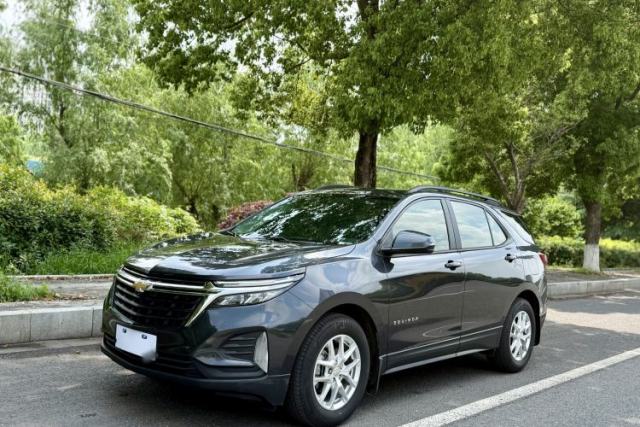
The Hyundai Ioniq 5 is the car that keeps winning awards, named a top-rated electric SUV for 2026, and it earns that with clever packaging and standout fast charging. An SEL trim offers around 318 miles of range and slips under the $40K line, and its 800-volt architecture means it adds charge faster than almost anything at this price, which makes road trips noticeably easier. Inside, the flat floor and sliding console give it more usable space than its footprint suggests. If the Equinox EV is the value default, the Ioniq 5 is the all-rounder that feels a cut above for not much more.
Subaru Solterra and Uncharted: when you want standard AWD
If your driving involves weather and rough roads, the Subaru Solterra makes all-wheel drive standard and brings Subaru's safety focus, while the newer Subaru Uncharted opens from around $36K in front-drive form and adds power in its higher trims. Neither leads the bracket on range, but they answer a specific need cleanly. For a buyer in a snowy region who values traction and standard AWD over maximum miles, this pair is the sensible balance, and they belong on the shortlist precisely because the obvious crossovers are front-drive at their affordable trims.
Best electric SUV under $40k
If your priority is SUV space rather than the lowest price, the best electric SUV under $40k comes down to the Ioniq 5 and the Equinox EV, and the choice between them is a clean illustration of the balance idea. The Ioniq 5 wins on charging speed and interior cleverness, making it the better road-tripper and the nicer place to sit. The Equinox EV wins on price and rear-seat room for the money, making it the stronger pure-value family hauler. Both clear the space and range bars that an SUV buyer cares about. Pick the Ioniq 5 if charging speed and feel matter most, and the Equinox EV if you want maximum space per dollar.
Longest range for the money under $40k
If range is the corner of the triangle you live in, the standout under $40K is the Hyundai Ioniq 6, the sedan sibling of the Ioniq 5. An SE rear-drive version is among the longest-range EVs in the affordable set at around 361 miles, because its slippery sedan shape is simply more efficient than a tall crossover. That efficiency is the whole story. It means more real highway miles and faster effective charging relative to the range added. The trade-off is space, since a sedan cannot match a crossover for cargo and easy access. But if you want the longest range per dollar and can live without SUV practicality, the Ioniq 6 is the range champion of this bracket.
The $40k move most buyers miss: a lightly used premium EV
Here is the play that the new-car round-ups structurally never make. At $40K you can buy a new mainstream crossover, or you can buy a lightly used premium EV that out-specs it on range, materials, or performance, because someone else already absorbed the steep early depreciation. A two or three year old higher-trim Hyundai Ioniq 5 or Kia EV6, or a used Tesla Model Y, can land near $40K with more car than the new mainstream pick offers at the same money.
| At around $40k | New mainstream EV | Lightly used premium EV |
|---|---|---|
| What you get | A well-equipped new crossover, base-to-mid trim | A higher-trim or premium model, 1 to 3 years old |
| Strength | Latest tech, full warranty, simplicity | More range, space, or performance per dollar |
| Who paid the depreciation | You will, over the coming years | The first owner already did |
| Main thing to verify | Trim and incentives | Battery state of health |
The catch is the same as with any used EV, which is that the battery sets the value and a low odometer does not prove it is healthy. We cover exactly how to read it, and the smartest used buys, in our companion guide to the best used electric car under $30k, and the same logic scales up to the premium cars that land near $40K used.
Where Chinese EV crossovers land at this price
A complete 2026 picture has to note the Chinese-market crossovers, because in global markets brands like BYD and MG offer electric SUVs that hit the range, space, and equipment balance at or under this price, and Western under-$40K lists tend to under-weight them. These cars are increasingly the value benchmark worldwide for a well-equipped electric crossover. The honest caveat is availability, since they are not freely sold in the US and their pricing is anchored to other markets, so read them as a global reference rather than a local option. They matter to a $40K buyer mainly as a signal of how much electric crossover the money should buy, and as part of the used-value conversation that platforms like Guazi track closely.
Which balance is right for you?
The whole guide comes down to which corner of the triangle you live in, so here is the short version. If range is your priority and you can live with a sedan, buy the Hyundai Ioniq 6 for its class-leading miles. If space and value matter most, buy the Chevrolet Equinox EV for the most room and range per dollar. If you want the best all-round feel and the fastest charging for road trips, buy the Hyundai Ioniq 5. If weather and traction rule your driving, take the Subaru Solterra or Uncharted for standard all-wheel drive. And if you are willing to buy used, a lightly used premium EV near $40K can beat all of them on sheer specification, provided you verify the battery. Match the car to the need, and the bracket sorts itself out.
How to source a value EV through Guazi
If the used-premium move is the one that appeals, a verified battery is what protects the upgrade, and the buying process is where that happens. The key step with any used EV near this budget is confirming battery state of health, then checking the rest of the car against a standardized inspection rather than a seller's word. Guazi's model is built around exactly that, with a multi-point inspection that produces a digital condition report, battery-health checks for new-energy cars, and an industry-first 100-day battery-decay guarantee that puts the battery question in writing. Decide which balance you need, set your $40K budget, and let the condition report rather than the sticker tell you whether a used premium EV is the smarter buy. Compare inspected EVs in this budget
Key Takeaways
- At $40K, the best electric cars under $40k stop being a compromise, so the decision is about which balance of range, space, and brand-and-charging you need.
- The Chevrolet Equinox EV is the value-balance default, the Hyundai Ioniq 5 the polished all-rounder, and the Hyundai Ioniq 6 the range champion at around 361 miles.
- For standard all-wheel drive, the Subaru Solterra or Uncharted answer a specific need the front-drive crossovers do not.
- The move most buyers miss is a lightly used premium EV near $40K that out-specs the new mainstream pick, provided you verify the battery.
- Match the car to the corner of the triangle you live in, and on the used side, buy on a verified condition report rather than the sticker.
Sources & References
- Edmunds, Best Electric SUVs
- Wikipedia, Hyundai Ioniq 5
- Wikipedia, Electric car
Not sure whether to buy new or step up to a used premium EV at $40k?
Our team can match you with an inspected EV and walk you through its battery-health report before you commit.




About Us
Follow US


Copyright © 2015~2026 https://en.guazi.com/, Chongqing Guazi Enterprise Consulting Service Co., Ltd. All rights reserved.