


Guazi
GlobalEnglish


Makes
Buy It NowAuctionsUp to 160 psPort StockAll VehiclesPopular Makes


Shop By Type


Popular Models


Shop By Budget

Can You Trust a Chinese EV Brand in 2026? An Honest Guide
Article OverviewAn honest field guide to the Chinese EV brand landscape in 2026, judged on reliability, safety, warranty, after-sales and resale, with a which-brand-for-you framework.
Note: The reliability scores, safety ratings, warranty terms and resale observations here are 2026 reference points compiled in June 2026. Reliability studies and warranty terms differ by year and by region, and our resale read is grounded in the China used market, so treat all of it as a framework rather than a guarantee, and confirm the warranty and service coverage in your own market before you buy.
A few years ago the skeptical question about a Chinese EV was whether it was any good at all. In 2026 that question is settled, and a more useful one has replaced it: which chinese ev brand can you actually trust with five years of your driving? The honest answer is that it splits hard by brand. Some now match BMW on independent reliability scores and carry warranties among the best in the industry. Others still carry genuine caveats around software, after-sales networks, and how fast they lose value. Lumping them all together, in either direction, is the mistake.
This guide is a trust-and-fit field guide, not a car ranking and not a corporate history. We judge the brands on the five things that actually decide whether you will be happy owning one, reliability, safety, warranty, after-sales, and resale, then we sort them into positioning tiers and give you a plain framework for matching a brand to a buyer like you. We are honest about the weaknesses, because a guide that only praises is worthless to a wary buyer, and we lean hardest on the one area where we have first-hand data that no one else does: how these brands hold up and hold value once they reach the used market. By the end you should know which Chinese EV brands deserve your trust, and which one is right for you.

Quick verdict: how the Chinese EV brands sort on trust
- Most trusted on reliability: NIO leads, scoring around 92 PP100 in J.D. Power's 2025 study, matching BMW.
- Best warranty signal: MG, with a 7-year or 150,000 km warranty among the industry's best.
- The safe mainstream default: BYD, 5-star safety, stable LFP Blade battery, the all-rounder most buyers should start with.
- Best tech for the money: XPeng, the most software-forward of the group at Tesla-adjacent prices.
- Approach with more care: obscure brands with no track record, thin service coverage, or no meaningful warranty.
- The honest caveat across all of them: faster early depreciation, software variance, and thinner service networks than the established incumbents.
What trusting a Chinese EV brand actually comes down to in 2026
Trust is a vague word, so it helps to break it into the five concrete things that actually determine whether you will be glad you bought the car in three years. The first is reliability, how often something goes wrong, which is increasingly measurable through studies like J.D. Power's problems-per-100-vehicles. The second is safety, where independent crash testing gives a clean, comparable signal. The third is warranty, which is both a practical protection and a statement of how much confidence the maker has in its own product. The fourth is after-sales, the service and parts network you will depend on for years, and the one that varies most by region. The fifth is resale, how well the brand holds its value, which is the truest long-run verdict the market passes on a car, and the area where we have the most to add.
The reason this framework matters is that chinese ev brands score very differently across these five axes, and a brand that looks great on one can be weak on another. A premium brand might match BMW on reliability but have almost no service presence in your country. A value brand might offer a class-leading warranty but depreciate quickly. Judging the whole brand on a single dimension, the price, the spec sheet, or a single viral review, is how buyers get caught out. The rest of this guide walks the five axes in turn.
How the brands sort themselves: premium, value and everything between
The Chinese EV field is not one undifferentiated mass, it has clear positioning tiers, and knowing where a brand sits tells you a lot about what to expect before you look at a single number. This is about positioning, not a ranking of cars, and the tiers run from genuine premium down to budget.
The premium push: NIO and Zeekr
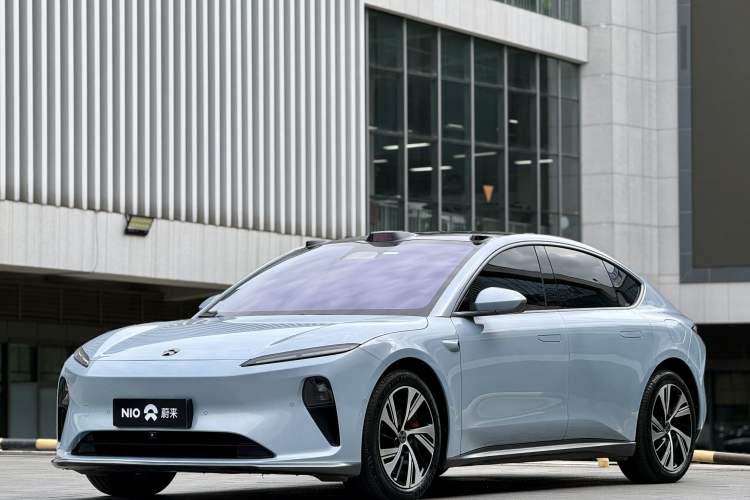
At the top sit the brands targeting Audi, BMW, and Mercedes directly. NIO is the most distinctive, pairing a genuinely premium product with its signature battery-swap network that lets owners exchange a depleted pack for a full one in minutes. Its EL6 is pitched against the Audi Q8 e-tron and BMW iX3, and, as we will see, its reliability scores back the positioning up. Zeekr is Geely's cool-premium brand, sharing engineering with Volvo and aiming at the same German-badge buyers with sharp design and strong technology. Both ask premium money and, broadly, deliver a premium experience, which is exactly why they are the brands most likely to change a skeptic's mind.
The tech-forward middle: XPeng
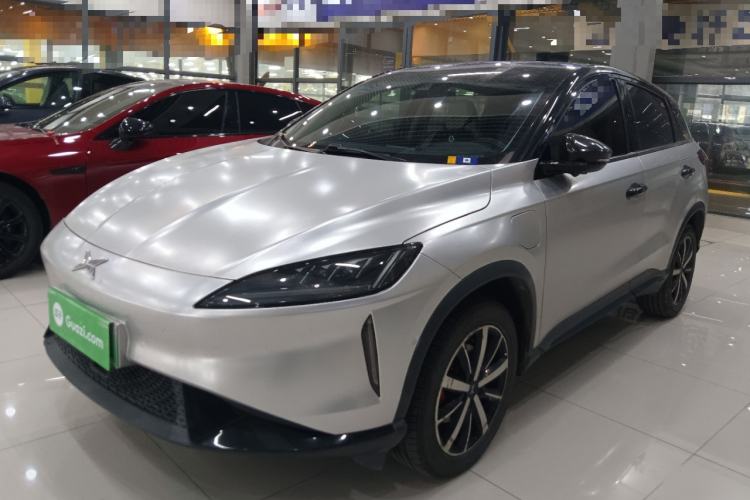
XPeng occupies the tech-forward middle. Its identity is built on advanced driver assistance and highway autonomy, and it prices itself in Tesla-adjacent territory rather than chasing the premium badges. For a buyer whose priority is the most capable software and driver-assistance suite for the money, XPeng is usually the brand to look at first. It is the clearest example of a Chinese brand competing on capability rather than just price.
The dependable mainstream: BYD and MG
The mainstream is where most buyers should actually start, and it is anchored by two names. BYD is the all-rounder, with 5-star safety across its range, the stable LFP Blade battery, and a lineup that covers nearly every mainstream need without drama. MG is the value spearhead, carrying a familiar old badge, the widest dealer coverage of any Chinese brand across the UK and Europe, and one of the best warranties in the business. Neither is trying to be exotic, and that is the point: for a buyer who wants a safe, sensible, no-surprises Chinese EV, this tier is the answer.
The budget edge: where entry brands sit
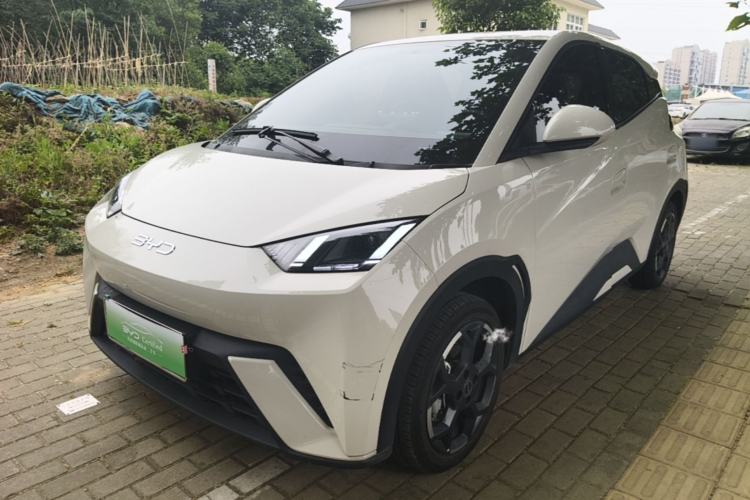
At the entry end sit the genuinely cheap city cars, such as BYD's sub-compact Seagull and Surf models that land below the equivalent of $20K in markets where they are sold. These make excellent sense for a specific job, a low-cost urban runabout, but the trust calculus shifts: you should weigh the shorter warranty, simpler equipment, and faster depreciation against the low entry price. They are good buys with clear eyes, not all-rounders.
The trust signals worth believing: NCAP, J.D. Power and warranty
Marketing claims are easy to dismiss, so the useful trust signals are the independent ones, and on those the better Chinese brands now perform genuinely well. Two studies and one contract term carry most of the weight.
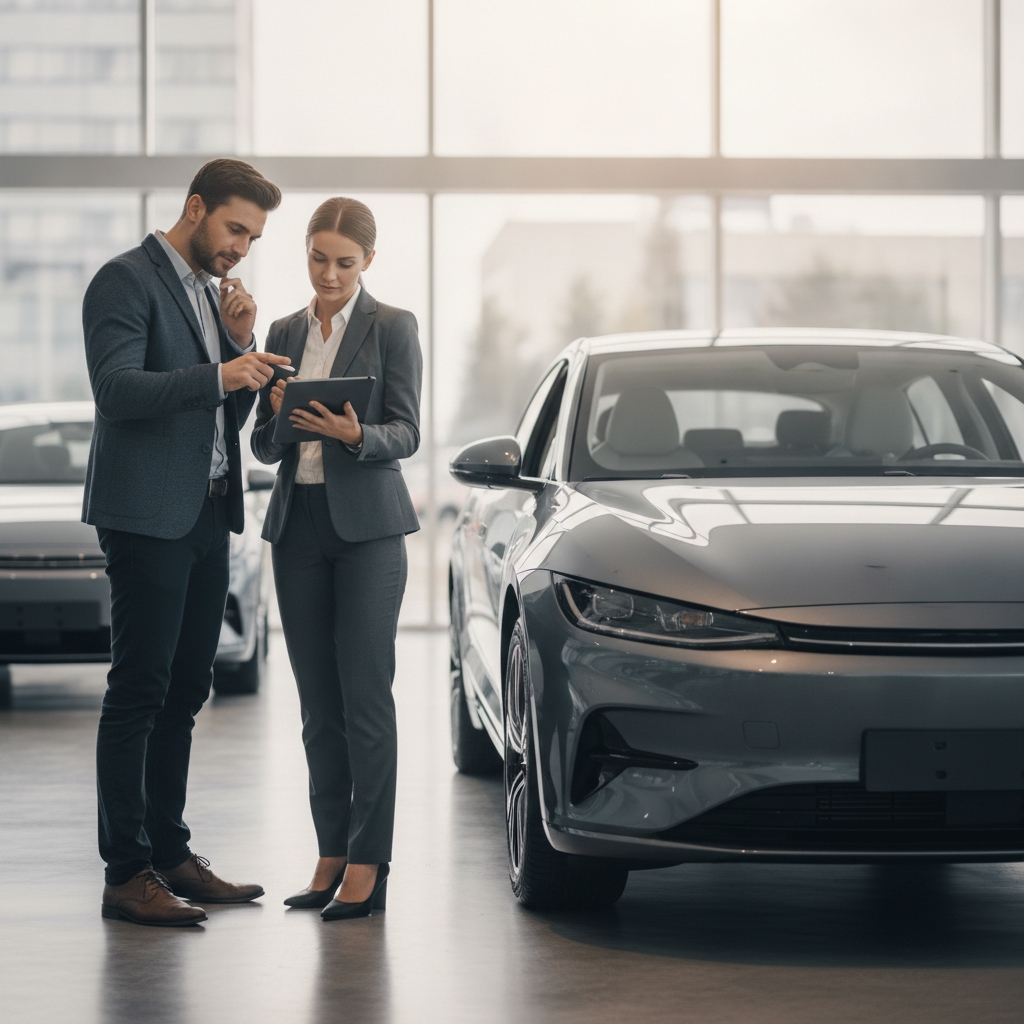
What a 5-star Euro NCAP and 92 PP100 actually tell you
On safety, the signal is clear and strong. The BYD Seal, BYD Dolphin, MG4, and NIO ET5 and ET7 all carry 5-star Euro NCAP ratings, matching the scores of cars like the Mercedes EQE and BMW iX. Crash safety is one area where the best Chinese EVs are simply no longer at any disadvantage. On reliability, the standout figure comes from J.D. Power's 2025 study, where NIO scored around 92 problems per 100 vehicles, matching BMW and sitting far ahead of the roughly 226 PP100 mass-market industry average. The broader pattern in that data is consistent: premium Chinese brands clearly beat the mass-market average, and 2022-and-newer Chinese EVs rate average-to-above on powertrain and above average on safety. The one persistent soft spot, which we will not gloss over, is software and electronics, where the same cars tend to score below average.
Buy It Now
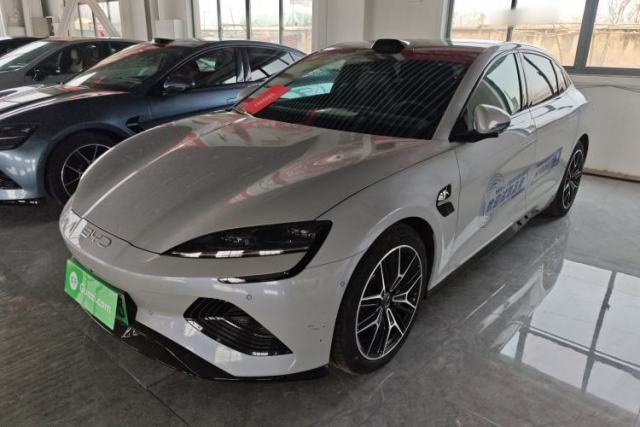
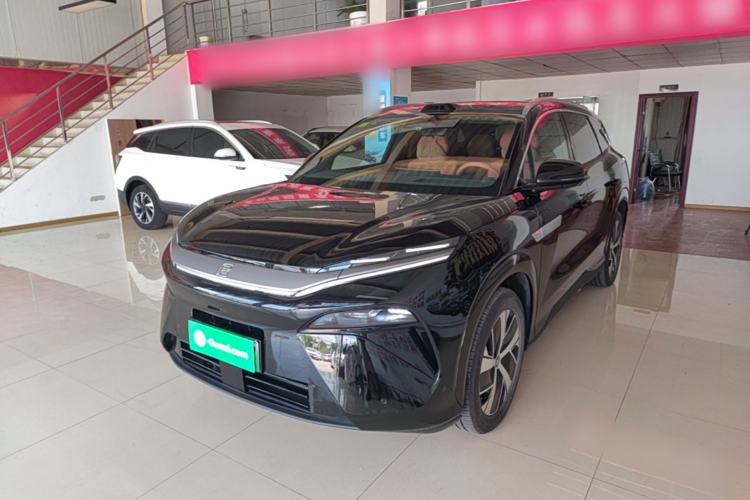
GradeSUsed BYD Seal 2025 650 Intelligent Driving Version Certified DealerCertified Dealer
 Guazi InspectedGuazi Inspected
Certified DealerCertified DealerNear-new car
Near-new car
Guazi InspectedGuazi InspectedOriginal paint
Original paint
FOB Price:$24,865

Why a 7-year warranty is itself a signal
Warranty length is more than a practical protection, it is a maker telling you how much risk it is willing to carry on its own product. MG's 7-year or 150,000 km warranty is among the best in the industry, and many Chinese entrants now offer 7 or 8 year terms specifically to signal confidence to wary buyers. A long warranty does not guarantee reliability, but a maker that backs its cars for seven or eight years is making an expensive bet that they will hold up, and that bet is itself a data point worth weighing. When you are choosing between two brands you do not know well, the one prepared to stand behind its car for longer is telling you something real.
The signal nobody else can show you: how these brands hold value used
Here is the trust signal almost no other guide can offer, and it is the truest one of all, because resale is the verdict the whole market passes on a car after people have actually lived with it. A brand can score well on every lab test and still bleed value on the used market if buyers do not trust it, and the reverse is also true. Guazi is one of China's largest used new-energy-vehicle platforms, running a standardized multi-point inspection on these brands every day, which gives us a first-hand read on which ones actually hold up and hold value after a few years, rather than how they look on a press release.
What that inspection-ramp view broadly shows, and we say this carefully and grounded in the China used market, is that the established names, BYD, MG, NIO, and the Geely-linked brands, tend to present well years on, with battery health that holds and resale that reflects genuine buyer confidence. The premium brands hold value better in absolute terms, as premium cars usually do, while the mainstream brands hold up well on physical condition and battery health even where their resale price has softened. The obscure, short-history brands are the riskier resale proposition, simply because the used market has less confidence in names it does not know. This is the single most credible trust signal a buyer can get, but it is honestly bounded: it is a China-market read, and overseas resale will track local demand and service coverage, so treat it as the direction of travel rather than a precise forecast for every country.
| Brand tier | Reliability signal | Resale tendency (China read) | Trust takeaway |
|---|---|---|---|
| Premium (NIO, Zeekr) | Best, NIO around 92 PP100, matching BMW | Holds value best in absolute terms | Strongest all-round trust, premium price |
| Tech-forward (XPeng) | Strong, software the soft spot | Moderate, software-dependent | Trust the capability, check OTA history |
| Mainstream (BYD, MG) | Solid, 5-star safety, stable LFP | Condition and battery hold up well | The safe default for most buyers |
| Entry (Seagull, Surf) | Adequate for the price | Faster depreciation | Good with eyes open, not an all-rounder |
| Obscure, no track record | Unproven | Weakest, low buyer confidence | Approach with the most caution |
Want to see how a specific brand actually holds up before you commit? See inspected, value-checked Chinese EVs
The caveats no honest guide skips: software, service and depreciation
A trust guide that only listed strengths would be useless, so here are the real weaknesses, stated plainly, because they apply across even the better brands. First, software and infotainment quality varies more than anything else, and it is the area where independent reliability data consistently puts Chinese EVs below average. Some brands' systems are excellent and some are buggy, and over-the-air update quality differs sharply, so it is worth reading recent owner feedback on the specific model year. Second, after-sales networks are thinner than the established incumbents in most markets, and they vary enormously by country. A brand with strong coverage in one nation may have almost none in the next, and for a car you plan to keep years, local service presence matters as much as any spec. Third, depreciation is faster in the first one to three years than for established European and Japanese brands, partly because the segment is young and partly because makers keep launching newer trims. Fourth, active-safety systems such as lane-keeping, automatic emergency braking, and adaptive cruise, while improving fast, can still trail the best Western-market cars in real-world refinement, even where the crash-test star ratings match.
The practical rule that experienced buyers follow is simple: stick to the established names, BYD, MG, NIO, XPeng, and Zeekr, over obscure ones, because the established brands have the track record, the service footprint, and the resale confidence that the unknowns do not. None of these caveats means you should avoid Chinese EV brands. They mean you should buy the right one, with clear eyes, and check the regional realities before you sign.
Which Chinese EV brand is right for you?
The whole point of the framework is to land on a brand that fits you, so here is the matching logic in plain terms. Read for the buyer you actually are.
If you want premium feel and the best reliability scores
Look at NIO or Zeekr. They ask premium money but deliver a premium experience, and NIO's BMW-matching reliability score is the strongest in the group. NIO's battery-swap network is a genuine differentiator if it exists where you live, and Zeekr's shared engineering with Volvo gives it a reassuring pedigree. This is the tier that most reliably converts a skeptic, provided the after-sales network is real in your market.
If you want the most tech for the money
XPeng is the brand to shortlist. Its driver-assistance and software capability lead the group at prices well below the premium badges. The trade-off is that software is also the category's soft spot, so read recent owner feedback on the specific model year and confirm the over-the-air update track record before you buy.
If you want the safe, no-drama mainstream choice
Start with BYD or MG. BYD's 5-star safety and stable LFP Blade battery make it the sensible all-rounder, and MG's class-leading warranty and wide dealer coverage make it the easiest brand to actually live with and service. For the large majority of buyers who want a dependable Chinese EV without surprises, this is the right tier and the right place to begin.
If you're buying on price and keeping it short
Consider the entry brands, such as BYD's Seagull or Surf, but go in clear-eyed. The low price is real and the value is genuine for a city runabout, but weigh the shorter warranty, simpler equipment, and faster depreciation. If you plan to keep the car only a few years and drive mostly in town, the budget tier can be a smart buy. If you want to keep it long or rely on it for distance, step up a tier.
Buying with confidence: how Guazi de-risks a used Chinese EV
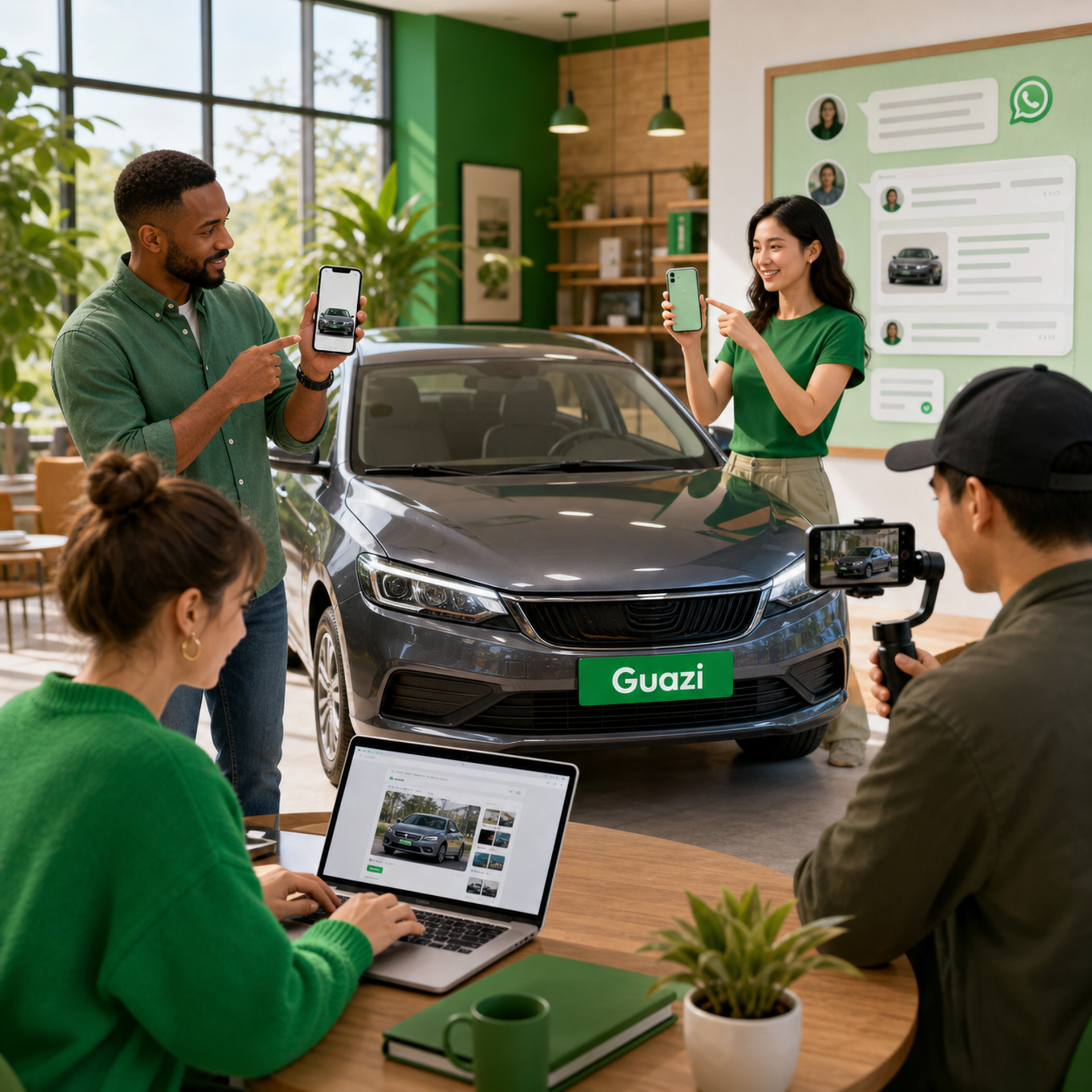
Whichever brand fits you, the single biggest way to reduce risk is to buy a used example that has been properly inspected, because on a fast-depreciating EV a one to two year old car is often the smarter money, and a standardized inspection turns the brand-trust question into a car-by-car certainty. Guazi's model is built for exactly this: a multi-point inspection that produces a digital condition report, battery-health checks for new-energy cars, and a 100-day battery-decay guarantee that puts the single most important number, battery state of health, in writing. Decide which brand suits you using the framework above, then let a verified condition report rather than a sticker or a sales pitch confirm the individual car. See inspected, value-checked Chinese EVs at Guazi
Key Takeaways
- Trust in a chinese ev brand splits hard by brand. Judge each on reliability, safety, warranty, after-sales, and resale, not on price or a single review.
- NIO leads on independent reliability at around 92 PP100, matching BMW, and the best Chinese EVs carry 5-star Euro NCAP safety ratings.
- The honest caveats apply across the field: below-average software, thinner service networks, faster early depreciation, and an active-safety gap versus the best Western cars.
- Match the brand to yourself: NIO or Zeekr for premium and reliability, XPeng for tech, BYD or MG for the safe mainstream, entry brands for a short-term city car.
- Resale is the truest trust signal, and our China-market read shows established names hold up best. Buy a used example on a verified inspection and battery report to turn brand trust into car-by-car certainty.
Sources & References
- Euro NCAP, safety ratings
- J.D. Power, vehicle dependability study
- Wikipedia, NIO Inc.
- Wikipedia, XPeng
Trying to decide which Chinese EV brand to trust with the next few years of your driving?
Our team can match you to a brand that fits and confirm any individual car's condition and battery health before you commit.



About Us
Get Support
Follow Us


Copyright © 2015~2026 https://en.guazi.com/, Chongqing Guazi Enterprise Consulting Service Co., Ltd. All rights reserved.