


Guazi
GlobalEnglish


Makes
Buy It NowAuctionsUp to 160 psPort StockAll VehiclesPopular Makes


Shop By Type


Popular Models


Shop By Budget

Who Actually Builds China's Electric Cars in 2026
Article OverviewA clear map of the Chinese EV makers in 2026, BYD, SAIC, Geely, Chery and the new wave, their scale, platforms and the brands they own.
A note on the numbers in this guide. The sales, revenue and export figures here are 2026 reference points, most of them carrying the month they were reported, compiled in June 2026 from industry trackers and company filings. These numbers move every month, so read them as a snapshot of scale rather than a live ticker, and check the latest tables if you need an exact current figure.
Who Actually Builds China's Electric Cars in 2026
For years the phrase "made in China" attached to a car implied a cheap copy of something better. In 2026 that assumption is simply wrong, and the scale of how wrong it is surprises most people. A handful of chinese ev makers now build more electric cars than anyone else on earth, took close to 10% of Europe's new-energy-vehicle market in a single quarter, and quietly own brands you already trust, yes, including Volvo. This guide is the map of who they actually are.
The aim here is orientation, not shopping. We organize the field the way the industry itself does: the legacy giants that pivoted to electric at enormous volume, the export champions selling more abroad than at home, and the new-wave pure-plays that started electric and never built anything else. We add the technology that ties them together, the dedicated EV platforms and the LFP batteries, and we close with a view almost no industry tracker offers, what the used market reveals about which of these makers actually build cars that hold up. This is deliberately about the companies. If you want a list of specific cars to buy we link to that, and if you want a verdict on which brand to trust we link to that too. Here, you get the lay of the land.
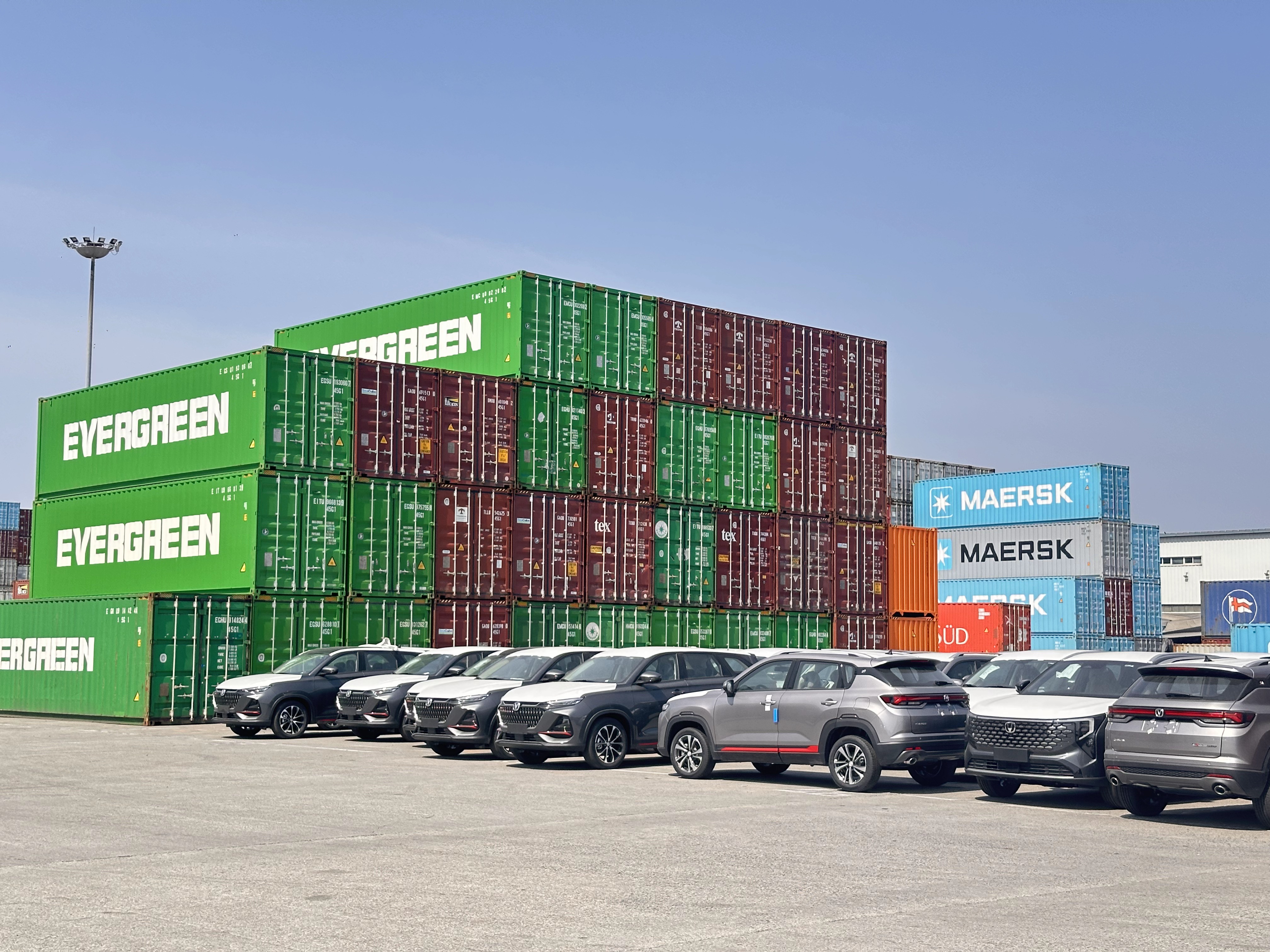
Quick map: the Chinese EV makers at a glance
- The volume king: BYD, the world's largest new-energy-vehicle maker, and the only Chinese automaker in the global top ten by revenue.
- The volume heavyweight: SAIC, China's largest automaker overall, and the company behind the MG badge sweeping Europe.
- The quiet conglomerate: Geely, which owns Volvo, Polestar, Lotus and Zeekr and co-owns Smart with Mercedes.
- The export champion: Chery, which sends more than 70% of its volume abroad and most buyers have never heard of.
- The new wave: Leapmotor, Zeekr, XPeng and NIO, the pure electric brands defining the premium and tech-forward edge.
- The common thread: dedicated EV platforms, LFP battery chemistry, and a speed of iteration the legacy industry cannot match.
Why "Chinese EV maker" stopped being a footnote
The numbers are the story, so start there. In 2024 BYD alone built more than three million electric and plug-in hybrid vehicles, and by early 2026 it was selling on the order of 377,000 passenger cars in a single month, with overseas sales accounting for more than 40% of its volume. Zoom out from any one company and the pattern holds: Chinese brands took roughly 10% of Europe's NEV market in the first quarter of 2026, and more than 811,000 Chinese-built cars were sold across Europe in 2025, around a 6% share of the whole market. These are not the figures of a fringe industry. They are the figures of a sector that has become structurally central to the global car business in well under a decade.
What changed was not a single breakthrough but a compounding of advantages: an enormous and competitive home market, deep control of the battery supply chain, dedicated electric platforms designed without combustion compromises, and a willingness to iterate models on a timescale that leaves legacy makers flat-footed. The result is that chinese ev manufacturers now set much of the pace on price and battery technology, and the rest of the industry is reacting to them rather than the other way around. Understanding who these companies are has stopped being a curiosity and become basic literacy about where the car world is going.
How to read this list: legacy giants vs new-energy pure-plays
The field looks chaotic from the outside, but it sorts cleanly once you know the two main groups. The first is the legacy giants, the established Chinese automakers, often state-linked or decades old, that built combustion cars at scale and then pivoted hard into electric. BYD, SAIC, Geely, and Chery all sit here, and their advantage is sheer manufacturing muscle and existing export channels. The second group is the new-energy pure-plays, companies that started this century and have only ever built electric cars. Leapmotor, Zeekr, XPeng, and NIO live here, and their advantage is software, design, and a freedom from legacy thinking, though they generally operate at smaller volume.
A second axis cuts across both groups: ownership. Several of the most familiar names in the West are not independent at all but sit inside these Chinese parents, which is the single fact in this guide that surprises readers most. Keep both lenses in mind, legacy versus pure-play, and parent versus brand, and the rest of the map falls into place. Below we profile the four giants in turn, then the new wave as a group.

BYD: the maker that out-built everyone
If you learn one Chinese EV maker, learn BYD, because it sits at the top of nearly every metric that matters. It is the world's largest manufacturer of new-energy vehicles, the only Chinese automaker in the global top ten by revenue, and the company that, more than any other, forced the rest of the industry to take Chinese EVs seriously.
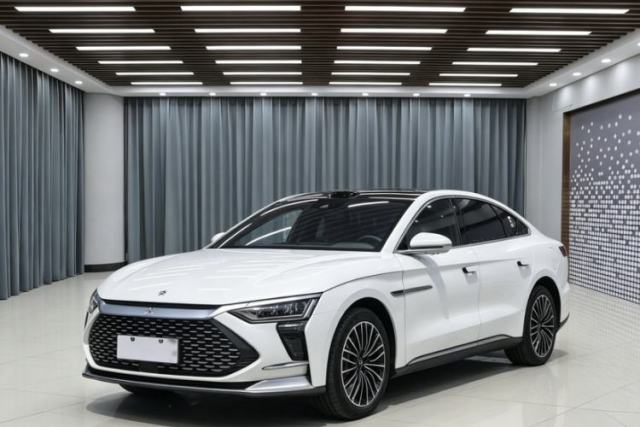
The scale, in plain numbers
The figures are genuinely hard to overstate. BYD built more than three million electric and plug-in hybrid vehicles in 2024, posted revenue on the order of 804 billion yuan, and by early 2026 was running at roughly 377,000 passenger cars a month, with overseas sales already more than 40% of its volume and a stated export target around 1.3 million units for 2026. It does this partly because it is vertically integrated to a degree almost unheard of in the modern car industry, building its own batteries, semiconductors, and much of its own supply chain in-house. That integration is why it can move on price faster than rivals who buy those components from someone else.
The Blade battery, and why it is their real moat
BYD's deepest advantage is not a model, it is a battery. The Blade Battery, an LFP design built by BYD's FinDreams unit, packages cells in a way that is unusually safe, resisting the thermal-runaway failure that plagues some other chemistries, and unusually space-efficient. The second-generation Blade pushes fast charging to a claimed 10% to 97% in around 9 minutes, and holds up in extreme cold, with a quoted 20% to 97% charge in about 12 minutes at minus 30 degrees Celsius. Because BYD makes these packs itself and sells them to other automakers too, the Blade battery is both a product advantage and a business in its own right. It is the clearest single reason BYD can build a competitive EV cheaper than almost anyone.
SAIC: China's volume heavyweight, and the MG badge it sends abroad
If BYD is the new-energy king, SAIC is the volume heavyweight. It is China's largest automaker by total output, building more than five million vehicles a year across all powertrains, with revenue around 650 billion yuan that places it near twelfth in the world. For decades it was best known internationally for its joint ventures with Volkswagen and General Motors, but in the EV era its most visible export is a badge most Western buyers assume is still British.
Why MG is the spearhead in Europe
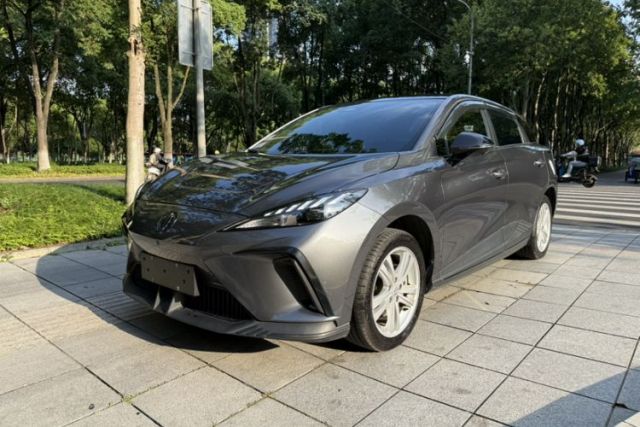
MG is the spearhead of SAIC's overseas push, and it is a clever piece of brand strategy. The name carries nearly a century of British heritage and instant familiarity, but the company has been owned by SAIC since 2007, and today MG is a thoroughly Chinese-engineered EV brand wearing a trusted old badge. That combination, a familiar name on genuinely competitive electric cars at aggressive prices, is why MG has become one of the best-selling Chinese marques in Europe, often outselling the more obviously Chinese brands precisely because buyers do not perceive it as a risk. SAIC also owns the premium IM brand and has set an export target around 1.5 million units for 2026. MG is simply the part of SAIC the rest of the world sees first.
Geely: the quiet conglomerate that owns Volvo, Polestar and Zeekr
Geely is the most quietly surprising company on this list, because the brands it owns are far more famous than the parent itself. If you have ever considered a Volvo, a Polestar, a Lotus, or a Zeekr, you have considered a Geely product. The company also co-owns Smart with Mercedes-Benz and owns Malaysia's Proton, making it less a single carmaker than a conglomerate of badges, with revenue around 300 billion yuan and a place in the global top twenty.
One platform, many badges
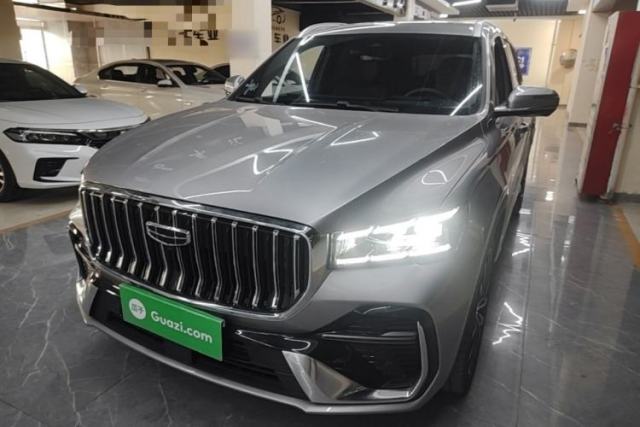
The thread that ties Geely's empire together is engineering, specifically its SEA platform, a dedicated electric architecture shared across wildly different brands. The same fundamental platform underpins the Chinese-premium Zeekr and the Swedish-badged Volvo EX30, which is why a buyer choosing a Volvo EX30 is, at the level of the bones, buying Geely's electric engineering with Volvo's safety reputation and dealer network on top. Geely's overseas momentum has been striking, with monthly exports in early 2026 running far above the prior year. The platform strategy is the point: build one excellent electric architecture, then dress it in whichever badge a given market trusts most.
Why this surprises Western buyers
Most Western buyers have no idea Volvo and Polestar sit under a Chinese parent, and the realization tends to reframe the whole "should I trust a Chinese EV" question. The honest takeaway is that the line between Chinese and European engineering has already dissolved at the platform level. A Volvo is no less a Volvo for being Geely-owned, but it is also, unavoidably, part of the Chinese EV story. This is exactly the kind of brand-trust judgment that deserves its own treatment, which is why we explore it in depth in our companion guide to the chinese ev brand landscape.
Chery: the export champion most buyers haven't heard of yet
Chery is the maker that proves a company can be huge in the export business while remaining nearly invisible to the average Western buyer. It is China's export champion, sending more than 70% of its volume abroad, and it became the first Chinese brand to ship more than 100,000 cars to Europe in a single quarter. Its strategy has been to grow fast in markets where the established names are weak, building a sprawling overseas presence under several sub-brands before most consumers in those markets could name it. With an export target around 1.5 million units for 2026, Chery is a reminder that the visible brands in Europe are only part of the picture. Some of the largest chinese ev makers by overseas volume are the ones you have not heard of yet, and Chery is the clearest example.
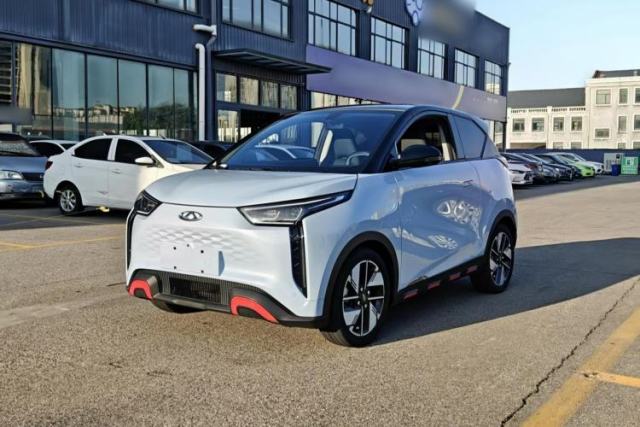
The new wave: Leapmotor, Zeekr, XPeng and NIO
Beyond the legacy giants sits a cohort of pure-play electric brands that started this century and have only ever built EVs. They operate at smaller volume but punch above their weight on technology and design, and they define the premium and tech-forward edge of the market. Leapmotor has been setting record global sales through 2026 and pairs aggressive value with a partnership that gives it European distribution reach. Zeekr is Geely's cool-premium brand, built on the same SEA platform and aimed squarely at Audi, BMW, and Mercedes buyers. XPeng has staked its identity on advanced driver assistance and highway autonomy, positioning itself as the most software-forward of the group at Tesla-adjacent prices. NIO occupies the premium end with a distinctive battery-swap model that lets owners exchange a depleted pack for a full one in minutes rather than waiting at a charger.
As a group, the new wave matters out of proportion to its volume, because these companies are where much of the genuine innovation in the sector originates, in software, in charging strategy, and in interior design. They are also the names most likely to define how Chinese EVs are perceived at the premium end of overseas markets over the next few years.
What ties them together: platforms, LFP batteries and speed
Step back from the individual companies and the same three advantages recur across almost all of them. The first is the dedicated electric platform, an architecture designed from scratch for batteries and motors rather than adapted from a combustion car, which yields better packaging, range, and cost. The second is battery chemistry, specifically the widespread use of LFP cells, which are cheaper, safer, and longer-lived than the nickel-rich alternatives, with BYD's Blade as the standout example. The third is sheer speed, a willingness to redesign and relaunch models on a cadence that legacy makers, weighed down by combustion legacies and slower development cycles, simply cannot match.
| Maker | Parent or owned brands | Scale signal | Tech anchor | Export note |
|---|---|---|---|---|
| BYD | FinDreams, Denza, Yangwang | Largest NEV maker, 3M+ in 2024 | Blade LFP battery | 40%+ of volume overseas, early 2026 |
| SAIC | MG, IM, JVs with VW and GM | China's largest by volume, 5M+ a year | Multiple EV platforms | MG the Europe spearhead |
| Geely | Volvo, Polestar, Lotus, Zeekr | Top-20 global, around 300B yuan | SEA platform | Record exports in early 2026 |
| Chery | Several export sub-brands | Export champion, 70%+ abroad | Value EV engineering | First Chinese brand 100K+ to Europe in a quarter |
| New wave | Leapmotor, Zeekr, XPeng, NIO | Smaller volume, premium edge | ADAS, battery swap, SEA | Defining the premium overseas push |
The signal the export numbers miss: what the used market says
Export tonnage tells you how many cars a maker ships. It does not tell you how those cars hold up once people have lived with them, and that is the view the trackers structurally cannot offer. Guazi is one of China's largest used new-energy-vehicle platforms, which means we see the downstream reality: which makers' cars actually circulate on the secondary market, hold up under inspection, and resell with their value and battery health intact. That is a maturity signal the export tables miss entirely.
What that downstream view broadly shows, and we say this carefully and from the China market, is that the makers with the deepest battery and platform engineering, BYD chief among them, tend to produce cars that present well on the inspection ramp years later, with battery health that holds and build quality that ages gracefully. The newer and smaller brands are a more mixed picture, simply because they have less history and less proven longevity behind them. None of this is a verdict on any single car, and overseas durability data is still thin, so treat it as a reality check on the scale story rather than a buying recommendation. The point is that the company that ships the most cars and the company that builds the most durable ones are not automatically the same, and the used market is where you find out which is which.
Curious which of these makers' cars are circulating on the secondary market? Browse used NEVs from these makers
What this means if you're buying one
If reading this map has you thinking about actually buying a Chinese EV rather than just understanding the industry, the next questions are not really about the companies at all. They are about which specific car fits your driving, and which brand you can trust with several years of ownership, and both deserve more than a paragraph here. For the model-by-model picks, sorted by use case and budget, see our companion guide to the best chinese ev cars to buy in 2026. For the trust-and-fit question, reliability, warranty, after-sales, and resale by brand, see our guide to the Chinese EV brand landscape. And if you decide a used example is the smart money, which on a fast-depreciating EV it often is, Guazi's standardized inspection and battery-health checks are built to de-risk exactly that purchase. Browse inspected used NEVs at Guazi
Key Takeaways
- A handful of chinese ev makers now lead the world on volume, with BYD the largest new-energy maker and the only Chinese automaker in the global top ten by revenue.
- The field sorts into legacy giants, BYD, SAIC, Geely, Chery, and new-energy pure-plays, Leapmotor, Zeekr, XPeng, NIO.
- Many familiar Western badges are Chinese-owned. Geely owns Volvo, Polestar, Lotus, and Zeekr, and SAIC owns MG.
- Their shared advantages are dedicated EV platforms, LFP batteries like BYD's Blade, and a speed of iteration legacy makers cannot match.
- Export numbers show who ships the most, but the used market shows who builds the most durable cars, and the two are not always the same.
Sources & References
- Wikipedia, Electric vehicle industry in China
- Wikipedia, BYD Blade battery
- Wikipedia, Automobile manufacturers and brands of China
- Rhodium Group, Chinese cars in Europe
Want to go from understanding the makers to owning one of their cars?
Our team can help you find an inspected used NEV from any of these manufacturers and confirm its battery health before you buy.


About Us
Get Support
Follow Us


Copyright © 2015~2026 https://en.guazi.com/, Chongqing Guazi Enterprise Consulting Service Co., Ltd. All rights reserved.