

World Cup Special • Save up to $1000 on selected vehicles

Guazi
GlobalEnglish


The Used Lexus ES Is the Calm, Reliable Luxury Sedan It Promises to Be
Article OverviewWhich generation to buy, why the ES 300h hybrid is so dependable, the real battery truth, the genuine checks, and what a clean one costs.
Quick answers
- Is a used Lexus ES a good buy? Yes. It is one of the most reliable luxury sedans on the market, the ES 300h hybrid most of all, so the real task is picking the right generation and confirming condition rather than fearing a fault.
- Which generation should I get? The XV70 (2019 onward) is the modern sweet spot, quieter and more efficient. The XV60 (2012 to 2018) is the value pick with a couple of early-car items to check.
- How long does the hybrid battery last? It is warranted for 10 years or 150,000 miles, and in real use these batteries commonly last 8 to 15 years before needing attention. Failure is gradual and checkable, not a cliff.
- ES 300h or ES 350? The hybrid is the sensible default for running cost, resale, and reliability. The ES 350 V6 is a fair choice if you want a simple petrol car with no battery to think about.
- What does it cost? A clean used ES is strong value for a luxury sedan because it holds its price. Treat any figure as a range and confirm against current local listings.
This guide walks through why the ES is so dependable, what each generation is, the hybrid and battery story in plain terms, the genuine watch-items kept in proportion, the hybrid-versus-petrol choice, pricing, and the one check that confirms the confidence the car already earns.
Most luxury sedan buying guides are about avoiding a repair bill. This one is mostly about confirming there is not one waiting for you. The used Lexus ES, and the ES 300h hybrid in particular, is one of the most dependable luxury cars you can buy, and that is rare enough that buyers half-expect a catch. There is not really one. The honest work here is to confirm the hybrid is as safe as you hope, explain the one thing worth checking, and help you pick the right generation without paying too much. Guazi enters this story as the inspection lens, because the only part of an ES a buyer cannot see from the outside is the hybrid battery, and that is exactly where a verified condition report earns its place.
Why the used ES is the calm, reliable luxury choice
Start with the truth that shapes everything else. The Lexus ES has a near-spotless dependability record, and the ES 300h hybrid sits among the most reliable luxury cars money can buy. Independent reliability surveys and owner-satisfaction scores put it at or near the top of its class year after year, with no widespread chronic faults. This is not marketing language. It is the genuine reason the car exists in this guide, and it is why the Lexus ES 300h reliability record is the spine of any honest review.
The character of the car matches the record. The ES is a comfort-first sedan, not a sports sedan. It rides softly, it is very quiet inside, and the materials feel a class above the price on the used market. It does not try to be sharp or fast, and that restraint is part of why it lasts. There is less to stress, less to wear, and fewer complicated systems to fail. For a buyer who wants a quiet, refined car that simply works, the ES is built to do exactly that.
So set the tone now. The value in this guide is not a long list of things to fear. It is confidence plus one check. The car is as safe as its reputation, and the rest of this piece tells you how to buy the right one and confirm the single thing you cannot see.
XV60 or XV70, what each one actually is
There are two used ES generations you will meet, and knowing them apart helps you buy the right car at the right price. Both are good. They simply suit different budgets and tastes.
XV60 (2012 to 2018): the first spindle-grille ES, the value pick
The XV60 was the first ES to wear the Lexus spindle grille, and it is the value choice today. It came two ways. The ES 350 used a 3.5-liter V6, around 268 horsepower, paired with a six-speed automatic, a smooth and strong petrol car. The ES 300h used a 2.5-liter four-cylinder hybrid making around 200 horsepower through an eCVT, the efficiency choice. This is the classic, comfortable, older ES, and a clean one is a lot of luxury sedan for the money. It carries a couple of early-car items to confirm, which the watch-items section covers, but none of them should scare you off a well-kept example.
Buy It Now
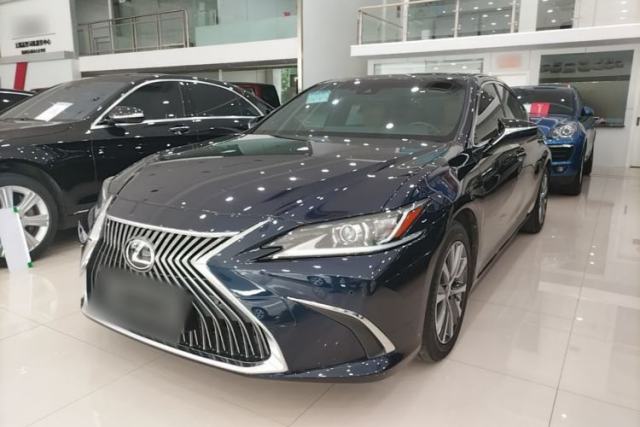
GradeAUsed Lexus ES 2018 200 Excellence Edition China V Standard Certified DealerCertified Dealer
 Guazi InspectedGuazi Inspected
Certified DealerCertified DealerGuazi InspectedGuazi InspectedFOB Price:$21,508$21,608

XV70 (2019 on): the GA-K car, quieter and more efficient
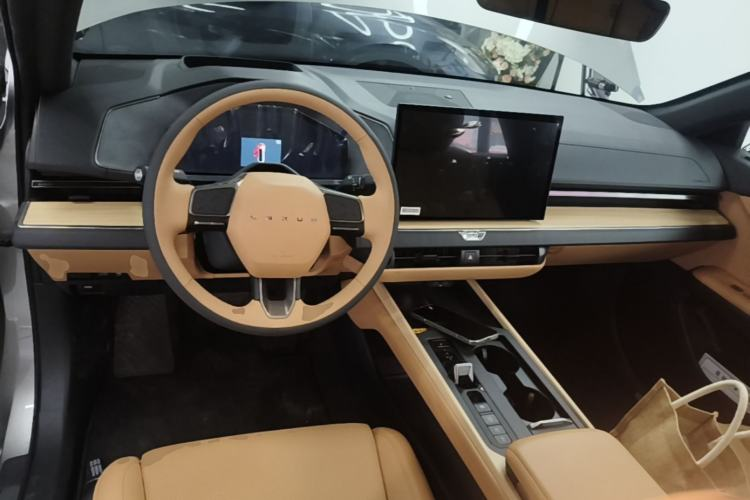
The XV70 arrived in 2019 on the GA-K platform, the same architecture under the Toyota Camry and Avalon. The petrol ES 350 gained an eight-speed automatic, and the ES 300h hybrid was refined further. This is the modern car, even quieter than before, more efficient, and the bulk of the desirable used pool now. If your budget reaches a clean XV70 ES 300h, it is the sweet spot of refinement, efficiency, and dependability, and it is the one most buyers should aim for.
Buy It Now
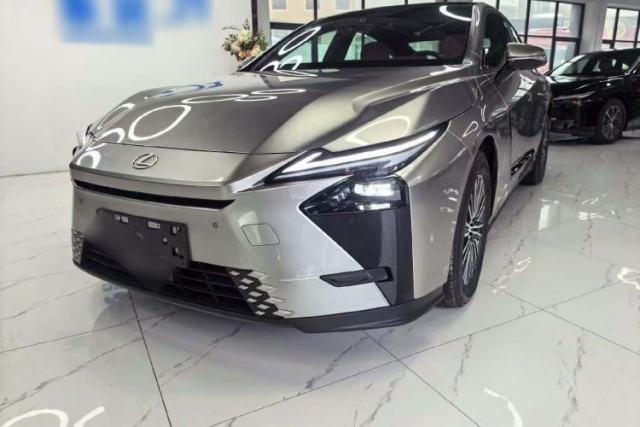
GradeSUsed Lexus ES 2026 Model 300h Base VersionCertified DealerCertified DealerGuazi InspectedGuazi Inspected
Certified DealerCertified DealerNear-new car
Near-new car
Guazi InspectedGuazi InspectedOriginal paint
Original paint
FOB Price:$47,463
The hybrid, explained, and why the battery is not the worry you think
Here is the part buyers actually lose sleep over, so let us settle it plainly. The ES 300h is a self-charging hybrid. It pairs a petrol engine with an electric motor and a battery, and it charges itself as you drive and brake. You never plug it in. The system decides when to use the engine, the motor, or both, and in the city it runs on electric power often enough to cut fuel use sharply. There is nothing for the driver to manage. You just drive it like a normal automatic.
Now the Lexus ES hybrid battery, which is the heart of the worry. Lexus warrants the high-voltage battery for 10 years or 150,000 miles, and that warranty covers the battery falling below a set capacity, not just total failure. In real use, these batteries are famously long-lived. Owners commonly report 8 to 15 years, or roughly 100,000 to 150,000 miles and often well beyond, before the battery needs any attention at all. The key point for a buyer is the shape of the risk. A hybrid battery does not usually die suddenly. It fades slowly, which means a proper check can measure its health before you buy. This is a gradual, measurable thing, not a cliff edge.
If a battery ever does need replacing, the cost is far less frightening than rumor suggests. Independent specialists supply rebuilt or replacement packs for roughly 1,300 to 3,000 USD, while a full dealer high-voltage battery job can run higher depending on the car and the work involved. Treat those as illustrative ranges, not quotes. The honest message is simple. A failure is rare, it is gradual, and it is checkable, and even in the worst case it is a known repair with a known price, not an open-ended disaster.
There is a bonus most buyers do not expect. Hybrid maintenance is actually lighter than a normal petrol car. There is no conventional alternator or starter motor to wear out, and the brakes last a long time because the car slows itself using the motor much of the time, which spares the brake pads. The main hybrid-specific service items are brake-fluid and inverter-coolant changes. So the hybrid does not add running cost. In day-to-day use, it tends to lower it.
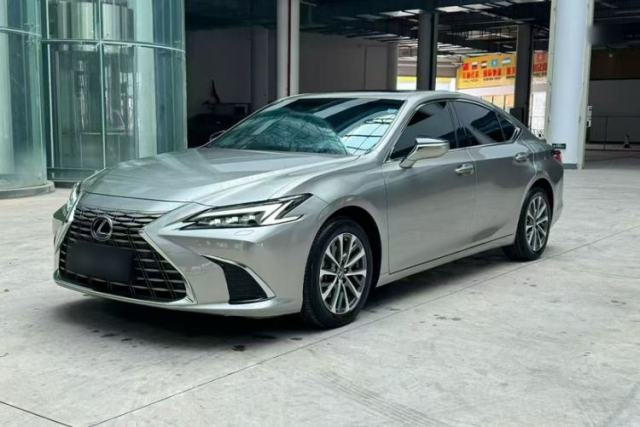
The genuine problems to check, kept in proportion
An honest review names the real watch-items without inflating them, so here they are, framed as things to confirm rather than things to fear. The ES does not have a model-wide epidemic. It has a short, specific list, and most of it lives on the early cars.
On the early XV60, around the 2013 model year, some owners reported behavior in the brake-actuator or brake-booster area, and a few reported water-pump or inverter coolant-pump faults, often showing up as a code around the coolant-pump circuit at higher mileage. These are real but limited, tied to the early cars, and they are exactly the kind of thing a proper inspection catches. Separately, a brake-booster-pump recall affected certain 2019 hybrids, the ES 300h among other Lexus models, so a quick VIN recall check is worth doing on any car from that year. Beyond that, the occasional air-conditioning or HVAC compressor niggle shows up now and then, as it does on most cars of this age.
The table below sets the list out plainly. Read it as a checklist for the test drive and the inspection, not as a warning to walk away.
| Where to look | Genuine watch-item | What to check |
|---|---|---|
| Early XV60 (around 2013) | Brake-actuator / booster behavior | Firm, consistent brake feel; no warning lights; have it scanned |
| Early XV60, higher mileage | Water-pump / inverter coolant-pump | No coolant-pump fault codes; coolant level and condition |
| 2019 ES 300h hybrids | Brake-booster-pump recall | VIN check that the recall work has been completed |
| Any year | HVAC / AC compressor | Cold, steady air conditioning on the test drive |
None of this changes the headline. The ES is a reliable car. These are the few specific things that separate a well-kept example from a neglected one, and confirming them is the whole job.
ES 300h hybrid or ES 350 V6, the choice that actually matters
This is the real decision for most buyers, so treat it as a genuine either-way choice rather than a trick question. The Lexus ES 300h vs ES 350 comparison comes down to what you value.
The ES 300h hybrid is the sensible default. It is the running-cost champion, it holds its value the best, and it is the reliability star of the range. For the large majority of used buyers, it is the right pick, full stop. The ES 350 V6 trades that efficiency for a smooth, strong, simple petrol drivetrain. Some buyers genuinely prefer it. It pulls harder when you ask for outright performance, it is mechanically straightforward, and it has no hybrid battery to think about at all, which appeals to people who would rather keep things conventional. Neither choice is wrong. If you want the lowest running cost and the best resale, buy the hybrid. If you want effortless V6 smoothness and a simpler drivetrain, the ES 350 is a fair and honest pick. The hybrid is the default, not the only answer.
What a used ES costs, and why it holds its value
Price is part of the appeal here, because the ES holds value well for a luxury sedan, and it does so precisely because of its reliability reputation. A car that everyone trusts to last does not lose money the way a fragile rival does, which makes a clean used example a strong value proposition rather than a cheap gamble. Used prices move and vary by market and source, so use the bands below as a shape, not a quote, and confirm against current local listings before you commit.
| Generation and age | Indicative USD band | What you are looking at |
|---|---|---|
| XV60 ES 300h / ES 350 (2012 to 2018) | Lower band | The value pick; check the early-car items and history |
| XV70 ES 350 (2019 on) | Middle band | Modern petrol car, eight-speed auto, smooth and simple |
| XV70 ES 300h (2019 on) | Upper band | The sweet spot; best efficiency, refinement, and resale |
The hybrid's strong residual values and low running costs are the value spine. You pay a little more for a clean ES 300h up front, and you get it back in fuel saved and in resale when you sell. That is the quiet math that makes the ES such a sensible used luxury buy.
Who should buy a used ES, and the one check that confirms it
The ideal ES buyer wants a quiet, refined, dependable luxury sedan and is not chasing sharp handling or outright speed. If that is you, the ES is one of the safest luxury cars you can buy used. The character is calm, the record is excellent, and the running costs on the hybrid are low.
The one check that turns confidence into certainty is the hybrid-battery state of health. Because the battery fades gradually rather than failing suddenly, its real condition can be measured, and that single number tells you whether a given ES 300h has plenty of life left. Pair that with a normal test drive, where you confirm firm brakes, cold air conditioning, no warning lights, and a smooth, quiet drive, and you have covered the entire honest checklist for this car. On a reliable car, the inspection is not about finding faults. It is about confirming the one thing you cannot see, so that "should be fine" becomes "confirmed fine."
Buying a used ES the smart way, and how Guazi helps
The same ES generations Guazi inspects in its home market are the cars buyers want everywhere, and the hybrid drivetrain sits squarely in Guazi's strongest competence. Guazi is one of China's largest used-car platforms and is China's number one used new-energy-vehicle platform domestically, so hybrid and electric drivetrains are core ground, not a side skill. Every car Guazi handles goes through an inspection of over 200 points by certified technicians, feeding a full digital condition report. For an ES, that report verifies the hybrid-battery state of health, the hybrid-system health, and the early-car items like the brake-actuator and coolant-pump notes, written down as data rather than guessed from a photo. On a car this dependable, the inspection is what confirms the confidence the badge already earns.
See how every car is inspected, battery health included
The bottom line on the used Lexus ES
- Reliability: among the most dependable luxury sedans, the ES 300h hybrid most of all.
- Generation: XV70 (2019 on) is the modern sweet spot; XV60 (2012 to 2018) is the value pick.
- The hybrid: the battery is warranted 10 years or 150,000 miles and commonly lasts far longer; failure is gradual and checkable.
- Hybrid or petrol: the ES 300h is the sensible default; the ES 350 V6 is a fair, simpler choice.
- Watch-items: a short, honest list on the early cars, not a model-wide problem.
- The one check: confirm hybrid-battery state of health, and the confidence is complete.
Summary
The used Lexus ES is one of the easiest luxury sedans to recommend, because it delivers exactly what it promises: quiet, comfortable, dependable motoring with very little to fear. The ES 300h hybrid is the star, with a near-spotless record and a battery that lasts far longer than buyers expect. Pick the right generation for your budget, treat the early-car items as a quick checklist rather than a warning, and confirm the one thing you cannot see, the battery state of health. Do that, and the ES rewards you with the calm, reliable luxury it has always promised.
Ready to source an inspected used car from China?
Browse Guazi's export-ready inventory →





About Us
Follow US


Copyright © 2015~2026 https://en.guazi.com/, Chongqing Guazi Enterprise Consulting Service Co., Ltd. All rights reserved.