
Guazi
GlobalEnglish


How to Buy a Used Fiat 500 in Algeria Without Inheriting the Gearbox Everyone Warns About
Article OverviewAn honest used Fiat 500 Algeria buyer's guide: manual vs Dualogic, which engine to choose, the DZD price to expect, what to inspect, and the diesel-ban import line.
Read this first. This is a buyer's guide, not gospel. Model years, trims, and especially prices move, and the figures below are compiled in June 2026 from local listings and reputable reviews, so treat every dinar amount as soft and verify it against fresh ads before you commit. On the import side, Algeria resets its vehicle rules yearly through the Loi de Finances, and the Algerian Customs (Douanes Algériennes) are the only authority on what may enter the country. Guazi is the China-side supplier of inspected used cars, not your clearing agent or legal adviser in Algeria, so confirm your own eligibility on the ground. Nothing here is a guarantee of clearance.
You do not stumble into a Fiat 500. Almost nobody wakes up needing one the way they need a pickup or a family wagon. They see it, parked at an angle on a steep medina lane with its round headlamps and its cheeky stance, and they decide, quietly, that they want it. That is the whole appeal, and it is a fine reason to buy a car. The trouble is that affection makes a careless shopper, and a careless shopper buying a used Fiat 500 Algeria sellers price by the photo can walk straight into the two faults that separate a good one from a money pit: the wrong gearbox and the wrong engine, on a car that also happens to rust and rattle faster than most of its rivals. Get those right and the 500 is exactly as charming to own as it looks. Get them wrong and the charm gets expensive fast, which is the part the showroom smile never mentions, and the reason this guide exists.
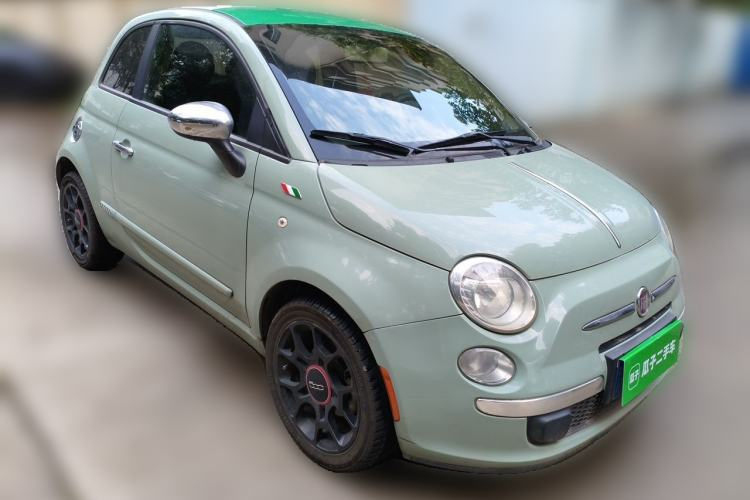
So here is the deal, plainly. We are going to keep the romance and add the discipline. This guide covers why the little Fiat genuinely suits Algerian city driving, the manual-versus-Dualogic decision that matters more than any other, the engine map for a used buyer (the simple 1.2, the characterful TwinAir, the modern 1.0 mild hybrid), what a clean one actually costs in DZD, the faults worth checking before money changes hands, and the import line that rules certain 500s out of the country entirely. Throughout, the lens is the one Guazi knows best, an over 200-point inspection feeding a verified condition report, because on a car this cheap to mis-buy, knowing exactly what you are getting is worth more than the small saving a rushed deal protects.
Why the 500 fits Algerian city life
Start with the obvious, because the obvious is the point. Algerian cities were not built for big cars. The old quarters of Algiers, Oran, and Constantine are a lattice of narrow streets, blind corners, and parking spaces that open and vanish in seconds, and the modern arteries spend rush hour as a slow river of metal. A car that is 3.5 metres long, turns in its own length, and slips into a gap a sedan would drive past is not a novelty here, it is a genuine tool. The 500 threads traffic, parks where nothing else fits, and sips fuel doing it. For a single commuter, a student, or a second car for the household errands, the case almost writes itself.
There is a local anchor to the affection too, and it is worth understanding because it shapes the whole used market. Fiat assembles the 500 at the Tafraoui plant near Oran, with the mild-hybrid version as the headline new model. One thing to be precise about straight away: that locally-built 500 Hybrid is the new car, and this guide is about the used market. The two are connected, though, because a healthy stream of new sales feeds a steady supply of older cars into the second-hand pool, and it props up parts availability and local familiarity with the model. A 500 is not an orphan in Algeria. Mechanics know it, parts move, and that matters more for a small Italian car than buyers tend to expect.
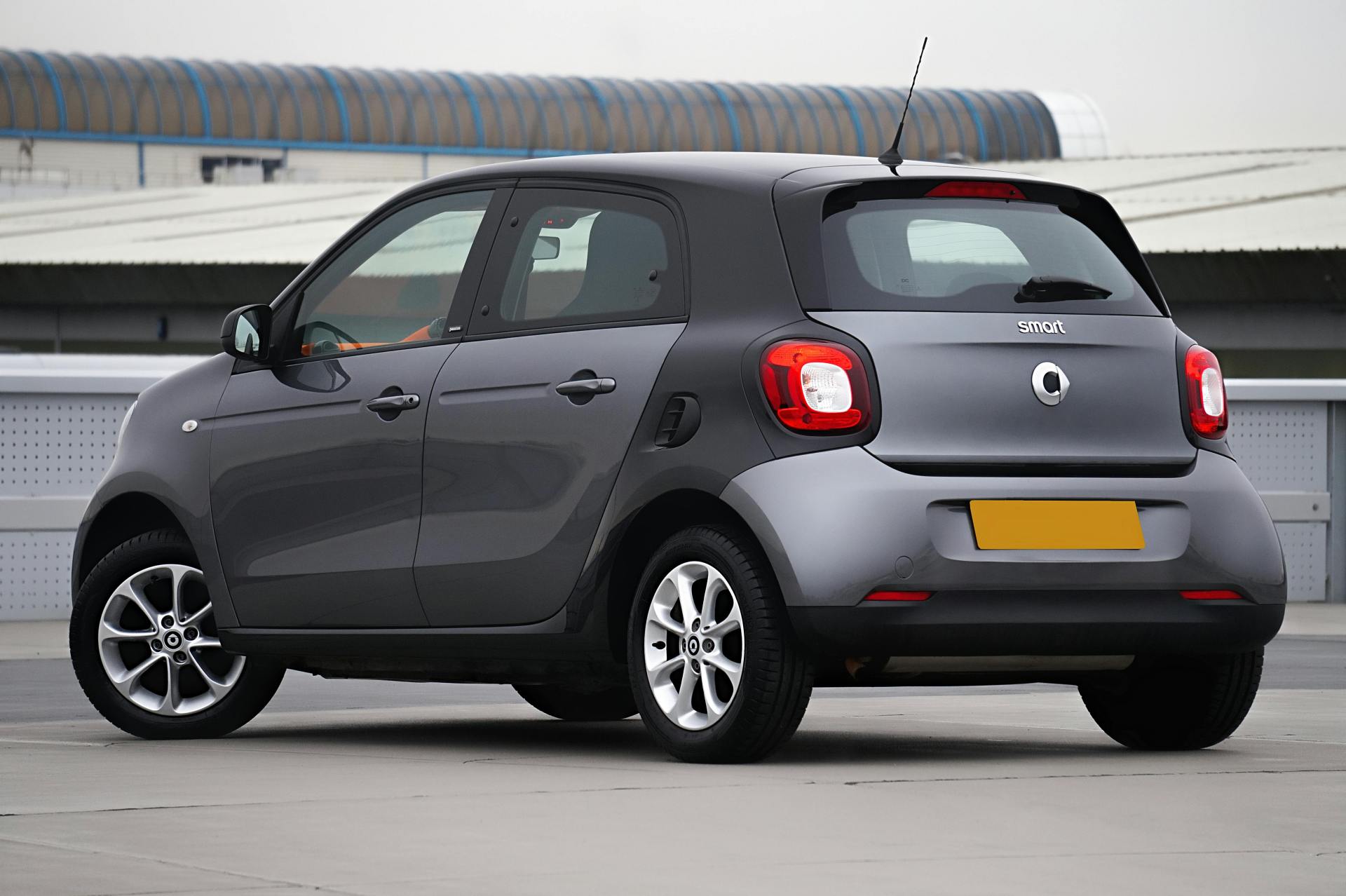
The used pool itself is mostly the long-running car the world simply calls the "new 500," the 312-series that ran from 2007 to roughly 2020, with the 1.2 petrol, the 0.9 TwinAir, and a 1.3 diesel that, as we will see, does not concern the importer. Layered on top are the newer 2020-on mild-hybrid cars now trickling through as the locally-made model ages into the second-hand market. That gives an Algerian buyer real choice across age and budget. It also means the single most important skill is telling a good example apart from a tired one, and that starts, before anything else, with the gearbox.
Manual or Dualogic, the decision that makes or breaks a used 500
If you remember one thing from this entire guide, make it this. On a used 500, the transmission is not a preference, it is the single biggest risk you can take or avoid, and it decides more about your ownership experience than colour, trim, or even mileage. The conversation around Fiat 500 Dualogic problems is not internet noise or brand snobbery. It is a real, well-documented pattern that reputable independent sources have flagged for years, and on a car this affordable it is the difference between a cheap runabout and a repair bill that dwarfs what you paid.
What the Dualogic auto really does in traffic, and why owners worry
The Dualogic is not a conventional automatic. It is an automated manual, a normal manual gearbox and clutch with a robot doing the clutch and shifting work that your left foot and right hand would otherwise do. When it is healthy, it gives you two pedals and easy city driving. When it is not, and on higher-mileage cars it often is not, the symptoms are distinctive and unpleasant: jerky, lurching shifts, a hesitation or a slip when pulling away, and in the worst cases trouble selecting a gear at all The usual culprit is the clutch actuator, the electro-hydraulic part that operates the clutch, which wears and eventually fails, and replacing it is not a small job on a budget city car.
The honest framing is this. A Dualogic 500 that has been well looked after and shifts cleanly can be a perfectly pleasant car, and plenty of them soldier on. But you are buying a known weak point, and on the used market you usually cannot tell a tired actuator from a healthy one by looking. It announces itself on the road, under load, in traffic, which is exactly why a careful test drive and a proper inspection of that system matter more on this car than on almost anything else its size. If the seller will not let you drive it properly from cold, that alone is a reason to walk.
Why a clean manual is usually the safer used buy
For most used buyers, the simplest way to sidestep the biggest risk is to buy the manual. A 500 with the ordinary five-speed manual has no clutch actuator to fail and no shift robot to confuse itself, which removes the model's most expensive failure mode in one decision. It is cheaper to maintain, easier and cheaper to repair when the clutch eventually does wear, and in Algerian stop-start traffic a manual 500 is hardly a hardship given how light the controls are. For a car bought partly on the heart, the manual also suits the character: small, simple, honest.
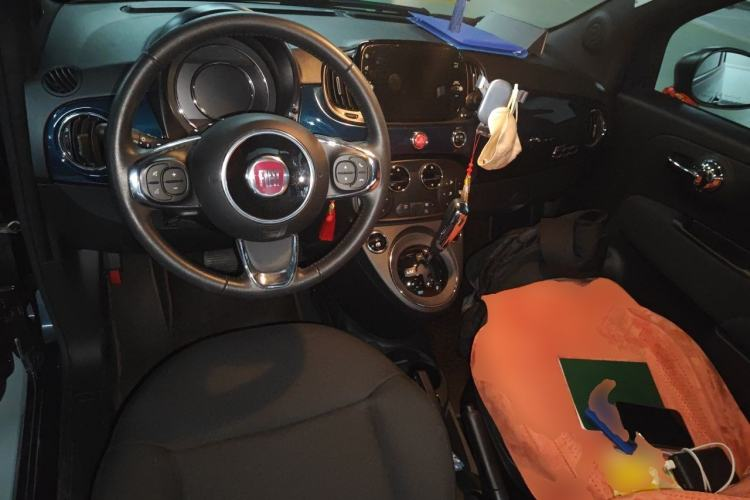
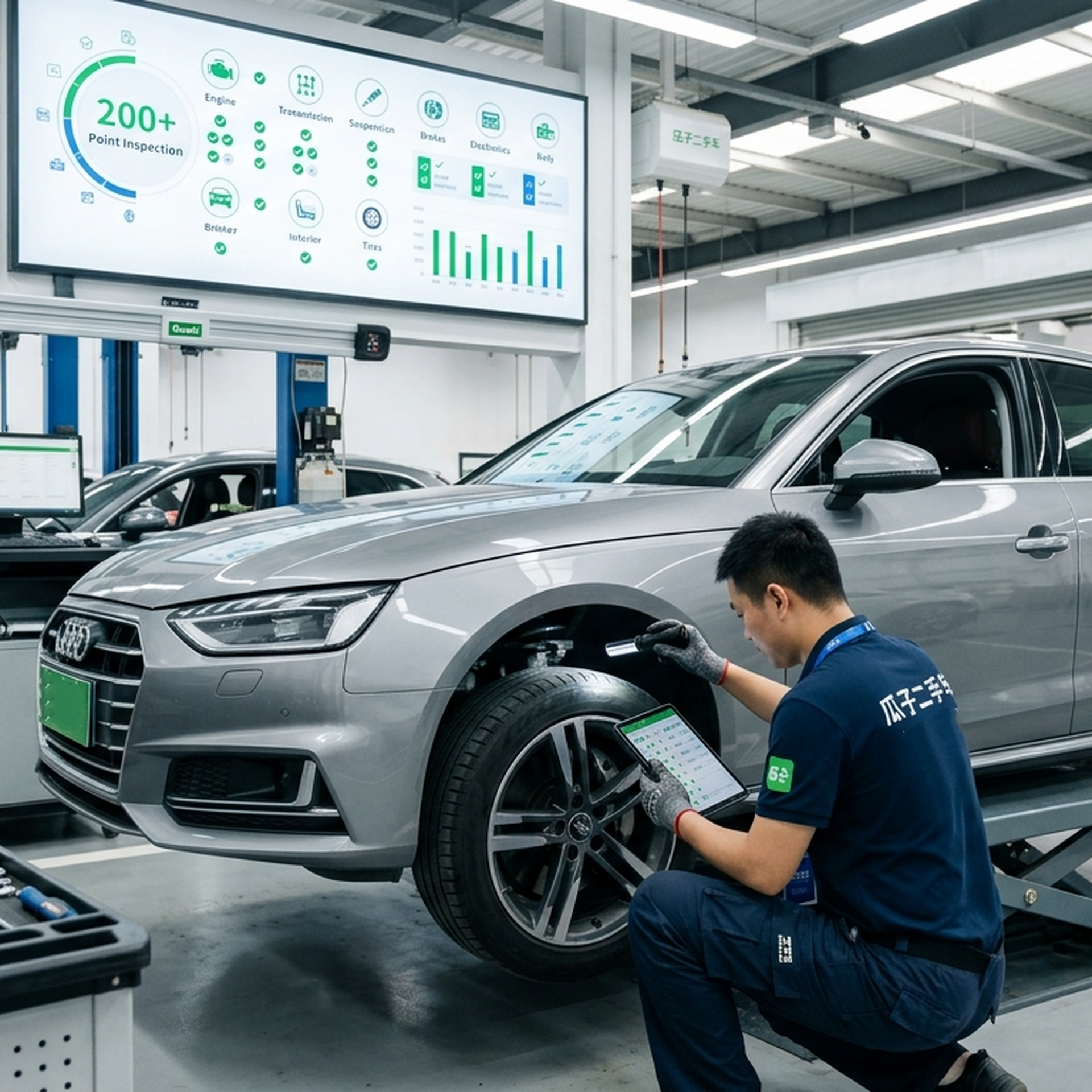
None of this means a Dualogic is automatically a bad buy, and if an automatic genuinely suits your needs, a well-documented one that drives faultlessly can still earn its place. But the default advice, the one that protects the most buyers from the worst surprise, is to favour a clean manual unless you have a strong reason and a verified gearbox not to. This is the first and most important thing a proper inspection settles. Guazi's over 200-point inspection covers the clutch and gearbox behaviour and, on a Dualogic car, the actuator's operation, so the condition report tells you whether you are looking at a healthy box or a future bill before you commit, not after. On a car defined by this exact weakness, that single data point can be worth more than the whole price negotiation.
Buy It Now
GradeSUsed MG 6 2023 1.5T XLINE Shark-Hunting Edition Certified DealerCertified Dealer
 Guazi InspectedGuazi Inspected
Certified DealerCertified DealerNewly listed
Newly listed
Guazi InspectedGuazi InspectedOriginal paint
Original paint
FOB Price:$12,350

Which engine to choose, 1.2, TwinAir or the 1.0 mild hybrid
With the gearbox settled, the engine is the next real decision, and here the news is friendlier. There is no villain among the petrol units, only different flavours of small. The thing to get right is matching the engine to how you actually drive and how much fuss you are willing to tolerate, and to know which Fiat 500 hybrid the badge is even talking about, because the word gets thrown around loosely.
The simple 1.2 and the characterful TwinAir
The 1.2-litre Fire petrol is the sensible heart of the used range, and for most buyers it is the smart pick. It is an old, simple, well-understood four-cylinder with no turbo to worry about and a long track record, which makes it cheap to run, easy for any mechanic to service, and forgiving of imperfect care. It is not fast, and it never pretended to be, but in the city, where the 500 lives, it is entirely adequate and refreshingly free of drama. If you want the lowest-stress used 500, this is it.
The 0.9-litre TwinAir is the more interesting choice, a tiny two-cylinder turbo with a thrummy, characterful note that some owners adore. It is genuinely charming, and on paper economical, but it asks for more in return. It is fussier about oil, both the grade and keeping the level right, and it is the engine most associated with a weep from the timing-cover area, an oil seepage that wants watching. Real-world economy depends heavily on a light foot. None of that rules it out, but a used TwinAir is a car to buy with its service history in hand and its timing-cover area inspected, not on charm alone.
The 1.0 mild hybrid, the modern, locally-made choice
The newest option, and the one tied to that Oran-built new car, is the 1.0-litre mild-hybrid petrol, sometimes shorthanded as the 1.0 BSG. Here precision matters, because this is where buyers get confused. The mild hybrid is a small petrol engine helped by a little electric starter-generator and a tiny battery that smooths the stop-start and trims fuel use slightly. It is not a car you plug in, and crucially it is not the all-electric 500e, which is an entirely separate, different model. If a seller offers you a "hybrid 500," establish which one they mean: the mild-hybrid petrol is the mainstream modern car, the 500e is the EV, and conflating them leads to disappointment or overpaying. As newer mild-hybrid cars filter into the used market, they are the most up-to-date driving experience, with the simplest path to the local dealer network for anything they need.
One more naming caution while we are here, because it protects your money. The 500 we are discussing is the small three-door city car. The 500L is a larger MPV and the 500X is a crossover, and both are completely different cars on different platforms despite the shared "500" badge. If a listing's photos show something taller and roomier than the classic little hatch, you are looking at one of those, not the car in this guide.
The 1.3 diesel exists, but Algeria's ban blocks it for import
You will see 1.3-litre MultiJet diesel 500s in the wider used market abroad, and on their own merits some are fine cars. For an Algerian importer, though, they are simply off the table. Algeria bans diesel passenger cars for individual import, so however good a diesel 500 looks in a foreign listing, it cannot be brought in legally as a private import . The practical rule is clean and easy to apply: if you are importing, your 500 is petrol or mild-hybrid, full stop. We unpack the full eligibility picture, including how that fuel rule fits the rest of the gate, in our Algeria used car import rules 2026 guide.
What actually goes wrong, and what to check
Now the honest part, because a guide that only gushed would be useless to you. The Fiat 500 is a lovable car, but it is not a reliable one by class standards. It sits near the bottom of its small-car group in independent surveys, around 14th of 15 in the What Car? Reliability Survey with a score near the low 80s out of 100, so its faults are real and worth knowing rather than wished away. The good news is that on a used buy, knowing the faults is half the battle, because nearly every one of them is something an inspection can catch before you pay. Think of Fiat 500 reliability not as a verdict that scares you off, but as a checklist that protects you. Here is what to look for, and what each item becomes in the inspection bay.
The gearbox comes first, as it should. On a Dualogic car, the clutch actuator and shift quality are the headline check, exactly as covered above. On a manual, the clutch itself wants assessing for wear, and this matters more if the car was an ex-driving-school or hard-city example, where gearbox bearings and clutches age faster. In Guazi's over 200-point inspection this is a core item: the actuator's operation on an automated car, the clutch take-up and gear selection on a manual, and the behaviour cold and under load, all written into the condition report rather than left to a hopeful test drive.
Next comes oil, especially on the TwinAir. That two-cylinder is known for an oil weep around the timing-cover area and for being particular about oil, so the inspection looks for seepage there, checks the oil condition and level, and reads the service history for evidence the right oil went in on time. The wider 500 range can also show fuel-injector seal leaks, another fluid check that is cheap to find and tedious to ignore. None of these are catastrophic if caught early, which is precisely the argument for catching them.
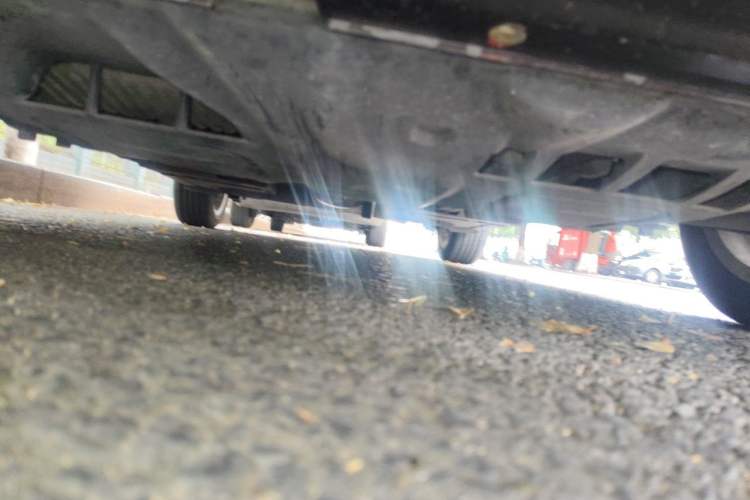
Then the body and the small stuff, which on a 500 is not so small. These cars are known to rust faster than, say, an equivalent VW in their first years, so the underbody, sills, and suspension components deserve a proper look for corrosion, the kind of look that means getting under the car, not glancing at the paint. The exterior door handles are a known weak point, with the internal hinge prone to breaking, so they get worked by hand during inspection. Add the trim rattles and easily-marked paint the model is prone to, worst on black and bright red cars, and the underbody and corrosion checks become some of the most valuable lines in the whole report. Set against all of that is the upside the surveys also confirm: when it is healthy, the 500 is cheap to run, cheap to insure, and cheap to fuel, which is the entire reason to want one. The inspection is what lets you have the cheap-to-run car without quietly buying someone else's rust and worn actuator along with it.
What a used Fiat 500 costs in Algeria right now
Money next, with a firm caveat up front: the Fiat 500 price Algeria picture is genuinely messy, and the numbers below are a guide, not a quote. Local listings disagree with each other, some used 2022 examples sit oddly close to new prices, and DZD figures move month to month, so verify against live ads before you act. The single most useful anchor is the local-new ceiling. The Oran-built 500 Hybrid starts in the low-2M DZD range, with the Culte from around 2.18M DZD and the Dolcevita from around 2.36M DZD, and the broader hybrid range running up toward roughly 2.92M DZD depending on trim. That new figure is your sanity check: a used car priced near it had better be nearly new and immaculate, or you are overpaying.
With that ceiling in mind, here is a rough way to think about used bands by what you are buying. Read the table as relative tiers and a verification prompt, not as fixed prices.
| What you are buying | Typical profile | DZD band (verify at write time) | The catch to watch |
|---|---|---|---|
| Newest 1.0 mild-hybrid, low km | 2022-on, locally built, near-new condition | Pushes up toward the new-car ceiling, often around 2.9M to 3.0M+ DZD on local listings | Often priced too close to new, confirm it is really worth the saving |
| Clean late 1.2 manual | Mid-2010s, full history, modest km | Comfortably below the hybrid, a clear step under new | Verify history and clutch wear; manual is the safer box |
| TwinAir, good history | Characterful 0.9, service records present | Similar to a comparable 1.2, varies with condition | Inspect timing-cover oil weep; buy on history |
| Older or higher-km 500 | Early 312-series, more wear | The cheapest tier, widest spread | Dualogic risk and rust rise sharply, inspect hardest |
The pattern that matters more than any single figure is this: the engine and the gearbox move the price as much as age does, and the cheapest cars are cheapest precisely where the risk is highest. A bargain older Dualogic car with no history is cheap for a reason. That is the spread an inspection protects, because the difference between a sound example and a tired one at the same price tag is exactly what the condition report exists to reveal.
Importing a used Fiat 500 into Algeria in 2026
If the 500 you want is coming from abroad rather than a local lot, the rules decide the purchase before the car does, so screen for eligibility before you fall for a specific listing. The detail below is a summary, and Customs is the authority, so confirm your own position before spending.
The under-3-years window and the one-car rule
For ordinary residents, Algeria generally allows individuals to import a passenger car that is under 3 years old, with the age typically judged at the point the customs declaration is registered rather than when you buy. Because shipping and clearance burn weeks, the practical move is to target a car comfortably inside the limit, around two years and ten months, so it does not drift over the line in transit. There is also a frequency cap, generally one vehicle every three years per person, tracked so it cannot be sidestepped. This is a personal-use allowance, not a trade channel, and it is exactly why a supplier that can confirm a precise build date is worth seeking out, since an age miscalculation here is a car refused at the port, not a paperwork nuisance.
Petrol or hybrid only, and the resale-tax clawback
The fuel rule, as covered earlier, is the other gate: diesel passenger cars are out, and petrol, petrol-based hybrids, and EVs are the legal routes, which for the 500 means your import is a petrol or mild-hybrid car. If you take a clean-vehicle tax break, an EV incentive in particular, be aware it usually carries a resale lock: sell too soon and you repay the saving on a sliding scale over roughly three years, so the break rewards keeping the car. The full landed-cost math, duty tiers, and where any relief lands are laid out in our cost to import a used car to Algeria guide, and the logistics, container versus RoRo and timelines, in our shipping a car from China to Algeria guide.
Sourcing an inspected used city car through Guazi
Once the gearbox call is made and the eligibility is clear, the last job is choosing a specific car that is actually sound, and that is the part an inspection settles. Guazi is one of China's largest used-car platforms, founded in 2015, with more than 3 million cars sold and over 30 million inspections behind a standardized process that feeds a digital condition report. For a 500, that means the things that decide this exact car get checked and written down: the Dualogic actuator or the manual clutch, the TwinAir timing-cover oil, the underbody and sill rust, the door handles, and the service history. The stock is left-hand drive, which is what Algeria drives, and it runs the petrol and hybrid fuel types the country allows.
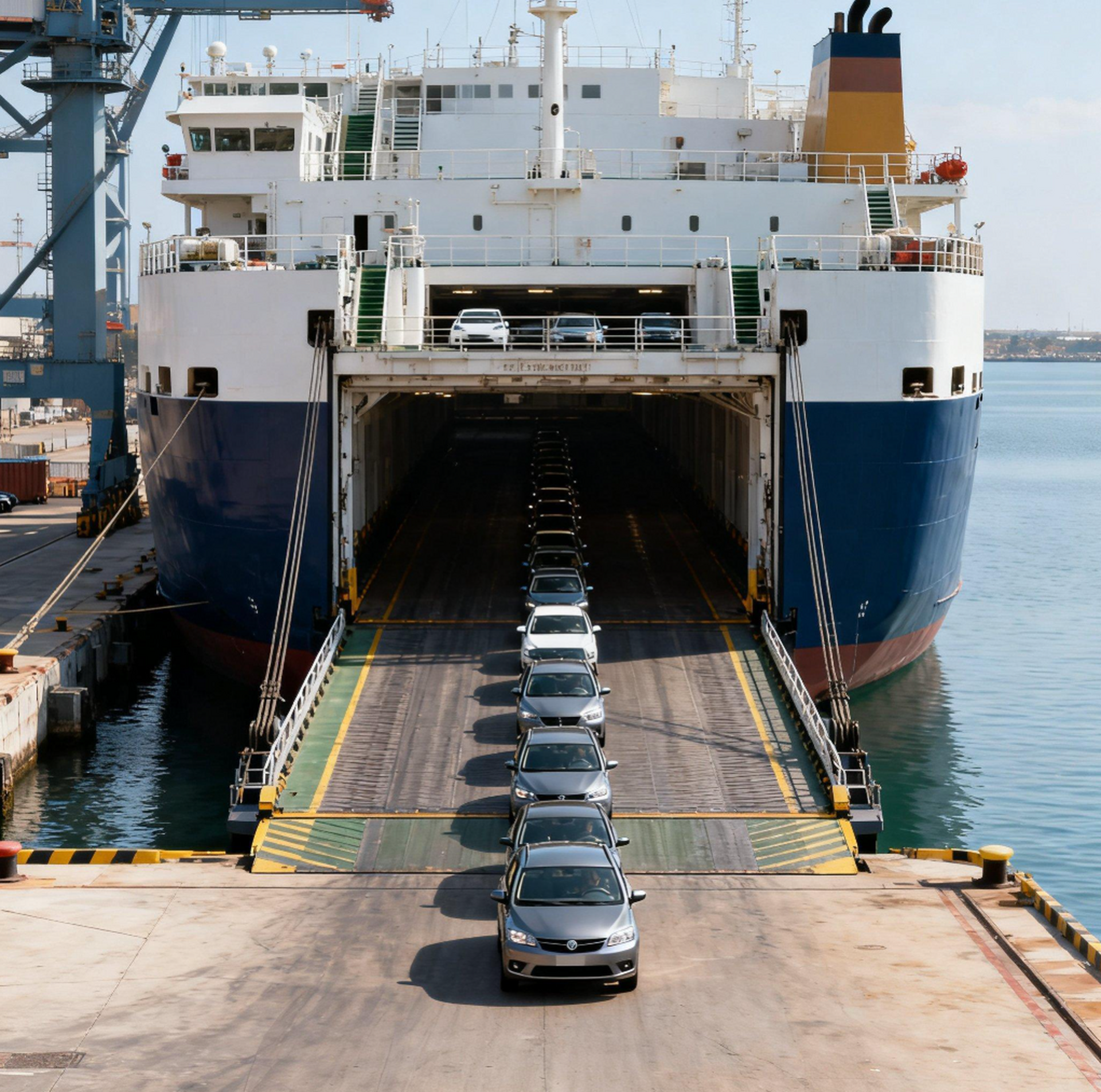
We want to be precise about our role. Guazi is the China-side supplier of the car and its export documentation, not your customs broker or legal adviser in Algeria, and we make no claim about retail or 500 export volumes in Algeria specifically. What we do well is the part we are built for: an inspected, correctly documented, left-hand-drive 500 delivered to port with its condition report in hand, so you can get the eligibility right with Customs and then let the inspection, not the photos, decide the car.
See inspected small cars ready for export →
Key Takeaways
- A used Fiat 500 Algeria buyer wins or loses on the gearbox first: favour a clean manual, and treat the Dualogic automated-manual as the model's biggest known risk unless it is verified to shift faultlessly.
- The engine map is simple. The 1.2 petrol is the low-stress pick, the 0.9 TwinAir is charming but needs oil discipline and a timing-cover check, and the 1.0 mild hybrid is the newest, locally-made choice, not the all-electric 500e.
- Be precise with names: the mild hybrid is not the 500e, and the 500L (MPV) and 500X (crossover) are different cars. The Oran-built 500 Hybrid is the new car, this guide is the used market.
- Honest reliability: the 500 ranks near the bottom of its class, so the faults (Dualogic, TwinAir oil weep, rust, door handles) are real, but each converts cleanly into an over 200-point inspection check.
- On price, use the local-new hybrid (low-2M up to roughly 2.92M DZD) as the ceiling and verify any used figure against live listings, the cheapest cars are cheapest where the risk is highest.
- To import, the 500 must be petrol or hybrid (the 1.3 diesel is banned), generally under 3 years old for residents, one car every 3 years, and watch the resale clawback on any clean-vehicle tax break.
The one-line version. Keep the love, add the discipline. Buy the manual unless an automatic is proven clean, take the 1.2 or the right hybrid, screen out the diesel if you are importing, and let an over 200-point inspection and condition report settle the actual car so the charm never turns into a repair bill. Prices and import rules move, so verify the figures and confirm your eligibility with Algerian Customs before you commit.
Sources & References
- Algeria Invest, Fiat 500 made in Algeria and pricing
- MotorsActu, Fiat Algeria full-range prices
- What Car?, Fiat 500 reliability and used review
- Haynes, Fiat 500 common problems 2007 to 2021
- Who Can Fix My Car, Fiat 500 common problems
- Blackcircles, common Fiat 500 faults
- DubiCars, 2026 Algeria import customs and tax guide
Falling for a specific 500 and want to know if it is a sound one?
We can source a left-hand-drive, petrol or mild-hybrid Fiat 500 from China with its over 200-point inspection and condition report, then leave the local clearance to you and your broker.

About Us
Follow US


Copyright © 2015~2026 https://en.guazi.com/, Chongqing Guazi Enterprise Consulting Service Co., Ltd. All rights reserved.