


Guazi
GlobalEnglish


Makes
Buy It NowAuctionsUp to 160 psPort StockAll VehiclesPopular Makes


Shop By Type


Popular Models


Shop By Budget

Kia Sportage or Hyundai Tucson Used in Poland, and the Small Things That Should Decide It
Article OverviewA Polish used-buyer's head-to-head on the Kia Sportage and Hyundai Tucson in 2026: how alike they really are, generations, PLN prices, the hybrid and plug-in choice, warranty residue, and who should buy which.
Stand the Kia Sportage and the Hyundai Tucson next to each other and the honest first reaction is that you almost cannot go wrong. They share a platform. They share an engine family. They were built by the same parent company to do the same job, and they have spent years as showroom rivals selling the same promise to the same buyer. So a Polish shopper cross-shopping the two and quietly suspecting the choice barely matters is, in the broad strokes, correct. The used Kia Sportage Poland buyer and the Tucson buyer are looking at corporate twins. That is the reassuring part, and this guide will not pretend otherwise. The interesting part, the part worth your attention, is the set of small, real differences that should tip a decision the badges alone will not: how much warranty is left, which drivetrain a given car has, which one suits your eye, and above all the condition of the specific car in front of you.
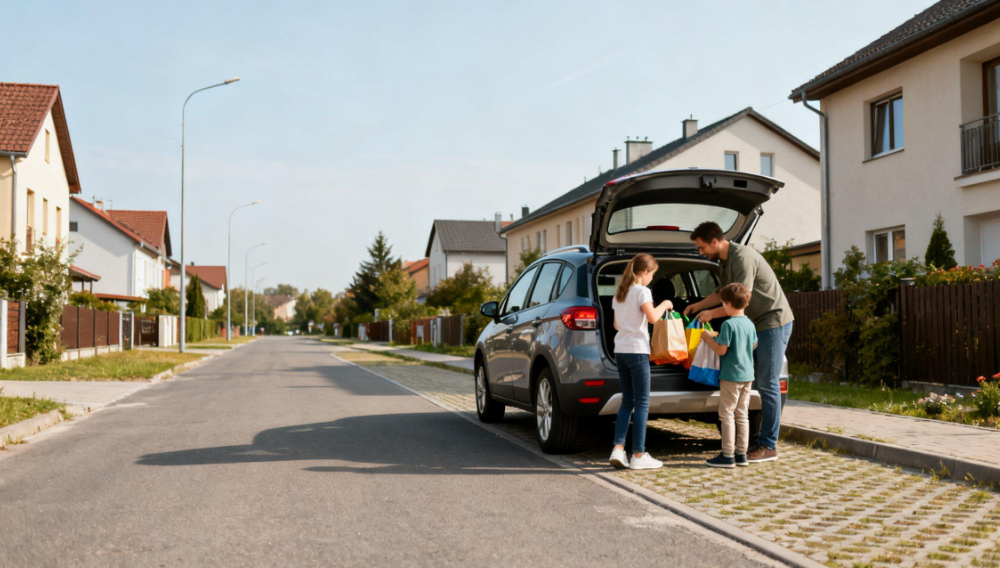
This is a decision-resolution piece, so it will actually resolve the fork rather than ducking to a polite tie. We will look at why these two have become the spearhead of Poland's shift toward SUVs, exactly how alike they are and what that means for how you should shop, the generations that matter, real PLN bands by generation and drivetrain, the petrol-diesel-hybrid-plug-in choice with the modern electrified options front and centre, and the warranty math that quietly favours one of them. Then we will do the thing comparison articles so often avoid and pick a winner by buyer type. With near-twins, the lesson that runs through all of it is simple and slightly counterintuitive: the individual car's verified condition matters more than the name on the tailgate.
Why these two own Poland's shift to SUVs
Something has been changing in what Poland buys, and the Sportage and Tucson are riding the front of it. SUVs are the fastest-growing slice of the Polish used market, the quickest-expanding segment by some distance as buyers migrate up out of hatchbacks toward higher-riding, more practical cars. The reasons are the ones you would expect: a commanding view, easier access for families and older drivers, the sense of substance and space. What the Sportage and Tucson add to that broad trend is value. They deliver the SUV body and increasingly modern drivetrains without asking BMW or Audi money, which makes them the natural landing spot for a Polish family that wants to move up to a crossover but not into premium-German pricing.
That value positioning is the whole point of these two. When new, they came generous on warranty and well-equipped for the money. Used, they undercut the German premium SUVs while offering much of the same everyday usefulness, and crucially they are now available right across the drivetrain spectrum, including full hybrids and plug-in hybrids that put a genuinely current powertrain within a used budget. For a buyer who wants the practical, higher-riding car the market is moving toward, but who is shopping with their head, the Korean pair is a precise and timely answer. They are not a compromise so much as the sensible centre of the segment, which is exactly why so many Polish families end up cross-shopping them against each other rather than against anything else.
How alike are they, really
It is worth being concrete about just how closely related these two are, because it changes how you should approach the whole purchase. The Sportage and Tucson are built on the shared Hyundai-Kia platform and draw from the same family of engines, the conventional petrol and diesel units, the full hybrid and the plug-in hybrid. Underneath the differing sheet metal and the distinct dashboards, a great deal of the hardware is common. In practice this means the two cars drive and feel more similar than different, return broadly comparable economy in like-for-like drivetrains, and present the same fundamental ownership proposition. The styling diverges, the Tucson tends toward the bolder, more angular look and the Sportage has its own face, and the cabins are trimmed to each brand's taste, but the engineering core is shared.
The consequence for a buyer is the thread that runs through this entire guide. When two cars are this mechanically alike, the decision stops being a contest between brands and becomes a question about which specific car is the better buy. A well-kept Tucson with a clean history and the right drivetrain beats a tired Sportage every time, and the reverse is equally true. The badge, the thing buyers instinctively agonise over, turns out to be one of the least important variables. What matters is the condition of the individual vehicle, the drivetrain it carries, and the practical extras like remaining warranty. That reframing is liberating, because it means you do not have to settle a brand loyalty argument to make a good decision. You have to find the good car.
Which generation, Sportage QL/NQ5 vs Tucson NX4
With the twins relationship understood, the next step is the generation map, because it determines which drivetrains are available and where the recent used value sits. Both cars had a clear generational step into their current, more modern form, and the recent generation is where hybrids appear and where most readers should focus. Knowing the generation codes also helps you shop the Polish marketplaces accurately, since the listings use them.
Kia Sportage, QL to NQ5, what each era gives you
Buy It Now
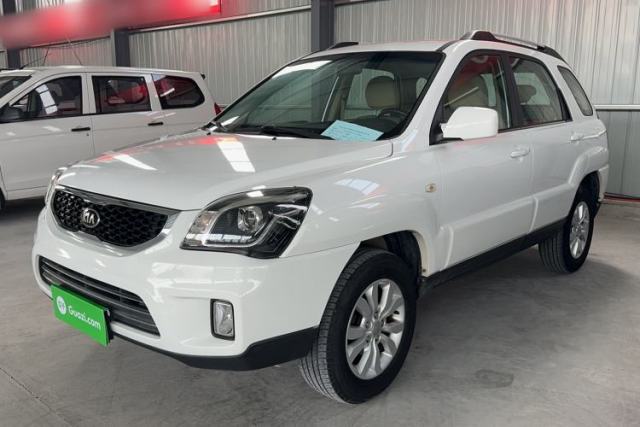
GradeSUsed Kia Sportage 2013 2.0L Manual Two-Wheel Drive GL Trim Certified DealerCertified Dealer
 Guazi InspectedGuazi Inspected
Certified DealerCertified DealerGuazi InspectedGuazi InspectedFOB Price:$4,835$5,535

The Sportage you want to understand splits into two recent eras. The QL generation, roughly 2016 to 2021, is the older, more affordable Sportage in today's used pool, a well-proven and sensible crossover, though one without the latest drivetrains or cabin technology. The current NQ5 generation, from around 2021 to 2022 onward, is the more striking, more modern car, and crucially it is where the full hybrid and plug-in hybrid Sportages live. For a buyer prioritising value and simplicity, a clean QL does the job. For a buyer who wants the current design and the option of an electrified drivetrain, the NQ5 is the target, sitting at the higher end of the used band but offering the most contemporary package. The newer generation is also where the Sportage price Poland searches increasingly point, as recent ex-lease and ex-fleet NQ5 cars feed into the used market.
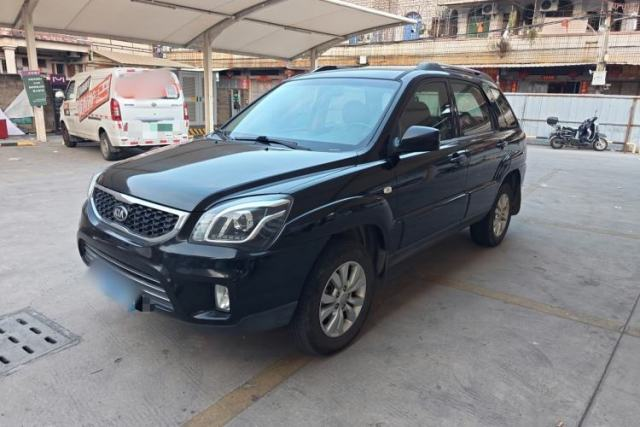
Hyundai Tucson, NX4 and before, the family workhorse
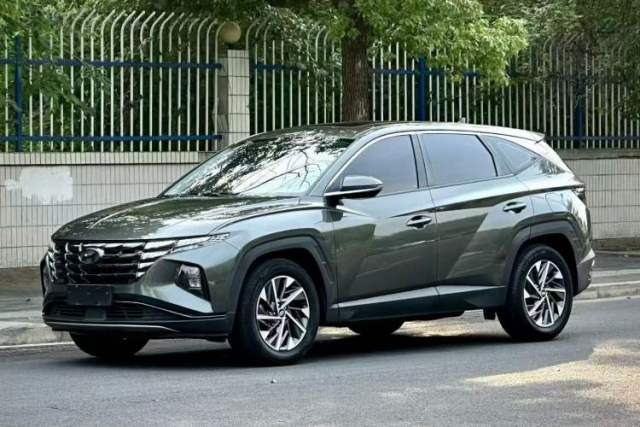
The Tucson follows the same shape of choice. The current NX4 generation, from 2021 on, is the bold, modern Tucson with the angular styling and the full hybrid and plug-in hybrid options, the heart of the recent used market and the natural cross-shop against the NQ5 Sportage. The prior generation is the cheaper, more conventional entry point, a capable family SUV without the newest technology or drivetrains. For a used Hyundai Tucson Poland buyer, the decision mirrors the Sportage one almost exactly: the current NX4 if you want the modern design and electrified options and can meet the price, the older generation if value is the priority and a conventional drivetrain suits you. Because the two model ranges line up so neatly generation for generation and drivetrain for drivetrain, you can genuinely shop them as one search and let condition, price and warranty decide between individual cars.
What they cost used in Poland, in PLN
Below are indicative PLN bands for both cars, by generation and drivetrain, reflecting Polish listings as of June 2026. These are orientation ranges pulled from the used market rather than fixed quotes, and the spread within each is wide because mileage, trim, drivetrain and condition all move the number significantly, a plug-in hybrid commands more than a base petrol of the same age, an AWD car more than front-wheel drive. Use the bands to frame your search and to flag outliers, then let an individual car's history and condition decide whether its specific price is fair. Because the two models are near-twins, a Sportage and a Tucson of the same generation and drivetrain tend to land in broadly similar territory, with the warranty difference covered below often the more meaningful separator than the sticker.
| Model and generation | Drivetrain | Indicative PLN band |
|---|---|---|
| Sportage QL | petrol / diesel | roughly 55,000 to 85,000 PLN |
| Sportage NQ5 | petrol / mild hybrid | roughly 90,000 to 130,000 PLN |
| Sportage NQ5 | full hybrid / plug-in hybrid | roughly 120,000 to 160,000 PLN |
| Tucson, prior generation | petrol / diesel | roughly 55,000 to 85,000 PLN |
| Tucson NX4 | petrol / mild hybrid | roughly 90,000 to 130,000 PLN |
| Tucson NX4 | full hybrid / plug-in hybrid | roughly 120,000 to 160,000 PLN |
As a real-world anchor, a representative used Sportage might be a 2020 QL with around 100,000 km and the 1.6 petrol, a Polish-salon car, sitting in the lower part of its band. The pattern across the table is the point: the two badges price almost in lockstep, generation for generation and drivetrain for drivetrain, which once again pushes the real decision away from the name and toward the specific car, its condition and what cover it still carries.
Petrol, diesel, hybrid or plug-in, the drivetrain decision
If the badge barely separates these two, the drivetrain genuinely does, because it shapes running costs, used price and what you need to check. Both ranges offer the same spread, the 1.6 T-GDI petrol, the 1.6 CRDi diesel, a 48-volt mild hybrid, a full hybrid and a plug-in hybrid, so the choice is the same conversation whichever badge you prefer. This is where the modern character of the recent generations shows, and where Guazi's electrified-vehicle expertise becomes directly relevant later.
1.6 T-GDI petrol and 1.6 CRDi diesel, the conventional picks
The conventional drivetrains remain a sound choice for many buyers. The 1.6 T-GDI petrol is the straightforward, lower-cost-to-buy option that suits mixed and urban driving and keeps ownership simple. The 1.6 CRDi diesel makes sense for a buyer doing genuinely high motorway mileage, where its economy on long runs pays off, though as with any modern diesel it is happiest on longer journeys rather than short city hops that stress the emissions system. For a family that mostly drives locally and wants the lowest entry price, the petrol is usually the rational pick. For a long-distance commuter, the diesel still earns its place. Neither carries the price premium of the electrified versions, which is part of their appeal for a value-focused buyer.
Full hybrid and plug-in hybrid, the modern choice and the used checks that come with it
The electrified versions are the modern hook and increasingly the reason buyers cross-shop these two now. The full hybrid pairs the petrol engine with an electric motor for better economy without ever needing to be plugged in, an easy step up in efficiency. The plug-in hybrid goes further, offering a meaningful electric-only range for short trips when charged, which can make the school run and the commute effectively electric while keeping the petrol engine for longer journeys. That is a genuinely appealing proposition on a used budget, and a Tucson hybrid used or hybrid Sportage is one of the smarter ways into modern, efficient motoring without new-car money. The catch is that these drivetrains add one thing to verify: the health of the high-voltage battery. As with any used electrified car, the battery's state of health, how much of its original capacity it still holds, varies with how the car was used, and Polish winters temporarily reduce a battery's working capacity in deep cold, which is normal rather than a fault. This is not a reason to fear the hybrids, it is simply a reason to have the battery checked rather than assumed, which a proper inspection does directly.
Reliability and the warranty math that often decides it
Here is where the genuine separators finally appear, and the first one is reassuringly small. On predicted reliability the two are nearly identical, with the Sportage rated around 84 out of 100 and the Tucson around 83 in one well-known assessment, both strong scores that confirm the twins are equally dependable in the round. There is a nuance worth knowing for cross-shoppers: in that data, petrol Tucsons and Sportage plug-in hybrids showed more time off the road when they did develop a fault, while the Sportage plug-in hybrid had a lower fault and breakdown rate overall. The honest reading is that the difference is small and drivetrain-specific rather than a clear win for either badge, so reliability alone will not, and should not, decide this for you.
The warranty math is the lever that actually can. Kia's new cars came with a seven-year warranty against Hyundai's five-year cover, and that difference does not vanish when the car changes hands, it transfers with the vehicle. The practical consequence is concrete and PLN-relevant: at the same age, a used Sportage often carries more remaining transferable warranty than an equivalent Tucson. On a three-year-old car that can mean several years of cover still in hand on the Kia versus little or none on the Hyundai, which is real money saved on any repair that falls inside it. This is the kind of small, true difference that should genuinely tip a decision between near-twins, and it leans, clearly, toward the Sportage. Confirm the exact remaining warranty on any specific car, since it depends on the original registration date and terms, but as a structural advantage it belongs firmly in the Kia's column.
| Factor | Kia Sportage | Hyundai Tucson |
|---|---|---|
| Predicted reliability (indicative) | around 84 / 100 | around 83 / 100 |
| New-car warranty length | seven years | five years |
| Typical transferable warranty left at 3 years | often several years | often little or none |
| Drivetrain reliability nuance | plug-in hybrid showed lower fault rate | petrol showed more off-road time when faulty |
Buying a used Korean SUV the smart way, and how Guazi helps
The thesis of this whole comparison is that with near-twins the individual car's verified condition and drivetrain health matter more than the badge, and that is exactly the question a proper inspection answers. Guazi is one of China's largest used-car platforms and the number one used-NEV platform in China, which is directly relevant here because the full hybrid and plug-in Sportage and Tucson variants sit squarely within Guazi's electrified-vehicle inspection competence, including battery state-of-health assessment. Every car runs through a standardized over 200-point inspection feeding a full digital condition report, the lens that settles what the listing cannot: the real condition, the drivetrain's health, the battery's state of health on the electrified versions, and the documented history. To be clear about the role, Guazi is the supply-side specialist in inspection and condition, not your local Polish dealer, so handle the local purchase accordingly. With two cars this alike, the inspection is what tells you which specific SUV is the smart buy. Browse inspected used SUVs.
Sportage or Tucson, who should buy which
- Buying on value and peace of mind, lean Sportage. Its longer seven-year warranty means more transferable cover left on a used car, plus a slight reliability edge, which together make it the head-led pick when the cars are otherwise so alike.
- Falling for the styling or the cabin, either is right. Differences in looks and interior feel are real and personal, so if the Tucson's design speaks to you more, that is a perfectly sound reason to choose it over a near-identical Sportage.
- Wanting the modern, efficient drivetrain, target the current generation of either. The NQ5 Sportage and NX4 Tucson are where the full hybrid and plug-in options live, so chase the right electrified car regardless of badge, then check its battery health.
- Shopping a tight budget, take the best older car you can find. A clean Sportage QL or prior-generation Tucson at roughly 55,000 to 85,000 PLN is sound value, and at that level the specific car's condition and history matter far more than which of the twins it is.
- In every case, let the verified condition decide the individual car. With near-twins the badge is the least important variable, so an over 200-point inspection and condition report is what actually separates a smart buy from a costly one.
Sources & References
- otomoto.pl, used Kia Sportage listings
- otomoto.pl, Hyundai Tucson listings
- Which?, Kia Sportage vs Hyundai Tucson reliability
- GreenCars, 2026 Tucson Hybrid vs Sportage Hybrid
- Mordor Intelligence, Poland used car market
- CARFAX, 2025 Polish used car market
Stuck between two near-identical SUVs?
Get expert advice from Guazi

About Us
Get Support
Follow Us


Copyright © 2015~2026 https://en.guazi.com/, Chongqing Guazi Enterprise Consulting Service Co., Ltd. All rights reserved.