

World Cup Special • Save up to $1000 on selected vehicles

Guazi
GlobalEnglish


The Chery Tiggo 8 PHEV Costs Half the Lexus NX, So What Are You Really Giving Up?
Article OverviewA used plug-in hybrid SUV comparison: the Chery Tiggo 8 PHEV against the Lexus NX 450h plus, on electric range, real efficiency, total cost and battery health, with a clear verdict by buyer need.
Quick answers
- Which has more electric-only range? They are close in real use. The Tiggo 8 claims about 90 km on the optimistic CLTC cycle, roughly up to 56 miles on the stricter WLTP cycle. The Lexus NX 450h plus is rated 37 miles on the EPA cycle. Different cycles, so compare the real-world bands, not the headline numbers.
- Is the Chery as reliable as the Lexus? Lexus has a long, proven record. Chery is new in most Western markets, so it has limited long-term data and leans on its warranty. Treat Chery durability as promising but unproven.
- How fast does the Lexus NX depreciate? Around 44.5% over five years on US data, a large loss that the low Chery entry price avoids.
- What fuel economy once the battery is empty? The Tiggo 8 claims about 1.3 liters per 100 km on a full charge, rising toward 5.2 once the battery is low. The NX returns about 36 mpg combined as a regular hybrid.
- Which should you buy? The Tiggo 8 for value, space and seven seats. The Lexus NX for the badge, the proven reliability and the premium cabin.
This guide judges the two on electric range you can actually use, efficiency once the battery is empty, space and feel, then total cost and battery health, and finishes with a clear verdict by buyer need.
On paper, these two plug-in hybrid SUVs are close. Each pairs a roughly 18 kWh battery with a four-cylinder petrol engine and electric motors. In price, they are a world apart. The Chery Tiggo 8 PHEV vs Lexus NX question lands in the high-20,000s in pounds for the Chery, while the Lexus NX 450h plus opened near 55,650 US dollars and gives back almost half its value in five years. Guazi sits in this story as the used plug-in inspection lens. So the real question is two-sided: what does the cheaper car cost you in what you give up, and what does the dearer one cost you in depreciation? This guide answers both by how you actually drive.
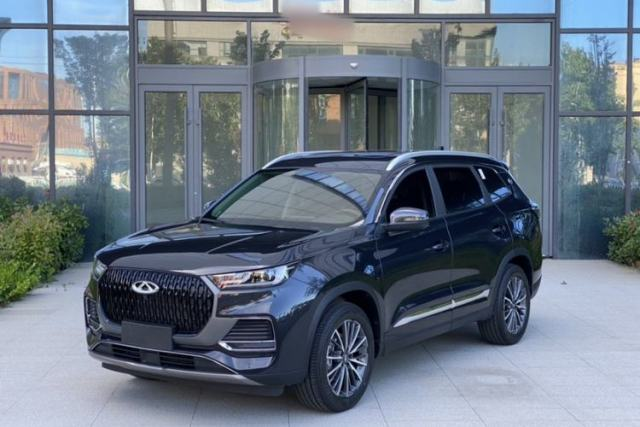
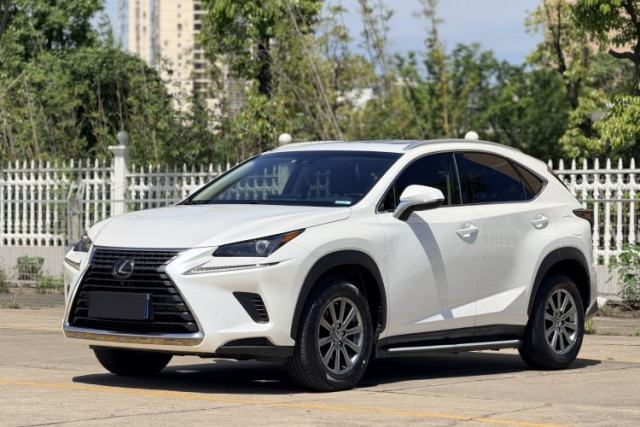
Two plug-in hybrid SUVs from opposite ends of the market
The first thing to understand is that these two cars come from completely different places, even though they land on the same shortlist. That contrast is the whole story.
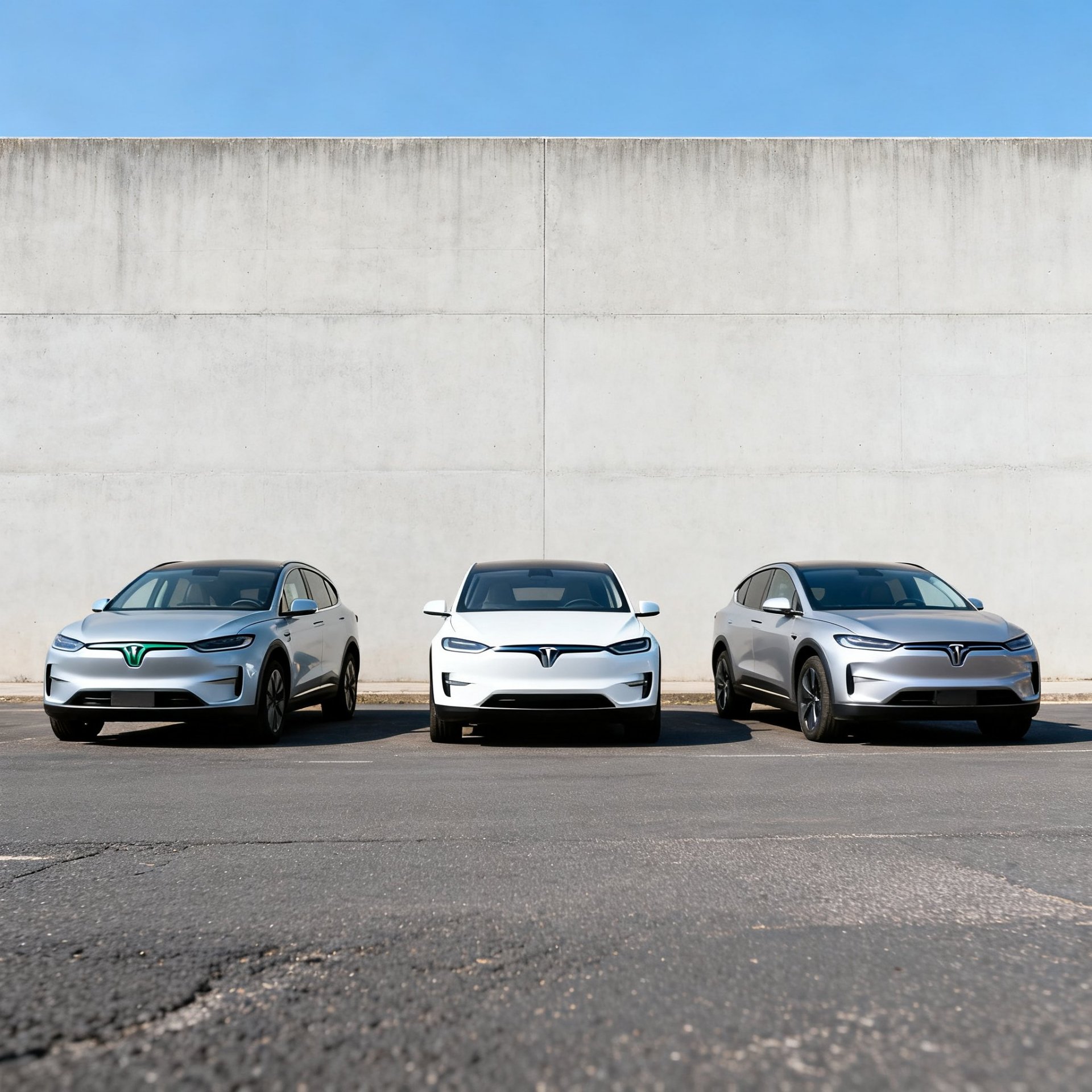
The Chery Tiggo 8 PHEV, sold in some markets as the Super Hybrid or Pro e plus, is a value seven-seater that undercuts almost every rival. It gives you three rows of seats and a long equipment list for a price that premium brands cannot match. The Lexus NX 450h plus is a premium five-seater that leans on the Lexus name, its reputation for reliability, and strong resale. It is a smaller, plusher car that asks you to pay for quality and brand confidence.
So this is not a fight between two similar cars at similar prices. It is a genuine value-versus-badge decision. One car offers most of the plug-in hybrid usefulness for thousands less. The other offers a proven premium package that holds together over years. Which one is right depends entirely on what you value, and the rest of this guide maps your priorities onto a clear answer.
The electric range that decides your weekday
For a plug-in hybrid, the electric-only range is the number that shapes your daily life, because it decides how much of your commuting you do on cheap electricity rather than petrol. Here you have to be careful, because the two cars quote their range on different test cycles, and comparing them directly would mislead you. This is the honest read for anyone searching plug-in hybrid SUV electric range.
What the Tiggo 8's bigger pack and 90 km cycle claim mean in real use
The Chery Tiggo 8 PHEV pairs a 1.5-liter turbo-petrol engine with dual electric motors through Chery's dedicated hybrid transmission, drawing on a battery of around 18.3 to 19.3 kWh depending on the version. Its headline electric range is about 90 km, but that figure comes from the optimistic CLTC cycle used in China, which flatters every car. The more realistic quote, on the stricter WLTP cycle used in the United Kingdom, is up to about 56 miles. In real driving, expect less than that at motorway speed and in cold weather. So the honest way to read the Tiggo is a useful real-world electric range in the region of 40 to 50 miles for most drivers, enough to cover a typical commute on electricity alone.
NX 450h plus range, and what to expect in real driving
The Lexus NX 450h plus pairs a 2.5-liter four-cylinder engine with dual motors and an 18.1 kWh battery, driving all four wheels. Its electric range is rated at 37 miles on the EPA cycle used in the United States, which is a stricter, more conservative standard than CLTC. As with any plug-in, the real figure drops in cold weather and at higher speeds, so plan for a little under the rated number in daily use.
The key point is that you cannot line up the Tiggo's 90 km CLTC figure against the Lexus's 37-mile EPA figure as if they measured the same thing. They do not. Once you convert both to a real-world band, the two cars land closer than the headline numbers suggest, with the Tiggo holding a modest edge from its slightly larger battery. Both will cover an average commute on electricity, which is what matters most.
Here is how the two line up on the electric and charging figures, as a reference. Note the different test cycles.
| Model | Battery | Electric range (cycle) | Real-world expectation | Home charge |
|---|---|---|---|---|
| Chery Tiggo 8 PHEV | About 18.3 to 19.3 kWh | About 90 km CLTC, up to 56 mi WLTP | Around 40 to 50 miles | AC home charging |
| Lexus NX 450h plus | About 18.1 kWh | 37 miles EPA | A little under 37 miles | About 2.5 hours on Level 2 |
What happens once the battery is empty
This is the running-cost truth most reviews skip, and for a lot of buyers it is the number that matters most, because no plug-in hybrid stays charged all the time. Once the battery is depleted, the car runs as a regular hybrid on its petrol engine, and the two behave differently.
The Chery Tiggo 8 quotes a combined figure of about 1.3 liters per 100 km, but that number only holds when you start with a full battery and a short trip. Run the battery down and the real consumption rises to around 5.2 liters per 100 km, which is the honest figure for longer drives once the electric assistance fades. That is still reasonable for a large seven-seat SUV. The Lexus NX 450h plus, running as a hybrid with an empty plug-in battery, returns about 36 mpg combined, which is solid for a premium all-wheel-drive SUV. Both cars, in other words, remain efficient even when you cannot plug in, which is one of the real advantages of a plug-in hybrid over a pure electric car. The takeaway is that if much of your driving is longer trips where the battery runs flat, judge these cars on these depleted-battery figures, not on the flattering full-charge claims.
Space, seats and the way each one drives
The two cars feel very different from behind the wheel, and they serve different needs. The Chery Tiggo 8 is the practical one. It seats seven, which neither the Lexus nor most premium rivals offer at this price, and it comes loaded with technology and a large screen. Its dedicated hybrid transmission is praised for being smooth and quiet, because the instant electric torque masks the low-speed hesitation that affects the non-plug-in version. As a family hauler with value built in, it is hard to match.
The Lexus NX is the premium one. It is a five-seater with a cabin that feels genuinely upmarket, with the materials, the finish and the quiet running that the Lexus badge promises. It drives with a settled, polished feel, and its all-wheel-drive system gives it a planted, confident character. You are paying for refinement and for the sense that everything is built to last. So the choice here is space and value against polish and feel.
The cost picture nobody puts side by side
This is where a used-car lens adds something the new-car reviews miss, because the purchase price is only half the cost story. The other half is depreciation, and it is where the Lexus NX 450h plus used value gap becomes clear.
The Chery Tiggo 8 PHEV starts low. In the United Kingdom, it lists from roughly 28,500 to 36,550 pounds, and used 2025 examples have been seen from around 28,700 pounds. That low entry price is its biggest weapon. The Lexus NX 450h plus opened near 55,650 US dollars in the United States, and it sheds around 44.5% of its value over five years, a loss of roughly 27,775 dollars. Note that the Chery figures are in pounds and the Lexus figures are in US dollars, so they are not a direct currency comparison, and the depreciation percentage is a US-market pattern used to illustrate the value gap rather than a promise for every market.
What this means in practice is that the two cars cost you money in opposite ways. The Chery costs little to buy, so there is less value to lose. The Lexus costs a lot to buy and gives back a large slice of that over the first years, which is exactly why a used Lexus NX can be a smart buy: you let the first owner absorb the steepest depreciation, then step in. So a used buyer should weigh a cheap car with little to lose against a depreciated premium car that has already taken its biggest hit.
Here is the cost shape, as a reference. Currencies are labelled, and figures move, so treat them as illustrative and confirm against current listings.
| Model | New price (reference) | Used price seen | Five-year depreciation |
|---|---|---|---|
| Chery Tiggo 8 PHEV | About 28,500 to 36,550 GBP | From about 28,700 GBP (2025) | Low entry price, less value to lose |
| Lexus NX 450h plus | From about 55,650 USD at launch | Varies by year and market | Around 44.5% over five years (US pattern) |
Reliability and the battery question, told straight
Reliability is where the two cars are least equal, and the honest version matters more than a tidy tie. Lexus has a long, genuine reliability record, and that is much of what the badge is worth. Chery does not yet have long-run data in most Western markets, so its reputation rests on its warranty rather than on years of owner history. It would be dishonest to pretend the two have equal track records, so the fair frame is that the Lexus is proven and the Chery is promising but unproven, with its seven-year vehicle warranty and eight-year battery cover doing the reassurance work.
What owners actually report on each
The Lexus NX scores highly in used-car reliability surveys, often in the high 90s, which is excellent. The one pattern worth knowing is that some owners of the plug-in version report a 12-volt battery that goes flat, leaving the car needing a jump-start even when the main hybrid battery is full. This is owner-reported and not universal, so treat it as a check rather than a certainty. There are also scattered reports of a ticking engine noise and minor niggles with the electronic door handles and the blind-spot monitor. On the Chery side, the dedicated hybrid transmission earns praise for smoothness, and the early word is positive, but there simply is not enough long-term Western data yet, so lean on the warranty and label its longevity as early and limited.
Battery state of health: the one check that decides a used PHEV
On either of these cars used, the single biggest variable is the state of health of the drive battery, because that is the most expensive component and the one that decides whether the cheaper car is a bargain or a liability once it has miles on it. A plug-in hybrid battery degrades over time, and a tired pack means less electric range and a costly future repair. So before you buy either of these cars used, get a battery health read-out, confirm how much battery warranty remains, and on the Lexus check that 12-volt battery too. With those answers, a used plug-in hybrid becomes a known quantity instead of a gamble.
So which plug-in hybrid SUV should you buy?
Here is the verdict, with no fence-sitting, because the whole point is a clear pick for each kind of buyer. This is the honest read on the best plug-in hybrid SUV for your situation.
Buy the Chery Tiggo 8 PHEV if value, space and seven seats lead. It gives you a third row, a long equipment list and a useful electric range for a price the Lexus cannot approach, and it stays efficient on longer drives. The price you pay is unproven long-term reliability, so you lean on the warranty and you check the battery health on a used example. For a family that wants the most car for the money, the Tiggo is the clear pick.
Buy the Lexus NX 450h plus if the badge, proven reliability and resale matter. It is the premium choice, with a cabin and a record that justify the name. Bought used, after the first owner has absorbed the steep early depreciation, it can be a genuinely smart buy that combines premium quality with a softened price. If long-term peace of mind and a refined drive are your priorities, the NX is the one. Just confirm the battery health and check the 12-volt battery quirk before you sign.
How Guazi approaches a used plug-in hybrid SUV
The thread through this whole comparison is battery health, and plug-in hybrids sit squarely in Guazi's inspection competence. That is the variable that decides either of these cars used.
Guazi is one of China's largest used-car platforms and the number one used new-energy-vehicle platform in its home market. Every car it inspects goes through an inspection of over 200 points by certified technicians, feeding a full condition report with photos and video, and it offers an industry-first 100-day battery-decay guarantee for new-energy cars that targets exactly the state-of-health worry these two raise. The Lexus 12-volt battery check, the Chery battery read-out, the service history on both, all of these are the kind of things a structured inspection records as verified data rather than leaving to chance. The battery-first inspection discipline behind the checklist above is what protects a used plug-in buyer.
The bottom line in one line each
- Chery Tiggo 8 PHEV: the value seven-seater that gives most of the plug-in usefulness for thousands less, the pick for space and budget once the battery checks out.
- Lexus NX 450h plus: the proven premium five-seater, a smart used buy after the steep early depreciation, the pick for badge, refinement and resale.
- Electric range: close in real use, but quoted on different cycles, so compare the real-world bands, not the headline figures.
- The deciding check: battery state of health on either car used, which decides whether the cheaper option is a bargain or a liability.
Summary
These two plug-in hybrid SUVs make a clean choice once you stop comparing badges and start comparing what you value. The Chery Tiggo 8 PHEV gives you seven seats, a long equipment list and a useful electric range for a price the Lexus cannot touch, with the catch that its long-term reliability is still unproven. The Lexus NX 450h plus gives you a premium cabin, a proven record and a refined drive, and bought used it lets you skip the steepest depreciation. Their electric ranges land closer than the headline numbers suggest once you read them on the same real-world basis, and both stay efficient when the battery is flat. The one check that decides either car used is the same: the health of the drive battery. Settle that with a proper inspection, and whichever you pick will be the right car for the right buyer.
Related stories
Guazi used cars
Access 200,000 verified vehicles monthly. Bid in real-time and secure bulk inventory at highly competitive market rates.





About Us
Follow US


Copyright © 2015~2026 https://ylqc.guazi.com/, Yilanqunche Automobile Services (Shanghai) Co.,Ltd. All rights reserved.