


Guazi
GlobalEnglish


Makes
Buy It NowAuctionsUp to 160 psPort StockAll VehiclesPopular Makes


Shop By Type


Popular Models


Shop By Budget

Why Poles Keep Choosing Tesla in 2026, Charging Included
Article OverviewTesla in Poland in 2026: the full line-up with PLN prices, why the Supercharger network is the real story, the NaszEauto subsidy, and new vs used.
A note on the prices in this guide. Every PLN figure here is a 2026 reference point, compiled mid-2026 from Tesla's Polish configurator and Polish price aggregators. Tesla re-prices frequently and its line-up shifts, so treat these as a buying guide rather than a quote, and confirm the live price and availability of any model on tesla.com/pl_pl before you order. Supercharger tariffs also move; check the in-app price before you charge.
Tesla in Poland is no longer the cheapest way to go electric. BYD undercuts it, the Xiaomi SU7 beats it on paper, and a wave of Chinese rivals has arrived with longer warranties and lower stickers. And yet Tesla is still the best-selling EV brand in the country, with the Model Y and Model 3 sitting at the top of the registration charts. The reason is not the car alone. It is that Tesla quietly solved the thing Poles fear most about going electric, which is charging, and that head start is hard to put a price on.
This guide is built around that insight. We cover why Tesla still leads the Polish EV charts, the current line-up with real PLN prices, each model that matters for a Polish buyer, and then the heart of the piece: an honest look at the Supercharger network and why it remains Tesla's genuine Polish advantage. We finish with the decision a value-minded Pole actually faces, a new Tesla versus a one to three year old used one, plus how the NaszEauto subsidy changes the maths. The short version is that you buy a Tesla here for the ecosystem and the charging confidence, not the lowest price, and for many drivers that is still the right trade.
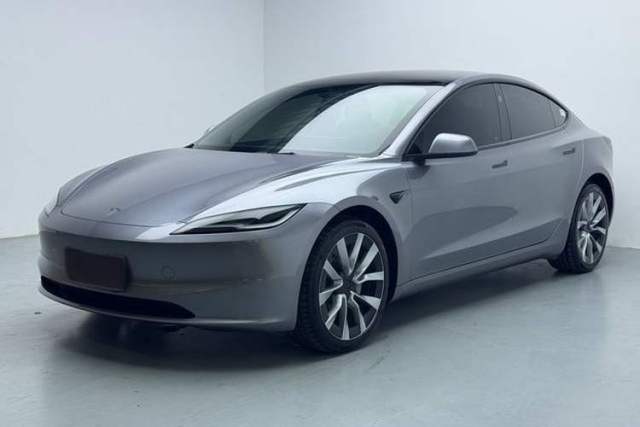
Why Tesla still leads the EV charts in Poland
Tesla's lead in Poland in 2026 is a brand-and-ecosystem story rather than a value one, and that is the key to understanding it. The cars are no longer the obvious bargain, but they come with the most mature package on the market: the country's best fast-charging network, a proven service and parts presence, and software that updates over the air in Polish with years of track record behind it. For a buyer making the leap from petrol to electric, that maturity is worth a premium, and the sales charts show Poles agreeing.
The Polish EV market in 2026, and Tesla's place in it
Battery-electric cars are now a meaningful and growing slice of new Polish registrations, and within that slice Tesla is the brand to beat. The Model Y is the single best-selling EV in the country and the Model 3 is close behind, a one-two that no rival has dislodged despite aggressive pricing from Chinese brands. Tesla's position rests less on any one spec than on the fact that it feels like a known, finished product in a market where many EVs still feel new.
What sets Tesla apart from the new Chinese challengers
The contrast with the new arrivals runs through this whole guide, so it is worth setting up plainly. Where BYD leads with a self-made battery and sharp pricing, and the Xiaomi SU7 leads with a spec sheet, Tesla leads with the things that are hardest to copy: the Supercharger network, full-self-driving and Autopilot software with a long development history, and a service footprint that already exists in Polish cities. A Chinese rival can match Tesla's range or undercut its price far more easily than it can replicate that charging and software ecosystem, and that is precisely why Tesla still wins buyers who could pay less elsewhere.
How we ranked the Tesla line-up for Polish buyers
We judged each Tesla on what actually matters to someone buying in Poland rather than on raw performance. Four things carried the most weight: the real PLN price including how the NaszEauto subsidy applies, usable range on the WLTP cycle, charging convenience given the Supercharger network, and how the model holds up as a used buy, since a large share of Polish Tesla interest is in pre-owned cars. That last lens is where we lean on Guazi's genuine asset, used-EV inspection data, to judge which models age well rather than guessing from a configurator. The result is a line-up read through a Polish buyer's eyes, not a global press release.
Tesla Model Y, the one Poland actually buys
The Model Y is the car that anchors Tesla's Polish dominance, and it earns the spot. It is a mid-size electric SUV with the practicality Polish families want, a competitive WLTP range, and full access to the Supercharger network that makes longer trips painless. Pricing starts from around 214,600 PLN, which is no longer cheap against Chinese SUVs but buys the most complete ownership package on the market. For a household replacing a petrol crossover with one electric car that has to do everything, the Model Y is the safe, capable default, and its resale strength is among the best of any EV here. The honest reservation is purely financial: a BYD or MG SUV will cost meaningfully less, so the Model Y is the pick when charging confidence and resale matter more to you than the sticker.
Tesla Model 3, the value entry into the brand
The Model 3 is the affordable way into Tesla in Poland, and it remains one of the most accomplished electric sedans you can buy. It starts from around 167,600 PLN, with the Performance version from roughly 213,400 PLN for buyers who want genuine pace, and it brings the same Supercharger access and software maturity as the rest of the range in a sleeker, more efficient body. This is the Tesla that most directly faces the new Chinese challengers, the BYD Seal and the Xiaomi SU7 among them, and the trade is familiar: those rivals match or beat it on quoted range and price, while the Model 3 answers with the charging network and a proven service record in Poland. For a single-car buyer who does a lot of motorway miles, the Model 3 plus the Supercharger network is still one of the most relaxing long-distance EVs you can own here.
Tesla Model S, Model X, and the Cybertruck question
The top of the Tesla range is where Polish buyers should tread carefully, because availability is the issue rather than the cars. The Model S saloon and Model X SUV are the long-standing flagships, and the full Tesla range in Poland spans up to around 648,890 PLN at the premium end, but the line-up here is in flux: some 2026 coverage points to the core narrowing toward the Model 3, Model Y and Cybertruck, while Polish listings and aggregators may still show S and X. The honest guidance is to treat the S and X as legacy or premium-tier cars and confirm what is actually orderable on tesla.com/pl_pl at the moment you buy, rather than assuming. The Cybertruck, meanwhile, is a curiosity in Poland more than a real proposition, given its size and the European market it was never designed for. For almost every Polish buyer, the decision lives in the Model 3 and Model Y; the rest is the halo tier you confirm case by case.
The line-up at a glance: prices, range and who each suits
Here is the practical summary of where each Tesla sits for a Polish buyer, anchored to what is most clearly orderable.
| Model | From (PLN) | Body | Charging | Best suited to |
|---|---|---|---|---|
| Model 3 | from 167,600 | Sedan | Supercharger + CCS2 | Value entry, motorway miles |
| Model 3 Performance | from 213,400 | Sedan | Supercharger + CCS2 | Pace at a sensible price |
| Model Y | from 214,600 | SUV | Supercharger + CCS2 | Families, the all-rounder |
| Model S / Model X | up to 648,890 (range top) | Saloon / SUV | Supercharger + CCS2 | Premium tier, confirm availability |
The Supercharger network: Tesla's real Polish advantage
This is the spine of the whole case for Tesla in Poland, and it deserves the spotlight. The Supercharger network is extensive across the country, reliable in a way that matters when you are 200 km from home, and among the cheapest DC charging available, at roughly 1.50 PLN/kWh and falling toward 1.00 PLN with membership. The sites run at 250 kW on V3 and V4 hardware, so a top-up is genuinely quick, and the experience is famously seamless: you plug in and the car handles billing without an app or a card dance. For a Polish driver who fears being stranded, this is the single biggest reason to pay Tesla's premium.
There is a twist worth knowing. Tesla has begun opening parts of its Supercharger network to non-Tesla cars in Poland, which is excellent news for the wider market but also changes the calculation slightly: the network is no longer a Tesla-only perk, even if Tesla owners still get the smoothest experience. So is Supercharger access alone worth choosing a Tesla over a cheaper rival? If you regularly drive long distances and value a charging experience that simply works, yes, it tilts the decision; if you mostly charge at home and rarely take long trips, the advantage shrinks and a cheaper EV with a home wallbox may serve you just as well. Our guide to charging an EV in Poland lays out how the Supercharger network compares with Orlen Charge, GreenWay and Ionity if you want the full landscape.
New vs used: should a Pole buy a pre-owned Tesla in 2026?
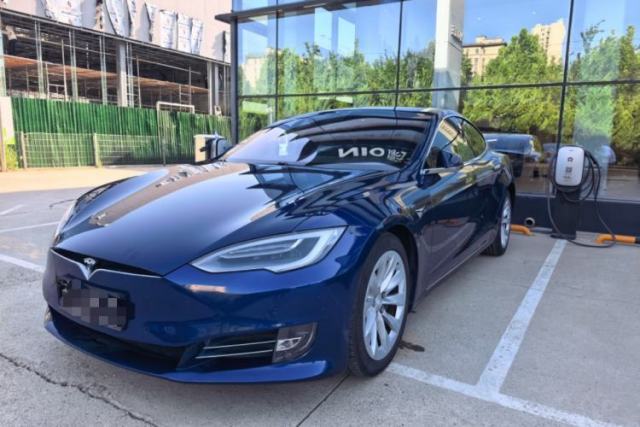
For value-minded buyers this is the real question, and it is where a used-car perspective earns its place. A Tesla is one of the most-traded used EVs in the world, which means a Polish buyer has a genuine choice between a new car and a one to three year old example at a notably lower price. A used Model 3 or Model Y keeps the same Supercharger access and software, and often a meaningful slice of warranty, while shedding the steepest part of the depreciation curve that new buyers absorb. The decisive factor, as with any used EV, is battery state of health, the measure of how much capacity remains versus when the car was new, because two identical cars with identical mileage can be a smart buy or a poor one depending on that single number.
| New Tesla | Healthy used Tesla (1 to 3 yr) | |
|---|---|---|
| Price | full PLN sticker | well below new |
| Supercharger access | yes | yes |
| Software and OTA | latest | same, proven |
| Main risk | depreciation | battery state of health |
| How to de-risk | n/a | verified inspection + battery report |
The takeaway is that a healthy used Tesla is frequently the smartest money in the brand, provided you buy on a verified condition and battery report rather than a seller's word.
The NaszEauto subsidy and what a Tesla really costs
Poland's NaszEauto programme can cut up to around 40,000 PLN off a qualifying new battery-electric car, and this is where the Model 3 and Model Y become more affordable than their stickers suggest. Eligibility hinges on the car's net price sitting under the scheme's cap and on the buyer's circumstances, so the cheaper Teslas qualify more comfortably than the premium tier. One important caveat: the programme runs to a deadline or until its funds run out, whichever comes first, and by the time you read this the window may be narrowing. Treat the subsidy as a reason to check current availability rather than a guaranteed discount, and confirm the live terms before you build it into your budget.
How to source an inspected used Tesla through Guazi
If the used end of this guide is where your budget points, the buying process is the part that protects you, and it is the one area where our perspective is genuinely first-hand. Tesla is the most-traded used EV globally, and as one of China's largest used new-energy-vehicle platforms, Guazi is built around the standardized inspection that surfaces exactly what you cannot see on a test drive: battery state of health, charging history and accident record. To be clear and honest, Guazi does not retail or export used Teslas into Poland; what we offer is inspection expertise and a clear sense of what to check before you commit anywhere. Start from the real-world range you need, set your budget, and let a verified condition report rather than the listing decide. See how Guazi inspects used EVs
Weighing new against used? Compare inspected used EVs at Guazi
Key Takeaways
- Tesla in Poland is no longer the cheapest EV brand, yet it still leads the charts because it solved charging and software better than anyone.
- The Model Y and Model 3 are the clearly orderable core, from around 214,600 PLN and 167,600 PLN; treat the S and X as a legacy tier to confirm at order.
- The Supercharger network is the real reason to choose Tesla here: extensive, reliable, 250 kW, and among the cheapest DC at roughly 1.00 to 1.50 PLN/kWh.
- A healthy one to three year old used Tesla is often the smartest money in the brand, as long as you buy on a verified battery state-of-health report.
- NaszEauto can cut up to around 40,000 PLN off a qualifying Model 3 or Model Y, but it runs until funds are exhausted, so check current availability.
Sources & References
- Tesla Poland
- Tesla Superchargers in Poland
- Autogiz, Tesla prices in Poland 2026
- Recharged, Tesla 2026 line-up guide
- Mobility Portal, Poland BEV record and Tesla lead
Choosing between a new Tesla and an inspected used one?
Our team can explain what to check on a used Tesla and walk you through its battery-health report before you commit.

About Us
Get Support
Follow Us


Copyright © 2015~2026 https://en.guazi.com/, Chongqing Guazi Enterprise Consulting Service Co., Ltd. All rights reserved.