
Guazi
GlobalEnglish


How Fans Are Driving Between World Cup 2026 Cities, and What They Drive
Article OverviewWorld Cup travel in 2026 means moving between 16 host cities. Here is when driving beats flying, the regional routes worth a car, and the used car that fits the run.
A note on the numbers in this guide. Distances, drive times, and costs are 2026 reference points compiled in June 2026 from tournament travel desks and mapping data. Fuel, hotel, and flight prices move fast during a major event, so treat every figure as a planning range rather than a quote, and confirm current prices and any border rules before you set off.
The 2026 World Cup is not a city, it is a continent. Forty-eight teams, 80 matches, and 16 host cities spread across the United States, Canada, and Mexico, roughly 3,000 miles from corner to corner. Once you have tickets, the next real question of World Cup travel is not which match to see. It is how you move between them through the busiest travel summer North America has seen in years. This is the first World Cup that is genuinely a road-trip tournament, and for a lot of fans the smartest way through it is behind a wheel.
This guide answers the part the ticket sites skip. We map which routes actually reward a car and which ones you should fly, we run the honest drive-or-fly cost math, and we get into the question almost nobody covers, what kind of car suits a six-week summer run, and why a cheap inspected used car you can resell in July often beats weeks of rental. Guazi is a used-car platform, one of China's largest, so we come at this from the value-and-inspection side rather than the rental counter. By the end you should know exactly where a car helps, where it hurts, and what to drive if the answer is yes.
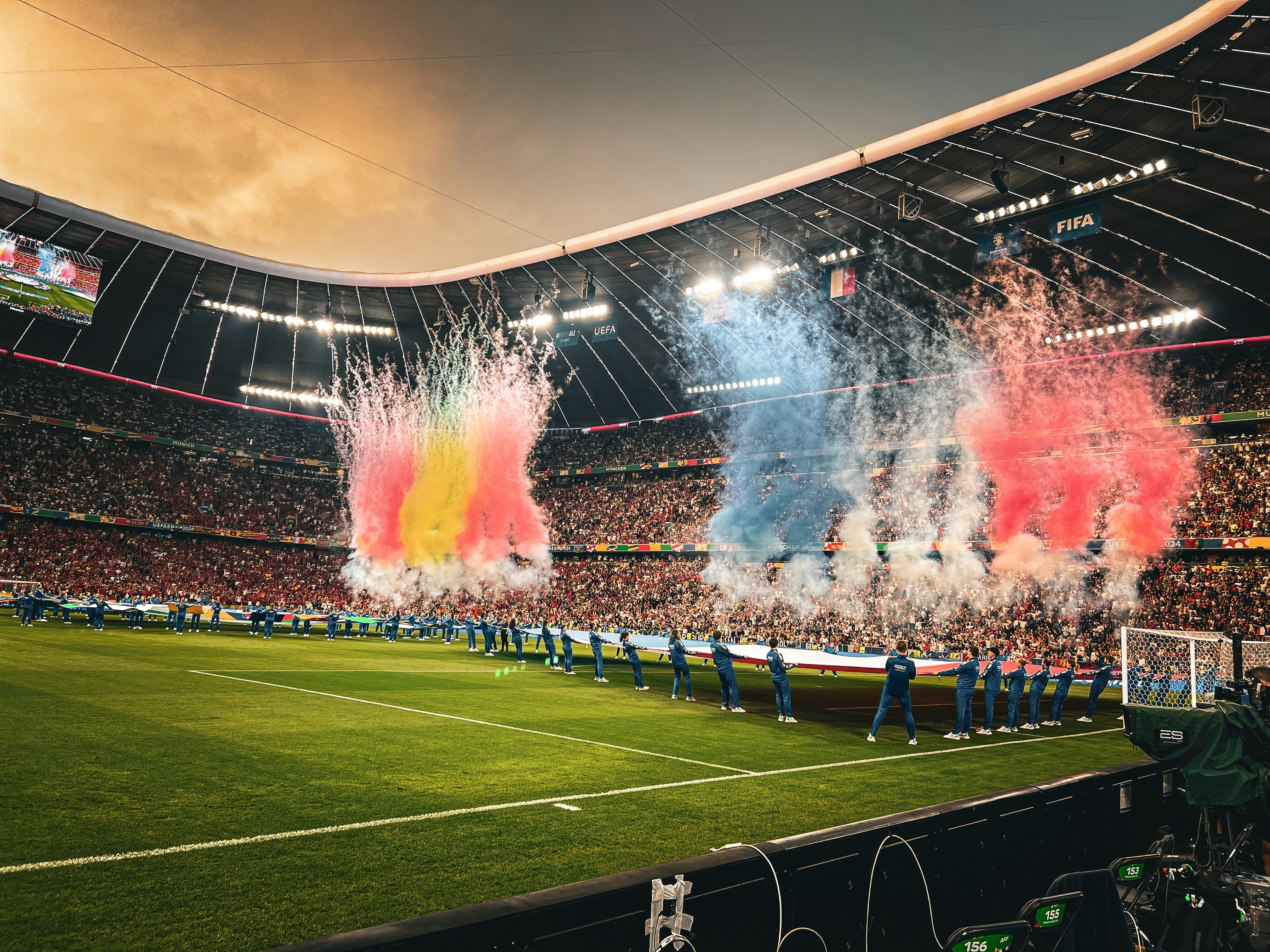
A tournament spread across 3,000 miles
Start with the scale, because the scale is the whole story. Past World Cups packed into one country and often one cluster of cities. The 2026 edition runs across three nations and 16 host cities: 11 in the United States from Seattle to Miami, three in Mexico, and two in Canada (US Soccer). End to end that is close to 3,000 miles, more than the width of the contiguous United States. New York to Los Angeles alone is about 2,790 miles, a 41-hour drive (Roadtrips). The tournament is built to be regional, and your travel plan should be too.
Why you cannot drive the whole thing, and should not try
Let me be blunt, because some road-trip dreams need an early reality check. You cannot follow your team across all 16 cities by car, and attempting it would cost you the tournament. The coast-to-coast spread turns into multi-day drives between far-apart matches, and the calendar simply will not hold them. Trying to drive a Seattle group-stage match to a Miami one inside a few days means living on interstates instead of watching football. For the long legs, you fly. Driving earns its place on the short and medium hops, the ones where flying is more hassle than it is worth once you count airport time, bag fees, and a rental queue on the far end.
The regional clusters that actually make sense to drive
Here is the framing every good travel desk lands on, and the one this whole guide hangs from. The host cities fall into natural regional clusters, and within a cluster a car is often the best way to move (Wego). Think in groups, not in a single cross-country line.
- Central / Texas: Kansas City, Dallas, Houston, the friendliest cluster to drive, anchored by short interstate hops.
- Northeast corridor: Boston, New York/New Jersey, Philadelphia, tight, dense, and well under a day's drive apart.
- Pacific Northwest: Seattle and Vancouver, a single cross-border hop rather than a sprawl.
- Southeast: Miami and Atlanta, a long but single drivable leg if the schedule lines up.
- California: Los Angeles and the San Francisco Bay Area, drivable but long enough that flying is often the call.
If your team's group, or the knockout cities you are chasing, sits inside one of these clusters, a car stops being a luxury and starts being the obvious move. That is where the rest of this guide lives.
Fans on the road: the routes that reward a car
This is the part for the fans on the road, the ones who would rather own their schedule than hand it to an airline. A few specific corridors are made for driving, and they are worth knowing by name before you book anything.
The Central run: Kansas City, Dallas, Houston
If there is a perfect driving cluster at this World Cup, it is Texas and its neighbor to the north. The standout is Dallas to Houston, widely flagged as the easiest match-to-match drive in the tournament, about 240 miles in roughly four hours straight down I-45 (Wego). Kansas City sits a longer haul north but ties the three into a clean triangle you can run over a week without ever touching an airport. Flat, fast interstates, cheap fuel by global standards, and plenty of mid-trip towns to break the journey. For a fan with matches across these cities, a car is simply the right tool.
The Northeast corridor: Boston, New York, Philadelphia
The Northeast is the other natural drive, and it is dense. Boston to New York is about 215 miles, four to five hours by road (Roadtrips), and New York to Philadelphia is closer still. The catch here is the city itself. Manhattan driving and parking are punishing, so the smart play is a car for the corridor and intercity legs, parked outside the core, with transit or rail for the final hop into the dense center. Used right, a car turns three packed cities into one relaxed run instead of three separate flight-and-rental headaches.
The cross-border drive: Seattle to Vancouver
The Pacific Northwest gives you the tournament's cleanest international drive. Seattle to Vancouver is a single manageable leg up I-5, the kind of hop where driving genuinely beats flying once you count airport time on both ends. The one thing to plan for is the border. Build in a real buffer for the crossing on a match day when thousands of other fans have the same idea, carry your documents, and check current wait times before you commit to a kickoff. Do that, and it is one of the most rewarding drives of the whole event.
Drive or fly? The honest cost math
Here is the decision most fans actually came for, laid out plainly. Neither answer is always right. It depends on the leg, and the honest way to choose is to weigh real cost against real hassle rather than just the airfare.
| Factor | Driving (within a cluster) | Flying (between clusters) |
|---|---|---|
| Best for | Short and medium hops, 2 to 4 cities | Long legs, 800+ miles, far-apart matches |
| Door-to-door time | Often faster on short hops | Faster only once distance is large |
| Cost for a group | Split fuel, one vehicle, scales well | Per-person tickets, climbs with group size |
| Flexibility | Total, leave when you want, detour freely | Fixed schedules, change fees, delays |
| Matchday hassle | Stadium parking is limited and pricey | Airport transfers plus a rental anyway |
| Luggage and gear | No bag fees, throw it all in | Checked-bag costs, weight limits |
| Best regional fit | Texas triangle, Northeast, Seattle to Vancouver | NY to LA, Miami to anywhere west |
The pattern is clear. For a group staying inside one regional cluster, driving usually wins on both cost and freedom, especially once you split fuel across three or four people and skip the per-person airfare. For the long legs between clusters, fly and do not think twice. Most fans following a team through the group stage and into the knockouts end up doing both, and the savviest plan their car around the cluster where they will spend the most matchdays.
What kind of used car suits a World Cup summer
So if driving wins your cluster, what should you actually be in for six weeks? This is the used cars question the travel guides never touch, and it matters more than people think. A summer of multi-city driving is not a weekend errand. The right car makes the trip; the wrong one makes it a chore.
Space, comfort, and fuel over six weeks
Three things decide whether a car carries a long tournament well. Space, because two to four fans plus luggage, coolers, and a tournament's worth of gear fill a small car fast, which is why a midsize SUV or a roomy sedan tends to be the sweet spot. Comfort, because hundreds of interstate miles punish a cramped, noisy cabin, so a settled ride and decent seats matter more than straight-line speed. And fuel economy, because six weeks of driving turns every extra mile per gallon into real money. A reliable, comfortable, reasonably efficient used SUV or large sedan hits all three without the premium of anything new or exotic.
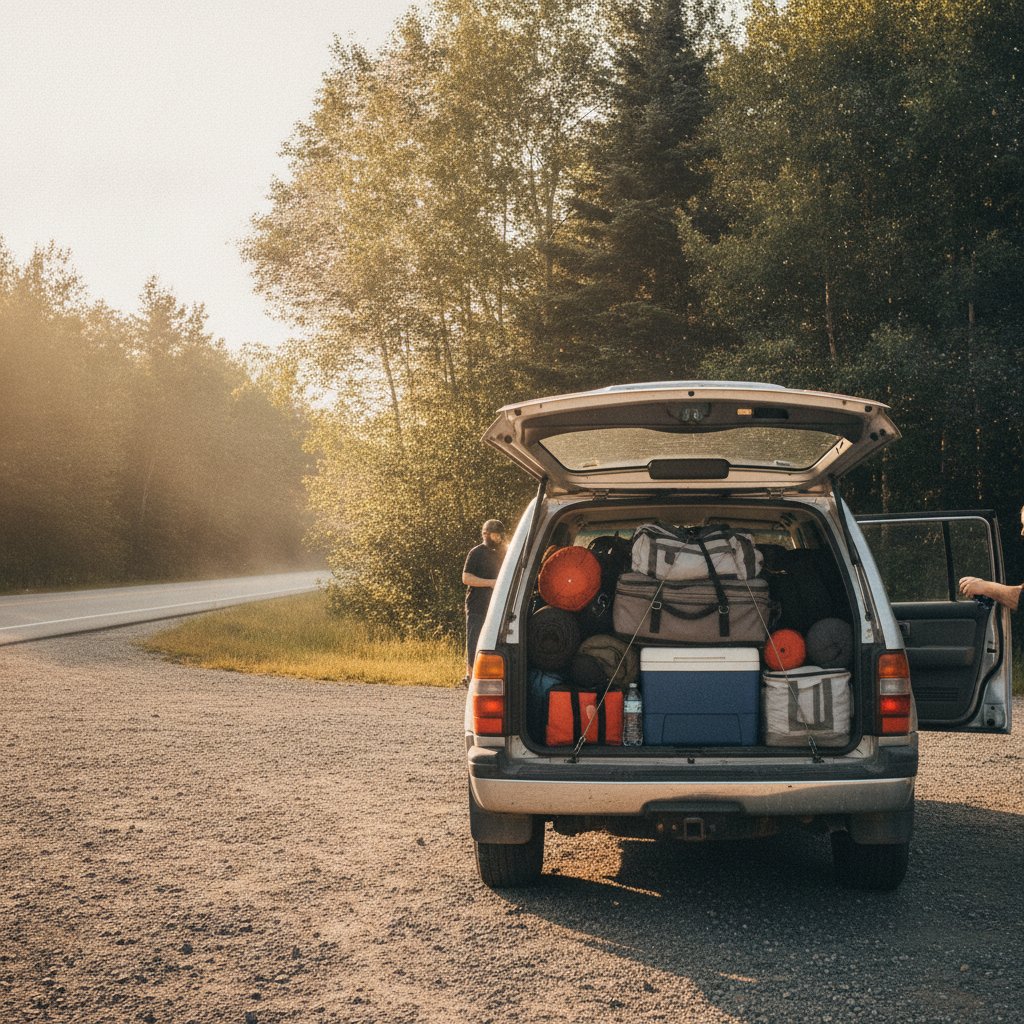
Why a used car beats weeks of rental for a long run
Here is the value play, and it is the heart of why a used-car lens belongs in a World Cup travel guide at all. Renting for the full tournament window stacks up fast: six weeks of daily rates, summer surge pricing during a global event, young-driver and one-way fees, and insurance on top. Buying a sound, inspected used car flips the math. You pay once, drive it as hard as the schedule demands, and sell it after the final whistle in July, recovering much of the outlay. For a long multi-city run, that can land well below the all-in rental cost while giving you a car that is yours for the duration.
| Renting for six weeks | Buying an inspected used car | |
|---|---|---|
| Upfront cost | Lower to start | Higher to start |
| Total cost over the tournament | Daily rate stacks up, plus event surge | Pay once, recover much of it on resale |
| Surge and event pricing | Hits hard during a global event | None, you already own it |
| Mileage limits | Often capped, fees beyond | None, drive it freely |
| End of trip | Hand it back, nothing recovered | Resell and recover a large share |
| Best for | A single short leg | A long multi-city, multi-week run |
Treat resale as part of the purchase from day one. A clean, popular, well-documented used car that a fan bought for the tournament is exactly the kind of car the next buyer wants, which is what makes the resale recovery realistic rather than wishful.
Driving smart: parking, borders, and matchday
A few practical realities separate a smooth trip from a stressful one, and none of them are obvious until you are in them. Matchday parking is the big one. Stadium parking is limited, expensive, and slow to clear after a match, so the move is to park away from the venue and use transit or a short rideshare for the final stretch (AARP). Mexico has a hard rule worth stating plainly: driving there requires Mexican auto insurance, because US and Canadian policies are generally not accepted for liability coverage, so arrange it before you cross or skip the drive on the Mexican legs (Wego). And on lodging, staying just outside the host city, Fort Worth instead of Dallas, or Fort Lauderdale instead of Miami, can save real money per night, which a car makes easy (Roadtrips). Plan parking, insurance, and lodging up front and the driving part takes care of itself.
Buying an inspected used car before the trip, through Guazi
If the value end of this guide is where you land, the buying process is the part that protects the plan. The whole case for a used car over six weeks of rental rests on one thing: the car has to be sound, because a breakdown mid-tournament costs you a match you flew across a continent to see. That is the gap an inspection closes. Guazi is one of China's largest used-car platforms, built on a standardized multi-point inspection that produces a digital condition report on every car, with tens of millions of inspections behind the model. The point for a fan is simple. Buy on a verified condition report rather than a stranger's word, pick something popular and well-documented so it resells cleanly in July, and drive the tournament with one less thing to worry about.
Browse inspected used cars in stock
Key Takeaways
- World Cup travel in 2026 spans 16 cities and roughly 3,000 miles, so plan by regional cluster, not as one cross-country trip.
- Drive within a cluster, Texas, the Northeast corridor, Seattle to Vancouver, and fly the long legs between clusters.
- The honest drive-or-fly call comes down to distance and group size: driving wins short hops and groups, flying wins the long hauls.
- For a six-week run, a comfortable, efficient used SUV or large sedan beats a small car, and buying then reselling often beats weeks of surge-priced rental.
- Plan matchday parking away from the venue, arrange Mexican insurance before driving in Mexico, and buy on a verified inspection so the car lasts the tournament and resells cleanly.
Sources & References
- US Soccer, 16 host cities for the 2026 World Cup
- Roadtrips, World Cup 2026 travel guide
- Wego, FIFA World Cup road trip guide
- AARP, World Cup 2026 travel tips
Planning to drive part of your World Cup summer?
Our team can help you find an inspected used car that fits a long multi-city run and resells cleanly once the tournament is over.
About Us
Follow US


Copyright © 2015~2026 https://en.guazi.com/, Chongqing Guazi Enterprise Consulting Service Co., Ltd. All rights reserved.