

World Cup Special • Save up to $1000 on selected vehicles

Guazi
GlobalEnglish


Where Ghana Used Car Prices Are Headed Through 2028
Article OverviewGhana car prices 2026: Where Ghana used car prices have been, where they are now, and a directional projection of price trends to 2028 with the drivers.
Pricing Note: All price figures and trend ranges in this guide are May 2026 indicative observations from public Tonaton.com and Jiji.com.gh listings and the Guazi Africa Desk. Forward-looking statements are directional commentary, not financial advice. Currency reference: GHS 12.5 ≈ USD 1; figures written as K thousands.
Ghana car prices in 2026 sit at the intersection of three forces: the cedi, the global used-car market, and the rise of China as a major exporter. Each of the three is moving. A buyer or dealer who reads the trend correctly buys in a different month than one who reads it wrong, and the difference is real money.
This guide walks through where Ghana used car prices 2026 sit right now, the drivers moving them, and a directional read on where prices are likely to head over the next two to three years. It is written for the reader who wants to understand the trend, not just check a sticker on a Tonaton or Jiji listing.
Need help finding a particular model?
Connect with a certified Guazi sourcing expert and enjoy 24/7 multilingual support
What Drives Ghana Car Prices in 2026
Ghana's used-car market is import-driven; there is no large domestic supply, so prices track the cost of bringing cars in. Three forces dominate.
The exchange rate. A weaker cedi against the US dollar raises every imported price in GHS terms, even when the underlying source-market price is unchanged. The opposite holds in a stronger cedi quarter. With Ghana fuel sitting near GHS 13 to 14 per liter, the cedi also drives running costs as well as sticker price.
Import duty and fees. Ghana assesses used-vehicle duty on the CIF value, engine size, and age, with stacked levies. Any change in duty rates or the age penalty moves the landed cost, and therefore, the showroom sticker.
The source-market mix. For decades, that source mix was dominated by the US and UAE re-exports. Increasingly, China (a left-hand-drive market with a deep domestic used-car supply) supplies a larger share. That shift pulls the average landed cost down for buyers who use the verified China-export route.
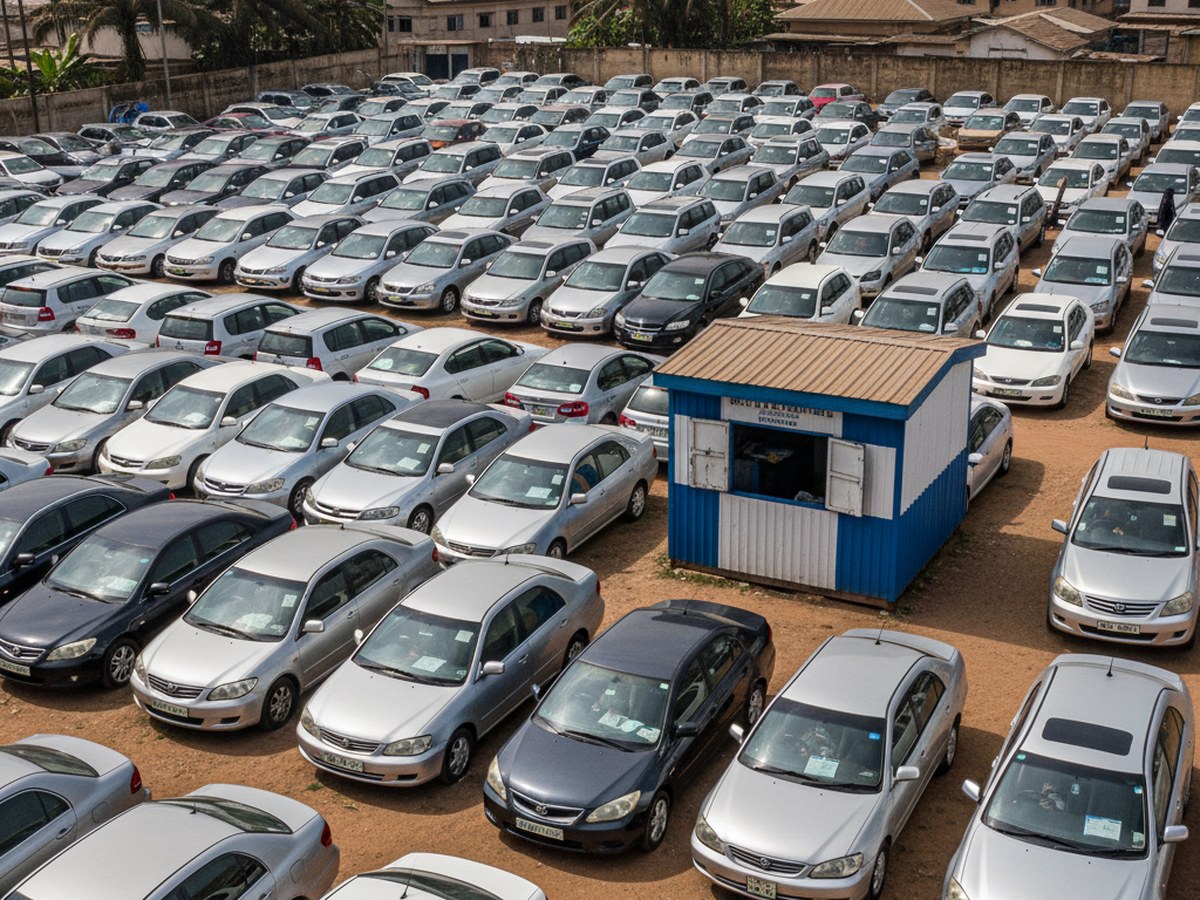
Where Prices Sit Right Now (May 2026)
Indicative May 2026 used-price bands for the most cross-shopped models (Tonaton and Jiji foreign-used listings):
| Model (typical year band) | GHS price band | USD approx |
|---|---|---|
| Toyota Corolla 2018-2021 | 80K-130K | 6.4K-10.4K |
| Toyota RAV4 2018-2021 | 150K-220K | 12K-17.6K |
| Toyota Hilux 2017-2020 | 180K-280K | 14.4K-22.4K |
| Toyota Camry 2017-2020 | 100K-160K | 8K-12.8K |
| Honda Civic 2018-2021 | 110K-190K | 8.8K-15.2K |
| Honda CR-V 2017-2020 | 140K-200K | 11.2K-16K |
| Hyundai Tucson 2017-2020 | 90K-140K | 7.2K-11.2K |
| Honda Fit 2016-2019 | 55K-80K | 4.4K-6.4K |
| Kia Picanto 2017-2020 | 45K-70K | 3.6K-5.6K |
These are the cars the Ghana market most often compares, and the bands that move when the three forces above move.

Looking Back: 2024 to 2026
Over the past two years, Ghana car prices have moved in three readable phases. First, a stretch of cedi weakness pushed local GHS prices up faster than source-market prices. Second, a partial cedi recovery moderated the rise. Third, a growing share of China-export supply began to soften prices at the volume end, particularly on 2018+ units, for buyers who used verified import routes.
The net is that 2026 sticker prices on volume models (Corolla, RAV4, Tucson) sit modestly higher in GHS terms than two years ago, but with a wider gap between local-only sticker prices and the landed-cost figure available through a verified China-export route. That gap is the trend's defining feature for the budget-conscious buyer in Accra or Kumasi.
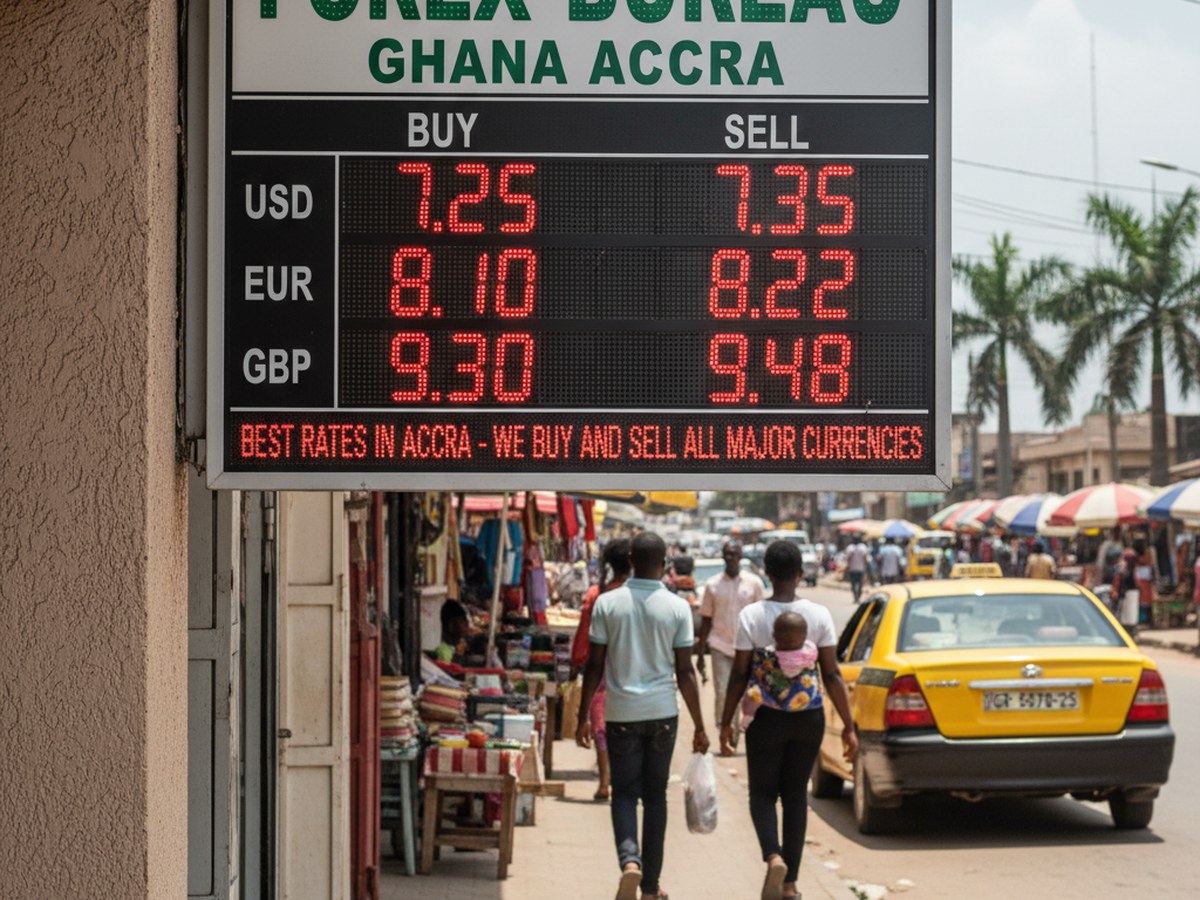
Looking Ahead: 2026 to 2028
A useful Ghana car price forecast has to acknowledge that the three drivers are volatile, so the honest answer is directional rather than precise.
- Cedi-USD. If the cedi remains range-bound or strengthens modestly, expect imported prices to stay near current GHS levels. A weakening cycle would push them up across the board.
- Duty regime. Any change to the 10-year age cap or duty bands at a budget would move sticker prices on the affected categories within weeks. Watch for budget announcements.
- China-export share. This is the one structural force pulling prices down. As more buyers route through verified Chinese platforms, the landed cost for compliant 2018+ stock should continue to soften relative to local-only pricing.
The directional read: local-only sticker prices may drift sideways to modestly higher in GHS terms, while landed costs via the verified China-export route should remain below them, with the gap widening for buyers willing to plan a 4 to 6 week lead time. That is not a prediction; it is the shape of the forces.
What This Means for Different Buyers
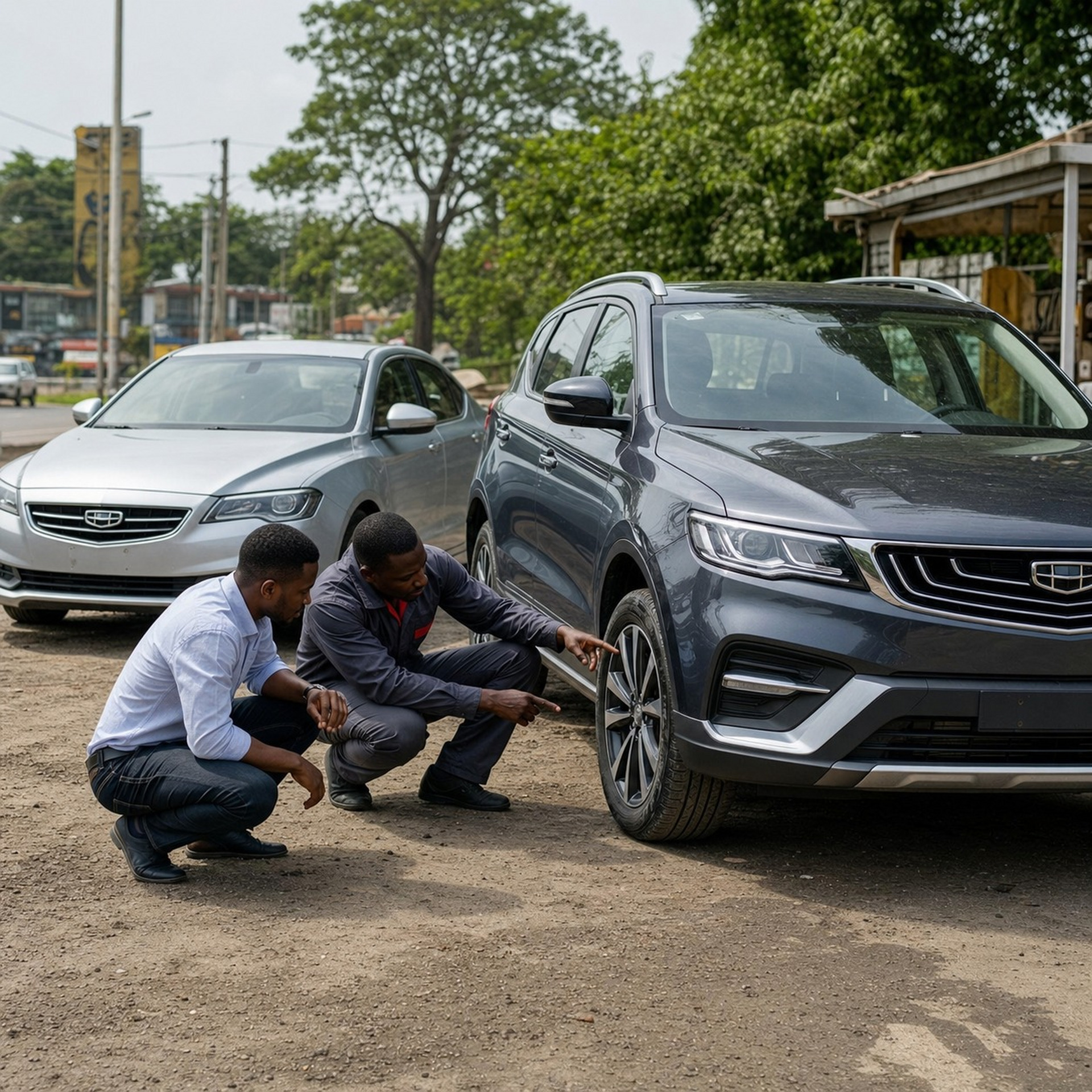
For the individual buyer. If you are buying inside Ghana now, focus on the GRA duty calculation for any specific car and the landed cost rather than the sticker price. If your timeline allows 4 to 6 weeks, comparing a local quote against a verified China-export quote is usually worth the wait.
For the dealer or showroom. The widening local-vs-import gap is a margin opportunity. Building part of the lot through a verified import channel, particularly on the layer-1 volume models, converts the trend into per-unit profit.
For the ride-hailing or commercial driver. Fuel and km per litre economics matter more than small price moves. With fuel near GHS 13 to 14 per liter in Accra, pick the model with the right operating-cost profile first; sticker timing is a secondary lever.

Three Reading Habits That Pay Off
Three habits separate buyers who time the market reasonably well from buyers who get caught:
- Anchor on landed cost, not sticker. The sticker is what you see; the landed cost is what you pay. Always run the GRA calculator on the specific vehicle.
- Watch the cedi, not headlines. The exchange rate, not the news cycle, sets imported-car GHS prices. A weakening trend is the warning sign.
- Track budget windows. Duty rate changes typically follow national budgets; they move sticker prices fast. Calendar them.
Doing those three turns, price-trend reading from speculation into a process.
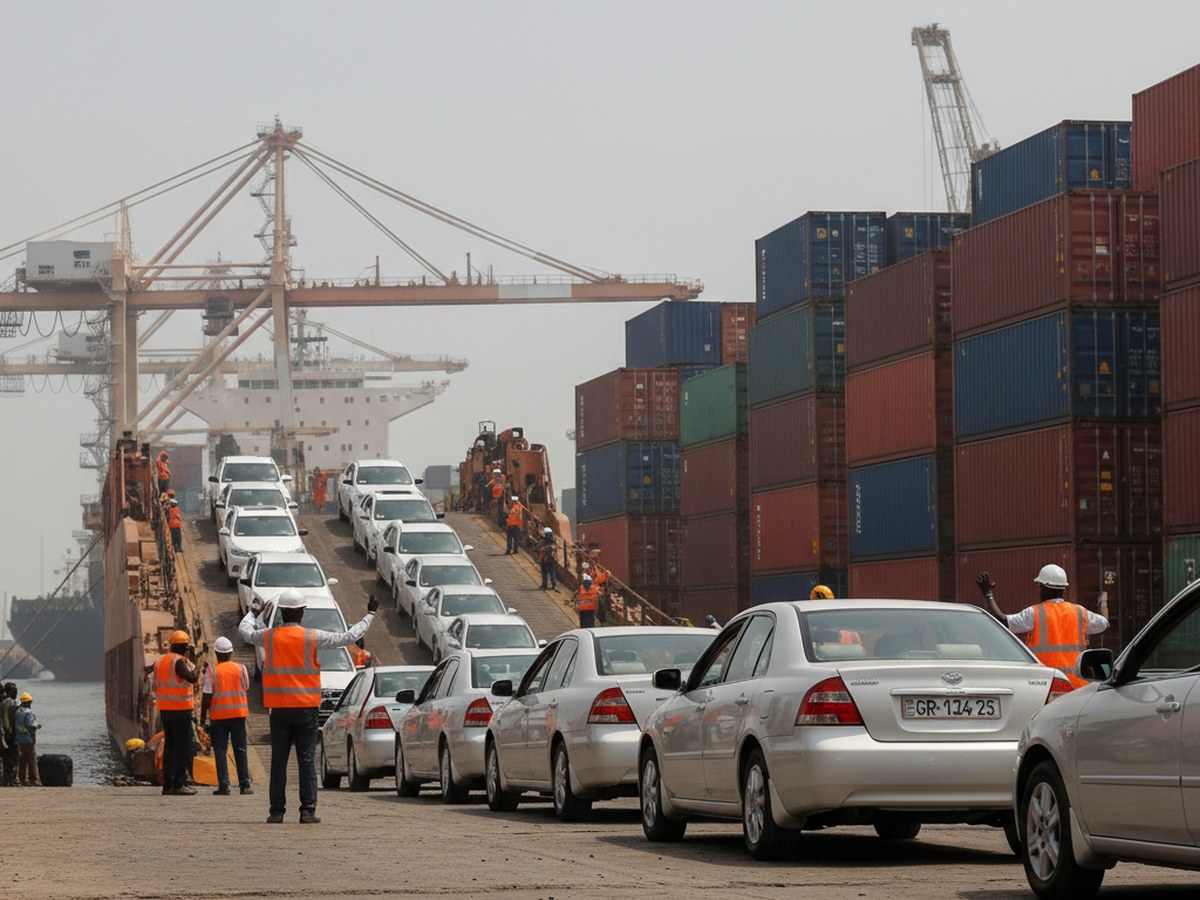
How Guazi Locks In Your Landed-Cost Picture
A verified export platform smooths several of the trend variables for the buyer. Guazi exports 35,000+ vehicles a year, with 8,000+ into African markets, sourced 100% from individual owners in China. That is a stable, large supply that does not depend on Ghanaian local stock cycles.
For an individual buyer, that means a duty-inclusive landed-cost estimate fixed at quote time, so a buyer choosing today knows the total bill regardless of what the local Tonaton page says next week. For a showroom, the same channel offers dealer-quantity pricing on the volume layer. The macro trend forces remain; a verified channel makes their effect on the buyer's specific car predictable.
Want a landed-cost figure on a specific car at today's quote?
Talk to the Guazi Africa desk.
Final Recommendation & Next Steps
To navigate Ghana car prices in 2026:
- Treat the sticker as one data point; compute the landed cost for any specific car you consider.
- Compare a local quote against a verified China-export quote. The gap is where the trend lives.
- Watch the Cedi and calendar budget windows; those move prices, headlines do not.
- For volume buyers (showrooms, fleets), build part of the lot through a verified import channel and convert the trend into margin.
The forces will keep moving. Reading them and planning around the landed cost rather than the sticker is what turns a price-trend article into a useful buying decision.
Key Takeaways
Ghana car prices in 2026 are driven by three forces: the cedi-USD rate, the GRA duty regime, and a source-market mix where China's share is rising. Representative May 2026 used bands show a Corolla at GHS 80K to 130K, a RAV4 at GHS 150K to 220K, and a Hilux at GHS 180K to 280K. The directional outlook for 2026-2028: local-only stickers drift sideways to modestly higher, while landed costs via a verified China-export route stay below them, and the gap widens. For most buyers, the right move is to anchor on landed cost rather than sticker, watch the cedi, and calendar national budget windows. A verified China-export route stabilizes the buyer's specific cost picture even as the macro forces keep moving.
Sources & References
- Ghana used-car listing context: Tonaton, used cars; Jiji Ghana, cars.
- Ghana customs and duty assessment: GRA used-vehicle duty calculator · Ghana Revenue Authority.
- Ghana cedi exchange rate context: Bank of Ghana.
- Guazi facts (35,000+ annual exports, 8,000+ into Africa, 200+ point inspection, 100% individual-owner sourcing): Guazi About.








About Us
Follow US


Copyright © 2015~2026 https://ylqc.guazi.com/, Yilanqunche Automobile Services (Shanghai) Co.,Ltd. All rights reserved.