

World Cup Special • Save up to $1000 on selected vehicles

Guazi
GlobalEnglish


How to Import Chinese Cars to UAE Without Getting Stuck at Registration
Article OverviewImport Chinese cars to UAE guide covering documents, customs duty, VCC, inspection, insurance, registration, and buyer risk checks.
Data note: This guide uses UAE customs and registration references checked on 23 July 2026. Duties, inspection rules, authority workflows, insurance charges, port fees, and registration fees can change. Verify the exact vehicle, emirate, customs declaration, and registration path before payment.
Chinese cars are no longer a small side conversation in the UAE. Buyers are comparing electric SUVs, plug-in hybrids, family crossovers, and value sedans from China because the equipment level often looks strong for the money. The trap is that a good China price does not automatically become a UAE-road-ready car.
To import Chinese cars to UAE, you need to think in two stages. First, can the vehicle clear customs with the right paperwork and declared value? Second, can it pass the emirate registration process with inspection, insurance, and the right vehicle clearance documents? A car can look attractive in China and still become expensive if the documents, specification, charging standard, or registration path is weak.

The short answer on importing Chinese cars to UAE
- Confirm the exact car before payment: VIN, model year, source market, steering side, fuel or charging type, warranty limits, and UAE/GCC suitability.
- Prepare export and shipping documents from China, including invoice, packing list, bill of lading, ID or company documents, and any conformity/specification proof available.
- Clear the vehicle through UAE customs. Dubai Customs guidance says imported vehicles are checked and customs tax of 5% is imposed on the assessed value of each car.
- Obtain the Vehicle Clearance Certificate when the vehicle needs UAE registration after import clearance.
- Complete technical inspection when required, buy insurance from an authorised insurer, then register through the relevant emirate authority.
- Do not compare a China FOB price with a UAE registered price. Build a road-ready worksheet first.
That is the practical answer. The rest of the guide shows where buyers usually lose money or time.
Before you buy in China, check whether the exact car can live in UAE
The most important check happens before the ship moves. A buyer should not start with colour, screen size, or headline range. Start with whether the exact vehicle can be cleared, insured, inspected, serviced, charged, and registered in the UAE.
For a petrol or hybrid car, check emissions suitability, spare-parts supply, diagnostic support, warranty transfer, cooling system condition, tyre specification, and whether the model is already familiar to UAE workshops. For an EV, add charging port type, battery health report, heat-management system, software language, navigation limitations, charger compatibility, and battery warranty status.
If the car is a China-domestic-market model, be extra careful. It may be excellent value, but you need proof that the vehicle specification and documents will not create a registration problem. The safest sentence before payment is simple: "Show me the exact VIN, export document path, specification evidence, inspection report, and UAE registration plan."
Chinese brands and China-built models UAE buyers should compare carefully
The UAE market is already familiar with many Chinese nameplates, but you still need to separate brand interest from import readiness. A vehicle can be desirable in Dubai or Abu Dhabi and still need careful checks on specification, warranty transfer, charging, software, parts, and registration.
| Brand group | Examples to research | UAE-specific check |
|---|---|---|
| Chinese brands | BYD, Chery, Geely, Haval from Great Wall, JAC, Dongfeng, Wuling, Changan, MG, Jetour, Xiaomi Auto where export-ready units exist | Confirm GCC/UAE suitability, cooling, AC performance, charging or fuel system, parts access, and whether the exact model can be insured and registered |
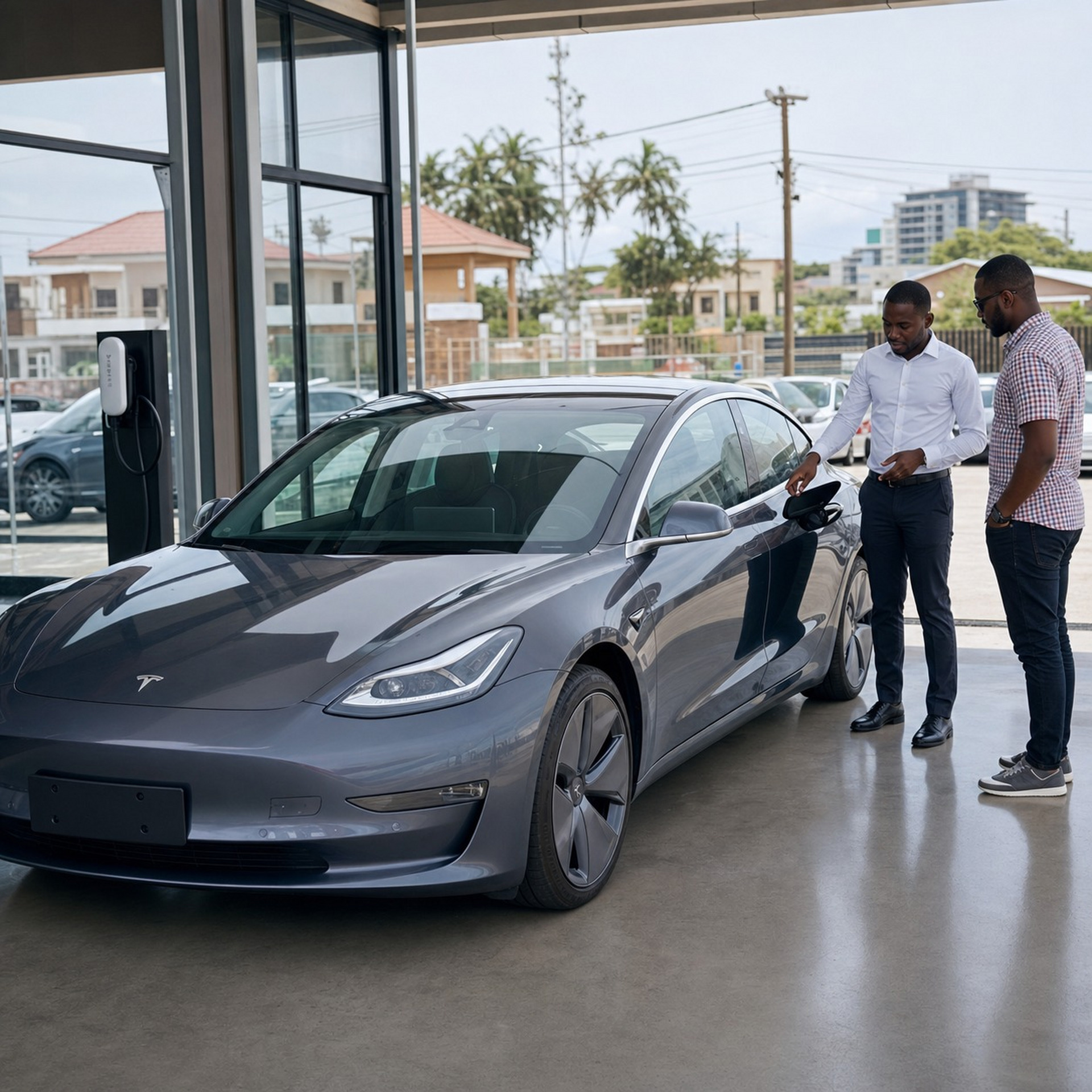
| China-built global models | Tesla MIC Model 3 and Model Y, Volvo China-built sedans/SUVs, BMW Brilliance models, Buick Envision, SAIC-VW and FAW-VW units | Do not rely on the global badge alone. Verify China-built specification, software region, warranty limits, conformity evidence, and service support in the UAE |
| UAE import (recommended) | BYD Song Plus, Chery Tiggo 7 and Tiggo 8, Geely Coolray and Atlas, Haval Jolion and H6, Tesla Model 3 and Model Y, Ford Territory, Volvo S90, JAC JS4 and JS6 | Treat this as a starting list. The better import is the unit with cleaner documents, a realistic registration path, and a service plan after arrival |
Use this brand list as a starting point, not as a ranking. As a UAE buyer, shortlist the brands that fit your budget and service plan, then let VIN evidence, conformity checks, shipping method, customs value, inspection, and insurance decide whether the exact car is worth importing.
The document checklist for importing a Chinese car to UAE
Documents are not paperwork decoration. They decide how fast the car moves through customs and whether the registration file is clean later.
| Document or proof | Why it matters |
|---|---|
| Commercial invoice | Supports customs valuation and purchase record |
| Packing list | Confirms shipment details and cargo identity |
| Bill of lading | Proves shipping path and vehicle arrival record |
| Passport copy or trade licence | Required depending on personal or business import path |
| Vehicle identification details | VIN, model, year, engine or motor data, and source market |
| Export documents from China | Shows the car can legally leave China |
| Certificate of origin, if available | Helps identify manufacturing/source details |
| Conformity or specification evidence | Helps reduce registration and inspection uncertainty |
| Inspection report and photos | Separates a real car from a vague supplier promise |
| Insurance and registration documents after arrival | Needed before road use |
Dubai Customs lists invoice, packing list, bill of lading, and passport copy for new and second-hand vehicles imported through a shipping company. For personal import, it lists passport copy and invoice. A business importer should also confirm trade licence and authorisation requirements before shipping.
The customs file and the registration file are not the same file
One of the easiest mistakes is to think that customs clearance means the car is already ready for UAE roads. It is not. Customs decides whether the import file can move through the port and what value is used for duty. Registration decides whether the vehicle can legally be driven in the relevant emirate.
| Question to settle | Customs-side answer | Registration-side answer |
|---|---|---|
| Can the car enter the UAE import process? | Invoice, bill of lading, packing list, ID or trade documents, customs declaration, inspection/evaluation, and assessed value | Not decided yet |
| What proves the car cleared import? | Vehicle Clearance Certificate or equivalent clearance document after the import process | Used as one possible vehicle document for registration |
| What makes the car legal for road use? | Not customs' role after clearance | Technical inspection where required, electronic insurance, Emirates ID or traffic file, registration certificate, and plates |
| Which authority should you confirm? | Customs authority and clearing agent for the arrival port | The traffic/registration authority in the exact emirate |
This split matters most when you import through Dubai but plans to register or use the car elsewhere in the UAE. Dubai Customs and RTA guidance is useful, but the final registration file still has to match the emirate where the vehicle will be registered.
What UAE customs does before the car can move forward
Customs is not the same thing as registration. Customs clears the import file and assesses the car. Registration makes the car legal for UAE road use.
Dubai Customs guidance says new and second-hand vehicles can be imported according to import requirements. It also says imported vehicles are checked and evaluated, and customs tax of 5% is imposed on the assessed value of each car. That last phrase matters because the final customs value may not simply copy the seller's invoice if the authority assesses the car differently.
For buyers, the useful planning rule is this: keep a customs reserve even when the China quote looks clean. The declared value, freight, insurance, assessment, service fees, and clearance workflow can change the real number.
Why the Vehicle Clearance Certificate matters
The Vehicle Clearance Certificate, often shortened to VCC, is one of the key bridge documents between customs and registration. Dubai Customs describes the VCC as mandatory for vehicles that need to be registered within the UAE after import clearance through Dubai.
The VCC is not the same as insurance, inspection, or number plates. It is proof that the vehicle cleared the relevant import process and can move into the registration workflow. Dubai Customs lists a VCC service fee of AED 30 per vehicle, but that should not be confused with the full cost of importing and registering a vehicle.
If a seller, broker, or forwarder talks only about shipping and ignores the VCC or registration path, pause the purchase. The cheapest shipment is not useful if the vehicle sits after arrival.
Choose a shipping method for China-to-UAE imports
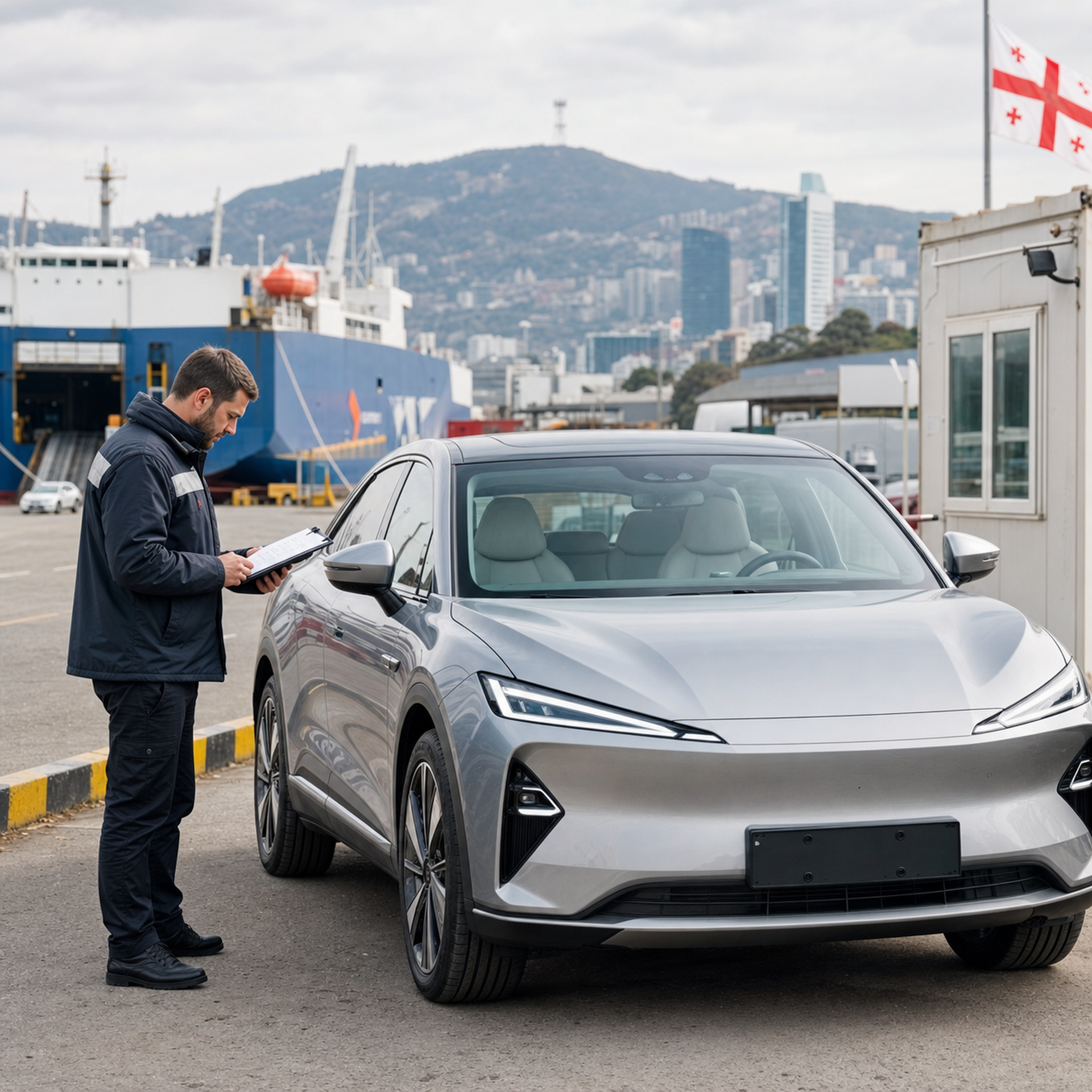
Before you compare a China price with a UAE-ready price, choose the shipping method for the exact car. China-to-UAE shipping is more direct than the China-to-Georgia route, but freight still changes by port, carrier, season, vehicle type, and whether the car needs enclosed protection.
Use this quick comparison before you ask for live quotes:
| Method | Use it when | Planning range to verify |
|---|---|---|
| Ro-Ro | You have a running standard petrol car and the forwarder confirms vehicle-vessel service for the port pair | Confirm route availability, acceptance rules, insurance, and sailing schedule |
| 20ft container | You are importing one EV, plug-in hybrid, high-value car, or unit that needs enclosed handling | Recent China-to-UAE sea references often use about 18 to 30 days as a planning window |
| 40ft container | You are a dealership or multi-unit buyer with a controlled loading plan | Transit timing is similar, but loading, documentation, and destination handling can add time |
For cost planning, keep the numbers as live-quote ranges. Recent 2026 references show wide 20ft container bands, roughly from the high hundreds to the low-\$2,000s in some lanes, while 40ft references can run from the low-\$1,000s to the high-\$3,000s or higher when surcharges or tight capacity appear. You should ask for two or three current quotes for the exact vehicle, week, and route, then add marine insurance, port handling, clearance service fees, VCC, inspection, insurance, registration, and first service before you call the car a bargain.
Registration is a separate test after customs
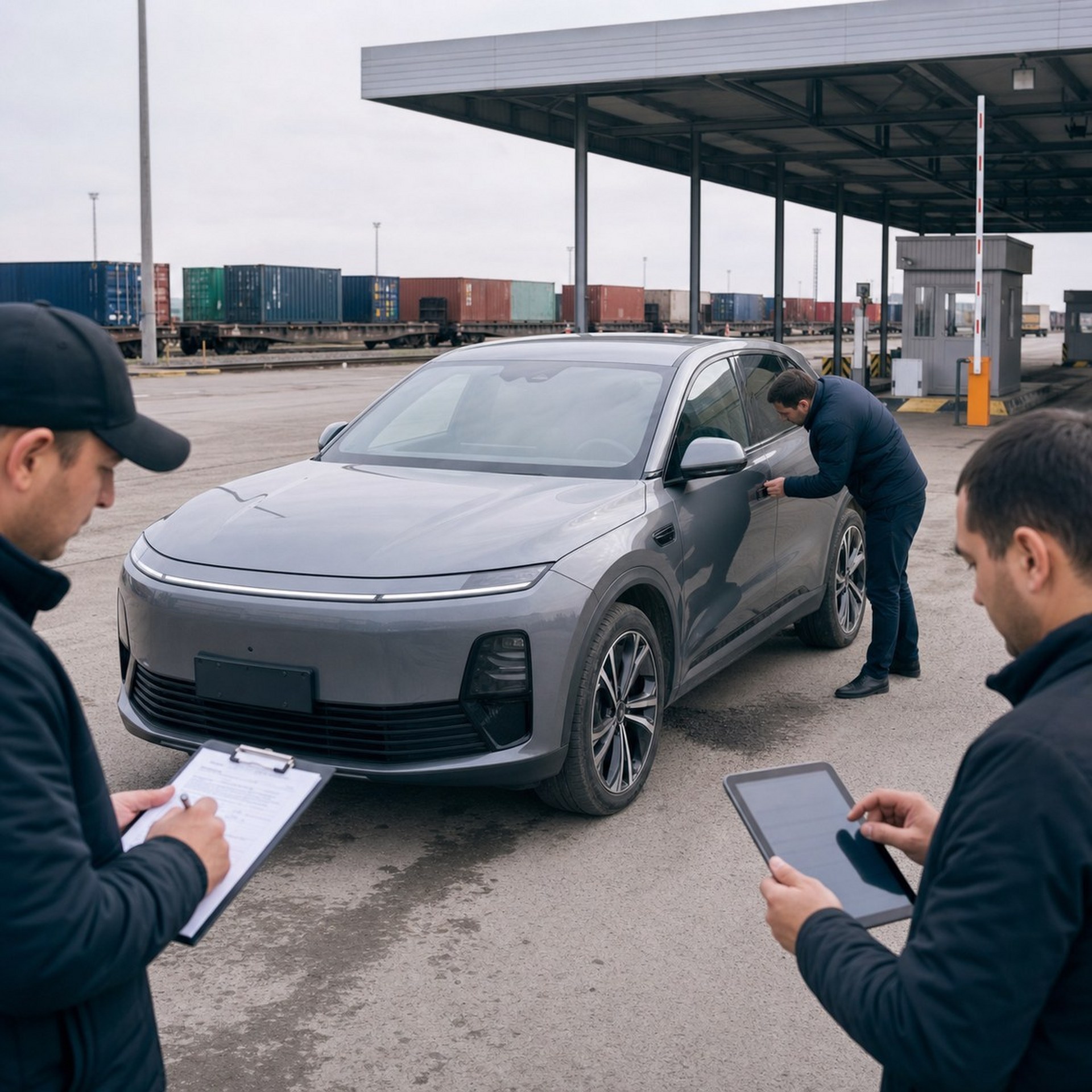
The UAE Government vehicle registration guidance says a vehicle must be inspected at an authorised testing centre unless it was produced in the last three years before registration. It also says the vehicle must have insurance from an authorised insurer and be registered through the relevant emirate channels.
The required vehicle document can include a Vehicle Clearance Certificate, transfer certificate, export certificate, possession certificate, possession transfer certificate, lost or damaged export certificate, or similar document. You also need Emirates ID and electronic insurance.
Dubai RTA workflows can add more Dubai-specific details, including electronic technical inspection, Emirates ID or business documents, and traffic file requirements. If you are registering outside Dubai, do not assume the Dubai workflow is identical. Treat Dubai as a strong reference point, then confirm the exact emirate's registration authority.
The China price is not the UAE road-ready price
A China listing price can make a car look like a bargain. That number is only the first line of the budget.
| Cost line | What you should verify |
|---|---|
| China purchase price | Exact unit, VIN, trim, battery or engine, and included documents |
| Export handling | China-side export paperwork and port handling |
| Freight and insurance | Shipping route, carrier, container or RoRo path, and coverage |
| UAE customs value | The assessed value used for customs calculation |
| Customs tax | Dubai Customs guidance points to 5% of assessed vehicle value |
| VCC and clearance charges | Certificate and service charges, not the full landed cost |
| Technical inspection | Required unless an applicable exemption applies |
| Insurance | Must be from an authorised insurer before registration |
| Registration and plates | Emirate-specific fees and traffic file process |
| First service | Tyres, fluids, AC, software, charging accessories, scan, and detail check |
If a quote does not show these lines, ask for a better quote. A clean quote protects you more than a low quote.
EV and hybrid imports need a tougher checklist
Many Chinese EVs are attractive because they offer strong range claims, modern cabins, and high equipment levels. UAE buyers should still check the parts that do not show in a showroom video.
Battery health matters more than claimed range. Ask for a battery report, charging history if available, warranty status, cooling system check, charger type, software language, navigation support, spare key availability, and whether UAE-compatible charging accessories are included. Heat is also part of the ownership test. The car should not only work in a mild test drive; it should handle UAE parking, summer temperature, AC use, and repeated fast charging when the owner needs it.
For hybrids and plug-in hybrids, confirm engine service history and battery condition. A cheap hybrid with a weak battery can become more expensive than a clean petrol car.
Conformity checks should happen before the car is shipped
For Chinese domestic-market vehicles, you should not assume that a strong specification sheet in China automatically satisfies UAE or GCC expectations. MOIAT runs UAE conformity certificate services for regulated products and refers to conformity assessment requirements, trade licence evidence, and testing reports. The practical buyer lesson is simple: verify the applicable UAE/GCC conformity and specification path for the exact vehicle before payment, especially if the car is an EV, a China-only trim, or a model with limited regional support.
Ask the seller or sourcing partner for the VIN, export path, model specification, certificate of origin if available, inspection report, and any conformity or test evidence that can support the UAE file. A business importer should also confirm trade licence and translated company-document requirements before shipment, not after the car reaches the port.
| Do not ship before this is clear | What to confirm |
|---|---|
| Vehicle specification | Source market, steering side, emissions or EV data, tyres, lights, charging standard, and UAE/GCC suitability |
| Document evidence | Invoice, export documents, bill of lading plan, certificate of origin if available, conformity/specification proof, and translated business papers when needed |
| Customs value | Whether the declared value, freight, insurance, and assessment method are understood |
| VCC path | Who obtains the Vehicle Clearance Certificate and what port/emirate workflow applies |
| Inspection and insurance | Whether the vehicle can pass technical inspection and be insured by an authorised UAE insurer |
| Service and charging support | Parts, diagnostics, warranty limits, charger type, software language, and first-service plan |
How Guazi sourcing discipline helps before shipment
Your strongest protection is evidence before the car leaves China. All cars listed on the Guazi platform undergo over 200 professional inspections. That kind of inspection discipline matters because import buyers are often making decisions from photos, videos, documents, and remote communication.
A serious pre-shipment file should show VIN, mileage evidence, body condition, accident signs, battery or engine condition, diagnostic scan, tyre age, interior wear, underbody photos, key count, document trail, and export readiness. If the seller can only say "clean car" without proof, you should not treat the car as clean.
A step-by-step UAE import workflow
Start by choosing the exact car and confirming UAE suitability. Then request the full document file before deposit. Once the purchase terms are clear, confirm export handling in China, shipping route, insurance, and arrival port. After arrival, submit the customs file, pay assessed charges, obtain the relevant clearance document, and move into inspection, insurance, and registration.
The workflow sounds linear, but real imports often slow down around missing documents, valuation questions, technical inspection, insurance, or registration authority requirements. Keep every proof in one folder. If a broker handles the process, ask for written responsibility at each stage.
Key Takeaways
- Import Chinese cars to UAE only after checking customs, VCC, inspection, insurance, and registration requirements for the exact vehicle.
- Dubai Customs guidance points to 5% customs tax on the assessed value of each imported car.
- The Vehicle Clearance Certificate is a key bridge from import clearance to UAE registration.
- EVs need battery, charging, heat, warranty, and software checks before shipping.
- A China FOB price is not a UAE road-ready price. Use a full cost worksheet before deposit.
Get help comparing inspected cars
If you are comparing Chinese cars for the UAE, start with budget, model, fuel or charging type, delivery timing, and registration plan. The Guazi team can help compare documented used-car options and avoid weak-history units before shipment. Contact the sourcing team or review current used-car inventory.




About Us
Follow US


Copyright © 2015~2026 https://ylqc.guazi.com/, Yilanqunche Automobile Services (Shanghai) Co.,Ltd. All rights reserved.