

World Cup Special • Save up to $1000 on selected vehicles

Guazi
GlobalEnglish


Tesla Ghana Buyers Should Start With Model 3 First
Article OverviewTesla Ghana import guide for 2026 buyers: Model 3 and Model Y fit, landed-cost worksheet, charging readiness, battery evidence, and dealer stock advice.
Pricing Note: This blog reflects July 2026 buying logic. Tesla prices, freight, customs valuation, Ghana cedi exchange rates, and parts quotes can move quickly. Treat any landed-cost band as a planning range until the VIN, invoice, freight quote, insurance, exchange rate, and clearing estimate are checked on the same day.
Quick Facts for a Tesla Ghana shortlist
| Decision point | Best 2026 answer for Ghana buyers |
|---|---|
| Safest first Tesla | Model 3, preferably with clean documents and battery evidence |
| Best family option | Model Y, if the landed price still makes sense against premium SUVs |
| Riskier stock units | Older Model S and Model X, unless a buyer is already committed |
| Charging baseline | Home or workplace charging first; public charging as backup |
| Import-cost check | VIN, invoice, freight, insurance, customs estimate, exchange rate, port fees, registration, charger setup |
| Deal-breaker evidence gap | No battery-health proof, unclear accident history, or incompatible charging hardware |
Tesla Ghana demand is still real in 2026, but the buying conversation has become more careful. The badge gets attention in Accra, and a clean Model 3 can look more premium than many petrol sedans at the same showroom price. That does not mean every Tesla import is a smart unit.
The better question is simple: which Tesla can a Ghana buyer charge, inspect, clear, insure, and maintain without turning a status purchase into an expensive lesson? For most buyers and dealers, the short list is Model 3 first, Model Y second, and Model S by request.
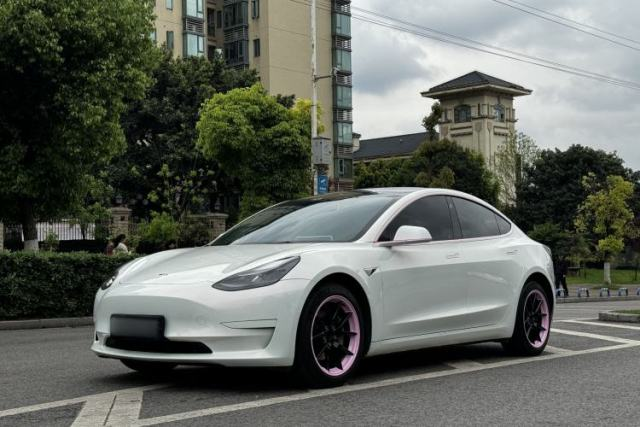
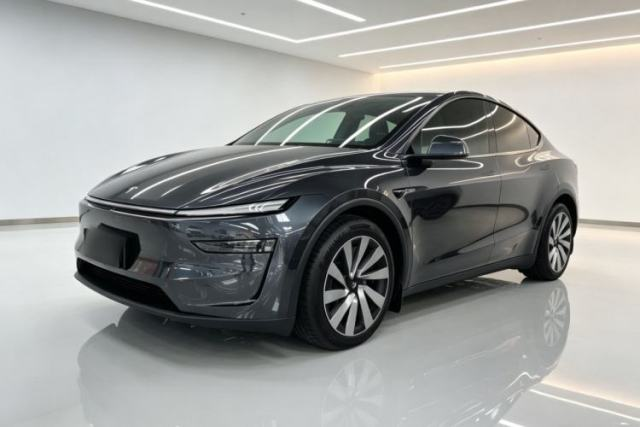
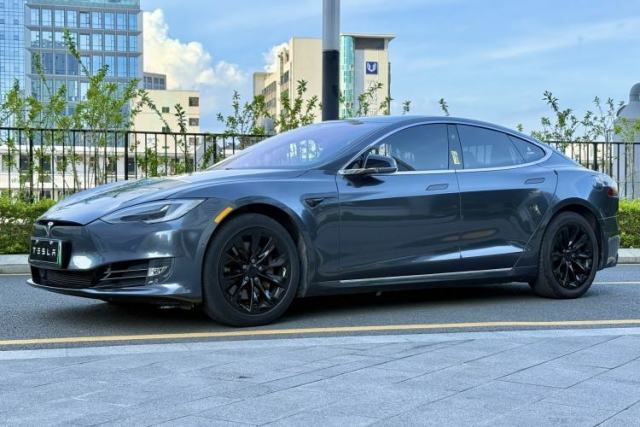
The short answer for Tesla Ghana buyers
For Tesla Ghana used-car sourcing, the safest stock unit is a clean Model 3 with documented battery condition, compatible charging equipment, and a landed-cost sheet built from current exchange rates. The Model Y works for executive families that need cargo space. The Model S is a special-order car, not normal inventory.
Do not start with the cheapest listing. Start with the VIN, model year, battery type, charging connector, accident history, battery health evidence, export paperwork, and Ghana clearing estimate. If any of those are missing, the low China, US, or Dubai asking price is not yet a real Ghana price.
The proof a Tesla Ghana buyer should demand before deposit
A Tesla Ghana buyer should not accept “clean car” or “good battery” as enough proof. Before any deposit, the seller should be able to show a small evidence pack that makes the exact Tesla easy to compare against another unit.
| Evidence item | What the buyer should ask for | Why it matters for Ghana |
|---|---|---|
| VIN and title trail | VIN, model year, trim, source market, title status, accident flags | Confirms whether the car is a normal import candidate or a risk unit |
| Battery evidence | Rated range screenshot, diagnostic note, warning-screen check, charging test | Turns “good battery” from a sales phrase into a buyer decision |
| Charging fit | Port type, included cable, adaptor need, home/work charging plan | Prevents a usable car from becoming a daily inconvenience |
| Clearing worksheet | Invoice currency, freight, insurance, valuation assumptions, exchange-rate date | Makes the landed price comparable across sellers |
| Ghana readiness | Tyres, suspension, AC, camera/sensor check, registration and insurance buffer | Catches post-arrival costs before the buyer commits |
If a seller cannot provide these details, the price is not ready to compare. The buyer may still choose the car, but the missing proof should either reduce the offer price or stop the purchase until the gap is closed.
Which Tesla used cars Ghana buyers should actually consider
The phrase Tesla used cars Ghana covers very different products. A 2019 Model 3 Standard Range, a 2022 Model Y Long Range, and an older Model S do not carry the same risk.
| Model | Best Ghana use case | Stock advice | Main risk |
|---|---|---|---|
| Model 3 | Executive commuter, tech professional, premium sedan buyer | Stock carefully, one or two clean units | Battery health and spec-market mismatch |
| Model Y | Executive family, crossover buyer, cargo-space need | One unit if priced well | Higher entry price and slower buyer pool |
| Model S | High-net-worth buyer, halo request | Source to order | Older battery packs and expensive repairs |
| Model X | Buyer who specifically wants it | Avoid speculative stock | Door, suspension, and parts complexity |
The Model 3 is the real market car because it gives Ghana buyers the Tesla experience at the lowest realistic risk. The Model Y has stronger family appeal but needs the right price. The Model S should not sit on a lot waiting for a buyer who may never come.
How to build a Tesla import cost Ghana buyers can trust
The safest way to discuss Tesla import cost Ghana is not to quote one magic number. A landed Tesla price includes source price, inspection, inland movement, export paperwork, ocean freight, insurance, customs valuation, port charges, registration, charger setup, tyres, and a repair reserve.
Ghana Revenue Authority guidance says vehicle importation requires purchase, shipping, and clearing documentation. Its duty calculator uses VIN, make, model, year, FOB, freight, insurance, depreciation, and exchange rate inputs. A buyer should not compare two Tesla offers unless both sellers show the assumptions behind the landed number.
| Cost line | What to verify before deposit | Why it changes the Ghana price |
|---|---|---|
| Vehicle price | Actual VIN, trim, year, mileage, title status, invoice | The same “Model 3” label can hide different battery packs and histories |
| Inspection | Accident history, suspension, tyres, electronics, battery evidence | A low listing price can disappear after EV-specific repairs |
| Shipping | Port pair, freight quote date, insurance, container or RoRo plan | Freight and insurance move with route and timing |
| Ghana clearing | Customs estimate, exchange rate date, age treatment, port fees | GRA calculations depend on vehicle details and current assumptions |
| Local setup | Registration, insurance, charger/cable, adaptor, first service buffer | The car is not usable until charging and paperwork are solved |
Before money moves, match the supplier invoice currency to the current Bank of Ghana exchange-rate reference and the clearing agent's estimate. Buyers comparing EVs against petrol SUVs can also use Guazi's Ghana used-car guide to keep the Tesla premium in context.
A Tesla import cost Ghana worksheet buyers can reuse
Use this worksheet before comparing two Tesla offers. The real numbers must be rebuilt on the same day using the exact VIN, invoice, freight quote, insurance, exchange rate, and clearing estimate.
| Worksheet line | What to enter | Buyer note |
|---|---|---|
| Source-market price | Seller invoice for the exact VIN | Do not use a marketplace screenshot alone |
| Pre-export inspection | EV scan, body check, tyre/suspension note, charging test | This is where cheap damaged units usually reveal themselves |
| Export and inland movement | Pickup, storage, port handling, export paperwork | Small lines can become real money when the supplier is vague |
| Freight and insurance | Route, date, freight mode, marine insurance | Reconfirm if the quote is older than a few days |
| Ghana customs and port | Customs valuation assumptions, port fees, clearing agent estimate | Keep the exchange-rate date beside the estimate |
| Local setup | Registration, insurance, charger, adaptor, first-service buffer | This is the difference between landed and ready-to-use |
| Risk reserve | Battery/tyre/electronic repair buffer | Higher for older Model S and Model X |
For a Model 3, the worksheet usually decides whether the car is a strong premium sedan buy or just an attractive listing. For a Model Y, it shows whether the extra space still justifies the premium. For Model S and Model X, it often tells the dealer to source only after a buyer has confirmed the risk.
The Tesla Ghana charging reality is useful, not effortless
Tesla ownership in Ghana works best when the buyer controls charging at home or work. Public EV charging exists, especially in Accra, but it should not be the main plan for a buyer who needs the car every morning.
Spec-market details also matter. Tesla vehicles from different markets can have different connector setups. A Ghana buyer should confirm the charging port, included cable, and adaptor before shipment.
For Accra commuting, a Model 3 or Model Y with overnight charging can be easy to live with. For long-distance trips, the owner needs route planning and patience. Any seller who makes charging sound exactly like petrol refuelling is overselling the car.
The charging and service questions to settle before shipment
Charging is not a reason to reject every Tesla in Ghana. It is a reason to plan like an adult before the car leaves the source market. A buyer who has a stable home or office parking spot is in a different position from a buyer who expects public charging to solve daily use.
| Question before shipping | Safer answer | Risk answer |
|---|---|---|
| Where will the car charge most nights? | Home or office with secure parking | “We will find public charging later” |
| Is the electrical supply ready? | Electrician checks capacity before arrival | Charger is ordered after the car lands |
| What connector/cable is included? | Port, cable, and adaptor are confirmed in writing | Seller says “charger included” with no photo |
| Who can diagnose EV faults locally? | Buyer has an EV-capable workshop contact | All support depends on remote guesses |
| What is the backup car plan? | Household or business has alternative transport | Tesla must cover every route immediately |
The practical rule is simple: if the buyer cannot name the normal charging location, the cable/adaptor setup, and the backup plan, the car is not ready to ship.
Battery checks decide whether a Tesla Ghana deal is real
Battery condition is the heart of a used Tesla decision. Tesla's current warranty guidance says Battery and Drive Unit coverage varies by model, with minimum 70% battery-capacity retention over the warranty period. That benchmark is useful because it tells buyers what Tesla considers the lower warranty boundary in supported markets.
Ghana buyers should be stricter than the warranty floor. A used Tesla near 70% capacity is no longer a normal premium used car. For most retail buyers, the cleaner target is strong usable capacity and no pack warnings.
Ask for the strongest evidence available:
- Tesla service history or app-visible warranty details tied to the VIN, where available.
- Third-party EV diagnostic evidence from a competent workshop, especially for battery alerts and usable capacity.
- Full-charge range evidence at a known state of charge, used as a support signal rather than the only proof.
- No pack-impact accident history, because structural repairs around the battery area change the risk profile.
Battery risk should be discussed before payment, not after landing. A buyer should be able to see what was checked, what could not be checked, and which risk was priced into the offer. That transparency is what makes an inspected Tesla shortlist more useful than a simple car ad.
Model 3 is the Tesla Ghana default
The Model 3 remains the default Tesla Ghana choice because it is easier to price, easier to explain, and easier to match with the buyer profile. It fits the executive commuter who wants a premium EV but does not need a crossover.
The best Model 3 is not automatically the newest one. The best unit has clean documents, no structural accident story, acceptable mileage, strong battery evidence, and charging hardware that fits Ghana use.
Dealers should avoid overstocking. Tesla demand is real, but it is not Corolla demand. One or two well-documented Model 3 units can work for a premium showroom. If the goal is a broader premium EV shortlist, compare Tesla with current Guazi inventory and relevant EV guides such as BYD Dolphin in Ghana.
Buy It Now
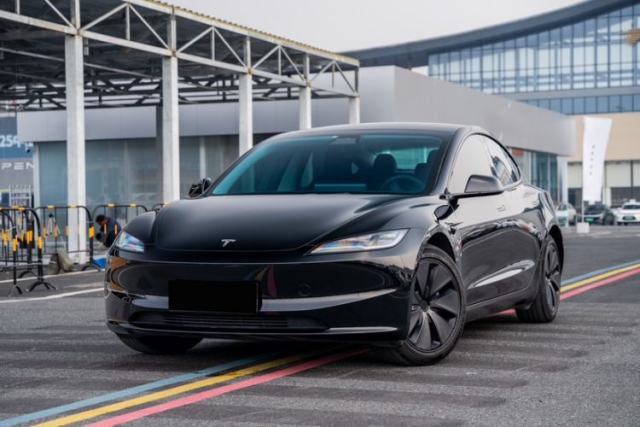
GradeBUsed Tesla Model 3 2023 Long-Range All-Wheel-Drive Version Certified DealerCertified Dealer
 Guazi InspectedGuazi Inspected
Certified DealerCertified DealerGuazi InspectedGuazi InspectedFOB Price:$30,947

Tesla Ghana Model Y is for the family buyer
The Model Y makes sense when the buyer wants Tesla software with SUV practicality. Families moving from German crossovers, Lexus hybrids, or newer Chinese EVs may prefer the higher seating position and larger cargo area.
The challenge is that the Model Y premium must be justified. If the buyer mostly drives alone, the Model 3 is usually enough. If the buyer has children, luggage, school runs, or weekend travel, the Model Y can feel like the more complete car.
For dealers, one Model Y per buying cycle is safer than many. The car needs strong photos, a clear spec sheet, and a battery/charging explanation. Without those, buyers compare only price and delay the decision.
Why Model S and Model X need named buyers
The Model S still has status, but older luxury EVs carry older luxury-EV problems. Battery age, air suspension, screens, handles, trims, and parts sourcing can turn a dream unit into a slow-moving liability.
Buy It Now
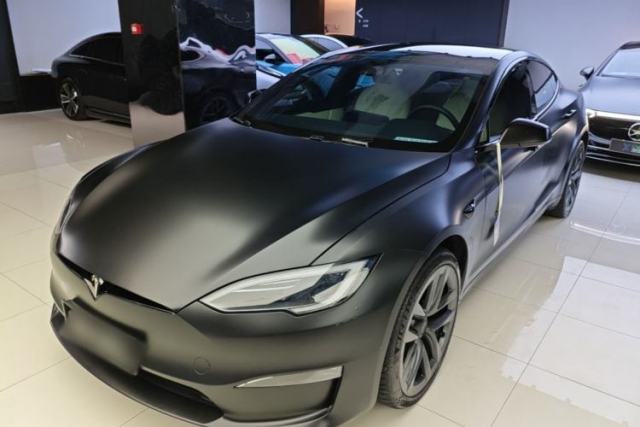
GradeAUsed Tesla Model S 2023 Dual-Motor All-Wheel-Drive VersionCertified DealerCertified DealerGuazi InspectedGuazi Inspected
Certified DealerCertified DealerGuazi InspectedGuazi InspectedFOB Price:$74,856
The Model X is even more specialized. Its doors and body hardware make it interesting, but also increase repair risk. Source either car only when the buyer has confirmed budget, use case, and risk tolerance.
The simple rule is this:
- Stock Model 3 when the battery evidence and landed cost are clean.
- Consider Model Y when the buyer pool is family or executive-SUV focused.
- Source Model S or Model X to order when the buyer has already accepted the maintenance risk.
The inspection checklist before payment leaves the buyer's account
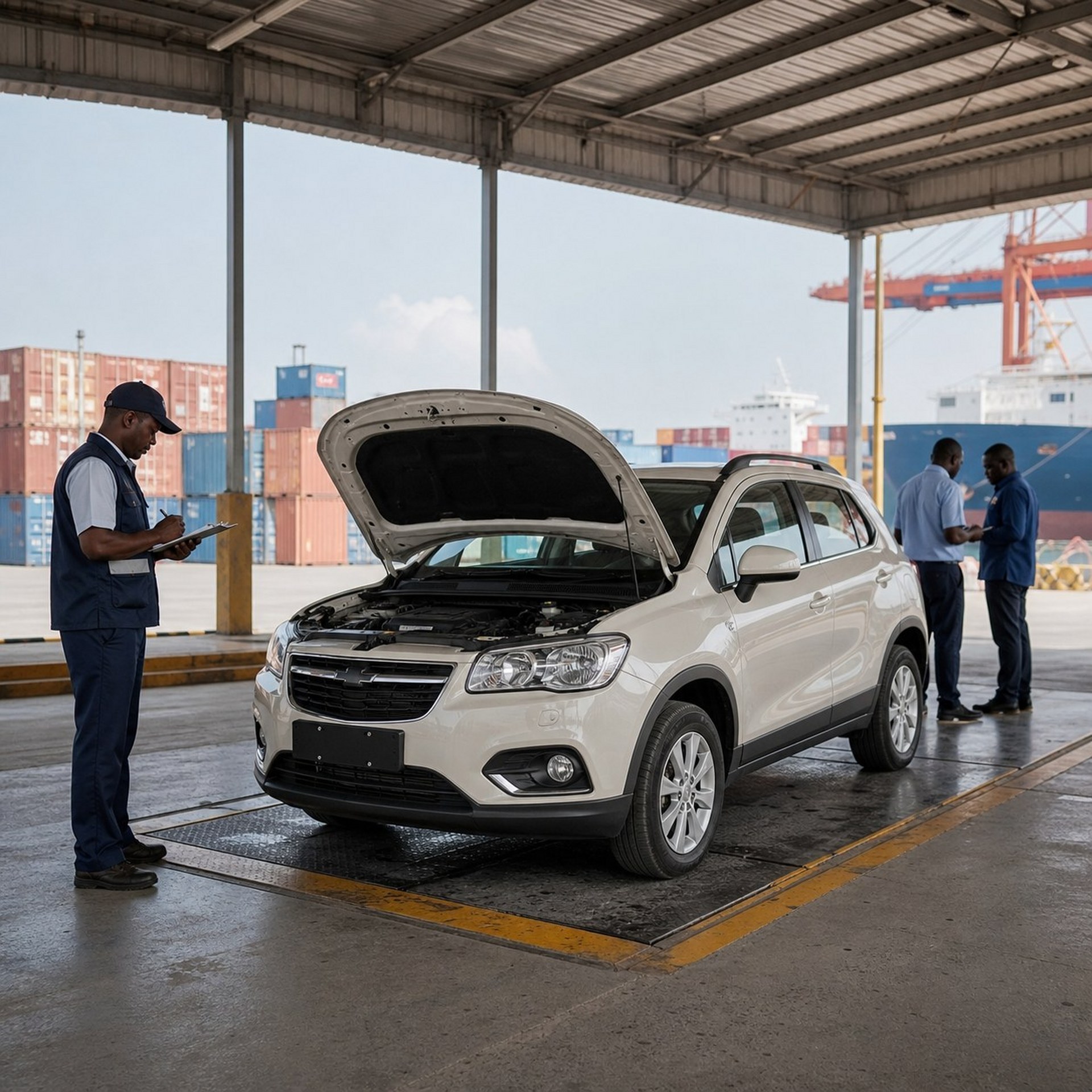
A Tesla inspection should not stop at paint and mileage. The buyer needs the same body, tyre, brake, and suspension review as any used car, plus EV-specific checks. The screen should show no serious warning. Charging should start normally. AC should cool while parked. Cameras, sensors, windows, door handles, and software functions should work.
For the battery, ask for rated range at a known charge level, diagnostic screenshots when available, and any service history tied to the VIN. For the body, avoid cars with unclear salvage history unless the discount is deep and the pack housing has been inspected. For the charger, confirm the port and cable before shipping.
| Inspection area | What to confirm | Red flag |
|---|---|---|
| Body and title | Clean title, no structural accident story, no unclear salvage path | Seller avoids VIN/title evidence |
| Battery and drive unit | No pack warnings, usable range evidence, diagnostic support | Range claim without screenshot or scan |
| Charging hardware | Correct port, cable, adaptor, and home/work charging plan | Car arrives before charging plan exists |
| Cabin electronics | Screen, cameras, sensors, AC, windows, handles, software functions | Multiple small faults explained away as “normal” |
| Ghana readiness | Clearing estimate, registration plan, insurance, tyre condition | Landed price excludes obvious post-arrival costs |
Guazi helps reduce uncertainty before the vehicle reaches Tema by turning the car into a documented decision, not just a listing. A proper inspection and condition report lets the buyer compare a Tesla against a petrol luxury sedan with eyes open.
Key Takeaways
- The best Tesla Ghana stock unit is usually a clean Model 3, not the cheapest Tesla listing.
- Tesla used cars Ghana buyers should compare VIN, trim, battery evidence, charging connector, accident history, and landed-cost assumptions before price.
- Tesla import cost Ghana must include freight, insurance, customs valuation, exchange rate, port fees, registration, charger setup, and a repair buffer.
- Home or workplace charging is the practical ownership base; public charging should be backup.
- Model Y works for family buyers, while Model S and Model X should usually be sourced to order.
Related Stories
- Tesla Battery Health Guide for Africa
- BYD Dolphin in Ghana: Can the Charging Network Keep Up?
- Used Cars for Sale in Ghana: The Complete Buyer's Guide in 2026
Get help with a Tesla shortlist
If you are comparing a Model 3, Model Y, or special-order Model S for Ghana, start with the landed-cost sheet and battery evidence. The Guazi Africa team can help source inspected used EVs, compare documents, and decide whether the exact Tesla fits your route, charger, and budget. Contact the sourcing team or review current used-car inventory.



About Us
Follow US


Copyright © 2015~2026 https://ylqc.guazi.com/, Yilanqunche Automobile Services (Shanghai) Co.,Ltd. All rights reserved.