


Guazi
GlobalEnglish


Makes
Buy It NowAuctionsUp to 160 psPort StockAll VehiclesPopular Makes


Shop By Type


Popular Models


Shop By Budget

How Far the Best Range Electric Cars Really Go in 2026
Article OverviewThe best range electric car in 2026, ranked by real highway miles not sticker numbers, plus the used EVs that quietly match them for far less.
Range and price figures are 2026 reference points based on manufacturer data and independent testing. EV figures move quickly, so use these as a guide and confirm the exact spec before you buy.
The 500-mile electric car is real in 2026. One model now clears it on the official test, and a handful sit comfortably above 450. The catch is that the number glued to the window almost never matches the number you watch tick down at 75 mph, and the cars with the biggest range claims are often the ones losing value fastest. So the honest question is not just which EV goes the farthest, but which best range electric car earns its price once you account for what it really does on the road and what it costs a year or two later.
This guide explains range the way a buyer actually experiences it. We start with real highway miles instead of sticker figures, then look at range per dollar, and then at where used models land, because a three-year-old long-range EV often delivers most of a new flagship's usable miles for roughly half the money. Along the way, we cover what drains range, how to read a battery's health before you buy, and where Chinese EVs now sit on the range table. By the end, you should know not only the longest-range cars on sale, but also the smartest range you can buy with your budget.
The best range electric cars at a glance
- Longest range overall: Lucid Air Grand Touring, the only car past 500 miles on the EPA cycle.
- Most real-world range per kWh: Lucid Air again, returning about 410 highway miles from a 112 kWh pack.
- Longest-range truck: Chevrolet Silverado EV, near 493 miles, though it needs a huge battery to get there.
- Longest-range full-size SUV: Cadillac Escalade IQ, around 465 miles.
- The sensible sweet spot: a 280 to 330 mile EV that covers almost everyone's real driving for far less money.
- Best value overall: a clean, well-inspected used long-range EV with a healthy battery, often 40 to 60% below its original price.
The number on the window sticker is not the number you'll drive
Every ranking you have seen leads with a single figure, and that figure comes from a laboratory test. It is useful for comparing cars against each other, but it is not a promise. On a real highway, at real speeds, in real weather, most EVs return meaningfully less. The clearest illustration of 2026 is the Lucid Air Grand Touring: rated at 512 miles on the EPA cycle, it returned about 410 miles on an independent 75 mph highway run by Car and Driver, a haircut of roughly 20%. That is not a flaw in the car. It is simply what highway speed does to any EV.
The practical lesson is to mentally discount the sticker. A good rule for 2026 is to expect 10 to 20% below the EPA figure at steady highway speed, and more in cold weather. A car advertised at 300 miles is really a 240 to 270 mile car on a winter motorway, which is still plenty for most people, but worth knowing before you plan a trip.
EPA, WLTP, and CLTC are not the same yardstick
If you shop across regions, you will meet three different test cycles, and they are not interchangeable. The US EPA cycle is the strictest of the common three. Europe's WLTP runs a little more optimistic, and China's CLTC is the most generous of all. A car quoted at 700 km on CLTC may sit closer to 550 km on WLTP and less again on EPA. When you compare two cars, make sure you are comparing the same yardstick, and when you see an unusually high figure, check which cycle produced it.
What actually drains your range
Four things move the needle more than anything else, and none of them appear on the sticker.
- Speed. Aerodynamic drag rises sharply above 110 km/h, so motorway cruising is the hungriest thing you can do.
- Cold. A cold battery and cabin heating can cut winter range by 20 to 30%. A heat pump softens this, which is why it is worth looking for.
- Terrain and load. Long climbs, roof boxes, and a full car all cost miles.
- Tires and wheels. Big, sporty wheels look good and quietly shave range.
- Here is how the headline numbers translate once the road gets involved.
| Model | EPA range | Approx. real highway | Typical gap |
|---|---|---|---|
| Lucid Air Grand Touring | 512 mi | 410 mi | 20% |
| Chevrolet Silverado EV | 493 mi | 390 to 420 mi | 15 to 20% |
| Cadillac Escalade IQ | 465 mi | 370 to 400 mi | 15 to 20% |
| Typical 300 mi EV | 300 mi | 240 to 270 mi | 10 to 20% |
The method behind these range picks
We rank with a real-world bias rather than by sticker alone. A car has to do three things well to score: post a strong official figure, hold up reasonably on the highway, and make sense once you put a price next to the miles. We lean on published independent range testing for the real-world side, and on something most editorial desks cannot offer for the used side.
That something is condition data. Guazi is one of China's largest used new-energy-vehicle platforms, built on a standardized multi-point inspection that feeds a digital condition report for every car, and on an industry-first 100-day battery-decay guarantee for new-energy vehicles. Across that business sit tens of millions of inspections. We are not a road-test laboratory, and we do not pretend to be one. What we can speak to honestly is how a long-range EV looks after a few years of use, and how to read the one number, battery health, that decides whether a used long-range car is a bargain or a trap.
The longest-range electric cars you can buy right now
A short list of cars genuinely clears the long-range bar in 2026. Rather than march through a spec table, here is what each group is really for.
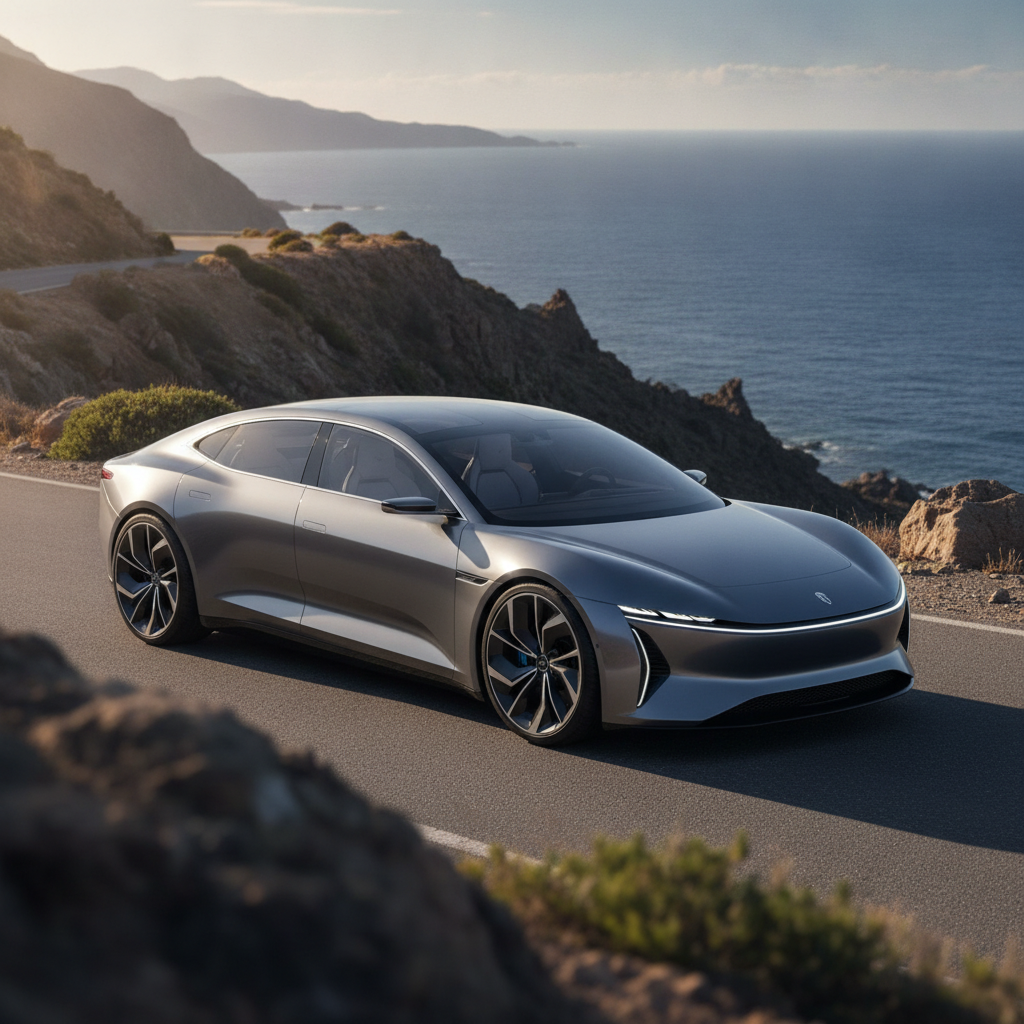
Lucid Air: the only 500-mile car, and what it really returns
The Lucid Air Grand Touring is the range king, and not by a small margin. It is the only production car past 512 miles on the EPA cycle, and crucially, it gets there with efficiency rather than brute force. It returns about 410 real highway miles from a 112 kWh battery, while a long-range electric truck needs nearly double the battery to reach 400. That efficiency is the real story. It means faster charging stops relative to the miles added, and a car that holds its range better when the road turns hilly or cold. The Air is expensive, starting around the high $60K to $70K range depending on trim, but on the single axis of range, it has no equal.
The big-battery trucks and SUVs: range without efficiency
The longest-range numbers after the Air belong to enormous vehicles. The Chevrolet Silverado EV reaches close to 493 miles, the Cadillac Escalade IQ around 465, and the GMC Sierra EV near 478. These are genuine long-haul machines, but they reach those figures by carrying gigantic batteries, some near 200 kWh. The result is a high price, slower charging in real terms, and range that falls quickly when towing or loaded. If you genuinely need to haul, they are remarkable. If you just want long range in a normal car, they are the wrong tool.
The sensible long-range pick most buyers actually need
Here is the quiet truth behind every range ranking: almost nobody needs 500 miles. The average driver covers well under 50 miles a day, and even regular long-trip drivers rarely exceed 300 miles between stops. A car with a real highway range of 280 to 330 miles covers essentially all of that, charges faster because its battery is smaller, and costs far less to buy. For most people, the best range electric car is not the one at the top of the table. It is the most efficient car that clears their real weekly driving with room to spare. That is also the range band that holds its value best, which leads directly to the smartest money in this whole guide.
Range per dollar: where the smart money sits
Range is easy to sell and expensive to buy. Once you divide miles by price, the picture inverts. The flagship with the longest range is rarely the best value, because you pay a steep premium for the last hundred miles you will almost never use. The sweet spot sits in the middle of the table, where efficient 280 to 330 mile cars deliver the miles that matter at a fraction of the flagship's price.
| Buyer goal | What to buy | Rough new price | Why it wins |
|---|---|---|---|
| Maximum range at any cost | Lucid Air GT | $70K+ | The only 500-mile car, best efficiency |
| Long range for towing | Silverado EV / Sierra EV | $75K+ | Real 450+ mile capability with a load |
| Best range per dollar (new) | Efficient 300-mile sedan or SUV | $40K to $50K | Covers all real driving, charges faster |
| Best range per dollar (overall) | Used long-range EV, healthy battery | 40 to 60% off original | Most usable miles per dollar spent |
Best used electric cars for range
This is where a used-car platform can tell you something the new-car ranking sites structurally never will. If your deciding axis is range per dollar, the best used electric cars are very often the smartest long-range buy on the market, and it is not close.
Why a three-year-old long-range EV is usually the value play
EVs depreciate hard in their first few years, especially the long-range flagships that cost the most new. A three to five year old long-range EV frequently sells 40 to 60% below its original price while still holding the large battery and, in many cases, a transferable battery warranty. A car that lost 90% of its usable range would be a worry, but that is not what good data shows. A healthy long-range EV keeps the overwhelming majority of its miles, which means you can buy 90% of a flagship's real range for roughly half the money. The miles you actually use cost far less per mile on a sound used car than on anything new.
Battery state of health: the one check that decides everything
There is a catch, and it is the whole game. A used EV's value lives or dies on battery state of health, the measure of how much capacity remains versus when the car was new. Two identical models with identical mileage can be a great buy and a bad one, depending on this single figure. It is also the number casual sellers are least able to show you. This is exactly where condition data matters: reading state of health, charging history, and fast-charging wear is the difference between a long-range bargain and an expensive lesson. It is also why Guazi built a 100-day battery-decay guarantee into its new-energy cars, because the battery is the asset, and its health is the one thing a buyer cannot eyeball.
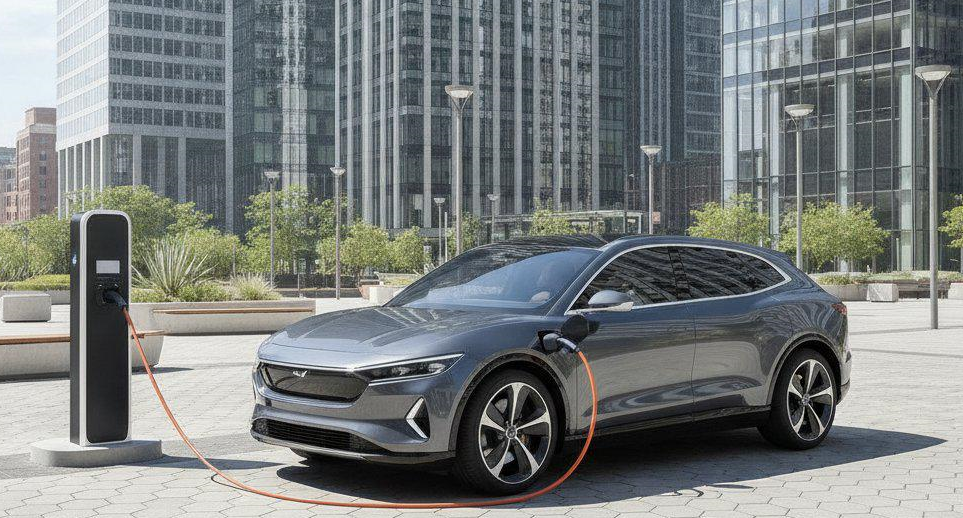
Here is the trade in one view.
| New long-range flagship | Healthy used long-range EV | |
|---|---|---|
| Real highway range | 400 to 410 mi | 330 to 380 mi |
| Typical price | $70K and up | 40 to 60% less |
| Cost per usable mile | Highest | Lowest |
| Main risk | Depreciation | Battery state of health |
| How to de-risk | n/a | Verified inspection + battery report |
Looking for the value end of this table rather than the sticker end? Browse inspected long-range EVs in stock
Where Chinese EVs land on range in 2026
Any honest 2026 range conversation has to include China's makers, because BYD, Nio, and Zeekr now post genuinely competitive range figures that the US-centric rankings barely mention. The one thing to hold in mind is the yardstick. Chinese range numbers are usually quoted on the CLTC cycle, which reads more optimistically than EPA or WLTP, so a headline of 700 km does not translate one to one. Read those figures as the makers' own CLTC numbers, discount them toward the stricter cycles, and they remain impressive rather than unbelievable. For long-range value, especially used, these cars are increasingly part of the smart-money conversation, which is a large part of why we track them as closely as the Western flagships.
Planning long trips around your range
Range only tells you how far you can go between stops. How easily a car makes a long journey also depends on how fast it charges and how dense the charging network is along your route, which is a slightly different question. If most of your range anxiety is really about road trips, the cars that make a thousand-mile drive painless are not always the ones with the biggest battery, and we cover that head-on in our companion guide to the best electric cars for long-distance travel. Pair a sensible real-world range with strong fast-charging, and the trip takes care of itself.
How to source an inspected long-range EV through Guazi
If the value end of this guide is where you want to shop, the buying process is the part that protects you. The single most important step with any used long-range EV is verifying battery state of health, then confirming the rest of the car against a standardized inspection rather than a seller's word. Guazi's model is built around exactly that: a multi-point inspection that produces a digital condition report, battery-health checks for new-energy cars, and the 100-day decay guarantee that puts the battery question in writing. Start from the real-world range you actually need, set your budget, and let the condition report rather than the sticker decide.
Talk to our team about sourcing an inspected long-range EV
Source Quality Used Cars From China's #1 Auction Platform
Access 200,000 verified vehicles monthly. Bid in real-time and secure bulk inventory at highly competitive market rates.
Key Takeaways
- The best range electric car outright is the Lucid Air Grand Touring at 512 miles EPA, and it is also the most efficient, returning about 410 real highway miles.
- Sticker range is a lab figure. Expect 10 to 20% less at highway speed, and more in the cold.
- Almost nobody needs 500 miles. A real-world 280 to 330 mile EV covers nearly all driving for far less money.
- Range per dollar favors the middle of the table, and overall it favors a healthy used long-range EV at 40 to 60% off.
- Battery state of health is the one number that decides whether a used long-range EV is a bargain, so buy on a verified condition report, not the sticker.
Sources & References
- Recurrent, Longest-Range EVs research
- Coltura, Electric Car Range and Price Comparison
- Wikipedia, Electric car
Need help choosing the right range for your budget?
Our team can match you with an inspected long-range EV and walk you through its battery-health report before you commit.





About Us
Get Support
Follow Us


Copyright © 2015~2026 https://en.guazi.com/, Chongqing Guazi Enterprise Consulting Service Co., Ltd. All rights reserved.