

Guazi Opens First Direct Marketplace Flagship Store in Suzhou
Guazi's first Suzhou flagship store brings online used-car inventory into a 500-car physical direct marketplace, with private-owner sourcing and over 200 professional inspections.
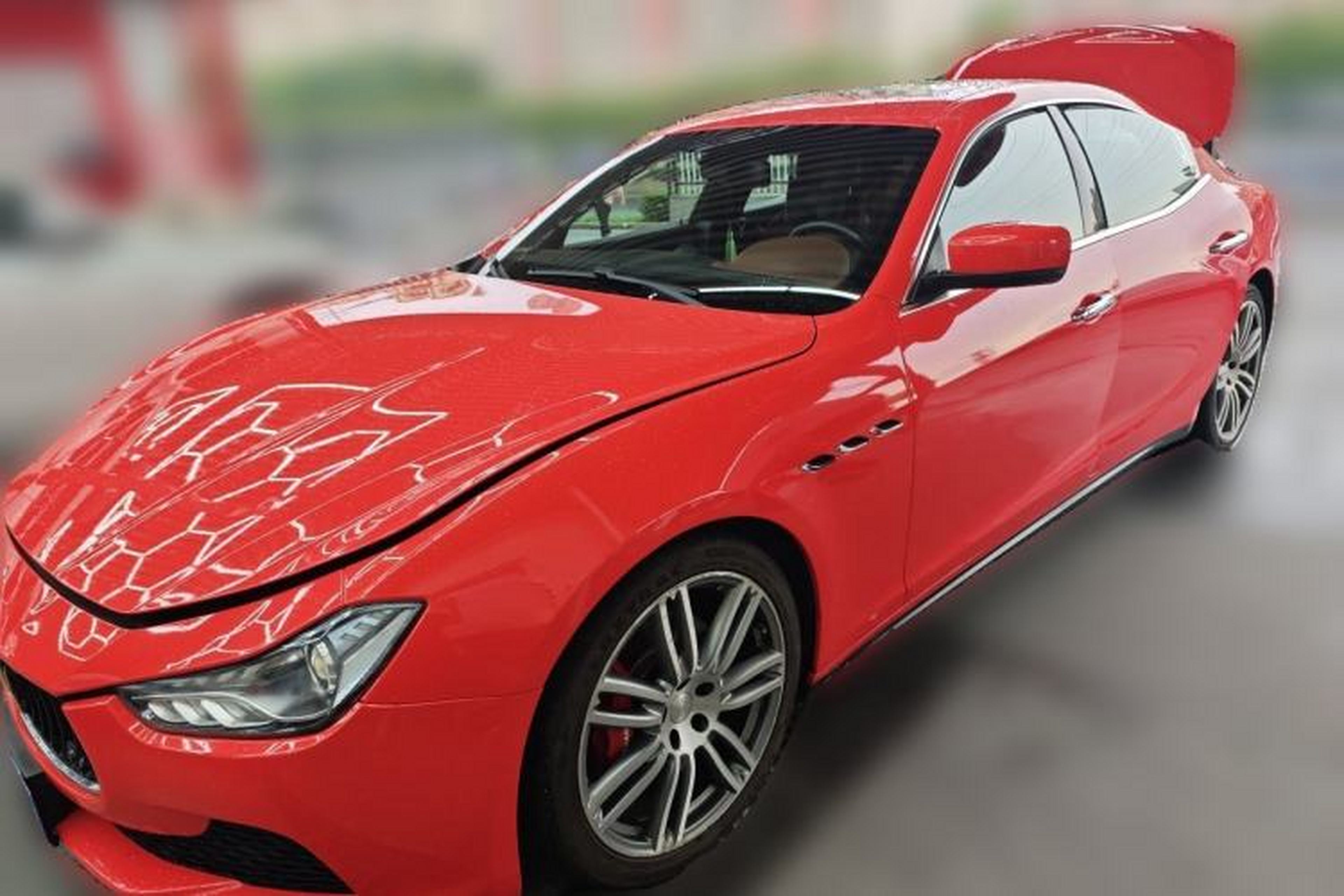
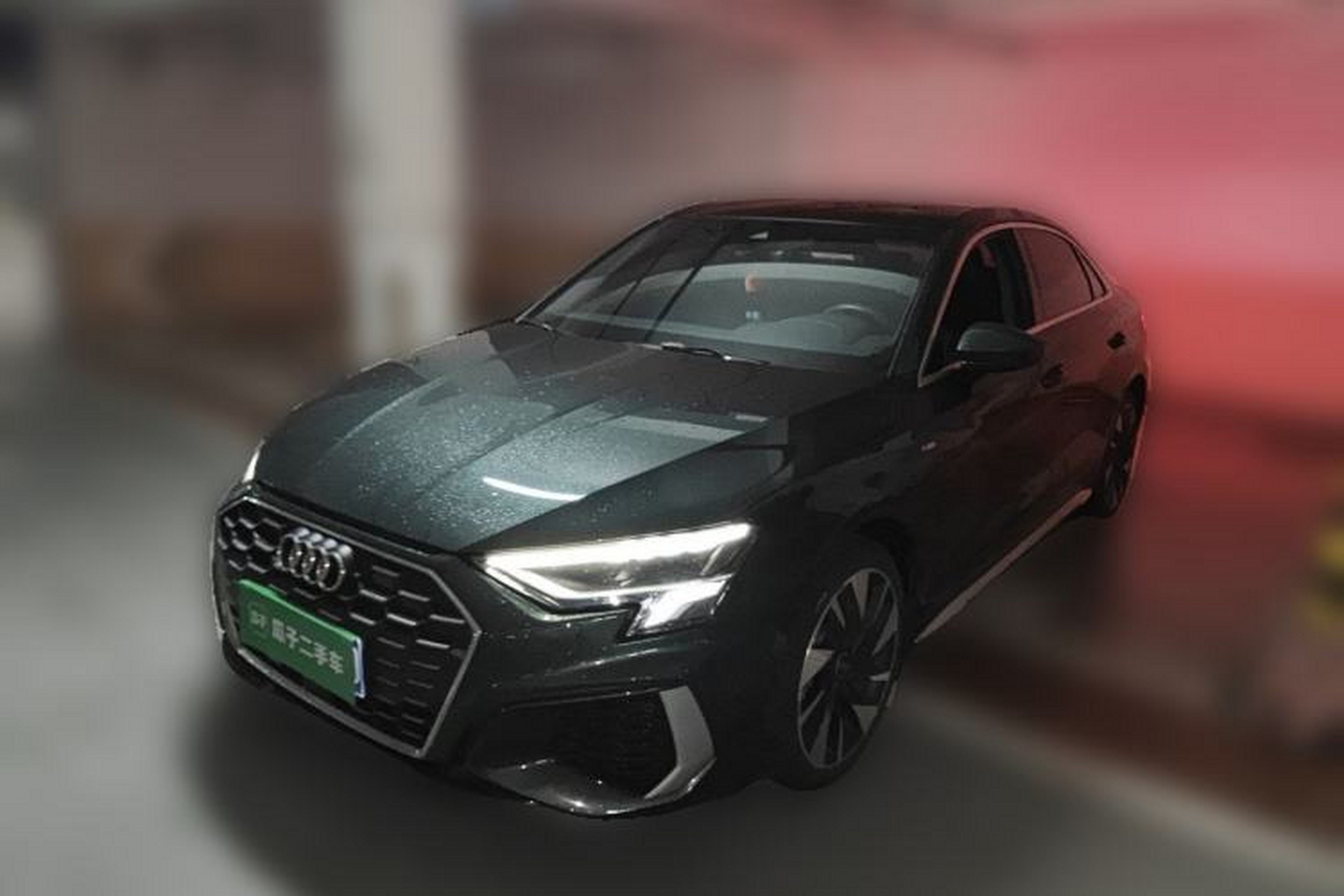
Guazi has opened its first flagship Direct Marketplace in Suzhou, marking a new offline step for one of China's largest direct-to-consumer used-car platforms. The store is designed to bring Guazi's online inventory, private-owner sourcing model and inspection process into a physical retail setting where buyers can compare vehicles in person.
The opening also signals how China's used-car market is moving beyond a purely online transaction model. For many families, a used car is still a high-value purchase that benefits from physical viewing, side-by-side comparison and clearer condition checks. Guazi's Suzhou flagship is positioned around that gap: online scale at the search stage, and offline confirmation before purchase.
Private-owner sourcing remains the core of the model
Guazi says every vehicle offered through the Direct Marketplace comes from a private owner. The company argues that removing repeated reseller layers can reduce unnecessary markups and help buyers reach more realistic transaction prices.
The store does not simply display every available vehicle. Guazi says it selects privately owned cars with stronger value-for-money potential, then uses a fast inventory turnover model to reduce holding costs. According to the company, its target turnover cycle is about 15 days, which it describes as up to three times faster than the typical industry pace.
For buyers, the significance is less about speed itself and more about price transparency. A shorter resale chain can make it easier to understand where the asking price comes from, especially in a market where vehicle age, mileage, ownership history and condition can produce large price differences between similar models.
Online inventory meets a 500-car physical showroom
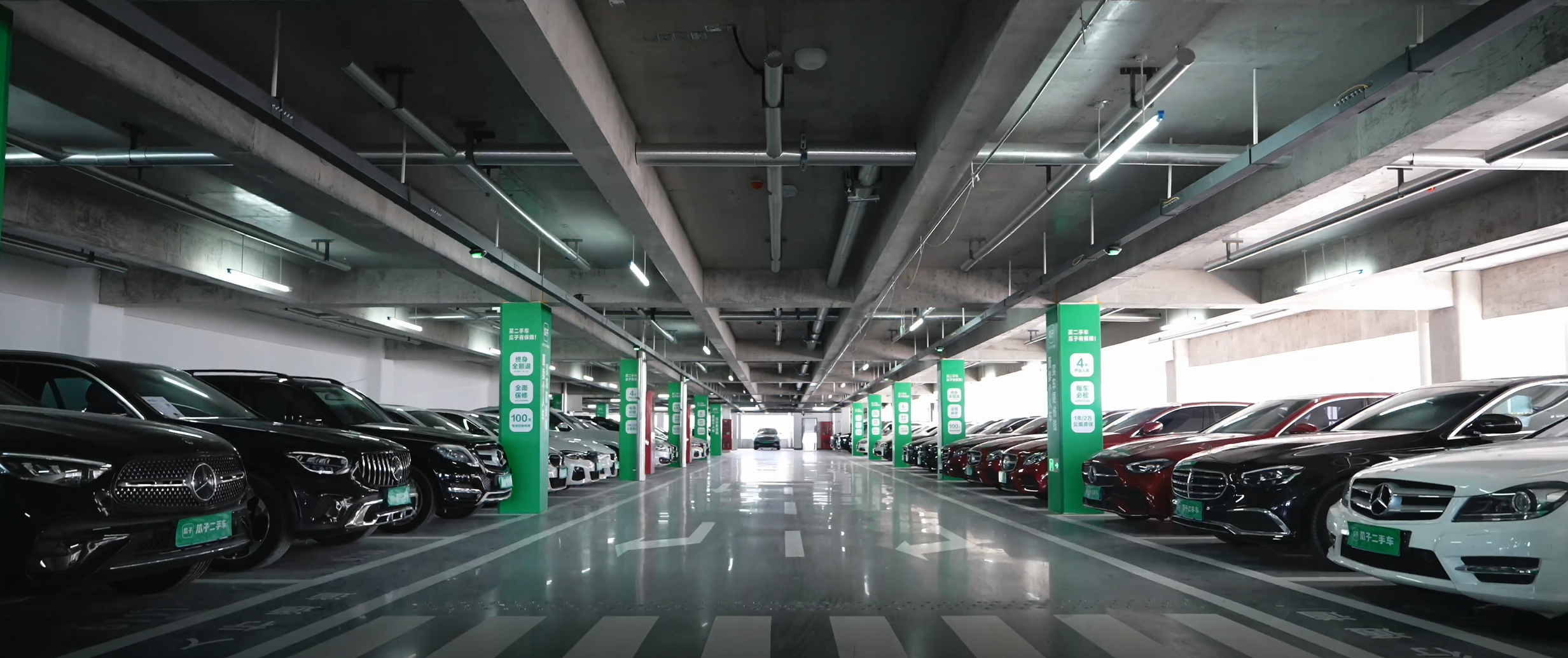
The Suzhou flagship is built as a bridge between online browsing and in-store comparison. Backed by Guazi's nationwide vehicle inventory, the Direct Marketplace allows customers to research vehicles online and then view popular choices together in one physical location.
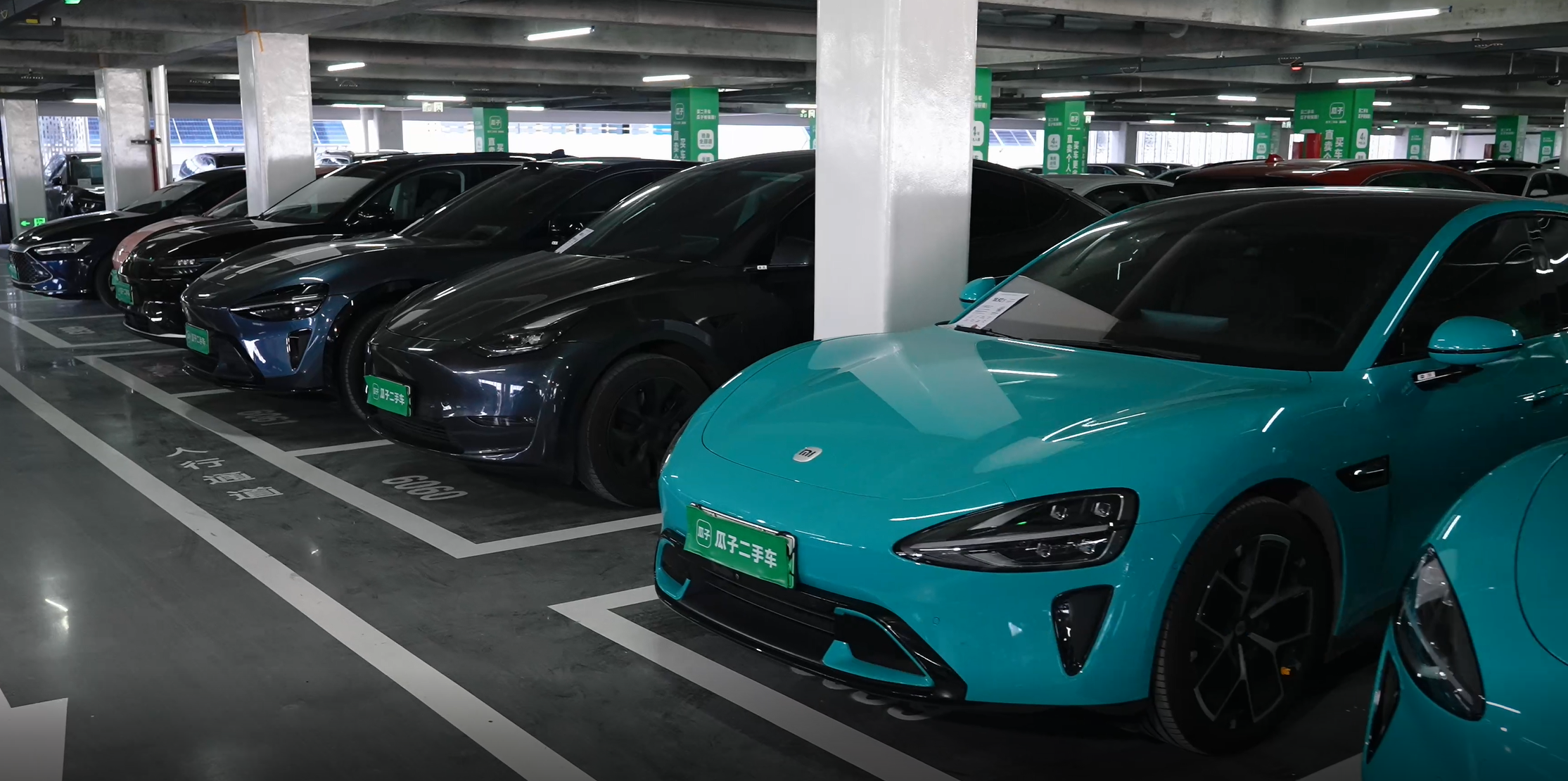
More than 500 cars are available for browsing and comparison at the store, including family SUVs, new-energy vehicles, quality sedans and luxury-brand models. This format is intended to make comparison easier for buyers who do not want to visit several separate sellers or rely only on photos and listing descriptions.
The offline format may be especially relevant for new-energy used cars, where buyers often want to compare cabin condition, battery-related documentation, software features and everyday usability before making a decision. While online information can narrow the shortlist, a physical inspection still plays an important role in building confidence.
Screening and inspection are central to the store's claim
Guazi says vehicles entering the marketplace must pass four rounds of selection and more than 200 official inspection and certification checks. The company says that, out of every 100 vehicles screened, only two are accepted for sale through the marketplace.
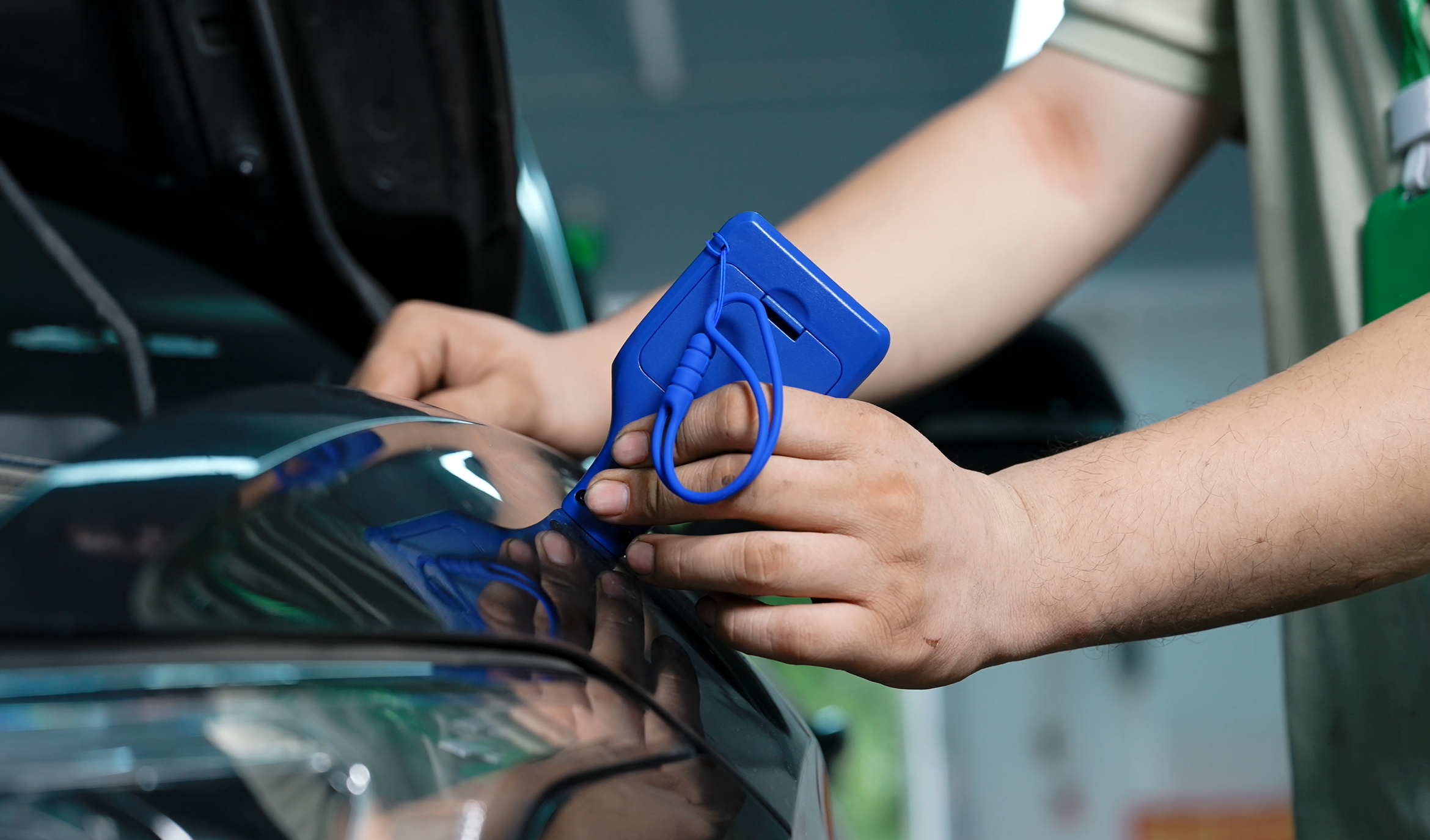
The selection process covers source verification, initial inspection, deeper reinspection and final intake checks. In practical terms, this places condition control at the center of the store's value proposition. For used-car buyers, the biggest concern is often not only whether a vehicle looks clean, but whether its accident history, structural condition, mileage record and maintenance evidence can stand up to scrutiny.
The Suzhou store therefore represents more than a new retail outlet. It is an attempt to turn Guazi's digital inspection and inventory capabilities into a visible, offline buying process.

After-sales protection focuses on major vehicle history risks
Guazi says its protection policy includes lifetime full-refund eligibility for vehicles later found to have major accident damage, fire damage or flood damage covered by the policy. The emphasis is on major vehicle-history risks that can materially affect safety, value and resale confidence.
For buyers, this type of protection matters because the used-car market depends heavily on trust in condition disclosure. A clear policy around major hidden damage can reduce one of the main barriers to purchasing a privately owned used vehicle through a marketplace model.
Why the Suzhou opening matters for China's used-car market
Over the past decade, Guazi says more than 1.52 million customers have bought cars through its platform. The company also cites research by Shangpu Consulting Group stating that Guazi ranked No. 1 nationwide by used-car transaction volume among professional used-car trading companies in mainland China during the January 1 to December 31, 2025 statistical period. The research was completed in June 2026.
The Suzhou flagship shows how major online used-car platforms are testing a more hybrid retail model. Rather than replacing physical stores, the next phase may combine online inventory reach, standardized inspection and large-format local showrooms. If the model scales to more cities, it could reshape how overseas buyers and Chinese families compare, verify and buy used cars.
For Guazi, the key question is whether the store format can preserve the efficiency of online matching while adding the confidence that comes from seeing and testing cars in person. Suzhou is now the first test case for that larger ambition.
Browse Guazi inspected used cars online
Compare used cars on en.guazi.com, then speak with a Guazi sales expert when you need vehicle details, pricing or purchase support.
Sources
1. Guazi company announcement material provided for this draft: Suzhou flagship Direct Marketplace opening, private-owner sourcing, 500-plus-car showroom, selection and inspection process.
2. Shangpu Consulting Group market research cited in the source material: 2025 mainland China professional used-car trading company transaction-volume ranking, statistical period January 1 to December 31, 2025, research completed in June 2026.