

World Cup Special • Save up to $1000 on selected vehicles

Guazi
GlobalEnglish


Why Your Auction Bids Keep Losing: 7 Reasons + How to Win
Article OverviewWhy your auction bids keep losing — 7 real reasons (bidding too low, wrong tier, fee-blindness, late submissions) and how to win real units.
Pricing Note. All numbers in this guide are indicative for May 2026 in USD (auction settlement currency). Cross-reference with your local landed cost in GHS / NGN / KES.
If you've placed 30, 50, or 100 auction bids and won less than 5%, you're not unlucky. You're competing against bidders who know something you don't. Win rates above 25% to 30% are achievable when you fix the seven specific failure modes that catch most African dealers. This guide walks through each, with the fix and the cost of getting it wrong.
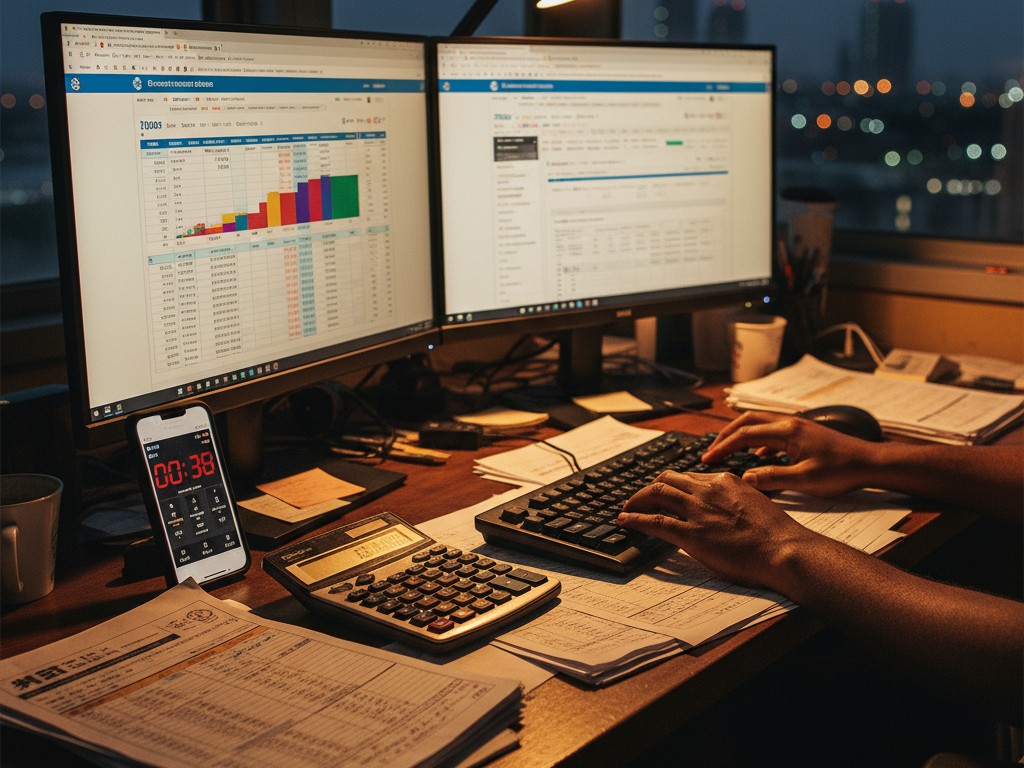
Are You Treating the Floor Price Like an Asking Price?
Auction floor prices are opening bids, not asking prices. A unit listed at JPY 350,000 floor will routinely sell for JPY 600-900,000 once 8-12 other bidders compete.
The fix: Research recent settled prices (sold history) for the same model/grade/year. Bid at the typical winning level, not the floor. If recent winning bids for a 2018 Hiace Grade 4.5 settle around JPY 850K-1.1M, bidding JPY 500K is a guaranteed loss.
Drop the Top-Tier Houses for Regional Floors
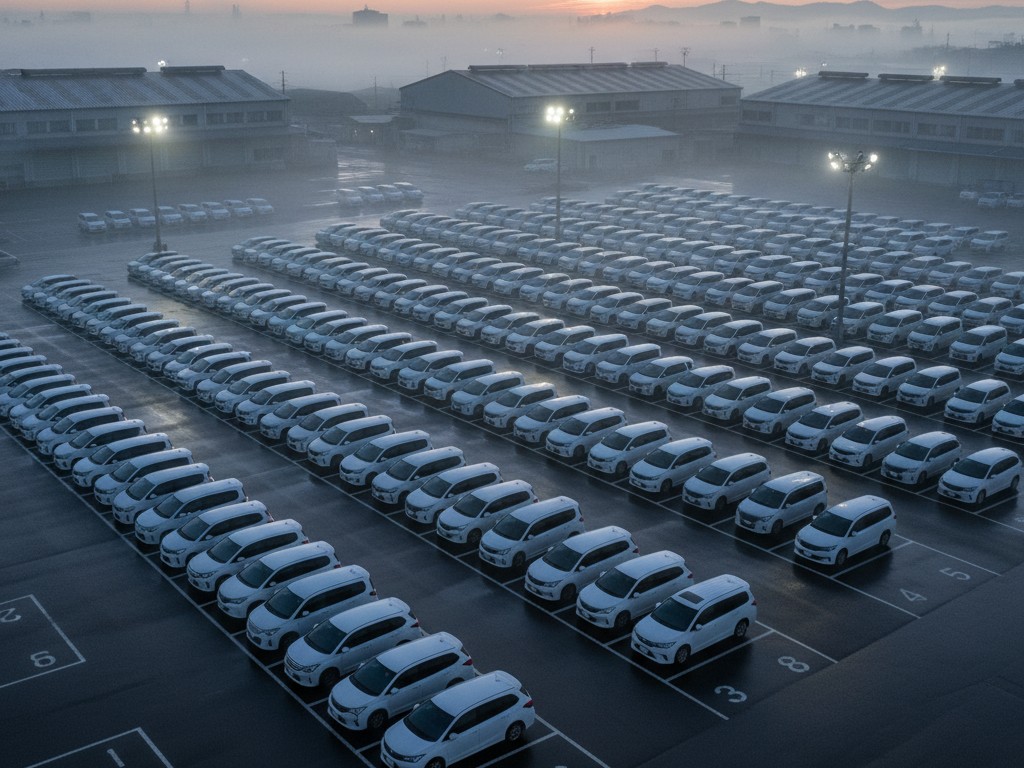
Top auction houses such as USS Tokyo main floor and TAA flagship draw bids from major Japanese exporters, large fleet operators, and Singapore re-exporters. African individual bidders rarely win here at retail-budget price.
The fix: Bid at the regional or smaller auction tiers such as USS Nagoya, USS Kobe, and JU regional floors. Same vehicle quality, 15% to 30% less bid competition. Win rates improve materially.
Failure Mode 3: Fee Blindness
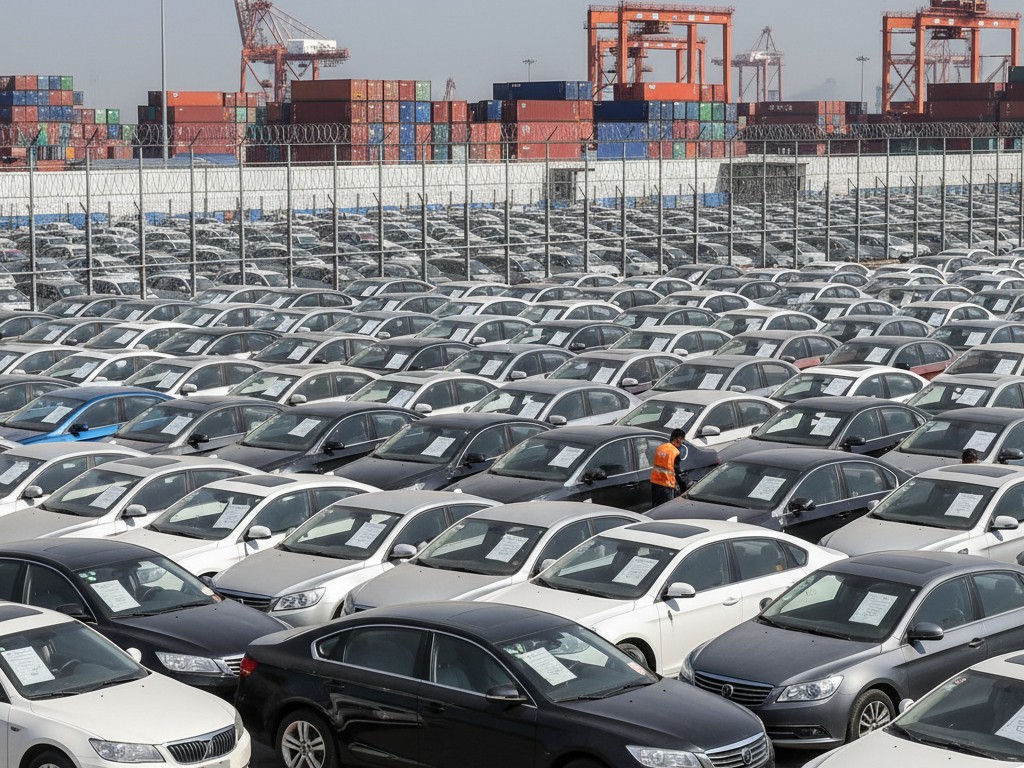
The auction floor price is what you bid. The all-in cost is the floor price plus auction commission (about 5% to 8%), recycling deposit, transport from auction yard, de-registration, export prep, and ocean freight. Bidders who only think about the floor price get outbid by people who calculate the all-in number and bid 15% to 30% higher on what looks like the same vehicle.
The fix: Build an all-in model. Set your maximum bid as (target landed cost) - (auction-to-port costs) - (freight + insurance). Bid up to that number, not below.
Why Are Your Late Bids Always Losing?
Most auctions accept bids up to 5 to 10 minutes before live close. Top bidders submit revised bids in the last 60 to 120 seconds based on competitive activity. Bidders who submit at floor price 24 hours ahead and never revise lose to revised bids by 10,000 to 30,000 JPY.
The fix: Use proxy bidding agents (Japan-based) who can revise in the close window. Or work with sourcing partners (Guazi for China auctions, established Japan-export agents for Japan) that handle the auction window for you.
Failure Mode 5: Wrong Grade Threshold
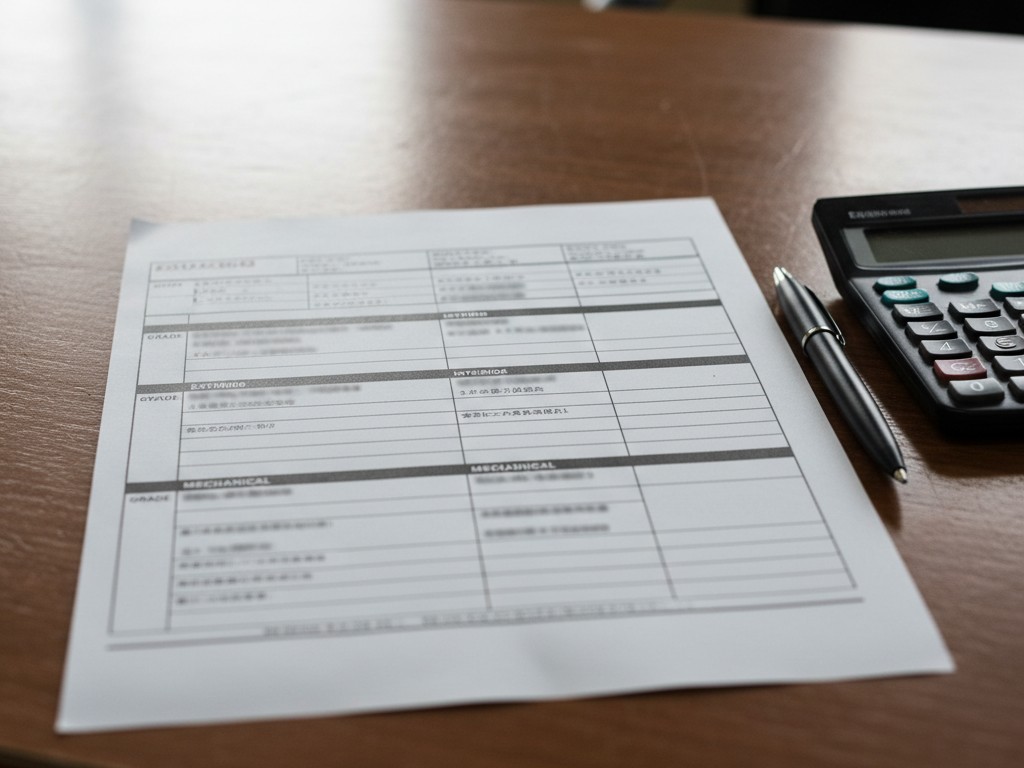
Auction grade (4.5, 4, 3.5, 3, R) signals condition. African dealers fixated on Grade 4.5+ compete in the most expensive tier. Grade 4 and 3.5 units are often functionally equivalent with minor cosmetic flaws and 15-25% cheaper to win.
The fix: Read the auction sheet carefully. A Grade 4 with "exterior C, interior A, mechanical A" is a different beast than "exterior B, interior B, mechanical C". Adjust grade threshold to where competition is thinner.
Have a model in mind? Let our certified team source it for you
Connect with a certified Guazi sourcing expert and enjoy 24/7 multilingual support
Match the Auction Market to Your Buyer Market
Japanese auctions are dominated by RHD units (the Japanese domestic market). Ghana, Nigeria, and Côte d'Ivoire are LHD-only. Even if you win a Japan auction on price, the RHD unit is unsellable in your market, and you eat the loss.
The fix: For LHD markets, source from China-export auctions (Chinese domestic market is LHD) or US-East Coast salvage auctions (LHD). Skip Japan entirely unless your market is RHD (Kenya, Uganda, Tanzania, Zambia).
Failure Mode 7: No Sourcing Network
Auction bidding without a sourcing network is brand-new dealer territory. You bid blind, lose 80-95% of bids, and the rare wins are units other bidders skipped (often for good reason).
The fix: Build a relationship with an auction sourcing partner who: - Pre-screens units against your spec sheet - Submits revised bids in the close window - Verifies title, mileage, accident history before bidding - Provides chassis-stamp + VIN photo on win
For LHD markets, this is Guazi for China-export (verified-source, dealer-quantity, complete paper trail).
Where Guazi Auctions Fits in This Picture
Most of these seven failure modes are not bidder mistakes. They are platform mismatches. Solo bidders fight uphill against floor prices, fee structures, grade interpretations, and bid-window mechanics that were never designed around an African buyer profile. Guazi Auctions sits in a different position: it is a Chinese-domestic auction pipeline rebuilt with the LHD export market in mind, which is why the platform happens to neutralize most of these failure modes by default.
The match is structural, not promotional:
- LHD inventory by default. Chinese vehicles are domestic LHD, so the Japan vs. China question (failure mode #6) disappears at the source. There is no risk of winning a unit you cannot sell in Accra.
- Inspection that goes deeper than an auction sheet. Every unit carries a 200+ point inspection report covering body, paint, mechanical, transmission, and battery state of health for EVs. The Japanese auction sheet's "exterior A interior B" shorthand is replaced by line-item findings, which is what failure mode #5 (grade-threshold misreading) actually needed.
- All-in landed-cost quotes, not floor prices. Quotes include CIF Tema, clearing agent fee, and duty estimate up front. This is the exact "all-in model" that failure mode #3 (fee blindness) tells you to build manually. Guazi quotes already include it.
- A dedicated Ghana desk that handles the bid window for you. No proxy agent in a Tokyo time zone. The desk closes the gap that failure mode #4 (losing late bids) describes.
- Repeat sourcing through a dealer relationship, not one-shot bidding. Continuous inventory access rather than a thirty-minute live floor and a hard reset. This addresses failure mode #7 (no sourcing network) at the relationship level rather than the transaction level.
For Ghana, Nigeria, and Côte d'Ivoire dealers running a recurring import program, this is usually a stronger starting point than a Japanese or US-East-Coast auction account, especially in the first twelve months while a sourcing track record is being built. The auction model itself is not the problem. The fit between the auction model and your market is.
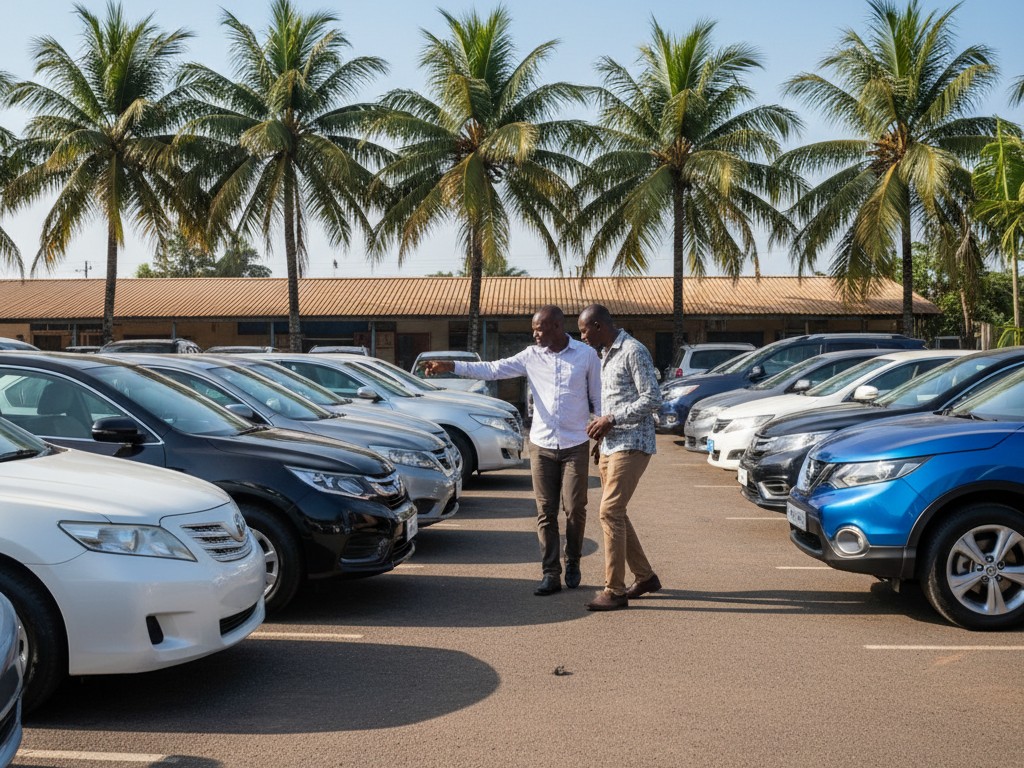
What a Winning Auction Strategy Looks Like
Tactical changes to flip a losing pattern:
- Switch to LHD-source auctions if your market is Ghana, Nigeria, or Ivory Coast (China or US East Coast)
- Drop from Grade 4.5+ to Grade 4 as default to save 15% to 25% on bid
- Build an all-in landed-cost model before bidding, then bid up to the model not below
- Use proxy bidding in the close window, not 24-hour-ahead static bids
- Pick regional or second-tier auction houses for lower competition on the same units
- Pre-screen with a sourcing partner to eliminate hidden-issue units before bidding
- Track win rate: if win rate stays under 15%, change strategy, not bid amount
Sign up for members benefits
Get one month of free bidding access and more
Key Takeaways
A win rate below 10% is a strategy problem, not bad luck. Treat the floor price as an opening bid and calibrate to settled prices, because the all-in cost (floor plus commission, transport, and freight) is what matters. LHD markets such as Ghana and Nigeria should avoid Japan auctions and source from China-export or US East Coast instead. Grade 4 units are usually 15% to 25% cheaper to win than Grade 4.5 plus, and sourcing-partner-supported bidding wins 25% to 40% of bids versus 5% to 15% for solo bidders.
Sources & References
- USS Auction Group: auction sheet grading conventions (1-5 + R)
- TAA Japan: auction commission and fee schedule
- Wikipedia: Japanese used vehicle auction system overview
- Guazi Africa Desk: May 2026 China-export auction win-rate benchmarks





About Us
Follow US


Copyright © 2015~2026 https://ylqc.guazi.com/, Yilanqunche Automobile Services (Shanghai) Co.,Ltd. All rights reserved.