

World Cup Special • Save up to $1000 on selected vehicles

Guazi
GlobalEnglish


10 Things to Know Before Importing Used Cars to Ghana
Article OverviewFind out the 10 essentials to understand before bringing in used cars to Ghana. Duties, taxes, age limits, documents, destination port, and reasons behind auction prices covering only 60% of the total cost.
Getting an excellent bargain on a used car can be so tempting that it will make you almost forget the complex process of importing it to Ghana, where the end-up price will be far from the auction bid. Customs valuations include the cost, insurance, and freight with import duties ranging 5-20% and a 15% VAT, strict regulations, e.g., the 10-year age limit and the left-hand drive requirement, can make the process full of financial and regulatory problems. It is crucial that you do not put a single dollar at risk without reading these ten crucial points first because they will definitely help you avoid unnecessary expensive delays or even the complete rejection of your car at the port.
Need help finding a particular car?
Connect with a certified Guazi sourcing expert and enjoy 24/7 multilingual support
1. Understand Import Duties (5 - 20%) and VAT (15%)
When importing a vehicle into Ghana, the auction price you saw or got the vehicle for won't be the final amount you will actually pay. Ghana's customs uses CIF (Cost, Insurance, and Freight) to figure the total. This means the government will calculate your auction bid, the shipping insurance you pay to cover transit risks, and then the freight cost to import the vehicle to Ghana's shores. The final CIF value becomes the base for taxes and duties.
On top of that, Ghana also applies import duties ranging from 5% to 20%, depending on car type and size. Then there's Value Added Tax (VAT) at 15% in 2026, plus smaller fees like the national Health Insurance Levy (NHIL). These aren't optional. You can't clear customs without paying the full amount before your vehicle leaves port.
These are the reasons why it is understood that the auction price only cover 60% of the total amount. If a car goes for $10,000 at auction, by the time you add insurance, freight, duty, VAT, and NHIL, it could easily be around $16,000 or more. Understanding this cost adjustment will prevent surprises and help buyers, dealers, and importers properly plan before importing.
2. Know the Vehicle Age Restrictions
A very important consideration when bringing in second-hand cars to Ghana is vehicle age. Ghana has a very strict rule that only permits the import of cars that are 10 years or less (MFG Year). What about older ones? They're not allowed in at all. Cars older than five but under ten get a 50% depreciation cap on the original MSRP. The taxable value can't go below half of that initial price. In real life, this usually cuts down your duty cost because Customs uses the reduced figure instead of your auction bid.
Take a 7-year-old model with a $20,000 MSRP. After depreciation, its tax base is $10,000; it doesn't matter that you bought it for just $8,000. Without the CAP, you'd face taxes on the full $20,000.
So if you're importing an older car, keep it under ten years. Cars between six and ten might actually end up cheaper in duty costs because of the cap, probably not a bad deal if you plan carefully.
| Vehicle Age | Permission | Depreciation Cap | Taxable Base |
|---|---|---|---|
| 0-5 Years | Yes | No | CIS or MSRP |
| 6-10 Years | Yes | Yes - Up to 50% off MSRP | Depreciated MSRP (if higher) |
| Over 10 Years | No | N/A | Heavy Over-age Penalties |
3. Prepare for Roadworthiness & Compliance Checks
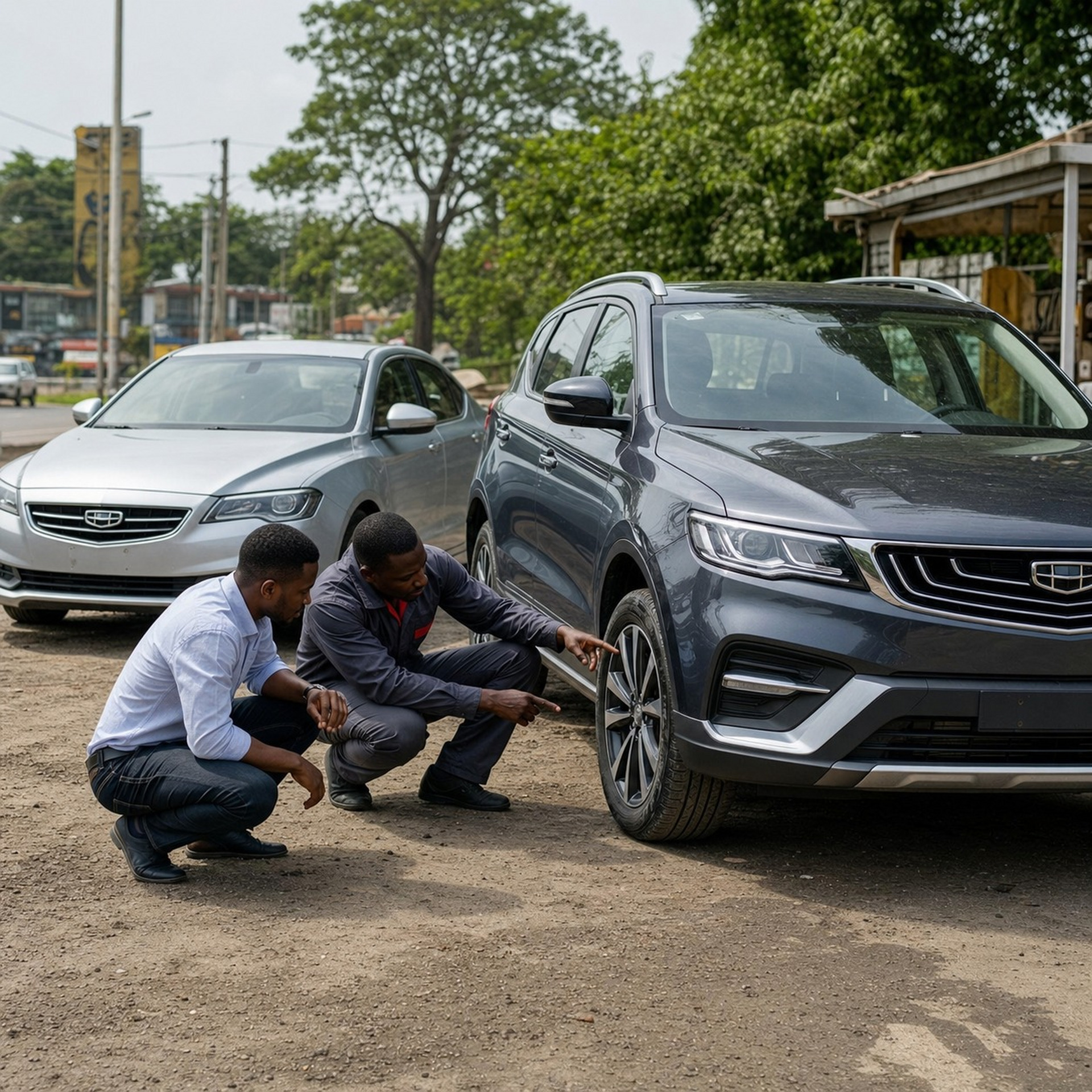
What if your car fails a roadworthiness check and gets tossed out? Ghana doesn't just want duty paid; she wants safe, clean vehicles that meet strict rules. If you bring in a Right-Hand Drive (RHD) car, it won't pass. Although the rule is strict on that, a special ministerial approval may be needed if any exceptions are to be considered. Left-Hand Drive (LHD) is the only option. You must know this before bidding at an auction.
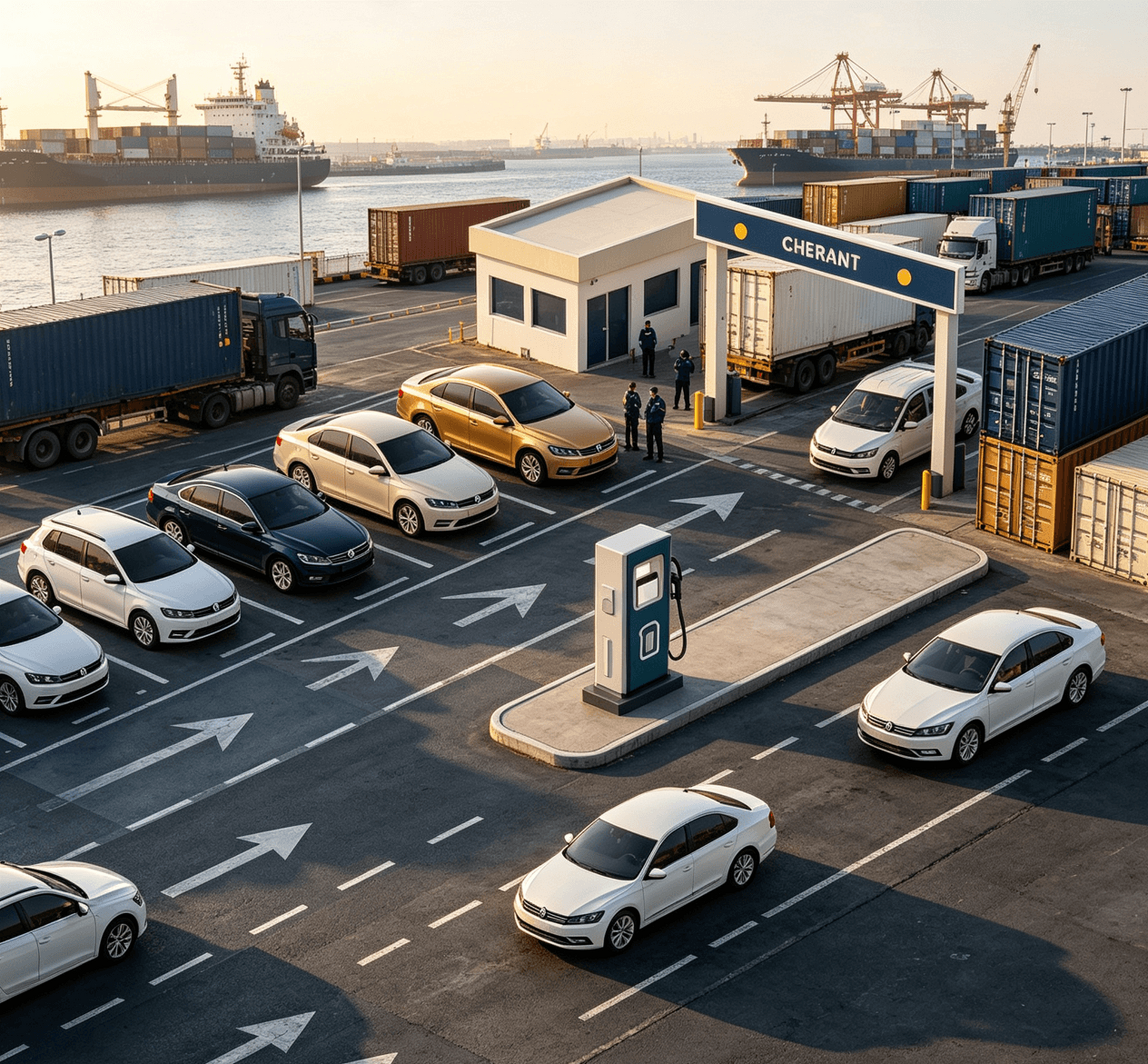
Customs and the Driver and Vehicle Licensing Authority (DVLA) are responsible for checking the car's emissions, safety, and general condition. A single fault can mean delays, fines, or outright refusal of registration. Dealers who pick models with known compliance requirements are safer. Leaving a vehicle too long at the port is risky, too. If your vehicle stays uncleared, it gets added to the overstayed list and can be seized and sold at state auctions. That's money gone and reputation damaged, especially if you are an importer. Planning ahead isn't optional; it's necessary to avoid those losses and keep your record straight.
Need help finding a particular model?
Connect with a certified Guazi sourcing expert and enjoy 24/7 multilingual support
4. Use ICUMS Duty Calculator Before Filing
One of the most important tools for importers in Ghana is the Integrated Customs Management System (ICUMS). This online platform handles all customs declarations and includes a duty calculator that estimates total charges before your car reaches port. Enter vehicle details, auction price, shipping insurance, and freight cost, and ICUMS instantly calculates the CIF value and applies duties, VAT, NHIL, and other fees.

A quick check saves hours of stress. Waiting until the car docks means you're often blindsided by inflated costs. You find yourself on the overstayed list, where vehicles get seized and sold at state auctions. Running the numbers early prevents those financial shocks and ensures funds are available when clearance starts. Dealers can compare models and shipping routes side by side. Individual buyers get a clear view of what they'll actually pay at delivery. No guessing, just real numbers from the system itself.
5. Factor in NHIL and Other Levies
Besides the usual import duty (5%-20%) and VAT (15%), Ghana also imposes a number of smaller statutory levies, which can add up to hundreds or even thousands of dollars to your final landed cost. Many people make the mistake of disregarding them, which results in insufficient budget and customs delays. Beginning from 2026, the following levies are imposed on all imported used vehicles:
| Levy | Rate | Purpose |
|---|---|---|
| NIHL | 2.5% | Funds Ghana national healthcare system |
| GETFund | 2.5% | Supports education |
| EXIM | 0.5-1% | Promotes non-traditional export (varies by vehicle type) |
Note: These percentages are based on the Cost Insurance Freight (CIF) value, which is the same base for import duty and VAT.
Even though the official VAT rate is 15%, the total of VAT (15%) + National Health Insurance (NHIL) 2.5% + Ghana Education Trust Fund (GETFund) 2.5% amounts to 20% of the CIF value. A lot of importers call this "effective VAT" because you pay all three at the same time during clearance. The Export-Import (EXIM) Levy, when it is applicable, adds even more.
6. Pick Popular, Compliant Car Models
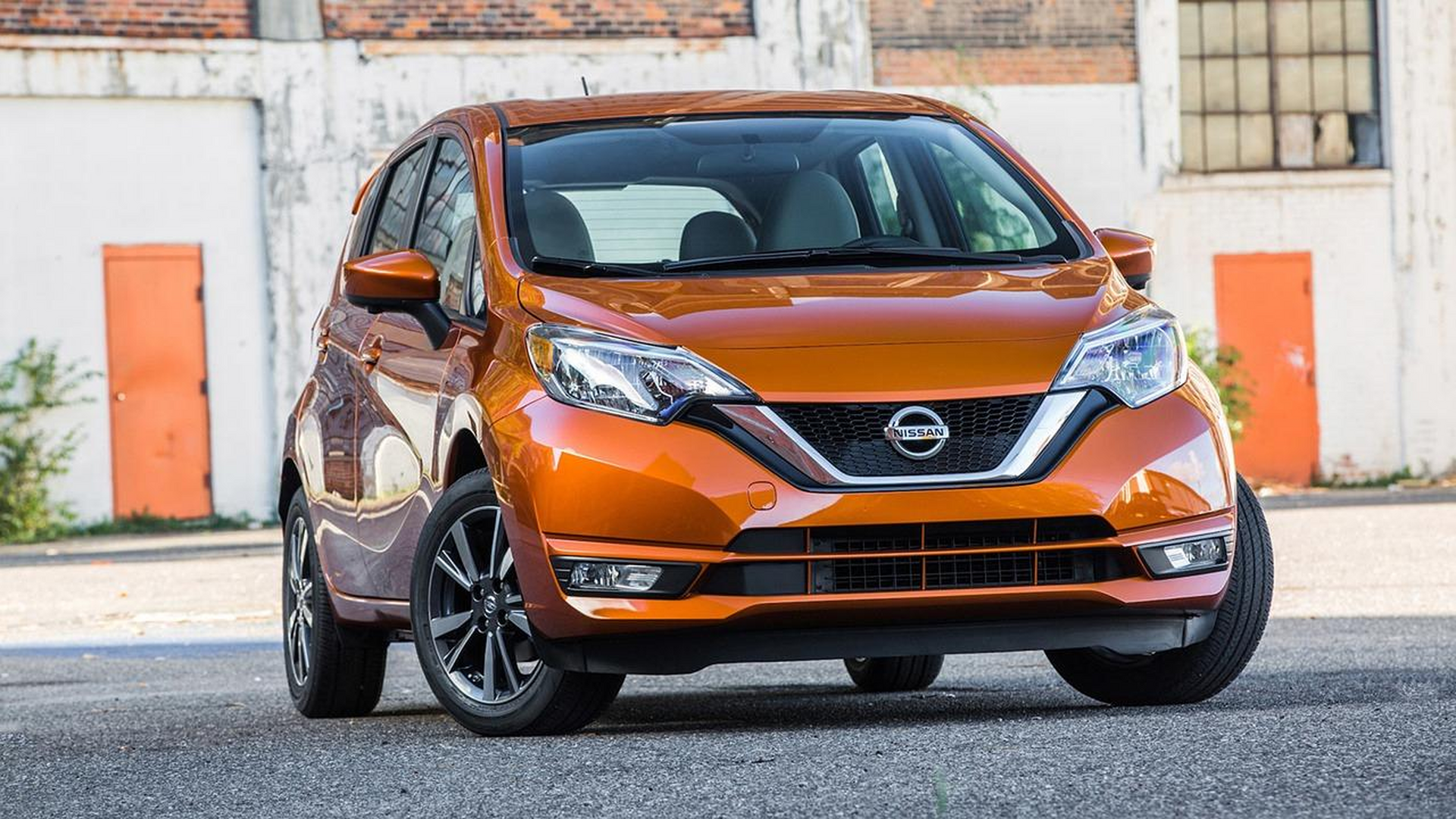
One of the best things you can do when importing a car to Ghana is to pick the right model. For example, the Toyota Corolla, Toyota Camry, and Hyundai Elantra have been dominating the car market for a long time because they are dependable, consume less fuel, and do not lose much value when you want to resell. Most importantly, these cars get the thumbs up from customs and the Driver and Vehicle Licensing Authority (DVLA), which makes the compliance procedures very smooth and quick. Going for a popular model comes with the big advantage of finding spare parts easily.
Toyotas and Hyundais, for example, have very strong parts networks in Ghana, so you can get repairs done without too much hassle or expense. Those importing rare or high-end vehicles, on the other hand, quite often face parts shortages and hence incur higher costs and downtime. One of the major trends in 2026 is the support for clean energy, and as part of this, the government is allowing certain electric vehicles (EVs) to come into the country with 0% import duty. This policy thus makes EVs more appealing to buyers who are looking to cut the fuel price squeeze as well as enjoy lower import costs. Car dealers who exploit this loophole can strongly position themselves ahead of a growing segment of the market.
Need help finding a particular model?
Connect with a certified Guazi sourcing expert and enjoy 24/7 multilingual support
7. Plan Financing Options for Import Costs
Another important thing to note is that purchasing a car in Ghana involves more than just picking the right vehicle; it also requires ensuring you are able to finance the complete expenses of the vehicle when it is delivered. Several buyers only think of the auction price; however, as we know, this price usually represents only 60% of the total cost of the vehicle after the addition of customs duty, VAT levies, insurance, and freight. If you do not make financial arrangements beforehand, cars may become stuck at the port and be placed on the overstayed list, which could lead to their confiscation.

Besides the auction buy, individual purchasers need to have enough funds to cover customs clearance, registration, and even repairs. Certain individuals depend on their savings, while some importers choose the loan option offered by local banks. On the other hand, car dealers make use of auction financing or partnerships with international suppliers in order to cover the cost of several vehicles.
8. Consider Fuel Prices and Long-Term Ownership Costs
To buy a used car is to consider factors beyond just shipping or customs clearance; it depends largely on the owner's ability to understand long-term costs of keeping the car in Ghana. At least in theory, fuel prices are rising and directly impact how affordable it is to keep the car running. An auction car that seems cheap might end up costing a lot if it uses too much fuel. That's why many importers choose models like the Toyota Corolla or the Hyundai Elantra. These are fuel-efficient and have low running expenses. The decision isn't just about the upfront price but what you'll pay over time.
Other ownership costs include repair, spare parts, insurance, and resale value. If parts are easily available in Ghana, repairs stay manageable, and the vehicle lasts longer. Niche models often require expensive imported parts for fixes. Insurance varies by car type and age, so it's part of the total cost picture. In 2026, the Ghanaian government is offering 0% import duty on certain electric vehicle models, which could change how buyers think about future purchases.
9. Check Spare Parts Availability Before Importing
Before importing a car into Ghana, you should first find out if its spare parts are easily accessible because, in the Ghanaian used car market, it is the availability of spare parts that could make or break your entire ownership experience. Popular car models like the Toyota Corolla, Toyota Camry, and Hyundai Elantra are among the most popular choices, as their spare parts are abundant in Ghana. As such, maintenance costs are really low, and you will always find qualified mechanics able to sort out your vehicle in no time. On the other hand, luxury or rare car models that one may be tempted to bring from auctions do come with the burden of finding spare parts locally. These owners will be faced with the dilemma of either waiting forever for parts deliveries or paying exorbitant prices for imported parts.
10. Analyze Resale Value Patterns of Various Car Models
The last thing in planning your car import should be the resale value of the car when it finally gets to Ghana. Different vehicle models do not retain their values at the same rate, so making the right choice could have a major positive impact on your long-term profits. Vehicles like the Toyota Corolla, Kia Picanto, and Honda Fit generally have high resale value because of their fuel efficiency, low maintenance costs, and being buyer favorites. In addition, these cars easily pass through customs and compliance checks and are highly demanded in the local market.

On the other hand, old and rare models tend to depreciate very fast. Cars with difficult spare parts sourcing or those that do not meet roadworthiness standards are difficult to sell, and also buyers tend to be very reluctant, as such cars incur additional costs. Importers bringing such models may regularly have to reduce prices just to get the stock sold. Indirectly, resale value increases with the choice of port and clearance times. Ghana's largest ports (Tema and Takoradi) are sometimes congested, resulting in clearance delays and the reduced freshness of stock. Dealers who anticipate these situations and decide on ports with quicker processing times will be able to get their cars to the market faster, thereby preserving resale value and customer confidence.
Sign Up for Member Benefits
Access full vehicles reports plus personalized assistance
Conclusion
Importing used cars to Ghana in 2026 can be very profitable, but it is crucial to plan properly and make wise decisions. Auction sticker price alone is only one part of the cost. Duties, VAT levies, and compliance checks together contribute to the total. Making the right choices, like picking popular and compliant car models, preparing money even before the ship arrives, and quickly getting clearance for vehicles to avoid penalty for overstaying in the port, are some of the ways to succeed. Those who plan properly can even turn the present challenges, including rising fuel prices and new incentives for electric vehicles, into opportunities.
It is clear that planning ahead and making the right decisions are the main ingredients for a successful and sustainable car import business in Ghana's ever-changing market.






About Us
Follow US


Copyright © 2015~2026 https://ylqc.guazi.com/, Yilanqunche Automobile Services (Shanghai) Co.,Ltd. All rights reserved.