

World Cup Special • Save up to $1000 on selected vehicles

Guazi
Toyota
Chery
JETOUR
Geely Auto
BYD
Volkswagen
CHANGAN
Great Wall
MG
Xiaomi Auto
Li Auto
Honda
GlobalEnglish


Contents
- 1. Age Limit Red Line: Used Cars Over 10 Years Old Are Strictly Prohibited (No Exceptions)
- 2. Steering Restriction: Only Left-Hand Drive Cars Can Be Imported; Right-Hand Drive Cars Are Strictly Prohibited
- 3. Emission Threshold: Minimum Euro 2 Standard Required; Otherwise, Customs Clearance Is Impossible
- 4. Tax Dividend: 0% Tariff for New Energy Used Cars; Progressive Tariff for Fuel-Powered Cars by Displacement
- 5. Mandatory Certification: COC + BSC Dual Certification, Both Are Indispensable
- 6. Vehicle Condition Ban: Accident Cars, Flooded Cars, Etc., Are Strictly Prohibited
- 7. Customs Clearance Timeframe: 7-10 Days with Complete Documents; Severe Detention for Missing Documents
- 8. China-Africa Dividend: Zero Tariff for China's Used Car Exports, Reducing Procurement Costs
- 9. Prohibited Form: Strictly Prohibited to Import Spare Parts for Local Assembly
- 10. Profit Key: Prioritize 3-5 Year Old Low-Mileage Vehicle Sources to Adapt to Local Demand
- Conclusion
10 Key Things Ghanaian Suppliers Must Know About Importing Used Cars
Author
Bill
Categories
Regional Insights
Published on
2026-03-20
Updated on
2026-06-22
Article OverviewTailored for Ghanaian used car suppliers, covering 10 core information including vehicle age, steering, emissions, taxes and fees, certification, based on Ghana's official policies with information sources, helping suppliers import compliantly, control costs and improve profits.
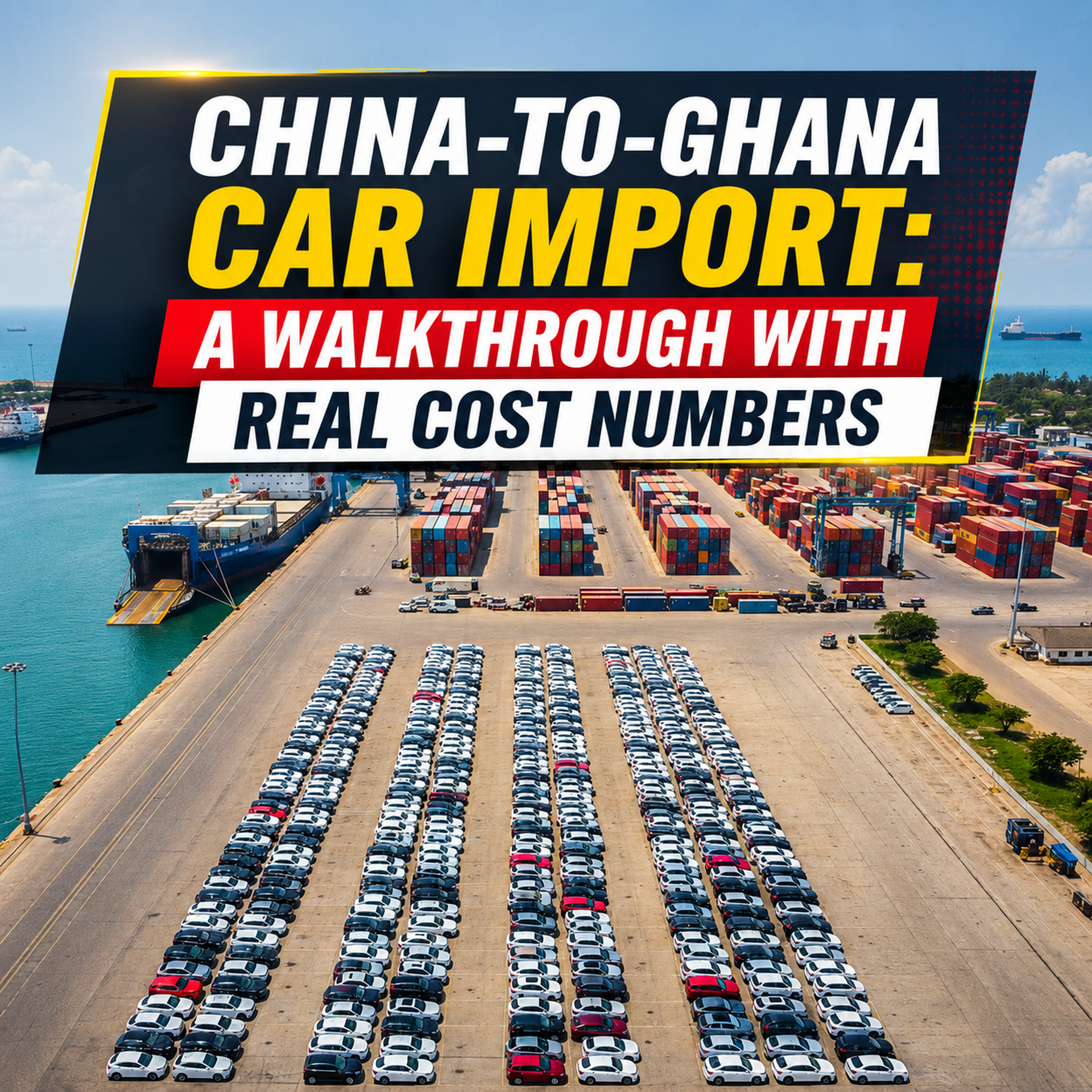
For local used car suppliers in Ghana, compliant importation, cost control, and seizing market dividends are core needs. The following 10 key pieces of information, based on Ghana's latest official policies (2026), cover core links such as access, taxes and fees, certification, and profitability, accurately addressing the pain points of suppliers in the import process and helping to achieve efficient and compliant operations while improving profit margins.
You can find more options on Guazi.com.
Source Quality Used Cars From China's #1 Auction Platform
Access 200,000 verified vehicles monthly. Bid in real-time and secure bulk inventory at highly competitive market rates.
1. Age Limit Red Line: Used Cars Over 10 Years Old Are Strictly Prohibited (No Exceptions)
As a Ghanaian used car supplier, you must first clarify that the vehicle age is ≤ 10 years (calculated by the vehicle's production year), which is a rigid requirement of the Ghana Revenue Authority (GRA) (based on the Customs (Amendment) Act 2020). For used cars imported in 2026, they must be produced in 2016 or later; over-age vehicles will be directly refused customs clearance and forced to be returned, with no special approval channels. Avoid cargo detention and cost losses due to vehicle age issues.
2. Steering Restriction: Only Left-Hand Drive Cars Can Be Imported; Right-Hand Drive Cars Are Strictly Prohibited
Ghana adopts left-hand drive rules for road traffic. The GRA clearly stipulates that only left-hand drive used cars can be normally imported and cleared through customs. No matter the condition or price, right-hand drive cars are strictly prohibited from import and have no modification exemption rights. Suppliers must strictly screen vehicle sources when purchasing to avoid cargo returns due to inconsistent steering, which wastes time and logistics costs.
3. Emission Threshold: Minimum Euro 2 Standard Required; Otherwise, Customs Clearance Is Impossible
According to Ghana's environmental protection regulations (EPA Ghana Act 490) and the requirements of the Ghana Standards Authority (GSB), imported used cars must meet Euro 2 or higher emission standards. Old and high-emission vehicles that fail to meet the standards cannot pass GSB testing, cannot obtain compliance certification, and ultimately cannot clear customs. Suppliers need to verify the emission status of vehicle sources in advance to avoid compliance risks.
4. Tax Dividend: 0% Tariff for New Energy Used Cars; Progressive Tariff for Fuel-Powered Cars by Displacement
This is the core profit point for Ghanaian suppliers to import used cars from China and must be mastered. Pure electric and plug-in hybrid used cars: 0% import tariff (2026 latest policy), combined with China's zero-tariff policy for Africa, with significant cost advantages. Progressive tariff for fuel-powered cars by displacement: 5% for ≤1.5L, 10% for 1.5-3.0L, 20% for >3.0L. Uniform additional taxes and fees: 15% VAT, 2.5% National Health Insurance Levy (NHIL), 0.5% ECOWAS Levy, etc. Comprehensive costs need to be calculated in advance.
You can find more options on Guazi.com.
VEHICLE & CONTACT INFORMATION
5. Mandatory Certification: COC + BSC Dual Certification, Both Are Indispensable
The GRA mandates that imported used cars must have two core certifications; missing any one will make customs clearance impossible. COC Conformity Certification: Required by the GSB, it must be tested and processed in the vehicle's country of origin (e.g., China). Without COC, you will face return or a fine of 30% of the CIF price. BSC/ECTN Electronic Cargo Tracking Note: Must be applied for before sea freight shipment for customs cargo tracking. Without BSC, it will cause port detention, fines, and delay customs clearance time.
6. Vehicle Condition Ban: Accident Cars, Flooded Cars, Etc., Are Strictly Prohibited
The GRA clearly prohibits the import of accident cars, flooded cars, scrapped cars, and burned cars. In 2026, ports will use intelligent scanning systems, and the inspection rate will be greatly improved, making such vehicles easy to identify. When purchasing vehicle sources, suppliers must require exporters to provide accident-free and flood-free declarations, as well as vehicle condition inspection reports, to avoid losses due to vehicle condition issues.
7. Customs Clearance Timeframe: 7-10 Days with Complete Documents; Severe Detention for Missing Documents
The GRA uses the ICUMS system for automatic tax calculation, and customs clearance efficiency depends on the completeness of documents:
Complete documents (COC, BSC, purchase invoice, vehicle registration certificate, etc.): Customs clearance time is about 7-10 days;
Missing or inconsistent documents: Will cause port detention for 1-3 months, resulting in high detention fees and warehousing fees, which greatly increase operating costs.
Suppliers need to check all documents in advance.
8. China-Africa Dividend: Zero Tariff for China's Used Car Exports, Reducing Procurement Costs
China implements a 100% zero-tariff policy for 53 African diplomatic countries, including Ghana. This means that used cars exported from China to Ghana can enjoy the zero-tariff preference on China's export side, further reducing the procurement costs of Ghanaian suppliers and improving profit margins. It is recommended to give priority to Chinese vehicle sources.
9. Prohibited Form: Strictly Prohibited to Import Spare Parts for Local Assembly
Ghanaian law clearly stipulates that used cars cannot be imported in the form of spare parts (CKD/SKD), and local assembly and subsequent sales are prohibited. Suppliers must strictly comply to avoid cargo seizure and fines due to inconsistent import forms.
10. Profit Key: Prioritize 3-5 Year Old Low-Mileage Vehicle Sources to Adapt to Local Demand
Combined with Ghana's market demand, suppliers should prioritize 3-5 year old, low-mileage used cars (especially Chinese new energy models, pickups, and SUVs) when importing. Such vehicle sources:
① Meet vehicle age and emission requirements with low compliance risks;
② Stable vehicle condition and low after-sales costs;
③ Adapt to rigid demand scenarios in Ghana such as family commuting, logistics, and online car-hailing, with high terminal sales volume and profit margins of 15%-30%.
You can find more options on Guazi.com.
Source Quality Used Cars From China's #1 Auction Platform
Access 200,000 verified vehicles monthly. Bid in real-time and secure bulk inventory at highly competitive market rates.
Conclusion
The core of importing used cars in Ghana is compliance first, cost control, and demand adaptation. Keep in mind the above 10 key points, avoid red lines such as vehicle age, steering, and certification, make good use of policy dividends such as 0% tariff for new energy and China's zero-tariff policy for Africa, and give priority to cost-effective Chinese vehicle sources to achieve steady profitability and long-term development in Ghana's used car market.



VEHICLE & CONTACT INFORMATION
FAQs
A
Guazi is the leader of China's online automotive trading platform.
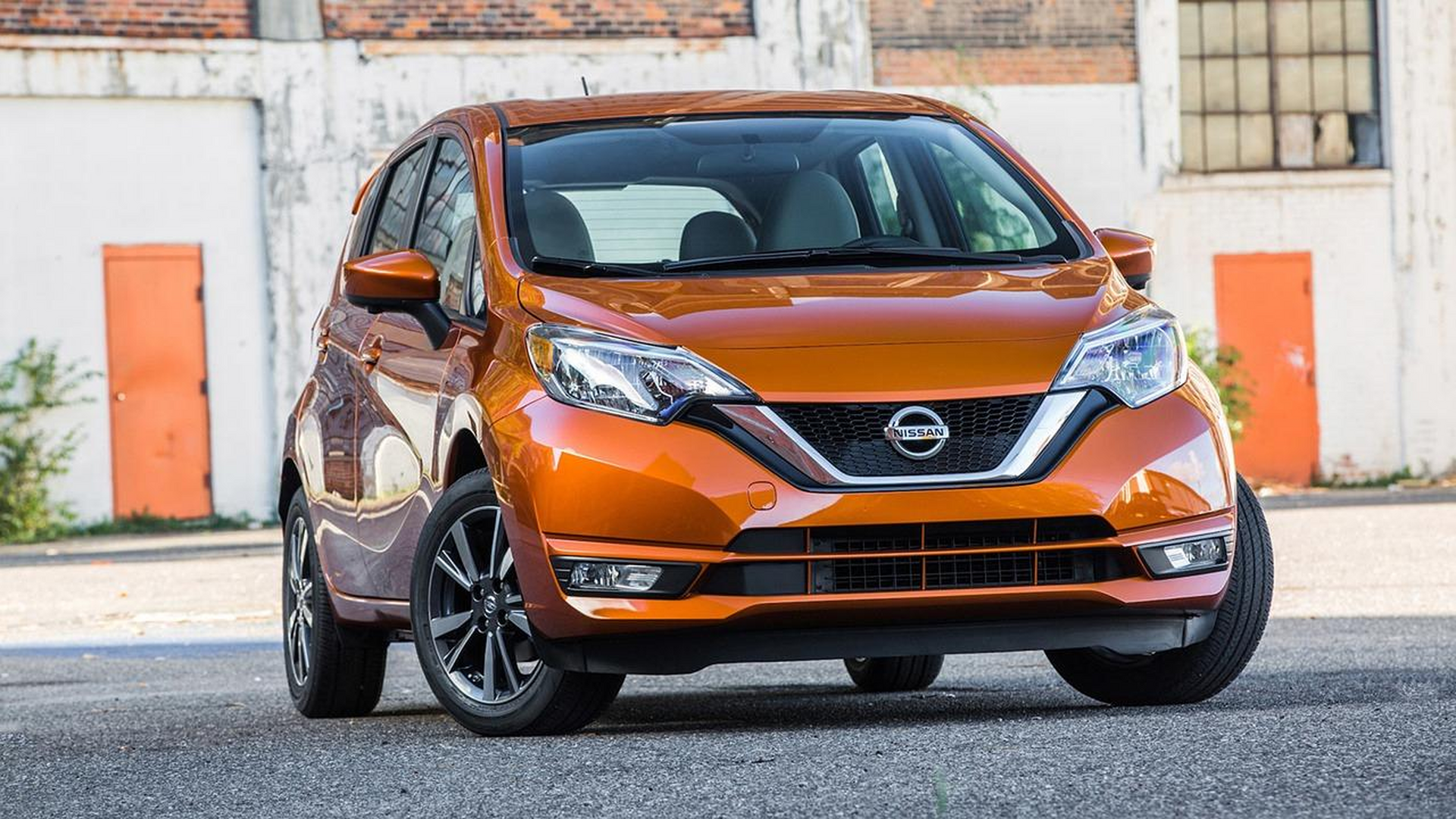
Top Selling Used Vehicles in Ghana have Toyota Camry, Hyundai Sonata, Honda Civic, Nissan March, Optima, Ranger, Land Cruiser, Highlander
A
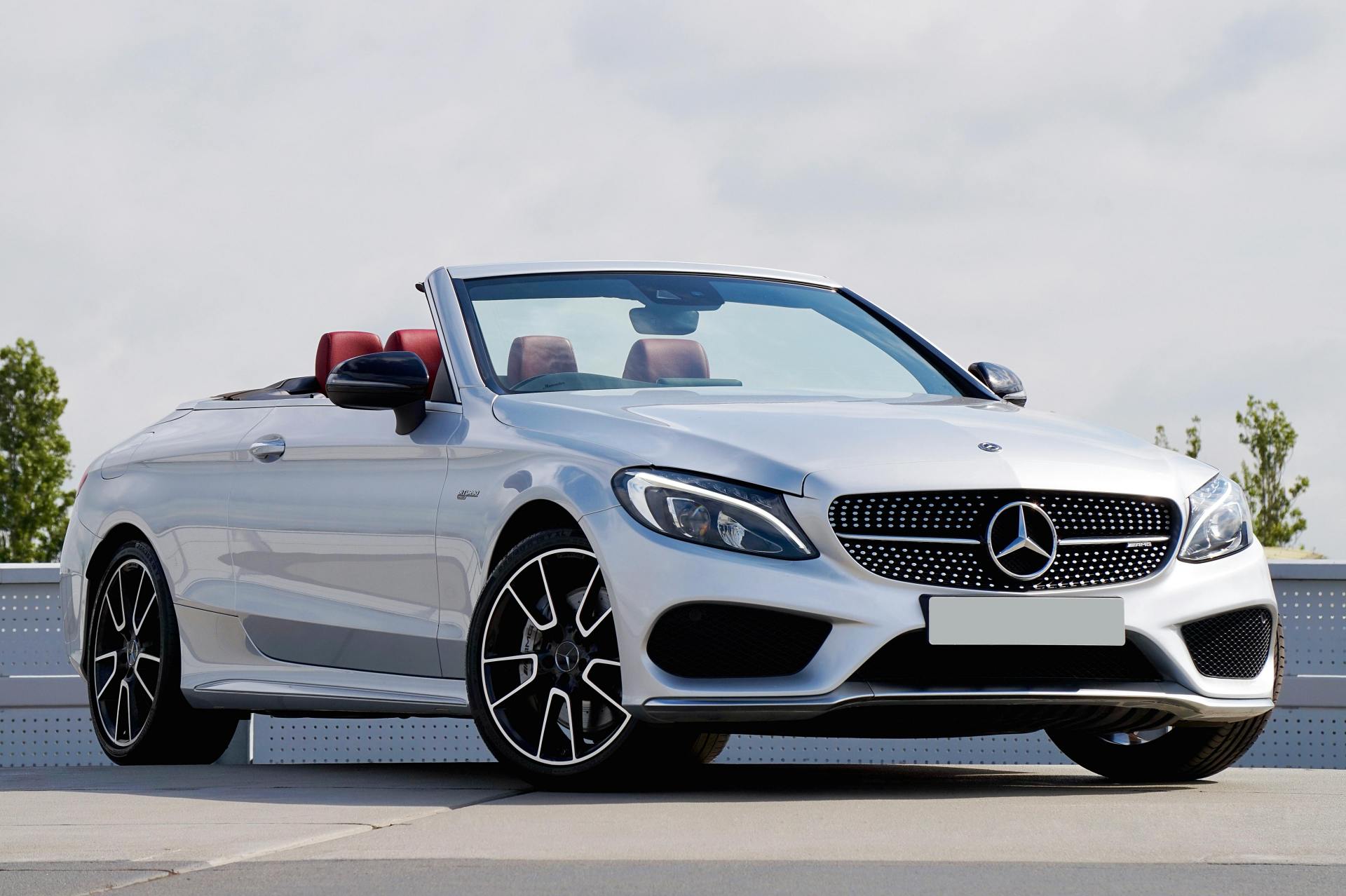
Top used car brands in Ghana: Toyota, Hyundai, Honda, Mercedes-Benz, Kia, Nissan, Ford, Chevrolet
Discover the most sought-after used car brands imported directly from China. Guazi helps dealers access dependable inventory at competitive wholesale prices by offering verified cars from leading manufacturers.
A
Guazi has developed over 4,000 routes from China's major ports to global destinations.
STEP 1: Buy now (Place your order and pay reservation deposit) or Inquire now (Receive a quote and confirm your order)
STEP 2: Payment: You can use VISA/PayPal/MasterCard.
STEP 3: Shipping: Vehicle procurement and shipping schedule arrangement.
STEP 4: Pickup: Complete customs clearance and pick up your vehicles





About Us
Follow US


Copyright © 2015~2026 https://ylqc.guazi.com/, Yilanqunche Automobile Services (Shanghai) Co.,Ltd. All rights reserved.