

World Cup Special • Save up to $1000 on selected vehicles

Guazi
GlobalEnglish


5 Common Mistakes Every First-Time Used Car Buyer in Ghana Makes
Article OverviewAre you buying your first car in Accra or Kumasi? Don't make these 5 costly blunders that others who bought a used car for the first time in Ghana made. Get advice from experts on pricing, how to use a trusted mechanic, and the home-used vs. imported argument.
Acquiring your first automobile in Ghana is a significant milestone; however, this is precisely what unscrupulous vendors aim to exploit. I learned the truth the hard way when I paid ₵65,000 for a "clean" 2012 Toyota Corolla in the Tema port, only to find out that it was a salvaged flood wreck. My "buy and drive" ambition turned into a technical nightmare that cost me all of my savings in just two weeks. The market for old cars in Ghana is a maze of secret accident records and "Africanized" electrical hacks. Dealers utilize scarcity methods to get you to make a quick decision, hoping that you'll notice shiny rims instead of rusty suspensions or fake logbooks. I've spent years making sure that no one else makes the same error by going through the DVLA and Abossey Okai's spare parts mess. This guide is a tactical plan for veterans to get rid of false appearances. Read these five typical blunders before going to a Spintex showroom to make sure your first car is a real asset.
Source Quality Used Cars From China's #1 Auction Platform
Access 200,000 verified vehicles monthly. Bid in real-time and secure bulk inventory at highly competitive market rates.
1. Believing in the "Clean Body" Trap (The Cosmetic Illusion)
In the Ghanaian car market, the phrase "clean body" might be a deadly diversion. I was amazed by the automobiles that appeared as if they had just come off the assembly line when I walked through carports in Spintex. The paint looked perfect, the headlights were clear, and the tires had that deep black sheen. I thought that if the outside was spotless, the owner must have taken care of the engine as well. That was my initial guess, and it cost me the most. A lot of people who are buying a car for the first time don't know that Ghana is a world center for salvage-title cars. Insurance companies in the US, Canada, or Europe have declared these cars to be total losses because they were in bad accidents or flooded. Local workshops, like the skilled but unregulated body-smiths in Abossey Okai and the industrial centers in Suame Magazine, are experts at "beautifying" these wrecks. To fix structural damage, they utilize high-quality body filler or bondo, and high-gloss paint to cover up a bent chassis. The car seems "fresh" to the human eye, but a chassis alignment machine says it's a disaster waiting to happen at 100 km/h on the highway.
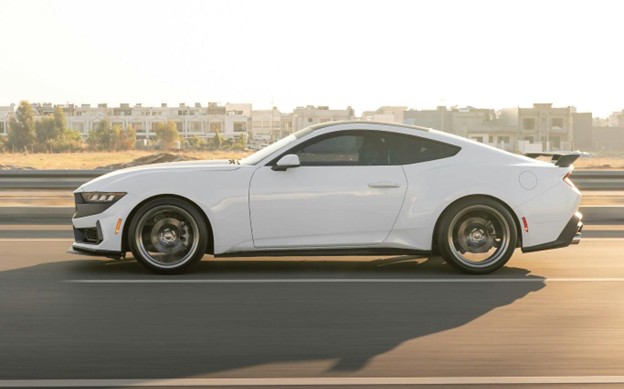
The solution? Quit impulsive buying just because they seem good to the eye, and start using a diagnostic tool. Never buy an automobile without having a professional look at it beforehand. A good mechanic doesn't just examine for scratches; they also check the "apron" (the region where the engine is), look for gaps between body panels that aren't even, and plug in an OBDII scanner to see whether the dealer has cleared the warning lights merely to make a sale. In Ghana, paying ₵500 for an inspection can save you ₵50,000 in regrets.
2. Ignoring the Total Cost of Ownership
When I acquired my Corolla, I simply thought about the price on the sticker. I was able to get the dealer to lower the price by a few thousand cedis, and I felt like a winner. The Total Cost of Ownership (TCO) is the money I need to keep the car on the road after I buy it. This mistake makes it hard for first-time vehicle owners in Ghana to stick to their budgets, so many have to sell their newly acquired cars within the first year.
Shocking Hidden Costs
Fuel Guzzlers in Traffic: You might be able to get a great price on a powerful V6 SUV, but you should keep in mind that you will be stuck in traffic a lot in Accra or Kumasi. That motor that gets 15 miles per gallon on the highway will use a lot of gas on a two-hour drive on the George W. Bush Highway. A little engine that doesn't use a lot of gas is the key to getting by in Ghana, where gas prices are high.
Immediate Maintenance Shock: Dealers don't often do the necessary maintenance on cars that are "home-used" or just brought in. This involves getting new tires (which are very important on our rocky roads), a timing belt (if you don't know the history), all fluids, and maybe even a new battery. This might easily add ₵3,000 to ₵5,000 to the amount you put in at first.
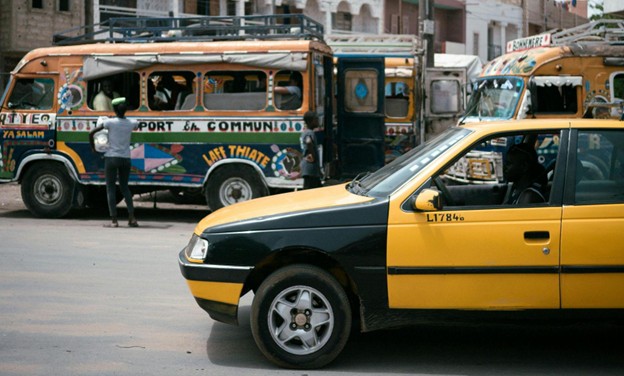
Fees for insurance and regulation: Don't forget the annual expenses required. You need insurance, even just basic third-party coverage. You also have to renew your annual DVLA roadworthiness certificate and sticker. These small, recurring fees add up quickly and need to be budgeted each month.
Recommendations
Set aside a non-negotiable 20% buffer fund for maintenance, registration, and other problems that come up right away for every ₵10,000 you want to spend on the automobile itself. You need to set aside ₵10,000 for the first three months of the car's existence if it costs ₵50,000. This budget discipline makes sure that your new car gives you freedom instead of money problems.
3. The Paperwork Scams
Unpaid Duty Trap: Many imported cars are sold before the customs duties are entirely paid, or they are cleared using dubious exemptions, such as being called "Transit Goods" or getting false diplomatic licenses. The dealer promises to finish the papers later, takes your money, and then disappears. When the Ghana Revenue Authority (GRA) Customs Division catches up, they will take the car, and you, the buyer, will have no way to get your money back.
| Scam Type | Description | Buyer Risk |
|---|---|---|
| Unpaid Duty Trap | Car sold before customs duties are paid, or using false diplomatic permit. Dealer vanishes after promise to finish papers later. | Car Seizure by GRA Customs Division. No refund, no way to get money back. |
| Fake Logbooks | Stolen cars given expertly forged registration papers. | Legal Troubles and impoundment if police check the VIN in their system. |
Fake logbooks and stolen cars: There is a steady trade in stolen cars, sometimes even from Togo or Côte d'Ivoire. People often provide these people with fake logbooks and registration papers that look real. If the authorities stop you and check the Vehicle Identification Number (VIN) in their system, you could get into trouble with the law and have your car taken away.
Suggestions
The best way to stay safe is to check things very carefully. Don't just depend on what the dealer says. You should request to see the original Customs Declaration Form. Even better, bring the VIN to the local GRA Customs office and ask them to check its status in the Integrated Customs Management System (ICUMS). Second, make sure that the seller is present when you finish the transfer of ownership at a regional DVLA office. If the vendor insists on making the transfer "privately" or putting off the DVLA visit, just walk away. In Ghana, the best way to protect yourself is to fill out the documentation correctly.
4. Picking Looks over the availability of parts
I recall spotting a stunning, older-model German luxury car that attracted attention for the same price as a simple Japanese sedan. My heart told me to "go for the luxury and status!" My mechanic thankfully advised me against buying it, warning that I would have faced a common issue among first-time car owners who prioritize appearance over practicality. If you make the wrong choice in Ghana, your car ownership status could come with a huge maintenance price.
Finding Rare European Car Parts
If you acquire a rare or less common European luxury brand, such as some older model Mercedes-Benzes, Audis, or niche versions from any manufacturer, you are making your car's ability to move depend on the spare parts available in your area.
Availability Black Hole: If a simple item like an Electronic Control Unit (ECU) sensor, a certain ABS pump, or a certain gearbox filter breaks, you probably won't be able to find it right away at the busy spare parts stores in Abossey Okai or Suame Magazine.
The Waiting Game and Markup: You will have to leave your car parked for weeks or perhaps months while you wait for the part to be shipped. When it finally gets here, the few specialized importers who have it will charge a huge markup—often 200% to 300% more than the price abroad—because they know you need it.
Recommendations for first-time buyers in Ghana
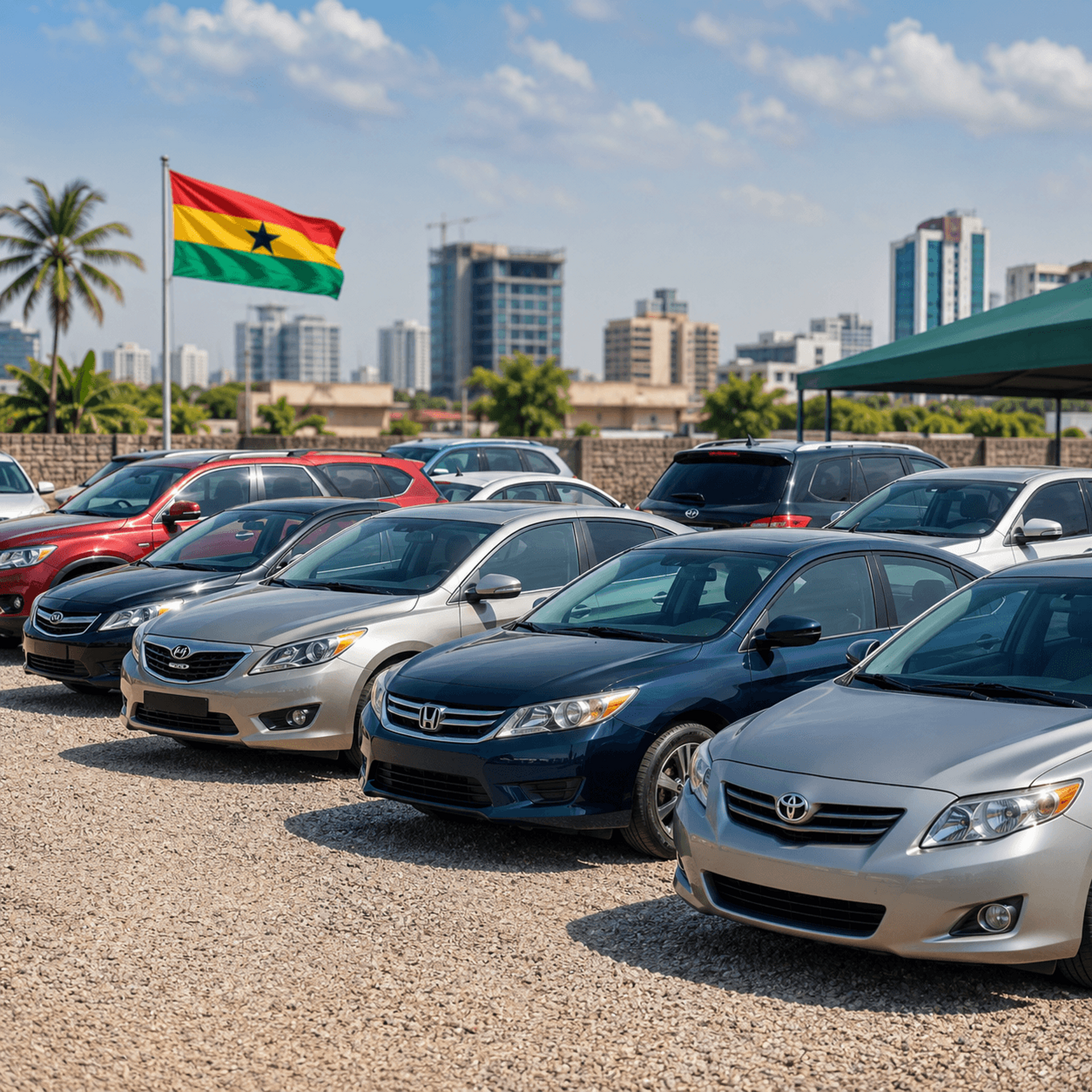
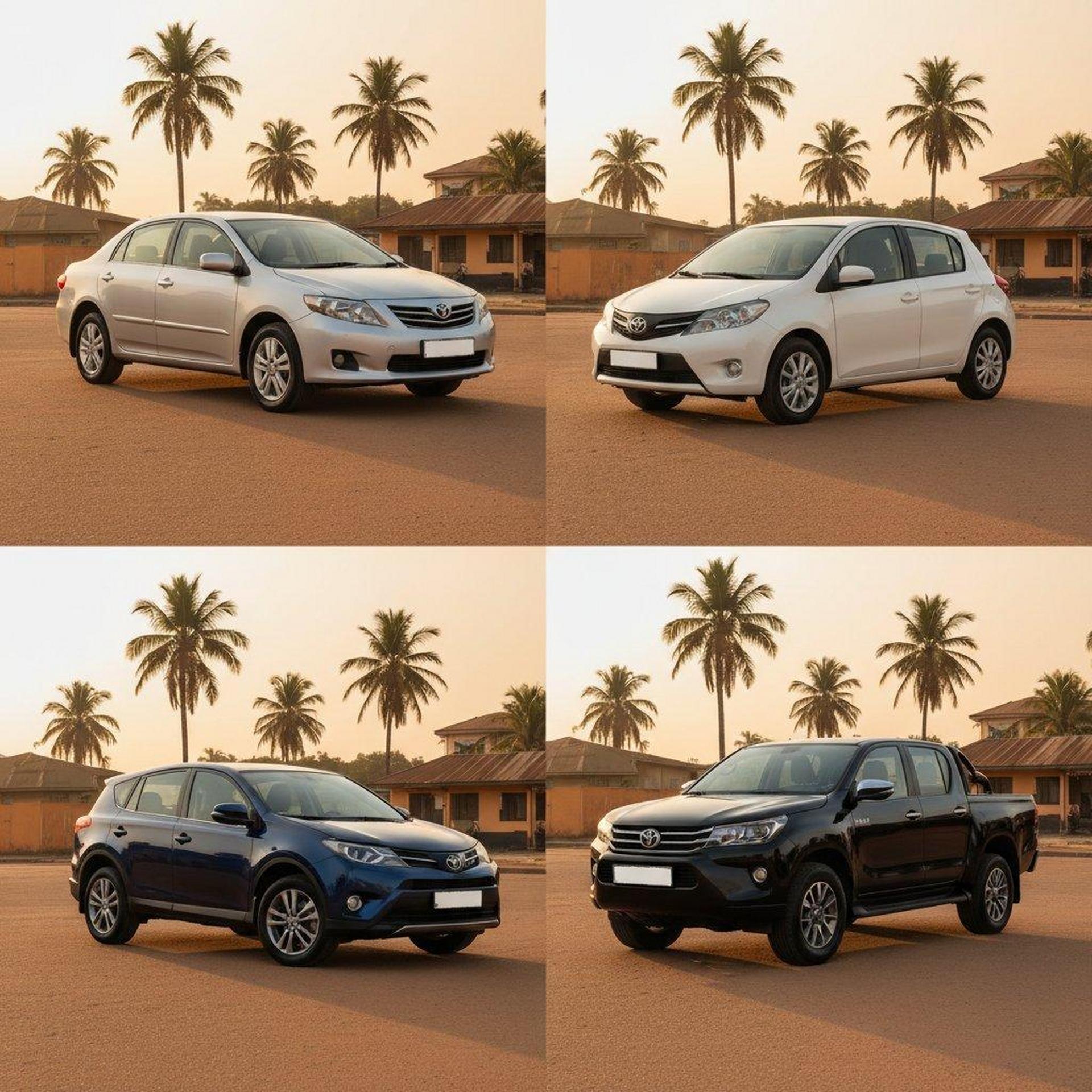
Stay with the Kings of Reliability and Availability. For the first two or three years you own a car, pick brands that are quite popular in your area, such as Toyota Corolla, Toyota Vitz, Toyota RAV4, Honda Civic, Honda Accord, and Hyundai/Kia (Elantra, Accent). Because these cars are so common, any mechanic can fix them. Furthermore, spare parts are easy and cheap to get. Status is temporary, but dependable transportation is precious.
5. Not paying attention to the History (Imported vs. Home-Used)
One of the main questions for first-time buyers is whether to buy a used car fresh from the port or one that has been registered and driven in Ghana for a few years (home-used). A lot of people think that an imported car is automatically superior; however, this misses an important point about how both histories affect the car's current state and your wallet in the long run.
Looking at the Pros and Cons
| Car Type | Key Risk | Inspection Focus |
|---|---|---|
| Fresh Import | Severe structural damage, accident, or flood salvage. | VIN check (online services like CarFax) for history. |
| Home-Used | Worn running gear (suspension, axles, shocks). | Underbody inspection for wear, welding, and constant maintenance traces. |
The most important thing to remember is that a newly imported car often has serious structural damage that is hard to see, while a car that has been used at home often has worn running gear (suspension, shocks) that is expensive but easier to diagnose.
Recommendation
The solution is to find out how much danger and repair you can handle. If you choose Imported, you need to check the VIN history online using services like CarFax or similar services like the Guazi online verified inspection reports to see whether the car has been in an accident or flood before it gets to Tema.
If you choose Home-Used, make sure to check the suspension, axles, and tires before you buy the car. Look for traces of constant welding and maintenance, because our roads quickly wear out these parts.
Summary
To find a good used car in Ghana, you need to be disciplined and suspicious. I paid the price for letting my feelings and need for status decide what I bought. You need to remember the golden rule so you don't make the same mistake again: Believe what you hear, but check it out first. Don't allow your feelings decide the price. Always engage a mechanic to check the car's structural integrity and look for concealed salvage damage, even if the outside looks good. You also need to set aside a contingency fund to handle rapid repairs and the shock of high gasoline costs in heavy traffic. You have to legally check the Customs Duty status through the GRA's ICUMS system and finish the transfer at a DVLA office. Avoid flashy status symbols and stick with well-known reliability kings like Toyota, where components are easy to get and cheap. Your first car will provide you real freedom, not concern about money, if you choose intelligently and double-check every element.


About Us
Follow US


Copyright © 2015~2026 https://ylqc.guazi.com/, Yilanqunche Automobile Services (Shanghai) Co.,Ltd. All rights reserved.