

World Cup Special • Save up to $1000 on selected vehicles

Guazi
GlobalEnglish


Guazi Used Cars Beijing Auto Show Insight: The "Big Three" Luxury Giants vs. The "Big Five" New Forces—Used Car Market Trends Behind the New Car Hype
Article OverviewExplore the China used car market at the Beijing Auto Show. From BBA value to EV trends, Guazi helps you navigate the used car market to maximize your used car market returns.
In April, the Beijing International Automotive Exhibition once again became the epicenter of the global auto industry. While legacy automakers launched revamped lineups, "New Force" brands unveiled innovative strategies, creating successive waves of electrification, intelligence, and luxury upgrades. A major highlight was the head-to-head competition between the "Big Three" luxury giants (Mercedes-Benz, BMW, and Audi) and the "Big Five" New Forces (NIO, XPeng, Li Auto, Leapmotor, and Xiaomi).
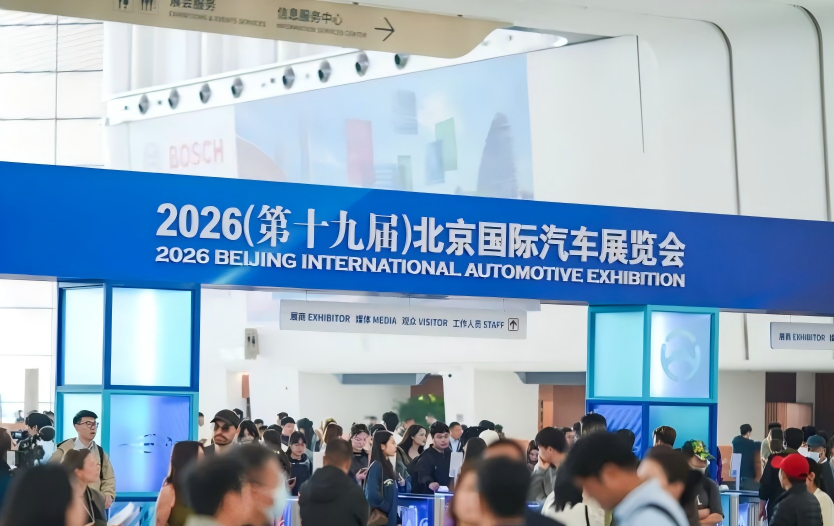
Beyond the new car launches, a more practical question has surfaced: With China’s vehicle ownership exceeding 300 million units and tens of millions of owners looking to trade in annually, what is the residual value of their used cars? The transaction price of a used vehicle directly dictates an owner's willingness to upgrade and is intrinsically linked to new car consumption. Consequently, Guazi Used Cars has analyzed real transaction data from January to April 2026 to reveal the true market conditions of these popular brands beneath the glamour of the Beijing Auto Show.
Source Quality Used Cars From China's #1 Auction Platform
Access 200,000 verified vehicles monthly. Bid in real-time and secure bulk inventory at highly competitive market rates.
BBA ICE Vehicles: Resilient Assets Navigating Market Cycles
Internal Combustion Engine (ICE) vehicles from luxury brands remain the "hard currency" of the used car market. Data from Guazi between January and April 2026 shows that used BBA (Benz, BMW, Audi) ICE transactions are primarily concentrated in pre-2020 models. Supply and demand are most closely aligned in the 5-to-10-year age bracket, revealing a unique value logic.
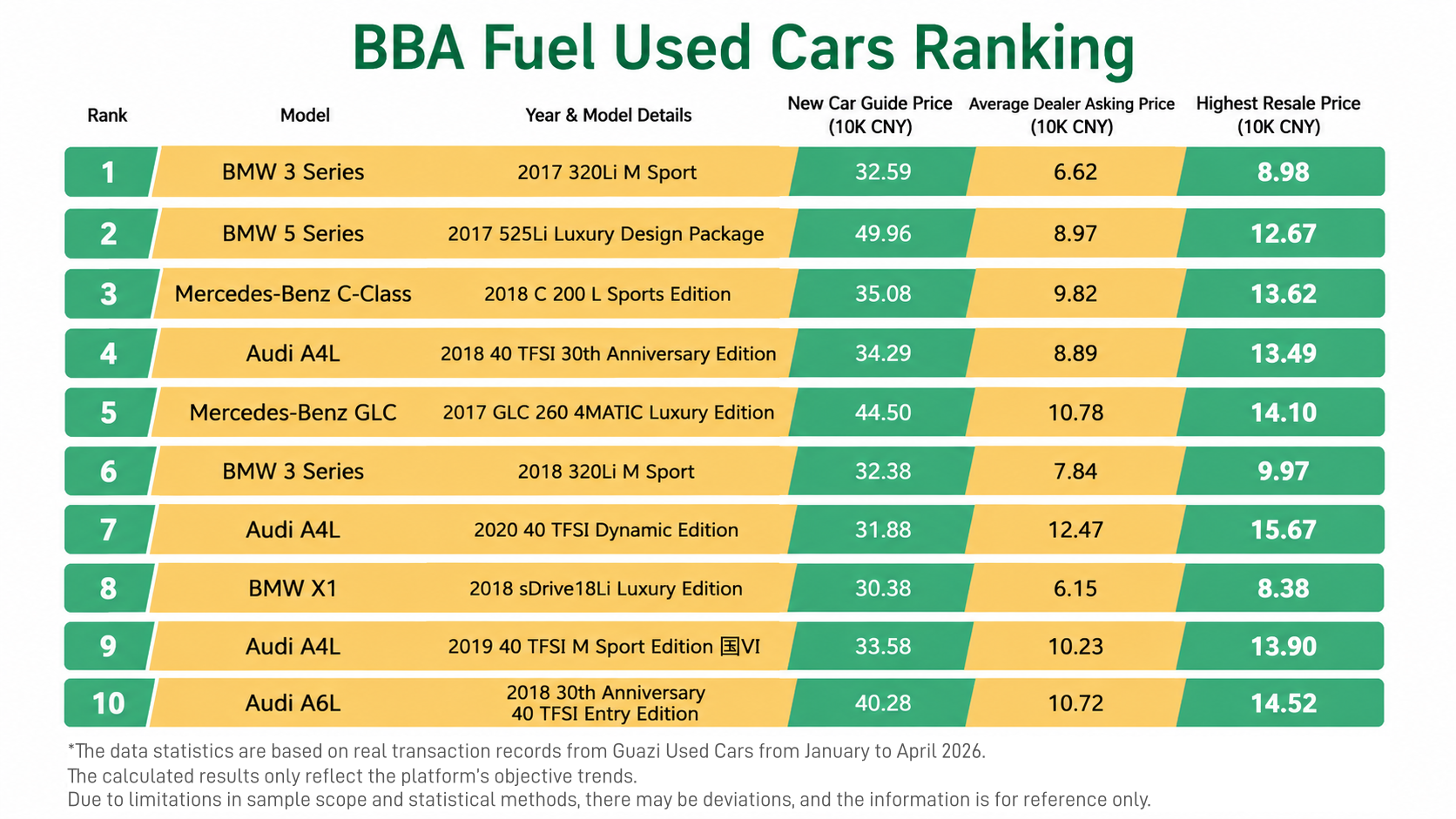
Taking classic models like the Mercedes-Benz C-Class, BMW 3 Series, and Audi A4L as examples, depreciation tends to plateau after five years, with residual values stabilizing around 30% for certain models. For pragmatic buyers, purchasing at this stage offers the best value for money—allowing them to enjoy a premium experience while avoiding the steep initial depreciation of a new vehicle.
Furthermore, compared to economy cars at the same price point, BBA vehicles are often used for city commuting and business receptions, resulting in lower usage intensity and standardized maintenance. This leaves 5-to-10-year-old vehicles in generally excellent condition, further supporting price stability. Notably, while traditional channels often use vehicle age as an excuse to lowball luxury ICE valuations, Guazi’s C2C platform connects sellers directly with individual buyers. By cutting out middleman markups, the platform helps owners secure higher transaction prices in a stable market.
Buy It Now
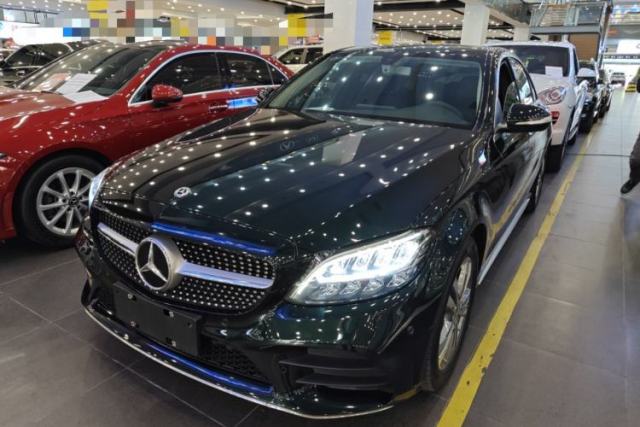
GradeAUsed Mercedes-Benz C-Class 2020 C 200 L Fashion Edition Sport Version Certified DealerCertified Dealer
 Guazi InspectedGuazi Inspected
Certified DealerCertified DealerGuazi InspectedGuazi InspectedFOB Price:$18,520$18,720

Buy It Now
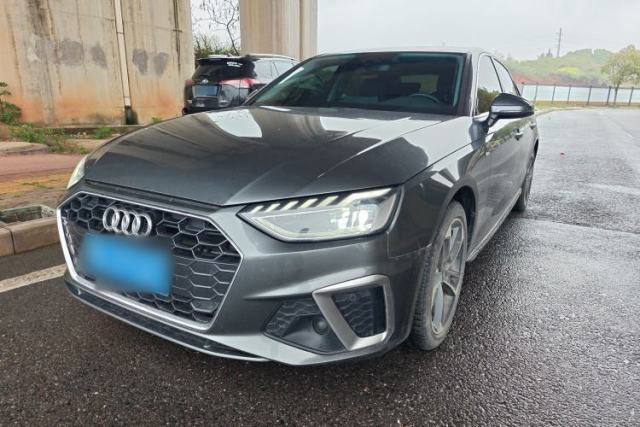
GradeAUsed Audi A4L 2022 40 TFSI Fashion Dynamic ModelCertified DealerCertified DealerGuazi InspectedGuazi Inspected
Certified DealerCertified DealerGuazi InspectedGuazi InspectedFOB Price:$20,681$20,781
BBA EVs: A Value Trough Amidst Transformation
Unlike the stability of their ICE counterparts, BBA’s New Energy Vehicles (NEVs) are undergoing "transformation pains." Guazi’s data indicates that popular used models in this category are mostly post-2020 units, characterized by being "newer in age but lower in price."
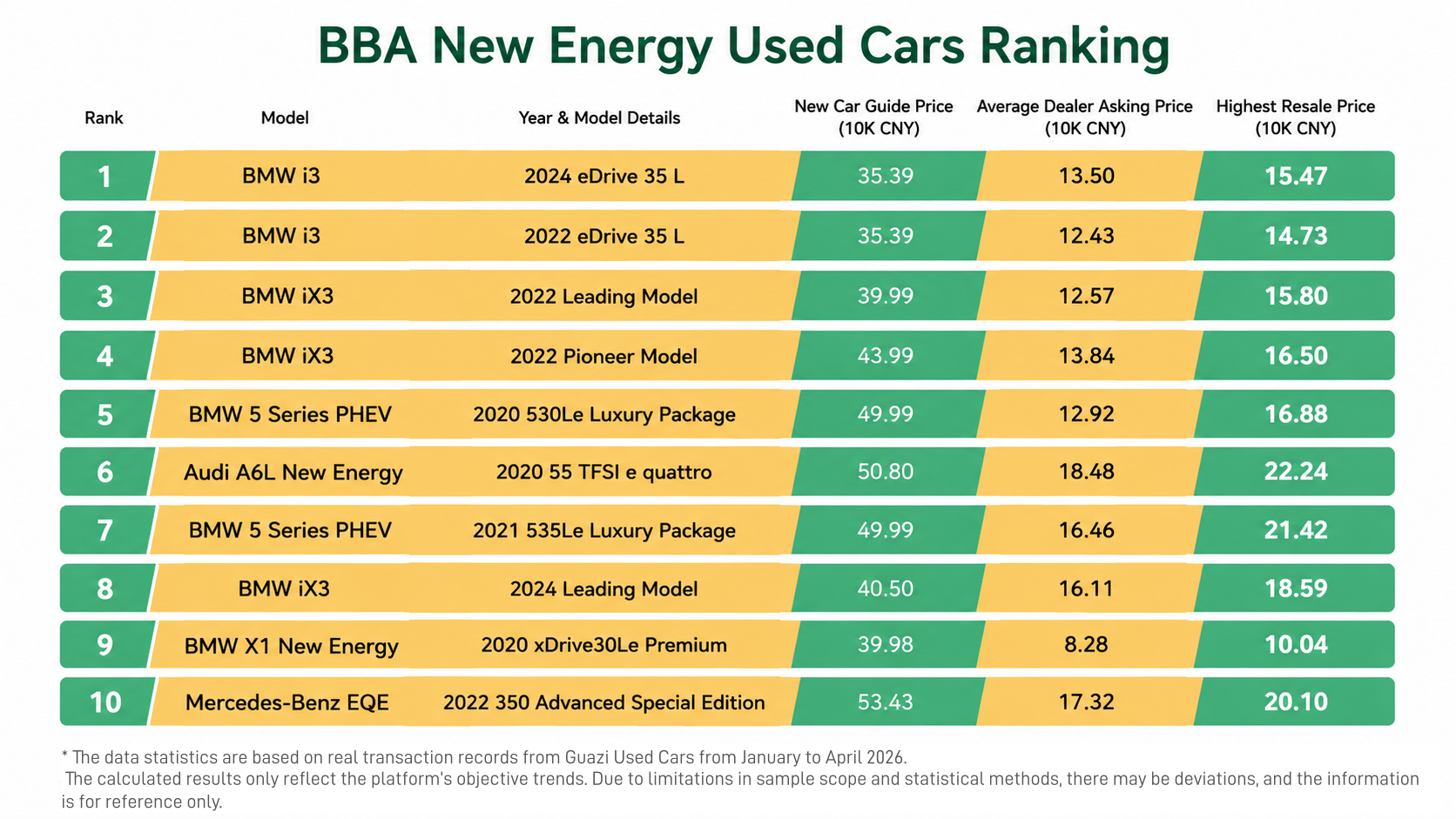
Although models like the Mercedes EQE, BMW i3, and Audi e-tron entered the market early, their design philosophy still bears the heavy imprint of the ICE era, failing to achieve the radical innovation seen in New Force brands.
This "halfway transformation" is amplified in the used car market, negatively impacting resale values. Guazi previously noted in its annual trend report that due to the rapid pace of technological iteration in EVs, trading in within two years allows owners to avoid sharp price drops while continuously benefiting from the latest tech dividends. Current transaction patterns for used BBA EVs validate this logic: owners prefer early turnovers to minimize financial loss.
With overall prices under pressure, the choice of sales channel becomes critical. By utilizing Guazi’s direct-to-individual sales model, owners can avoid the tiered price-gouging of traditional channels and accurately match with buyers who have specific needs, securing better offers in a volatile market.
Buy It Now
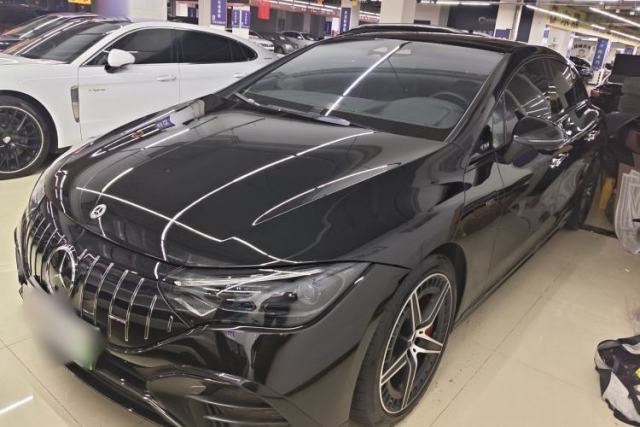
GradeSUsed Mercedes-Benz EQE AMG 2023 AMG EQE 53 4MATIC+Certified DealerCertified DealerGuazi InspectedGuazi Inspected
Certified DealerCertified DealerGuazi InspectedGuazi InspectedOriginal paint
Original paint
FOB Price:$41,996
The "Big Five" New Forces: New Consumption Trends for Tech-Lifestyle Products
Used cars from the New Forces present a completely different market profile. For flagship models like the Xiaomi SU7, Li L9, and NIO ES6, the most active trading occurs within the 2-to-3-year age range, with residual value rates outpacing those of traditional brands. This reflects a collective shift in consumer mindset: cars are evolving from durable goods kept for a decade into tech-lifestyle products that iterate every two or three years.
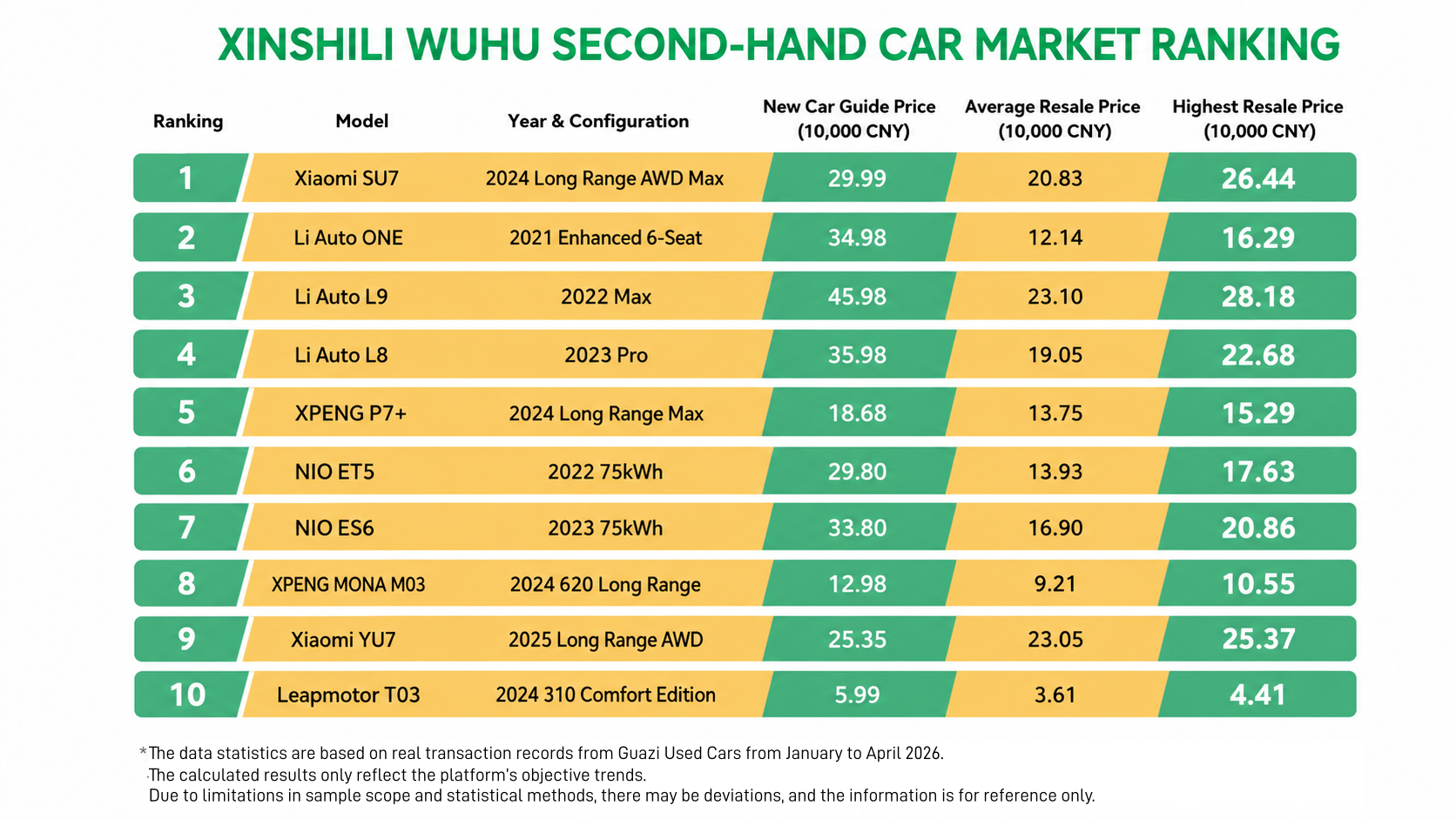
The desire to experience the latest smart features has fueled high liquidity in the used NEV market. The lengthy supply chains of traditional channels are ill-suited for such a fast pace. Conversely, the C2C model—centered on direct connection—mobilizes individual buyers nationwide, helping owners complete transactions more efficiently and at higher prices. According to Guazi’s historical data, selling directly to individuals typically yields a 10% price premium compared to traditional channels.
A healthy automotive ecosystem requires not only a flourishing new car market but also a robust used car sector to act as a lubricant, completing the full lifecycle loop of purchase, usage, and replacement. As the buzz from the Beijing International Auto Show continues, consumers looking at new models or planning a trade-in can use Guazi’s C2C service to gauge market conditions and lock in their returns ahead of time.
Source Quality Used Cars From China's #1 Auction Platform
Access 200,000 verified vehicles monthly. Bid in real-time and secure bulk inventory at highly competitive market rates.



About Us
Follow US


Copyright © 2015~2026 https://en.guazi.com/, Chongqing Guazi Enterprise Consulting Service Co., Ltd. All rights reserved.