China’s Auto Quality Push Moves the Price War Into a Trust Test
China’s industry ministry has urged automakers to resist irrational competition and strengthen safety checks, a signal that quality, disclosure and after-sales trust are becoming central.
China’s Ministry of Industry and Information Technology held a meeting with key automakers on July 17, calling for stronger safety risk checks, better production consistency and a firmer stance against irrational competition. The message came after a period of intense price pressure in the domestic market, where new designs, software functions and rapid model launches have become central to competition.
The ministry said automakers should examine risks in production consistency, reliability, durability and the testing of new technologies. It also told companies to strengthen safety assessments for combined driver-assistance and autonomous-driving functions, improve supply-chain management and avoid exaggerated or false advertising. Reuters also reported the meeting, noting that regulators are preparing closer inspection of production consistency and quality.
Price Competition Is No Longer the Whole Story
China’s auto market has spent the past two years under heavy price pressure. Discounts can help buyers in the short term, but they also create a harder question: when margins tighten and model cycles shorten, can manufacturers keep quality control, testing and after-sales support at the same level? The ministry’s latest message suggests that regulators want the industry to compete on safety and reliability, not only on lower prices.
This matters because the market is moving faster than traditional validation cycles. New-energy platforms, connected functions and assisted-driving systems are being updated quickly. When a company pushes a new design into production, safety assessment has to cover not just the vehicle body and powertrain, but also software behavior, sensor reliability, cybersecurity, data security and over-the-air updates.
The Used-Car Market Feels Quality Signals Early
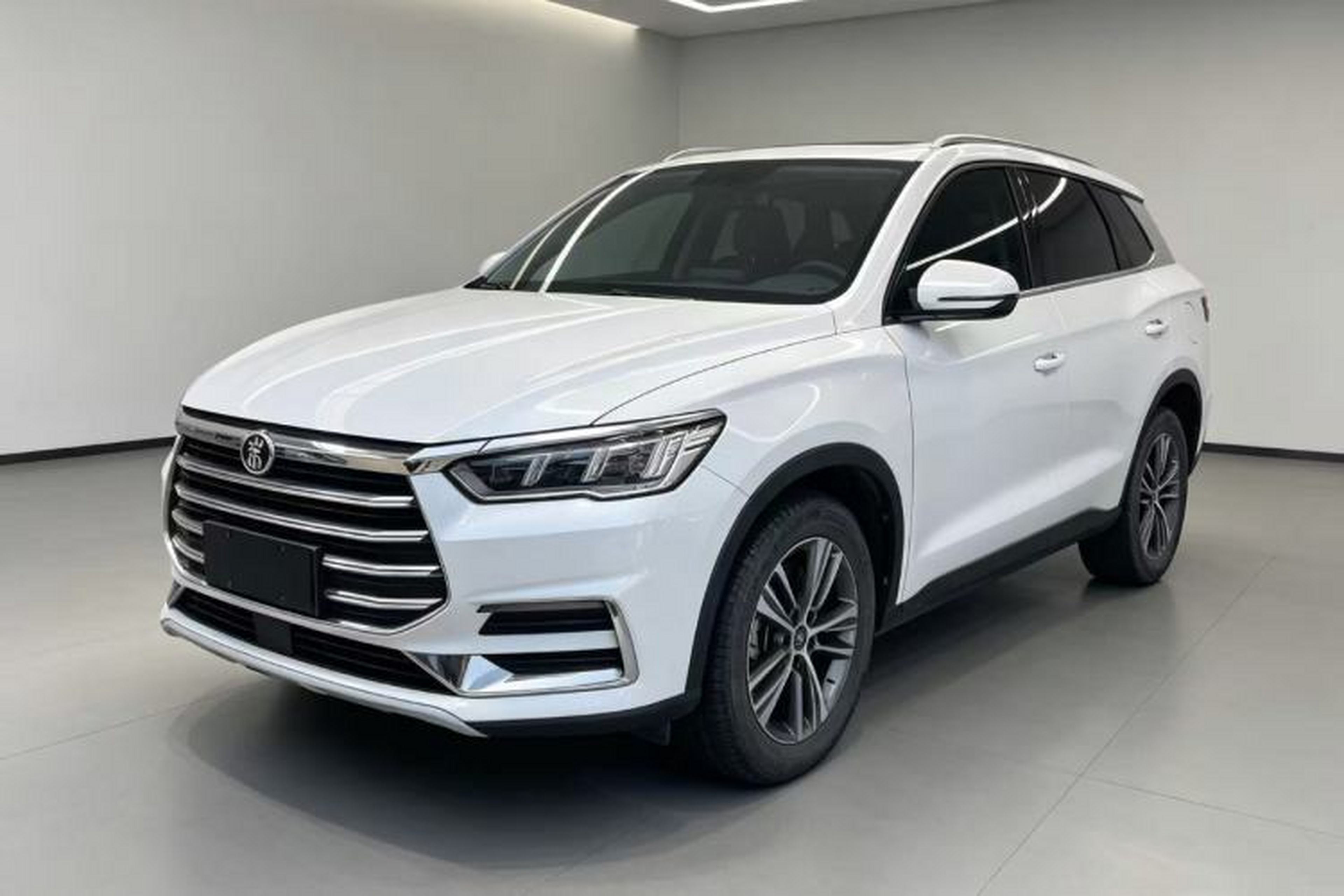
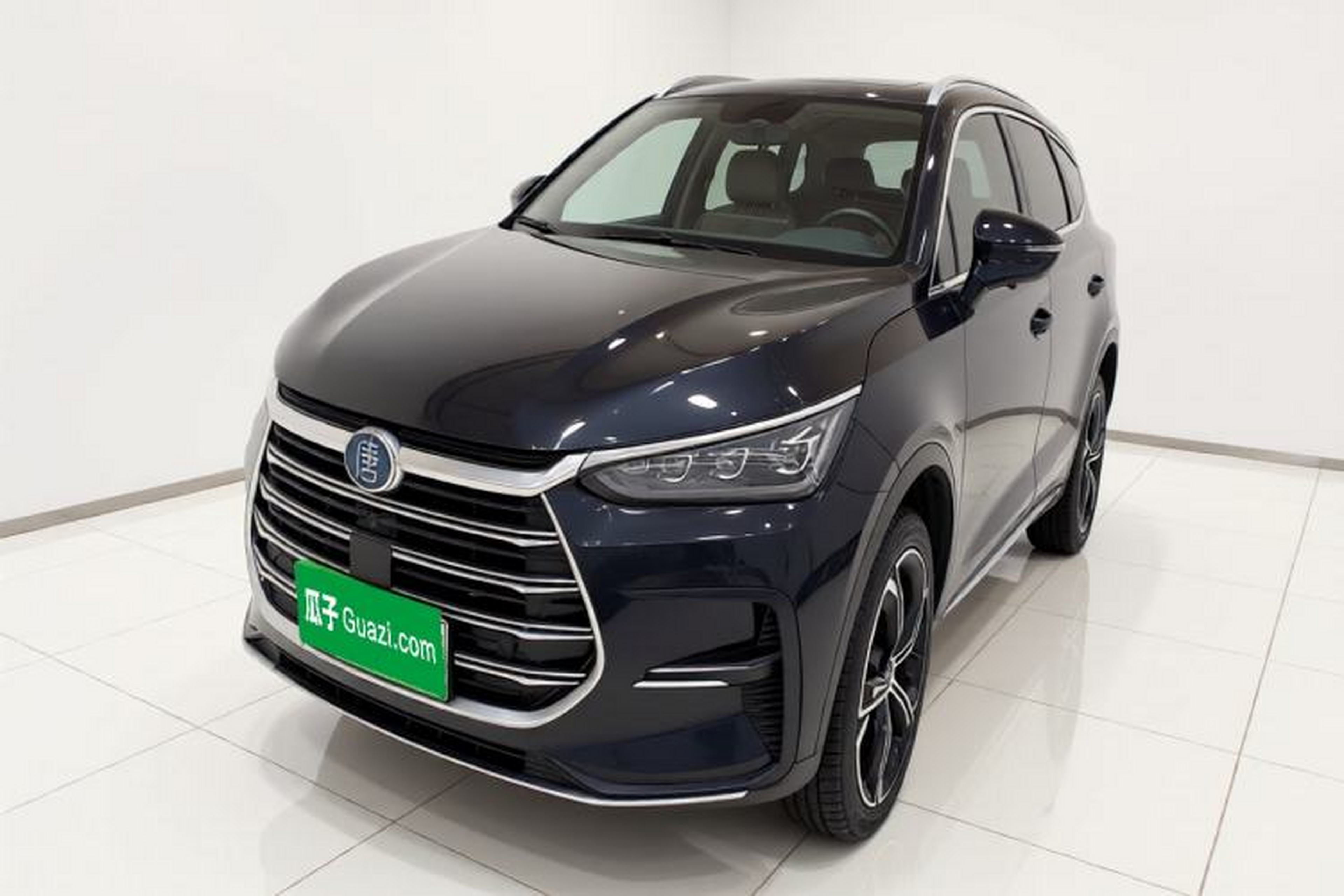
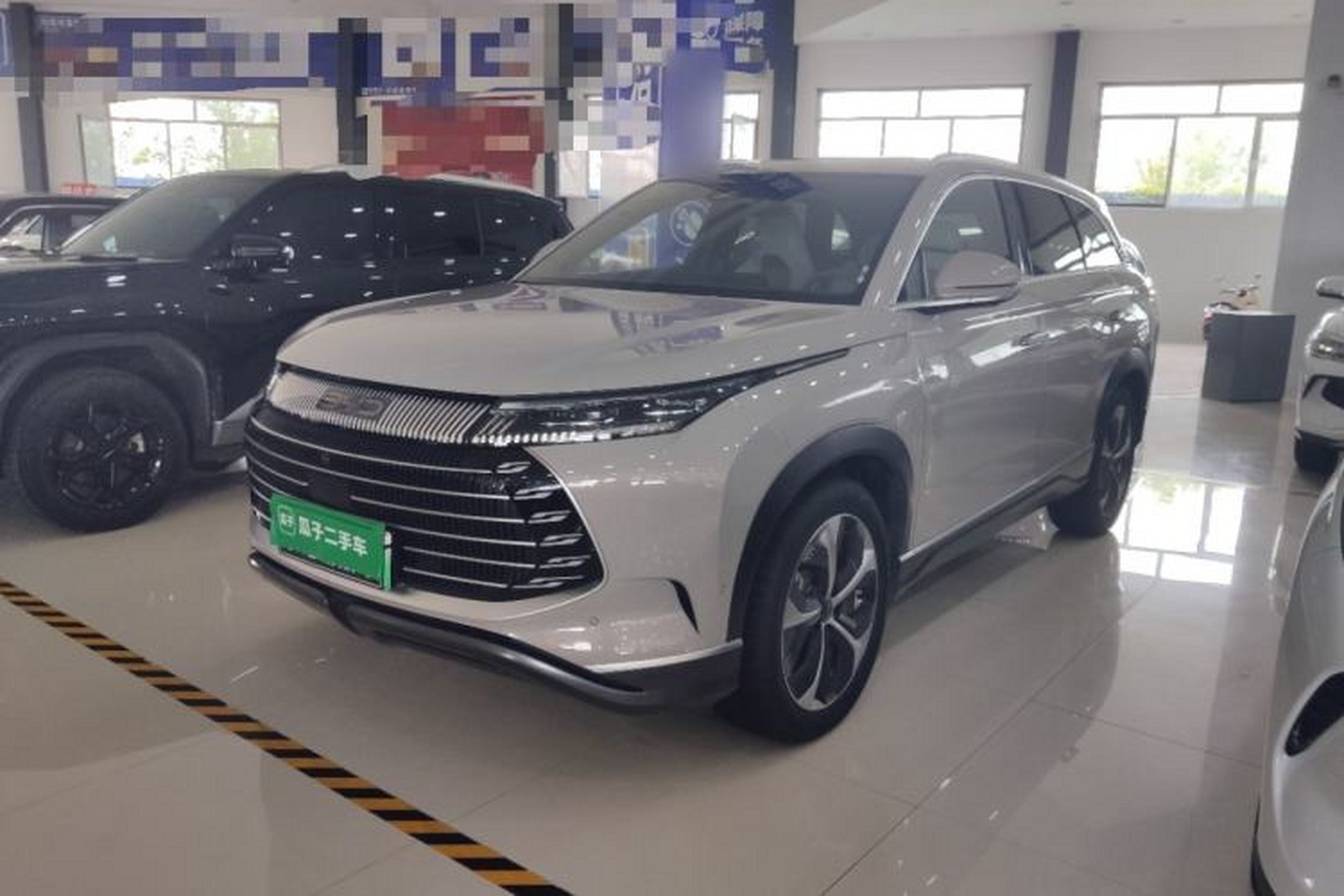
For used-car buyers, manufacturer quality discipline is not an abstract policy issue. It affects how a vehicle ages, how easy it is to inspect and how much confidence a second owner can place in the car. A model that was rushed into market with weak validation may show problems later through inconsistent parts, software faults, battery complaints or unclear repair procedures.
Stronger production-consistency checks can therefore support the second-hand market. They make it easier for inspectors, dealers and buyers to understand whether a used vehicle matches its approved design and whether key systems still perform as intended. Clearer limits on exaggerated advertising can also reduce confusion around intelligent-driving functions, battery claims and safety features.
Trust Becomes a Commercial Asset
The policy signal is also relevant to companies that handle used cars. As vehicles become more technical, trust depends on evidence. Buyers want to see inspection results, service history, accident status, battery condition and whether smart functions are working normally. Platforms that can present those details clearly will have an advantage over sellers who rely mainly on low prices or broad claims.
China’s auto competition is unlikely to become gentle. But the next stage may reward companies that can combine price discipline with transparent quality control. For the used-car market, that is a healthier direction. A cheaper car only remains good value if the buyer can understand its condition and risk.
Put Vehicle Condition First
Browse used cars on en.guazi.com and compare mileage, condition and vehicle details before deciding which deal is truly worth it.