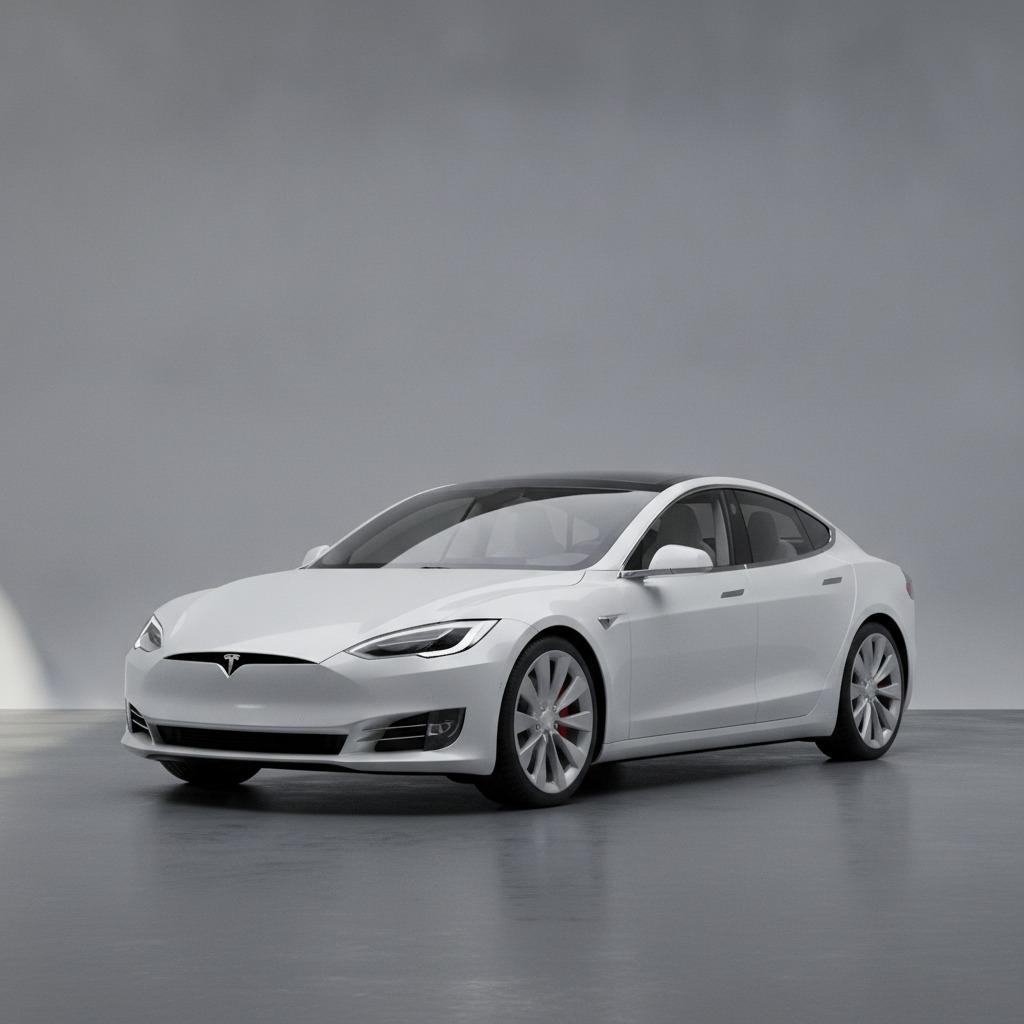
One word just broke out across Germany's search charts: robotaxi. The term jumped roughly +1,000% to a search-volume reading near 10,000 — the single hottest automotive query in the country right now. The spike is not hype for its own sake. Driverless taxis stopped being a demo this month and started becoming a service you can actually hail.
A trend line that steep usually marks a threshold being crossed. This one tracks real deployments. German outlet AD HOC NEWS framed it bluntly — "Robotaxi-Boom: Tesla und Waymo starten Massenmarkt-Offensive" (robotaxi boom: Tesla and Waymo launch a mass-market offensive). When the two biggest names push at once, search interest follows — and the word robotaxi becomes the keyword everyone suddenly types.
The map is filling in fast. Tesla switched on unsupervised robotaxi rides across the entire Austin metro on June 3 — about 245 square miles, its largest expansion yet — though reporting notes the live fleet is still small. Waymo, meanwhile, now clears 500,000 paid rides a week across ten US cities. Europe is next: coverage of an Uber robotaxi push in Madrid and Munich helps explain why the German search spike is so sharp.
Here is the part buyers should sit with. A robotaxi network does not replace car ownership overnight — but it changes the math at the margin, especially for second cars in dense cities. As autonomy scales, expect more used vehicles to cycle into resale channels, and expect value-conscious buyers in emerging markets to keep choosing an affordable, reliable used car over a ride they rent by the minute. The robotaxi headline is about the future; the used-car deal is about right now.
Sources: ad-hoc-news.de,humai,techtimes,simplywall.
Source Quality Used Cars From China's #1 Auction Platform
As autonomy reshapes how the world drives, Guazi keeps moving affordable used cars across borders
About Us
Get Support