


Guazi
GlobalEnglish


Makes
Buy It NowAuctionsUp to 160 psPort StockAll VehiclesPopular Makes


Shop By Type


Popular Models


Shop By Budget

Seven Cars That Actually Earn for Uber Drivers in Accra
Article OverviewBest cars for Uber Ghana 2026: the platform requirements, the top 7 used models for ride-hailing income, fuel economy, costs, and how to buy verified.
Pricing Note: All GHS prices are May 2026 indicative ranges from Tonaton.com / Jiji.com.gh foreign-used listings and Guazi Africa Desk quotes. Fuel-cost and earnings figures are illustrative; confirm against your actual route, fares, and the live BoG USD rate before committing. Currency reference: GHS 12.5 ≈ USD 1; figures written as K thousands. This guide uses "Uber" generically to mean ride-hailing platforms operating in Ghana. Always check the latest platform-specific requirements directly.
For a Ghanaian driver running ride-hailing as a business, the car is the business. The wrong Uber Ghana cars decision burns the daily margin in fuel, parts, and downtime. The right one earns steadily for years. This guide picks the cars that work for Accra, Kumasi, and Tema ride-hailing income, matched to the Uber Ghana car requirements, the city fuel economy you see on the road, and the 5-year ownership cost that decides whether driving pays.
It is written for the driver weighing a first car for ride-hailing, the part-time driver upgrading, and the small fleet owner choosing units that will not eat their fees. Best cars for Uber Ghana 2026 is a short list, and the reasoning behind the list matters more than the list itself.
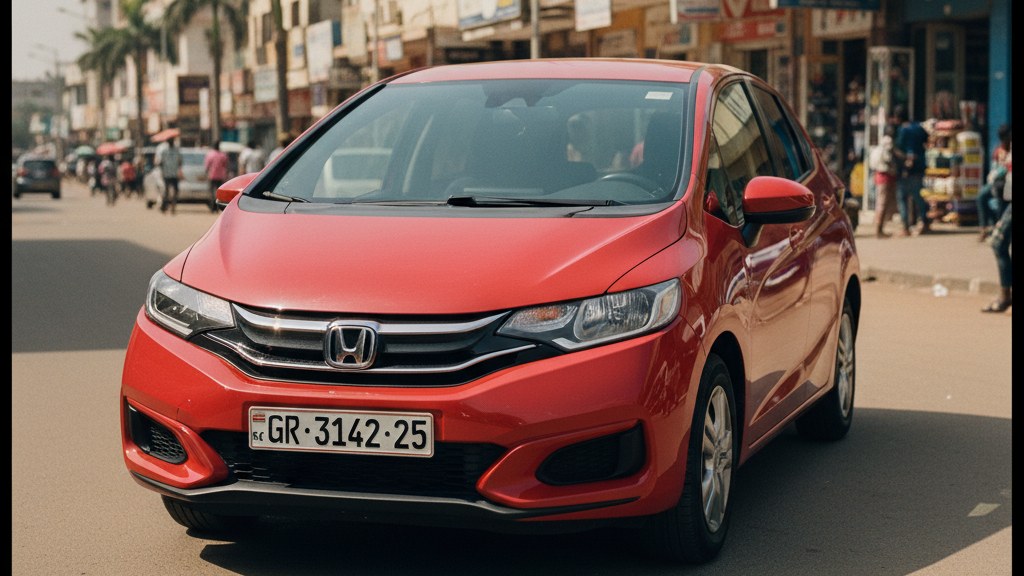
What Ghana's Platforms Will Approve
Ride-hailing platforms operating in Ghana share a similar baseline. Confirm the current platform-specific rules directly, but the typical Uber Ghana car requirements look like:
- Age: generally newer than the Ghana import 10-year cap; many platforms prefer vehicles within 8-10 years of manufacture.
- Doors: 4-door sedans, hatchbacks or SUVs. Two-door coupes are typically excluded.
- Condition: good cosmetic and mechanical condition, clean interior, working air-conditioning.
- Documents: DVLA registration, valid roadworthiness certificate, comprehensive or commercial insurance covering ride-hailing use.
- Driver: valid driver's licence and a platform-issued driver account.
The car itself is only part of the requirement. The documents are the part most owners forget until the platform asks for them. Set them up before, not after.
Four Factors That Decide if a Car Earns
The platform requirements are the floor, not the choice. A car that passes requirements may still lose money daily. The four factors that decide which Uber Ghana cars earn for the driver:
- Real-world fuel economy: fuel is the largest controllable cost; a 14 km/L car earns roughly twice the per-fare net of an 8 km/L one.
- Parts availability and cost: a car whose service items sit on every Abossey Okai shelf has predictable downtime; a rare model does not.
- Cabin comfort: passenger comfort drives rating and repeat fares; rough cars get bad reviews.
- Resale value: when you exit ride-hailing, the right car still has a price.
The cars below score well on all four. None is a coincidence on this list.
The Seven Cars Worth Putting on the Platform
Ranked by 5-year ride-hailing economics: fuel, parts, comfort, and resale.
| No. | Car | Year band | Price (GHS) | Why it works |
|---|---|---|---|---|
| 1 | Toyota Corolla | 2018-2021 | 80K-130K | Lowest running cost, best resale, parts everywhere |
| 2 | Honda Fit | 2016-2019 | 55K-80K | Cheapest entry, ~16-18 km/L, small but easy in traffic |
| 3 | Hyundai Elantra | 2017-2020 | 75K-115K | Lower entry than Corolla; good comfort |
| 4 | Toyota Yaris / Vitz | 2015-2019 | 50K-75K | The budget option that keeps running |
| 5 | Hyundai Accent | 2017-2020 | 65K-95K | Cheap sedan, reasonable economy |
| 6 | Kia Picanto | 2017-2020 | 45K-70K | Cheapest reliable hatchback; weekend / second-driver option |
| 7 | Toyota Camry | 2017-2020 | 100K-160K | Higher entry; suits Premium / executive ride-hailing tiers |
The Toyota Corolla and Honda Fit are the two most-recommended cars on Ghanaian ride-hailing forums, for the same reason: they print money slowly and reliably. Higher up the list (Camry) targets premium fares; lower (Picanto) is the lowest-capital entry into the business.
1. Toyota Corolla: the volume pick
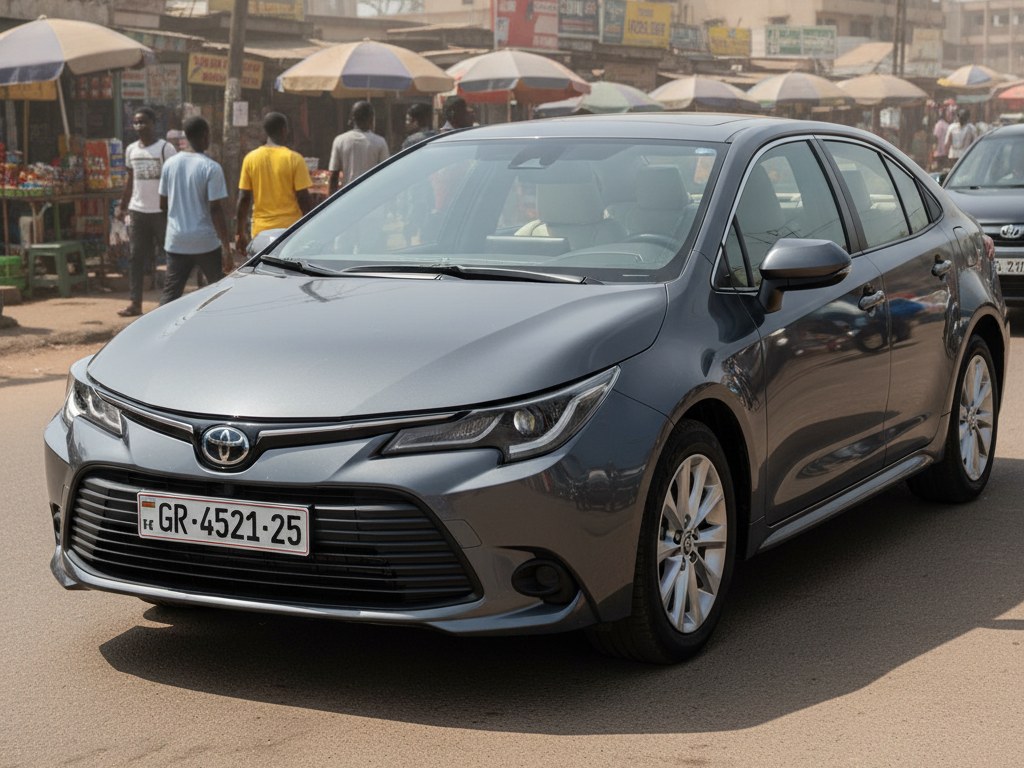
The Corolla wins on the line that matters most for ride-hailing: 5-year cost per kilometer. The engine is the 1.8-liter 2ZR-FE rated 169 hp, paired with a CVT, returning a predictable 13-15 km/L in mixed Accra traffic. Parts sit on every Abossey Okai shelf, and the resale price holds firm when you exit the platform.
2. Honda Fit: the lowest-cost entry
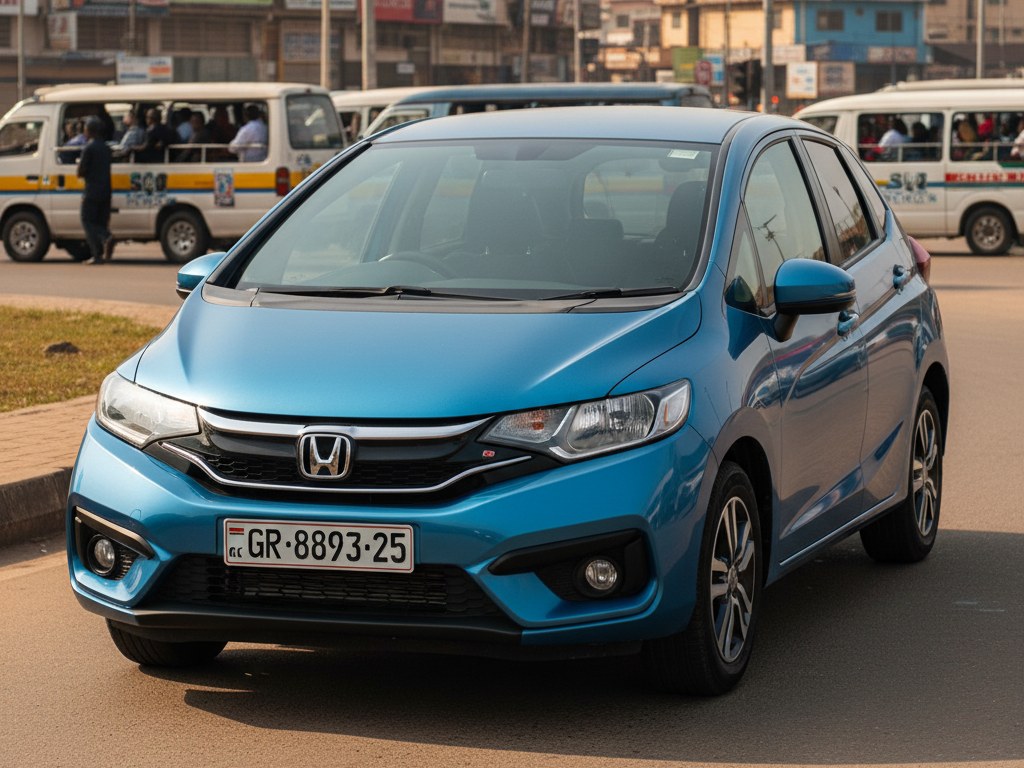
The Fit returns 16-18 km/L (better than anything else on this list) from the 1.5-liter L15B engine, 119 hp through a CVT. It slips through Accra traffic where a Corolla queues. The smaller cabin trades space for fuel and entry price, both of which matter for a first-car driver.
3. Hyundai Elantra: comfort at a lower entry
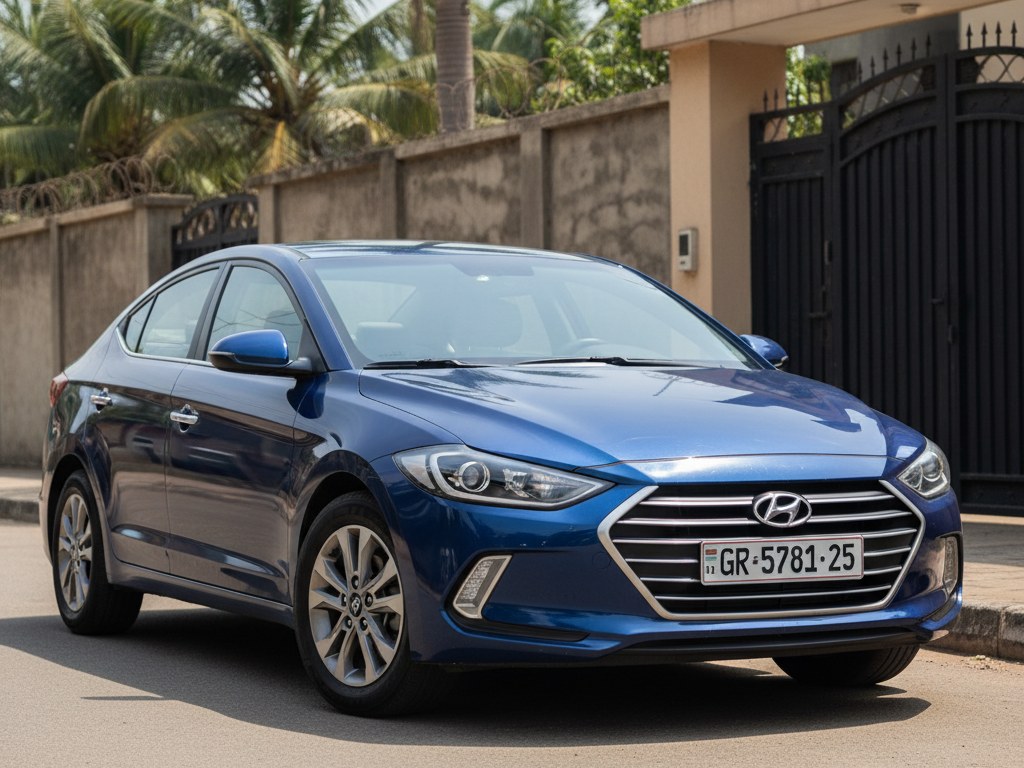
The Elantra costs less to buy than a Corolla and rides more comfortably than a Yaris. A useful middle ground for drivers who run long evening shifts and want passenger ratings to stay high. The 2.0-liter Nu MPI engine delivers 147 hp through Hyundai's IVT continuously variable gearbox. Parts and labor cost a step more than Toyota but remain well-supported in Accra.
4. Toyota Yaris / Vitz: the budget hatch that keeps running
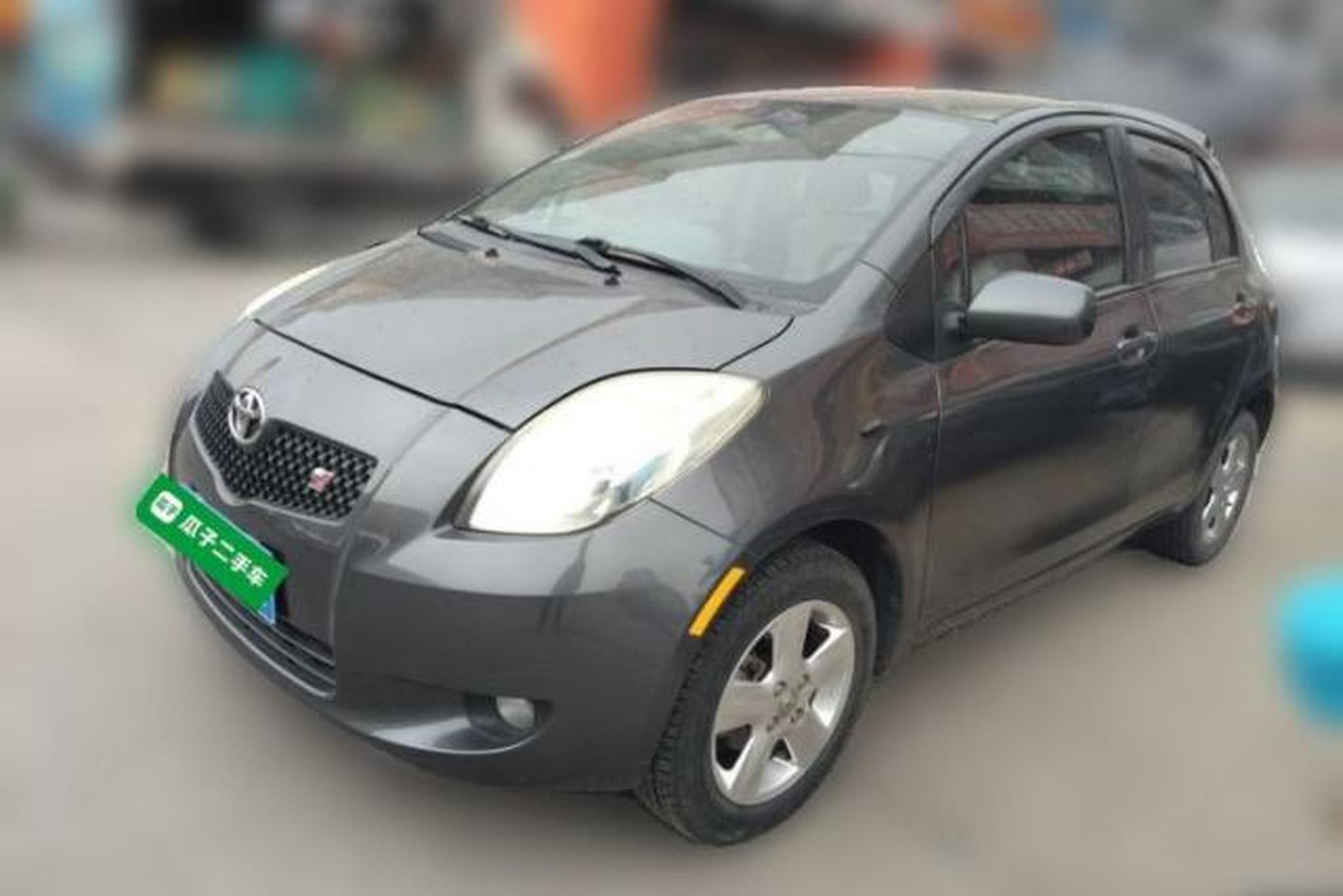
The Yaris / Vitz is the cheapest Toyota that still benefits from the brand's parts network. The 1.5-liter 2NR-FE makes 105 hp through a CVT, returning 14-16 km/L in city driving. Small turning circle for tight Accra streets, and the same uneventful service intervals the Corolla is famous for.
5. Hyundai Accent: the cheap sedan option
If passengers prefer a sedan over a hatch and the budget will not stretch to Corolla money, the Accent is the answer. The 1.6-liter Gamma MPI engine puts out 121 hp through a 6-speed automatic. Fuel economy of 13-14 km/L is honest rather than headline-grabbing, and the entry price keeps the loan payment lean.
6. Kia Picanto: the lowest-capital entry
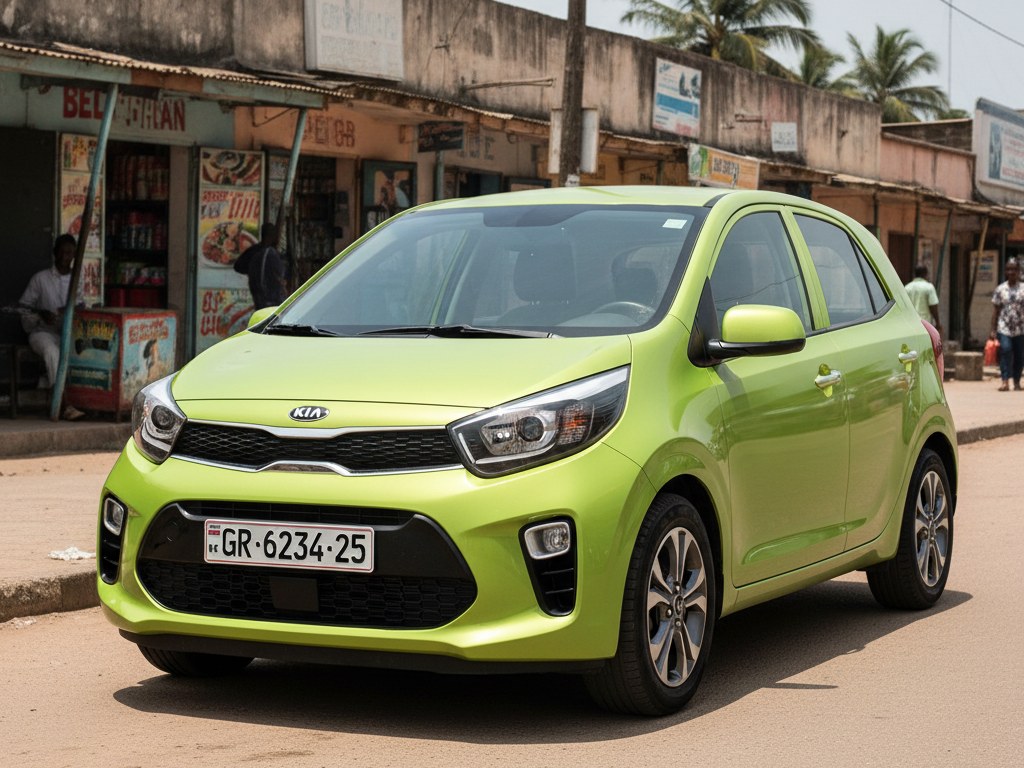
The Picanto is the entry ticket. Smallest cabin, smallest engine, smallest purchase price. The 1.2-liter Kappa engine produces 84 hp through a 5-speed manual or 4-speed auto. It's best used as a weekend / second-driver unit or a starter car while you save toward the Corolla. Not a long-shift workhorse, but the math works for shorter runs.
7. Toyota Camry: the premium-tier option
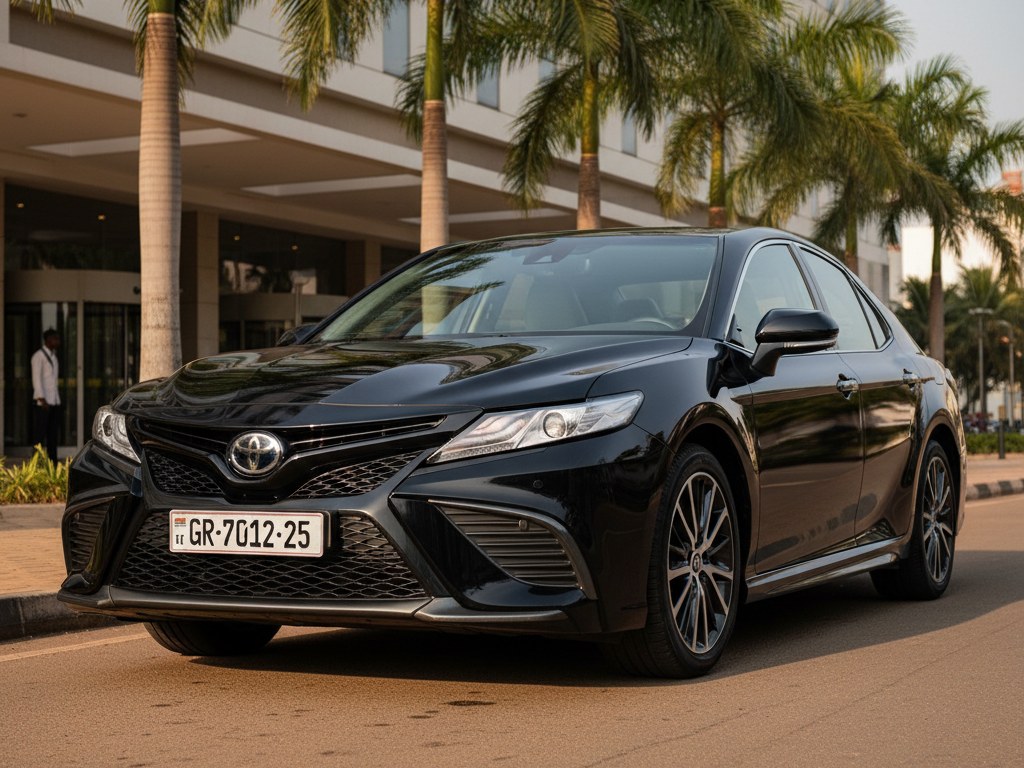
The Camry only makes sense when fares are higher: Premium/executive tiers, airport runs, longer corporate trips. The 2.5-liter A25A-FKS engine pulls 203 hp through an 8-speed automatic. Fuel economy of 10-12 km/L hurts at the pump, but a premium fare structure can pay for it. Skip it for standard ride-hailing economics.
Real Accra km/L by Model, and What It Means for Daily Take-Home
Fuel is the highest controllable cost for any Uber Ghana car driver. Real-world Ghana km/L for the top 7:
| Car | Real km/L (mixed Accra) |
|---|---|
| Honda Fit | 16-18 |
| Toyota Corolla | 13-15 |
| Hyundai Accent | 13-14 |
| Toyota Yaris / Vitz | 14-16 |
| Hyundai Elantra | 12-14 |
| Kia Picanto | 14-16 |
| Toyota Camry | 10-12 |
The economics: at typical Accra petrol prices around GHS 14 per liter, a driver covering 200 km a day in a 14 km/L Corolla burns roughly 60% the fuel of an 8 km/L SUV doing the same distance. Across a working year, that gap is the difference between a profitable ride-hailing business and a treadmill.
Five Years on the Platform: Where the Money Goes
Ride-hailing wears a car faster than personal use, typically 50,000-80,000 km/year. Indicative 5-year operating cost for the volume pick (Corolla, ~60,000 km/yr):
| Item (5 years, ~60,000 km/yr) | Indicative range |
|---|---|
| Petrol (~14 km/L mixed) | GHS 280K-360K |
| Insurance (comprehensive/commercial) | GHS 45K-75K |
| Routine service + brakes + tyres + filters | GHS 35K-55K |
| Likely unscheduled repairs (high-cycle wear) | GHS 25K-50K |
| Platform commission (separate from ownership cost) | varies by platform |
| 5-year operating total (excl. platform fee) | GHS 385K-540K |
Compared with personal driving, the dominant cost is fuel, which is why the fuel-economy table above translates directly into 5-year profit. A car that uses 30% less fuel saves roughly 30% on the largest line in this table.
Mistakes That Quietly Erase the Margin
- Buying the cheapest car: the cheapest car often eats its savings in fuel and downtime. Cost per km matters more than the sticker.
- Skipping commercial insurance: personal insurance may not cover a ride-hailing claim. Match the policy to the use.
- Ignoring the air-conditioning: a broken or weak A/C in Accra heat sinks your rating, your tips, and the daily margin.
- Putting off service intervals: at 60,000 km/year, a missed major service is two months of regular wear in one.
- Buying a vehicle near the age cap: it can hit the platform's age limit while you still owe on it.
Before You Hand Over the Cedis: The Pre-Purchase Checklist
Ride-hailing economics make the buying process more important, not less. Before you commit:
- Verify the VIN and run a history check; ride-hailing buyers cannot afford a write-off.
- Insist on an inspection report: mechanical, structural, and verified mileage.
- Confirm the car is left-hand drive (Ghana mandate) and within the platform's age window.
- Set up commercial insurance before the first fare.
- Plan service intervals at a higher km/year. Book them; do not skip them.
A verified channel, such as a 200+ point inspection through Guazi, collapses several of these into one and removes the catastrophic-loss tail that an unverified purchase carries for a driver whose income depends on that single car.
Buying your first ride-hailing car?
Talk to the Guazi Africa desk for a verified-stock shortlist matched to platform requirements
Final Recommendation by Budget
- Under GHS 80K: Honda Fit or Toyota Yaris / Vitz: lowest entry, best km/L, easiest to keep running.
- GHS 80K-130K: Toyota Corolla: the default winner; lowest cost per km over 5 years.
- GHS 130K+: Toyota Camry: premium-tier ride-hailing when fares are higher and comfort matters.
Whichever you pick, get the inspection done, set up the right insurance, and treat service intervals as fixed business costs, not optional.
Key Takeaways
The right Uber Ghana cars decision is decided by fuel economy, parts, comfort, and resale, not by sticker price. The volume pick is the Toyota Corolla at 13-15 km/L with the best resale and parts on every corner, while the Honda Fit at GHS 55K-80K and ~16-18 km/L is the lowest-entry alternative with exceptional ride-hailing economics. Whichever car you choose, run commercial-appropriate insurance and verify VIN / inspection before buying. The dominant cost is fuel, and a 30% better economy translates directly into ~30% off the largest line on your 5-year ownership sheet.
Sources & References
- Used car listings and Ghana ride-hailing context: Tonaton — used cars · Jiji Ghana — cars.
- Vehicle reliability and model references: Toyota Corolla (Wikipedia) · Honda Fit (Wikipedia).
- Ghana vehicle import rules (age cap, LHD mandate): WC Shipping Ghana Import Guide.
- Guazi facts (35,000+ annual exports, 8,000+ into Africa, 200+ point inspection, 100% individual-owner sourcing): Guazi About.







About Us
Get Support
Follow Us


Copyright © 2015~2026 https://en.guazi.com/, Chongqing Guazi Enterprise Consulting Service Co., Ltd. All rights reserved.