


Guazi
Find Cars
Buy It NowAuctionsFeatured Inventory
Popular Makes


Body Type


Browse by Budget

Buying Help
Buying Guides
Help & Policies
Partner with Us
About Us
Company
Contact & Community
Follow Us
Resources
A Honda Vezel for Kyrgyzstan Needs Two Checks Before Everything Else
Author
Bosco
Categories
Ownership and Maintenance
Published on
2026-10-13
Updated on
2026-11-04
Article OverviewEvaluate a used Honda Vezel in Kyrgyzstan by steering-side legality, hybrid generation, DCT or e:HEV condition, battery evidence and winter use.
- Short Answer
- The purchase starts at the registration desk, not the battery screen
- The Vezel name hides two different hybrid stories
- Battery health is not one percentage
- Pros and compromises for Kyrgyzstan
- A winter and mountain day exposes the real fit
- What Guazi can provide before local verification
- Final buying tip
Data Note
Vezel generations use different hybrid systems, and many Japanese-market cars are right-hand drive. Import and registration acceptance can change. Confirm steering-side eligibility, VIN specification, battery and transmission evidence, and current local requirements before purchase.
A Honda Vezel can suit Kyrgyzstan well as a compact, efficient crossover, but buyers should not begin with colour, trim or even price. First confirm that the steering configuration can be imported and registered for the intended use. Then identify the hybrid generation, because the first-generation i-DCD model and newer e:HEV do not share the same transmission or diagnostic priorities. A generic “hybrid battery good” message is not evidence for either. Winter, mountain gradients and limited specialist access make the inspection more important, not less. This guide turns the purchase into a sequence: legality, identity, powertrain health, winter preparation and total support before viewing any listing. If any early gate fails, there is no reason to keep negotiating.
Short Answer
- Confirm current Kyrgyz import and registration acceptance for the steering side before paying.
- Separate first-generation i-DCD hybrids from newer e:HEV cars; their checks are different.
- Require battery data, a full diagnostic scan and a cold-to-warm drive.
- Choose AWD only with evidence of proper rear-system maintenance and four matched tyres.
The purchase starts at the registration desk, not the battery screen
Many Vezels in the used market began life in Japan and may be right-hand drive. Before comparing trim, colour or fuel economy, confirm that the exact steering configuration and VIN can be imported and registered for the intended use in Kyrgyzstan. Get that answer from the current authority or a qualified local representative in writing. A healthy hybrid that cannot be registered is not a bargain.
The Vezel name hides two different hybrid stories
| Used-car family | Basic system | What changes for the buyer |
|---|---|---|
| First-generation Hybrid | 1.5-litre engine, motor and seven-speed i-DCD dual-clutch system | Clutch behaviour, transmission history and hybrid warnings need close attention |
| Newer e:HEV | 1.5-litre engine with Honda's two-motor hybrid approach | Battery, inverter, cooling and system diagnostics remain important, but the architecture differs |
Honda's archived Vezel specification list documents first-generation i-DCD and petrol variants. The current Vezel type comparison reflects the newer e:HEV range. These sources are useful together precisely because they show why “Vezel hybrid” is not a complete vehicle identity.
Battery health is not one percentage
A dashboard state-of-charge display shows the battery's current charge, not its long-term health. A credible hybrid inspection combines several forms of evidence.
| Evidence | What it can reveal | Weak substitute to reject |
|---|---|---|
| Full-system diagnostic scan | Stored and pending faults across hybrid modules | No warning light today |
| Battery block or cell data | Imbalance and abnormal variation | One unexplained health percentage |
| Temperature readings | Cooling or sensor concerns | A short idle test |
| Road test under charge and assist | Whether energy flow behaves consistently | Revving the engine while parked |
| Service and repair records | Past transmission, battery or inverter work | Seller recollection without invoices |
On an early i-DCD car, add cold and warm checks for creeping, reverse, incline starts and repeated low-speed shifts. Shudder, delayed engagement, transmission warnings or inconsistent movement require specialist diagnosis before price negotiation.
Pros and compromises for Kyrgyzstan
| Pros | Compromises |
|---|---|
| Compact size for Bishkek and useful crossover cabin | Many imports require careful steering and registration checks |
| Potentially low fuel use in suitable urban driving | Two hybrid generations need different inspection knowledge |
| Available AWD on some versions | AWD does not replace winter tyres or create off-road clearance |
| Strong everyday practicality | Specialist diagnostics and parts support may vary by city |
A winter and mountain day exposes the real fit
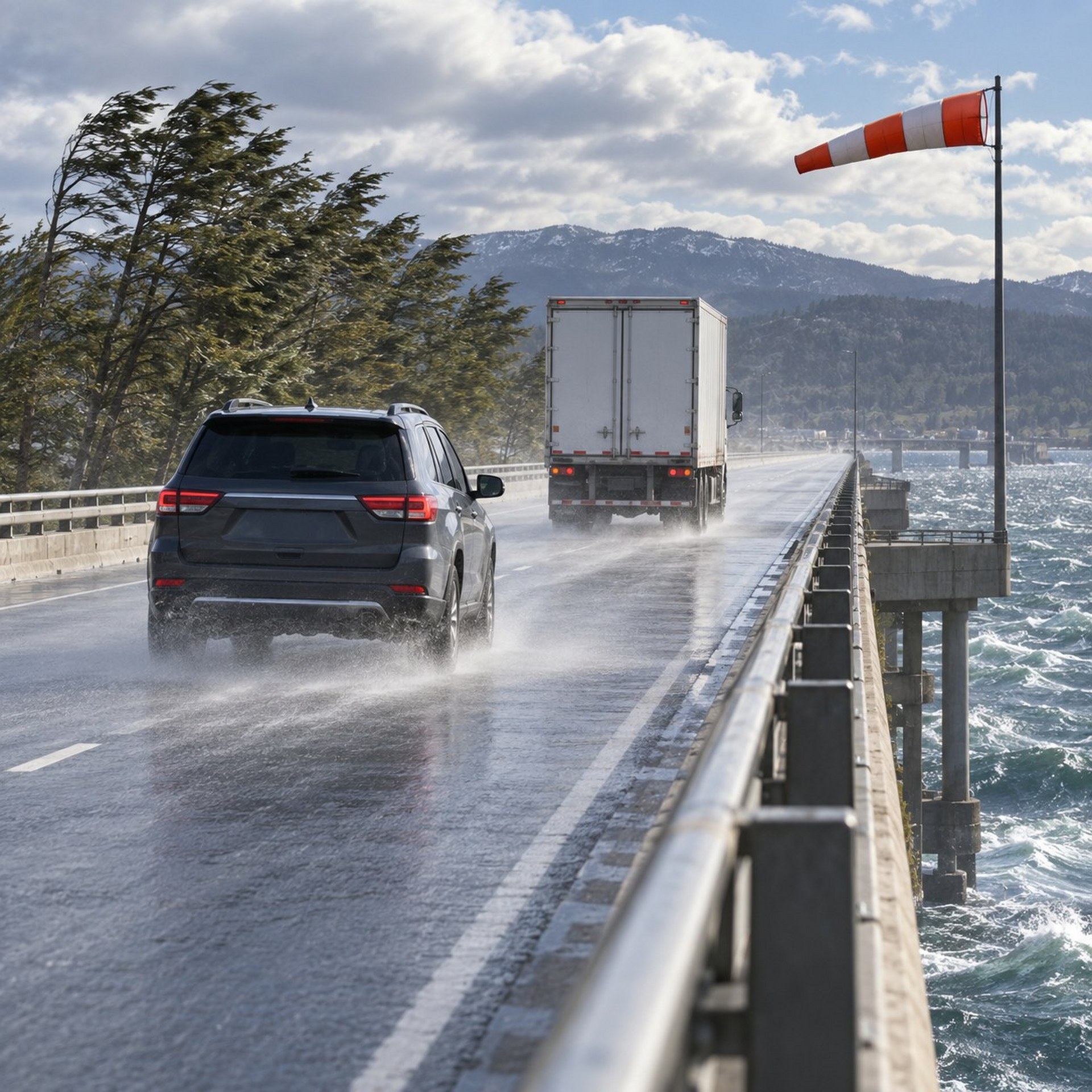
Start cold and check the 12-volt battery, heater, demisting and hybrid warnings. Drive through slow traffic, then a sustained climb if a safe route is available. Watch whether engine speed, battery assistance and temperature remain consistent. On the descent, confirm that braking feels predictable as regeneration and friction brakes work together. Finish with a warm restart and another scan.
Four matching winter tyres, correct coolant protection and a healthy 12-volt battery matter more than marketing language. AWD can help the car move on a slippery incline; it does not improve tyre grip during braking.
Red-flag callout: Stop when registration is uncertain, the generation cannot be identified, hybrid or transmission warnings are dismissed, diagnostic access is refused, or mileage conflicts with service and wear evidence.
VEHICLE & CONTACT INFORMATION
What Guazi can provide before local verification
All cars listed on the Guazi platform undergo over 200 professional inspections. For a Vezel, ask for VIN and steering-position evidence, structural and paint findings, diagnostic results, transmission behaviour, mileage support and the exact equipment list. Browse Honda inventory on Guazi before confirming local legality and specialist support in Kyrgyzstan.
Final buying tip
Use a strict order: legality, exact generation, system health, winter readiness, support, then price. A car that fails an early step should not be rescued by a low fuel estimate or attractive equipment.



FAQs
Q
A
Confirm current import and registration acceptance for the exact steering configuration and VIN. Many Vezels are Japanese right-hand-drive cars, so do not assume eligibility.
Q
A
No. First-generation hybrids use Honda's i-DCD system with a seven-speed DCT, while newer e:HEV cars use a different two-motor hybrid architecture.
Q
A
Use a full diagnostic scan with battery state and cell data where available, review warning history and test charging and assistance from cold through operating temperature.
Q
A
Only when routes justify it. AWD helps traction, but matched winter tyres, ground-clearance judgment and rear-system maintenance remain essential.
Q
A
Uncertain registration, hidden steering conversion, hybrid or transmission warnings, serious battery imbalance, unclear mileage or underbody impact near protected components should stop the deal.


About Us
Get Support
Copyright © 2015~2026 https://en.guazi.com/, Chongqing Guazi Enterprise Consulting Service Co., Ltd. All rights reserved.