


Guazi
Find Cars
Buy It NowAuctionsFeatured Inventory
Popular Makes


Body Type


Browse by Budget

Buying Help
Buying Guides
Help & Policies
Partner with Us
About Us
Company
Contact & Community
Follow Us
Resources
Forester or Legacy for Kyrgyzstan? Ground Clearance Is Only Half the Answer
Author
Steve
Categories
Buying Guides
Published on
2026-10-13
Updated on
2026-11-04
Article OverviewCompare used Subaru Forester and Legacy models for Kyrgyzstan by clearance, AWD, CVT care, boxer-engine evidence, winter tyres and route fit.
Data Note
Subaru specifications and known service needs vary by model year, engine and source market. Mountain-road suitability depends on tyres, condition and driver judgment as well as AWD. Verify the VIN, maintenance records and current import or registration status.
A Forester and Legacy can share Subaru all-wheel drive and still be wrong for the same buyer. The Forester gives Kyrgyzstan drivers more clearance, easier cargo access and a taller view, while the Legacy is quieter, lower and often better value for paved Bishkek and intercity travel. Neither badge protects a buyer from a neglected CVT, overheated boxer engine, mismatched tyres or crash repair. Winter grip also depends more on four suitable tyres than on the AWD emblem. This comparison uses routes and evidence rather than stereotypes. It shows which body style fits the work, how to inspect the engine and transmission, and when the cheaper sedan is the smarter purchase even in a country with mountain roads in daily practice.
Short Answer
- Choose Forester for repeated rough approaches, cargo access and genuine clearance needs.
- Choose Legacy for mostly paved routes, quieter travel and lower purchase cost.
- AWD does not replace four matched winter tyres or careful braking distances.
- Verify CVT service, cooling history, oil consumption, wheel bearings and underbody condition.
Key takeaways for Kyrgyzstan drivers
- Choose Forester for repeated rough access, cargo height and easy entry.
- Choose Legacy for mainly paved routes, quieter travel and often better purchase value.
- Treat four matching winter tyres as essential; AWD cannot shorten braking distance by itself.
- Reject either car when CVT, cooling, tyre or collision evidence is weak.
Let your routes choose the body
| A normal week looks like… | Stronger fit | Why |
|---|---|---|
| Bishkek commuting and paved intercity travel | Legacy | Lower body, calmer road manners, sedan value |
| Repeated village approaches, snow depth or bulky cargo | Forester | More clearance and a practical hatch |
| Mostly city use with two mountain weekends a year | Usually Legacy | Occasional adventure may not justify the SUV premium |
| Work requires broken roads every week | Forester | The extra access and cargo flexibility are used regularly |
Subaru's current Forester specifications show how equipment and powertrain can vary even within one current range. A used import must therefore be identified by VIN and source market rather than by an AWD badge or seller description.
The two cars share the expensive risks
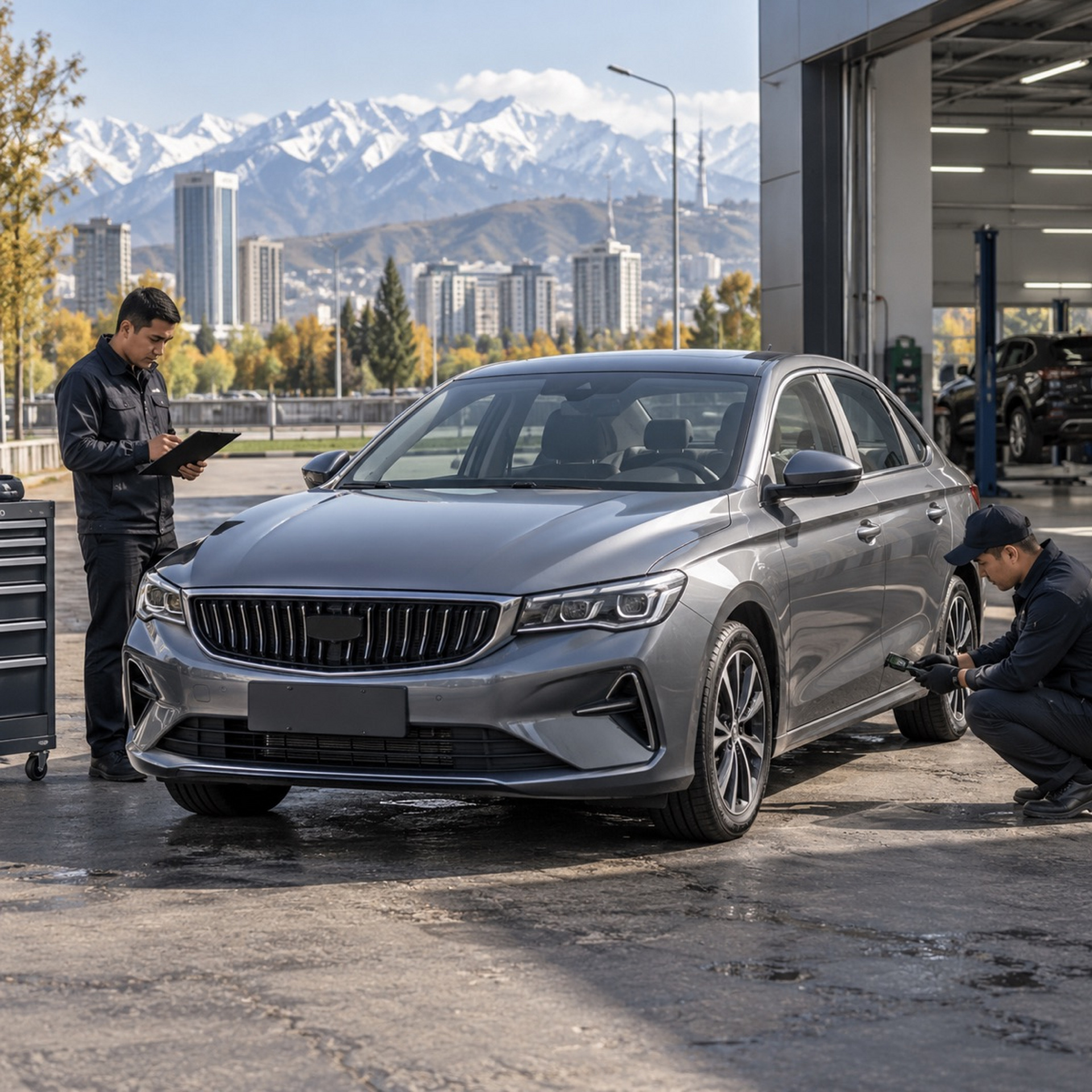
Forester and Legacy owners can face the same consequences from neglected Lineartronic CVT service, overheating, oil or coolant leaks, wheel-bearing noise and mismatched tyres. Inspect service invoices for the correct fluid and interval. Start cold, scan all modules, drive until fully warm and repeat low-speed manoeuvres after the test route.
Tyres deserve special attention on an AWD Subaru. Record brand, model, size, load rating, tread depth, production date and wear pattern at all four corners. A replacement pair beside two worn tyres may look economical but can create a rolling-circumference mismatch the driveline does not need.
VEHICLE & CONTACT INFORMATION
A 30-minute route that reveals more than a showroom inspection
- Cold start and idle: watch warning lights, listen for mechanical noise and check heater response.
- Tight manoeuvres: reverse, turn at full lock and creep on a slight incline.
- Urban section: feel low-speed CVT behaviour, steering return and brake consistency.
- Open-road section: check tracking, wheel-bearing hum and vibration under steady load.
- Rough but safe surface: listen for suspension movement without abusing the car.
- Warm recheck: inspect for fresh leaks, smells, warnings or cooling changes.
Read mountain use from evidence, not mud
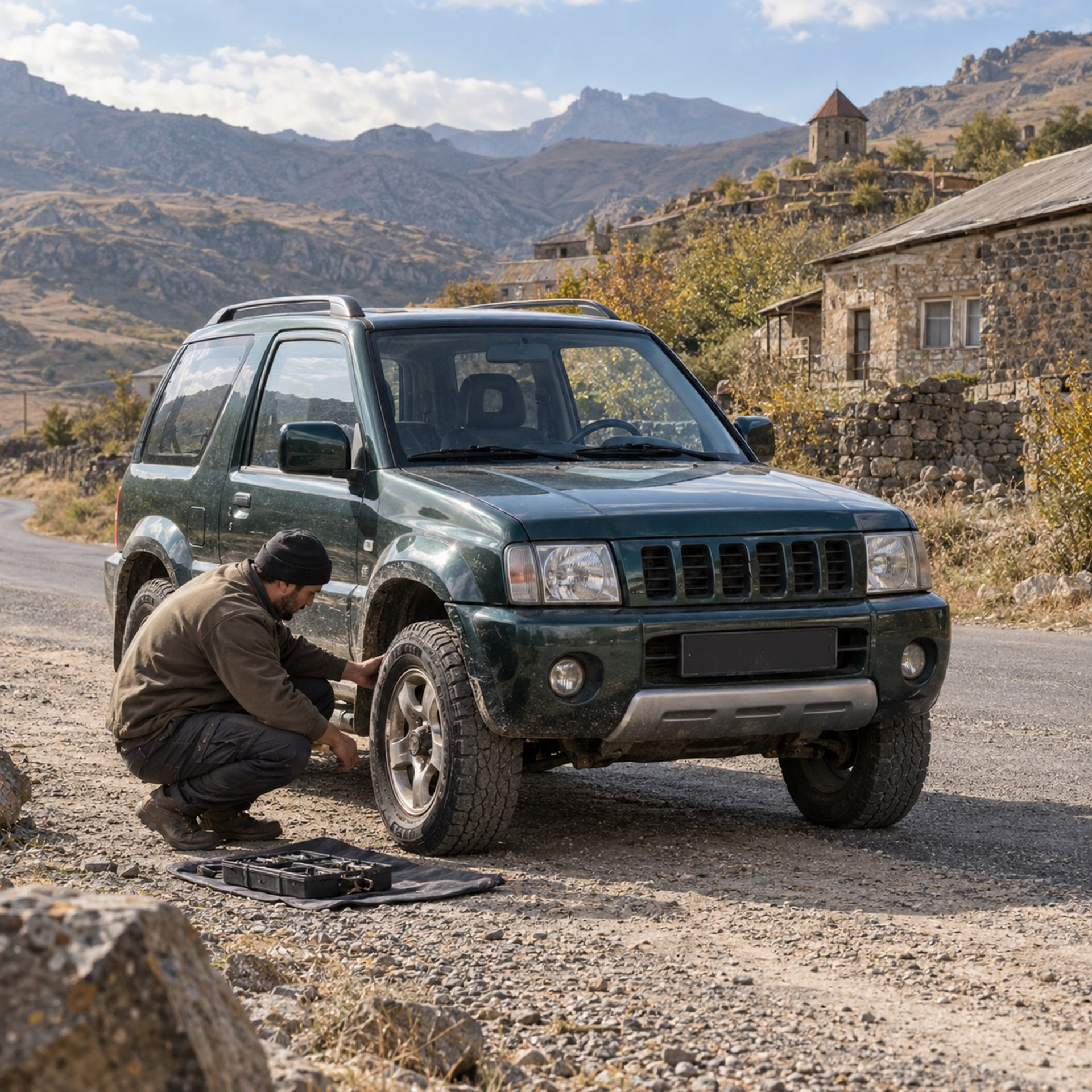
A washed underbody can still show crushed jacking points, scraped exhaust parts, bent shields, damaged bumper mounts or stone impact. Check the spare-wheel area and cabin for water entry. The Subaru Forester owner-manual library is also useful for identifying the controls and warnings fitted to a specific generation before the viewing.
All cars listed on the Guazi platform undergo over 200 professional inspections. Buyers can compare Subaru inventory on Guazi and request VIN-linked evidence for structure, drivetrain, tyres and source-market specification before choosing the body style.
The simplest decision rule
Pay for Forester only when its clearance and hatch solve a frequent problem. Pay for Legacy when roads are mainly paved and the sedan gives more condition for the money. In both cases, mechanical evidence outranks shape.



FAQs
Q
A
No. Forester is better for frequent rough access and cargo. Legacy can be the better-value, quieter choice for mostly paved Bishkek and intercity routes.
Q
A
No. AWD helps acceleration, while tyres determine much of the braking and cornering grip. Use four matched winter-suitable tyres.
Q
A
Verify correct service history and test from cold to warm for shudder, flare, delayed engagement and warnings, including hill load and deceleration.
Q
A
Check cold-start noise, oil and coolant condition, leaks, overheating evidence, exhaust smoke and documented oil-change history.
Q
A
Inspect the underbody, suspension arms, wheel bearings, brakes, roof rack, tow points and tyres for impacts, heat or uneven wear.







About Us
Get Support
Copyright © 2015~2026 https://en.guazi.com/, Chongqing Guazi Enterprise Consulting Service Co., Ltd. All rights reserved.